- Hurricane Lala closed both Big Island airports Saturday, stranding thousands of passengers as the storm brushed southern Hawaiʻi.
- Over one hundred thirty thousand households lost power while flash floods swept several homes off their foundations in southern communities.
- Airlines canceled seventy-seven flights Saturday, with reopening dependent on runway inspections for debris and flood damage on Sunday.
Hurricane Lala shut both Big Island airports Saturday as the Category 1 hurricane brushed southern Hawaiʻi Island, stranding travelers and threatening communities with hurricane-force winds, flooding and landslides. The storm carried maximum sustained winds of 75 mph at 10 a.m. HST.
The state closed Hilo International Airport and scheduled the closure of Ellison Onizuka Kona International Airport at Keāhole for 2 p.m. Saturday, Aug. 15, 2026. The Hawaiʻi Department of Transportation secured both facilities, shut TSA checkpoints and confirmed that no passengers remained inside.
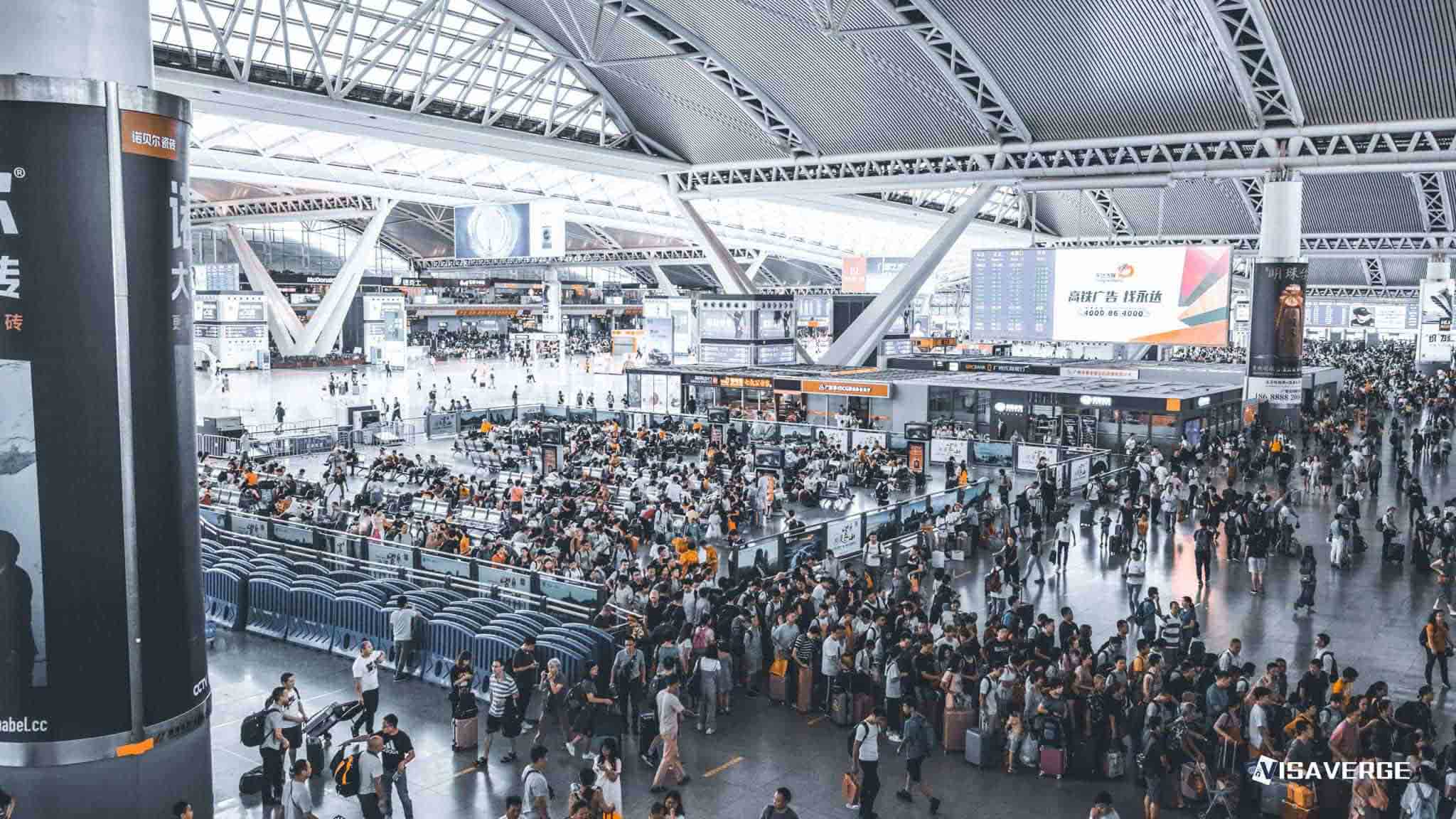
The National Hurricane Center said Lala’s eyewall was “brushing” the island’s southern portion late Saturday. The center passed about 75 miles south-southeast of South Point at 10 a.m. HST.
The airports may resume service Sunday. State officials said personnel would remain onsite while crews checked conditions, with reopening dependent on inspections for debris and flood damage.
Governor Josh Green, M.D., said the state had begun responding to damage across the islands.
“Hurricane Lala is now impacting our state, and the safety of our people remains our highest priority. There have been a lot of roads impacted; our crews have already been out to more than 30 sites.”
Green signed an emergency proclamation on August 13, 2026, activating the Major Disaster Fund and the Hawaiʻi National Guard. The state’s Tropical Storm Warning remained in effect Sunday for the entire state as Lala moved westward.
Flooding and power failures continued after the storm weakened
By 5:00 AM HST Sunday, Lala had weakened to a tropical storm with sustained winds of 70 mph. It was located 75 miles south of Honolulu, but officials continued warning about life-threatening flooding.
Rainfall remained the main threat. Forecast totals reached 8 to 12 inches across eastern Maui and the Big Island, with 1 to 2 feet possible in higher elevations of the Big Island. Windward slopes could receive nearly 3 feet, and some locations had already measured 12–15 inches.
The storm also generated high surf nearing 20 feet and storm surge of up to 3 feet. Those conditions complicated travel on roads serving southern coastal communities.
“What makes this very challenging is that there’s rushing water, there’s debris, and there’s boulders on the road and it’s dark,” Hawaiʻi County Mayor Kimo Alameda said. “With this storm we are facing a significant risk of damaging winds and flash flooding.”
Search-and-rescue missions began in Naʻalehu and Waiʻohinu for residents swept away by flash floods. Alameda also reported that several occupied homes were swept off their foundations.
More than 130,000 households across the Big Island, Maui and Oʻahu lacked power Sunday morning. At least three hospitals switched to generator power after the grid failed.
Airlines canceled 77 flights as the airports closed
Hawaiian Airlines and Alaska Airlines canceled 77 flights Saturday, including 59 neighbor island flights and 18 transpacific flights. Thousands of passengers were stranded at Los Angeles International Airport and other hubs.
Flight attendant Cheryl DeFonce said on Instagram that her crew’s flights to and from the islands were entirely canceled. The airport shutdowns removed the Big Island’s two principal commercial gateways during the storm’s closest approach.
The transportation department’s closure plan unfolded in phases. The Hilo facility was already moving toward closure when officials announced that the Kona facility would stop operations at 2 p.m. Security personnel sheltered in place at the terminals during the height of the storm.
Runway checks now determine when flights can return. The state anticipated resuming operations Sunday, but the inspection process must address debris and possible flood damage before aircraft movements restart.
Wind damage reached transmission lines and homes
Hawaiian Electric crews assessed a 42-mile span of transmission lines after fallen trees brought down multiple poles and structures. The outages spread beyond Hawaiʻi Island as Lala crossed the state.
The storm’s peak strength was also reported as 80 mph, with gusts exceeding 100 mph at high elevations, including the Maunakea area. The earlier 75-mph measurement accompanied the storm’s approach toward South Point.
On the Big Island, 19 roofs were reported lost. Crews also responded to road blockages, fallen trees and damaged infrastructure as rainfall pushed through elevated terrain.
Had Lala made a direct landfall, it would have been the first hurricane to do so on the Big Island in 155 years. Instead, the eyewall brushed South Point, sparing the island a direct hit while still producing hurricane-force gusts and storm surge.
Relief groups prepared for a difficult recovery
Kristin Frost Albrecht, executive director of the Hawaiʻi Food Basket, said the organization was preparing for needs that would follow the storm.
“We’re planning for the aftermath. We’re sadly very experienced at disasters. It’s something we’re familiar with.”
The response extended from airport security and road crews to hospitals, utilities and search teams. Officials faced damaged roads in southern communities while floodwater, boulders and debris limited access after dark.
Lala’s westward movement reduced its classification but did not end the danger. The Tropical Storm Warning covered Oʻahu and Kauaʻi as well as the Big Island and Maui County.
Final runway inspections remained the next aviation checkpoint on Sunday, August 16. Until those checks clear the facilities, the state’s expected reopening schedule remains conditional.