- Record-breaking rains in Chiba killed eight people and stranded thousands during Japan’s busy Bon holiday week.
- Narita Airport saw seven thousand travelers stranded overnight after flooding severed all major ground transportation links.
- Chiba City received three hundred sixty-seven millimeters of rain in twenty-four hours, surpassing the previous record.
Record rains killed eight people in Chiba Prefecture on Friday and stranded about 7,000 travelers overnight at Narita Airport after flooding shut rail lines, bus routes and highways during Japan’s Bon holiday week.
The heaviest rainfall struck Chiba City. More than 360 millimeters fell in 24 hours in parts of the prefecture, surpassing the previous record of 309 millimeters set in October 2013.
Free toolB1/B2 Tourist Visa Stay Calculator online
Chiba Governor Toshihito Kumagai described the disaster as “an extremely unusual situation.” He added: “I have responded to many disasters in the past, but I have never experienced a case like this.”
The Japan Meteorological Agency issued its highest Level 5 emergency warning before reducing alerts to Level 4 or lower on Friday morning. A JMA official said, “This is shaping up to be an unprecedented level of heavy rain.”
Flooding claimed victims in several cities. One person died after becoming trapped in a submerged vehicle. In Sakura City, a 66-year-old woman died when floodwater engulfed her car.
A man in his 60s or 70s was found floating on a flooded road in Ichikawa City and later died at a hospital. In Kashiwa City, rescuers found a woman in her 70s inside a flooded car in a state of cardiopulmonary arrest.
About 102,600 people faced evacuation orders in Chiba as of 11 a.m. Friday, officials said. More than 20,000 homes also lost electricity, while gas supplies were cut for 13,000 customers.
Flooding severed the airport’s ground connections
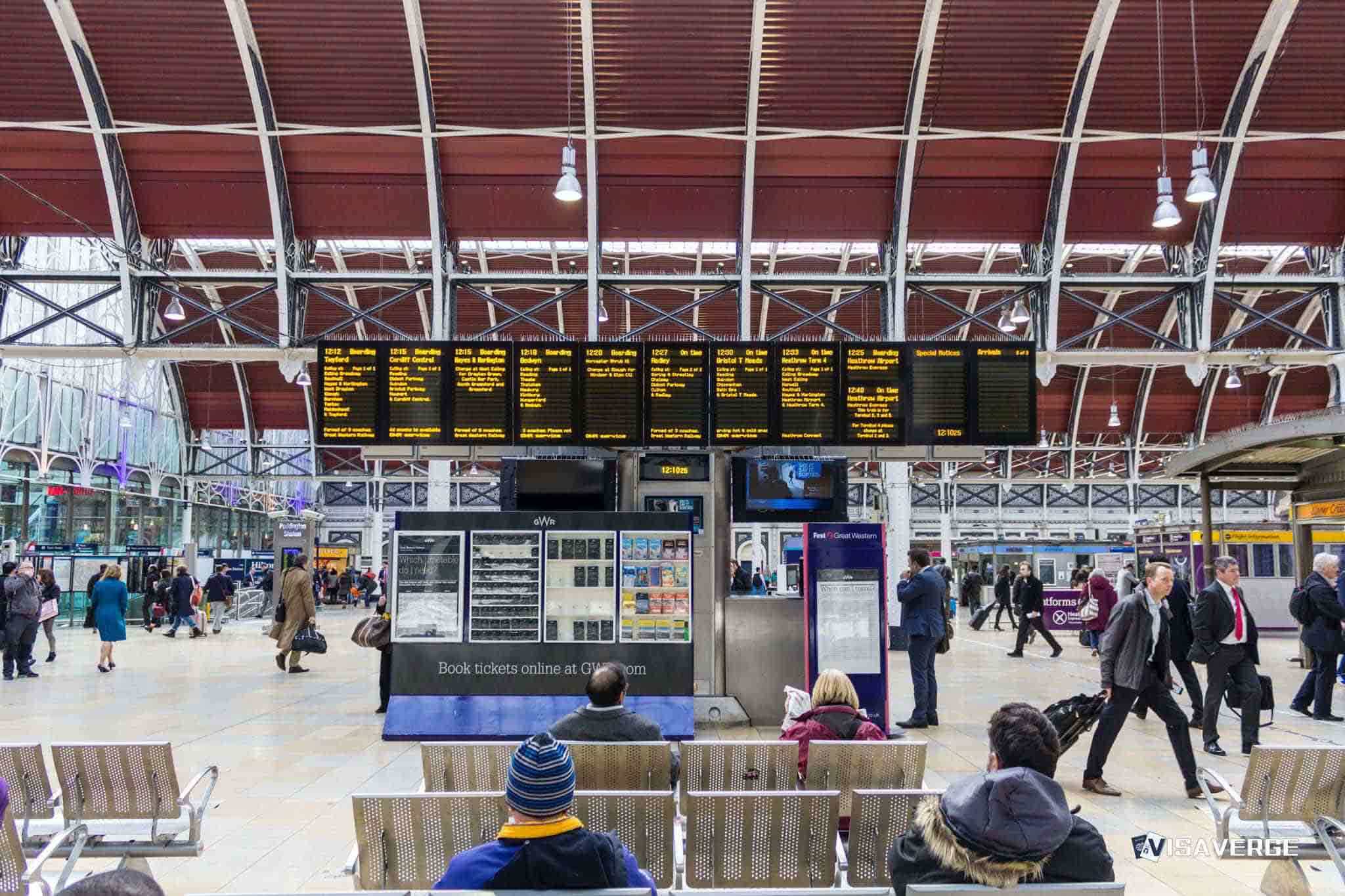
Passengers reached the airport through flooded and heavily delayed routes, then remained inside terminals after train and bus services stopped. Airport staff distributed sleeping bags, water and snacks.
Minoru Yamasaki, 48, a Chiba resident returning from a holiday, waited for a taxi before giving up. “I queued for a taxi, but the wait was four hours. With nowhere else to go, [I] returned to the airport.”
Another traveler, identified as Philip and described as being from the United Kingdom, spent nine hours in a taxi reaching the airport. He said he had “just been trying to get some sleep and watching Netflix. Nothing else you can do.”
A spokesperson said, “All flights are scheduled to operate normally on Friday. Staff [have] distributed sleeping bags, water, and snacks to passengers.” Rail and bus connections, however, remained partly suspended or heavily delayed Friday morning.
| Impact | Reported figure or status |
|---|---|
| Travelers stranded overnight | About 7,000 |
| Rainfall in 24 hours in parts of Chiba | More than 360 mm |
| Chiba City rainfall in 24 hours | 367 mm |
| Chiba City rainfall in 12 hours through 1:40 a.m. Friday | 348 mm |
| Earlier record from October 2013 | 309 mm |
| People affected by evacuation orders in Chiba | Around 102,600 |
| Power outages | More than 20,000 homes |
| Gas customers affected | 13,000 |
The 367-millimeter total in Chiba City set a 24-hour record. The city also recorded 348 millimeters during the 12-hour period ending at 1:40 a.m. Friday.
Rainfall intensity reached 115 millimeters per hour in some areas, roughly the average precipitation for the entire month of August. The weather agency issued the maximum alert to more than one-third of the prefecture’s municipalities.
The warning marked the first use of the Level 5 system since its latest revision in May 2026. Authorities later lowered the warnings, but the agency continued forecasting additional rain and maintained landslide risks at critical levels.
Rescuers worked around closed roads and rail lines
Several rail lines and highways operated by NEXCO East closed as floodwater spread. Travelers sought shelter in government buildings and airport terminals, while about 4,000 people were rescued from Soga Station after being stranded for hours.
The Japan Ground Self-Defense Force deployed personnel for evacuations and relief operations. The response continued as crews assessed damaged transport links and communities affected by rising water.
The storm arrived during Bon Buddhist holiday week, one of Japan’s busiest travel periods. That timing left more people moving through the region as roads and rail services failed.
Power disruptions ranged from 22,000 to 45,000 households in reports from Tokyo Electric Power Company. The wider emergency also prompted evacuation orders across Chiba and Ibaraki prefectures for more than 400,000 residents.
Flights at the airport had largely returned to normal by Friday morning. Travelers still faced delays getting to or from the terminals, and further rainfall threatened to prolong problems on the ground.