- U.S. authorities reported fifteen straight months of zero border releases as of August 2026.
- The policy effectively ends catch and release by mandating detention, return, or immediate removal.
- Migrants now face significant legal hurdles while preparing asylum claims from within detention centers.
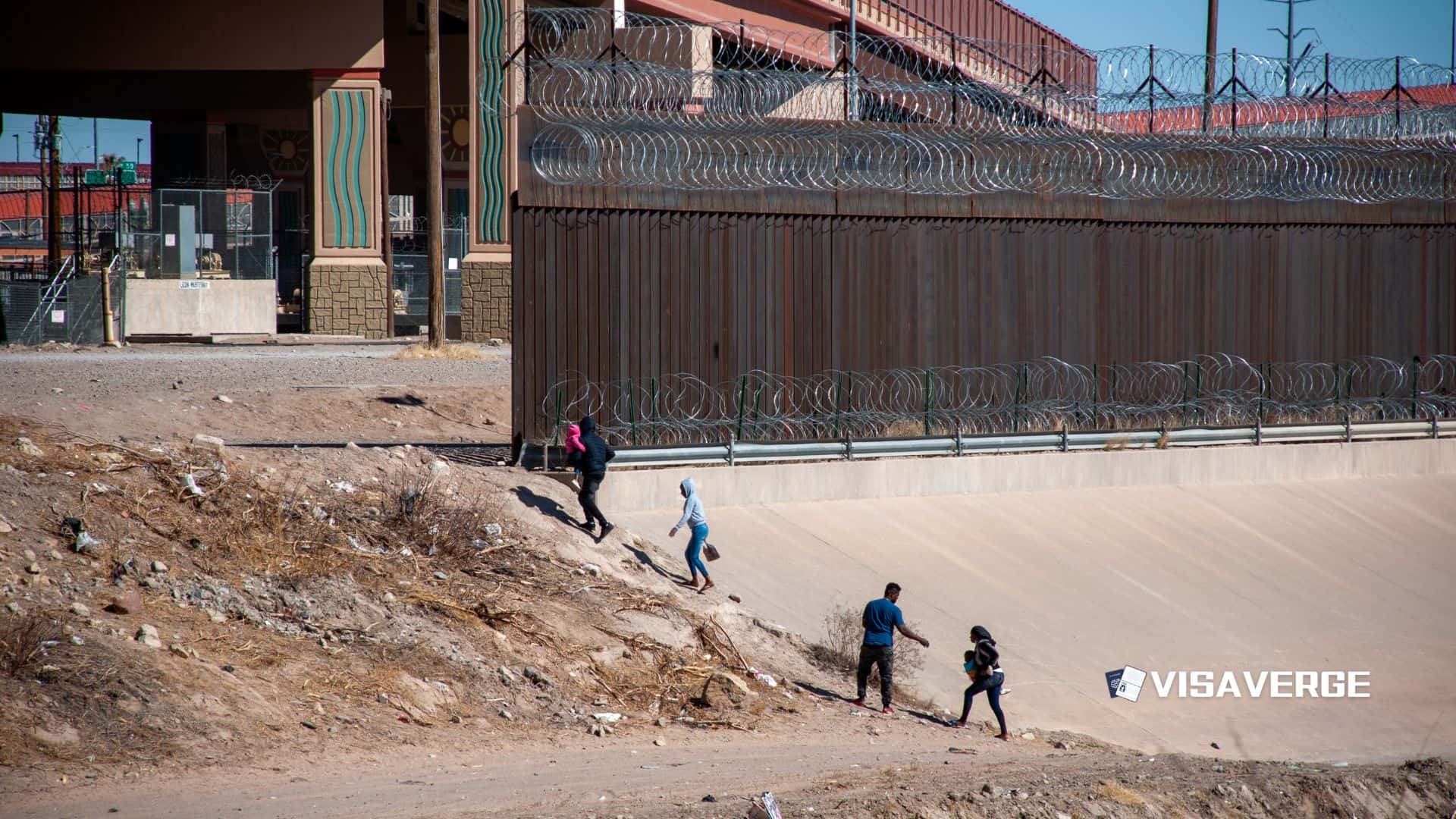
U.S. border authorities reported 15 straight months without releasing migrants into the United States while they await immigration proceedings. The policy leaves many people seeking protection in detention, facing removal, or turned away near the border.
DHS and CBP announced 14 consecutive months of zero border releases on July 16, 2026, using data through June. By August 13, the administration described the streak as 15 months.

The change closes the pathway commonly known as catch and release. DHS Secretary Markwayne Mullin has linked the approach to a broader effort to shut the border to unlawful entrants and reduce apprehensions.
People who fear persecution may still seek asylum. They are far less likely to enter the country while an asylum case moves forward.
That changes how claims develop. Migrants may need to prepare applications while detained or after being turned away, making access to lawyers, documents, and other help more difficult.
The reported streak grew from 14 months to 15
The administration’s public timeline contains two milestones:
| Date or period | Reported status |
|---|---|
| May 2025 | DHS began self-reporting zero releases |
| July 16, 2026 | DHS and CBP announced 14 consecutive months, covering data through June 2026 |
| August 13, 2026 | The administration marked 15 straight months without a border release |
The agencies describe the policy as an end to the previous release-based approach. People encountered at the border are instead being detained, returned, or removed.
The practical result depends on what happens to each person. Some remain in custody, while others face expulsion or expedited removal near the border.
Detention and turnbacks now shape the asylum process
A release into the United States once allowed migrants to live outside custody while immigration proceedings continued. That route has largely disappeared under the current enforcement posture.
Claims can become harder to prepare from detention. Limited access to counsel may affect interviews, evidence gathering, and communication with family members.
Migrants who are turned away also face a different problem. They must pursue protection without first establishing a physical presence inside the United States asylum process.
The administration says the enforcement strategy has sharply reduced apprehensions. Mullin described the policy as ending “catch and release.”
The phrase captures the administration’s stated objective, but the reported figures have drawn a narrower challenge over how releases are counted.
Outside data has disputed the scope of the claim
One 2026 analysis said DHS reported no releases beginning in May 2025. It also cited outside immigration data that counted some releases in other categories.
That distinction affects what “zero” covers. The agencies’ figure concerns their border-release measure, while other datasets may classify particular releases differently.
The public milestones therefore describe the administration’s enforcement record as it reports it. They do not erase the different ways immigration data sources can categorize people processed at the border.
As of August 13, the administration was still presenting the policy as a 15-month run. Migrants seeking protection faced custody, removal, or expulsion rather than a routine release while proceedings continued.