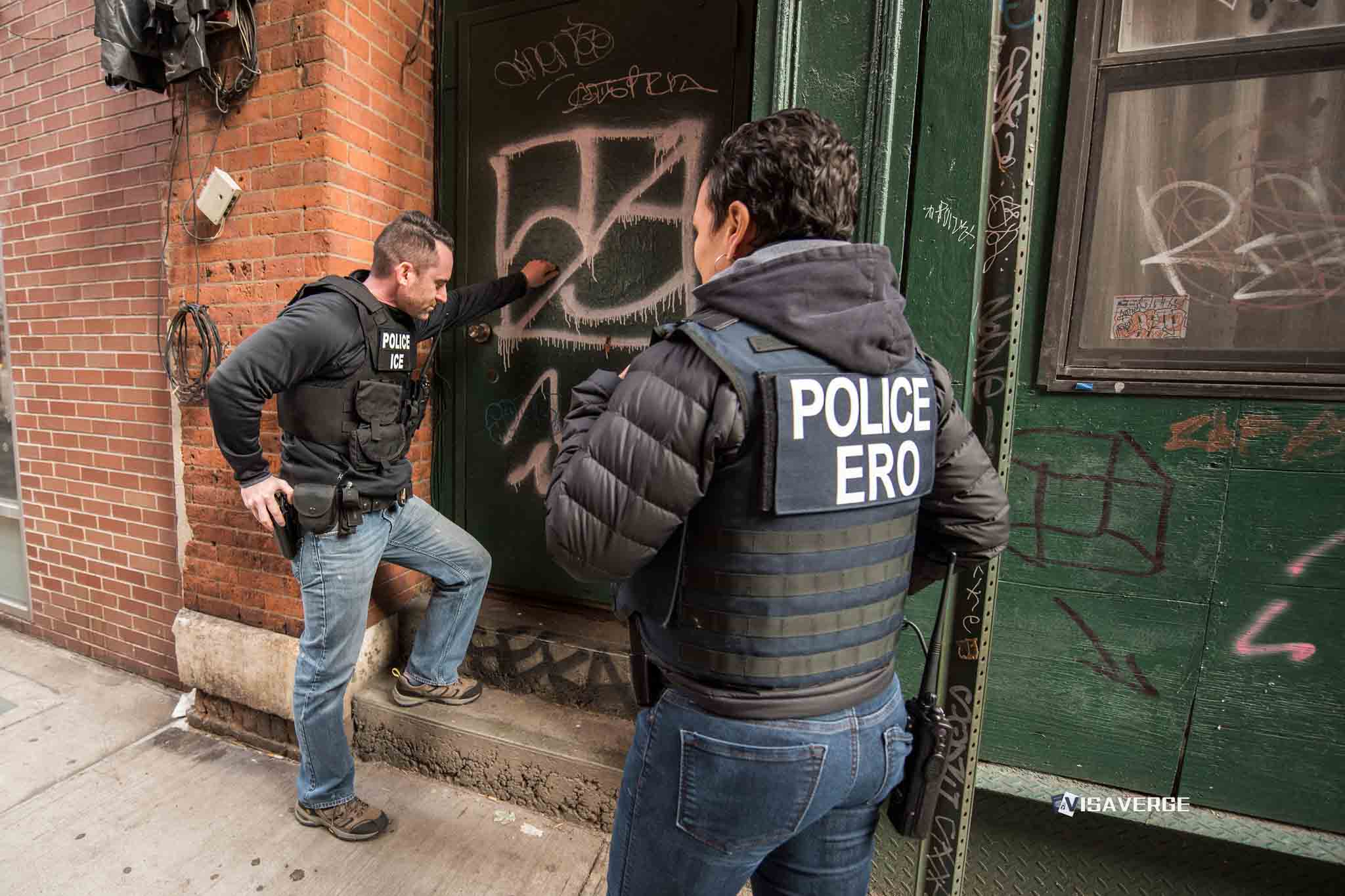
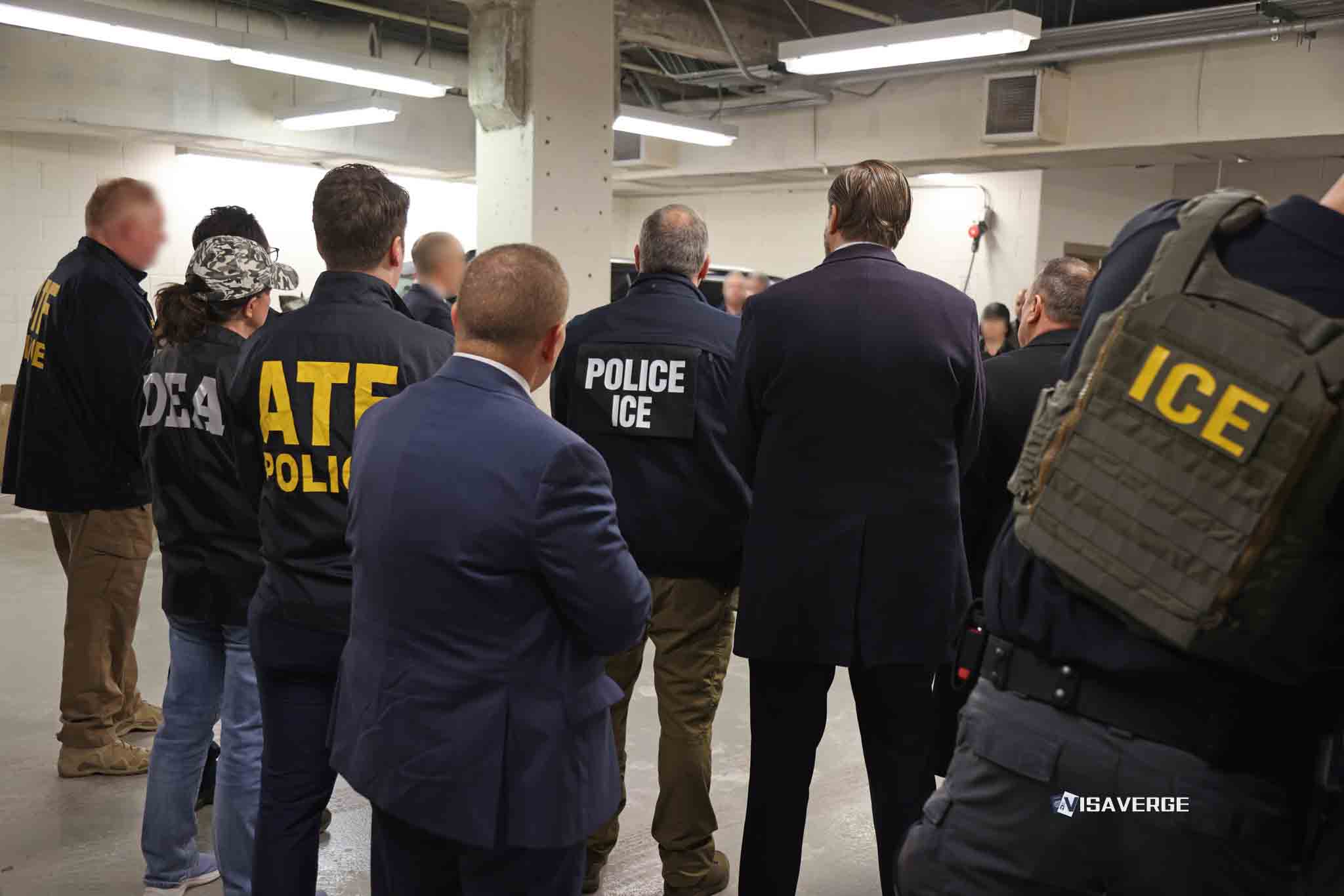
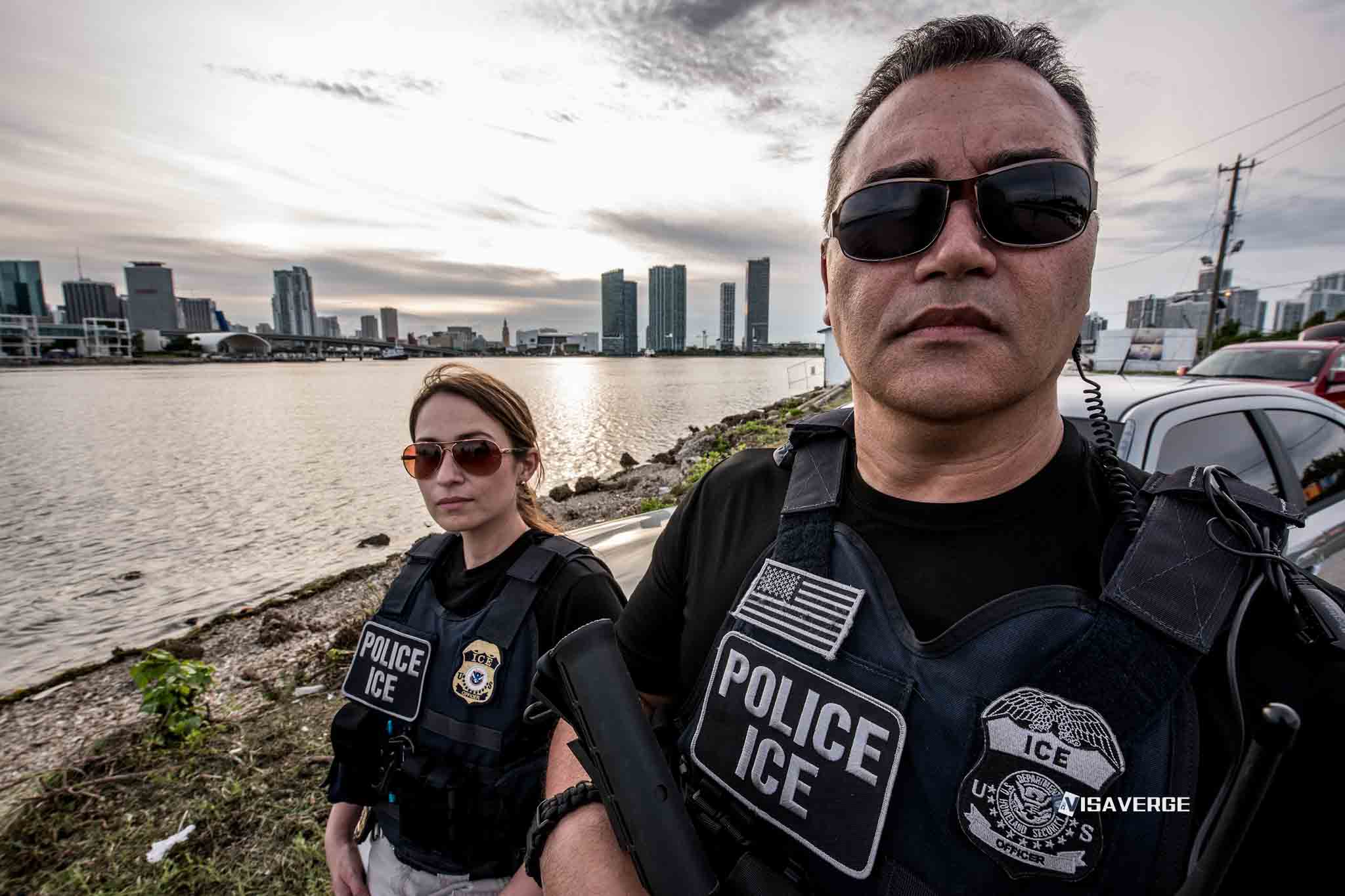
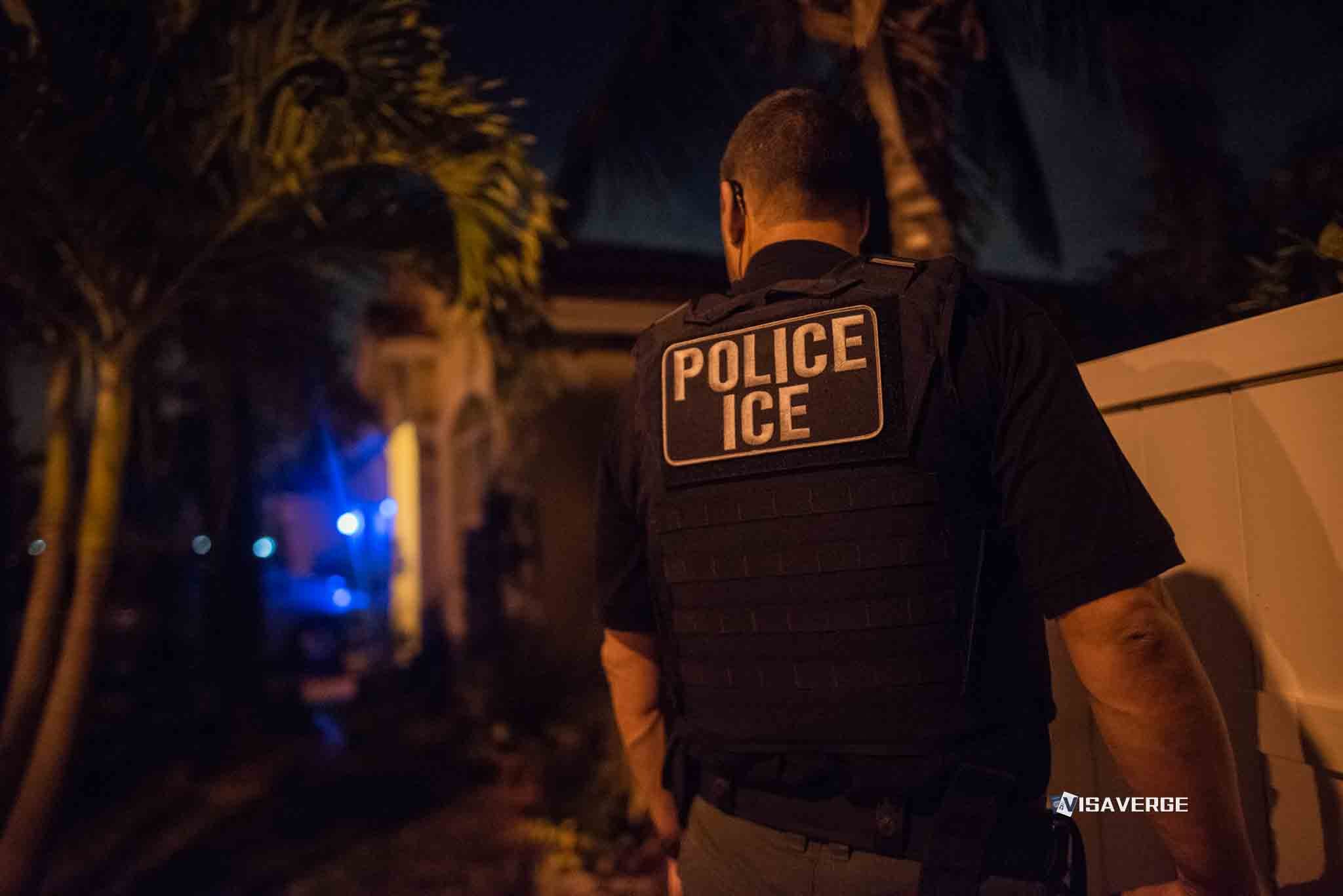
- Officials and advocates reported about 30 to 34 arrests during immigration enforcement in New Bedford, Dartmouth and Fall River.
- Fall River’s mayor said two students were arrested; officials were working to verify their ages.
- The PROTECT Act limits civil arrests at schools, courthouses and medical sites, but not on public streets.
Massachusetts Teacher Association leaders and politicians condemned South Coast ICE arrests in New Bedford, Dartmouth and Fall River, saying the operation targeted parents and students. The Department of Homeland Security defended the enforcement as lawful and part of a nationwide deportation campaign.
The teachers’ group said President Matt Bach and Vice President Deb Gesualdo were “outraged” by arrests affecting families and students. They urged ICE to “leave these communities in peace immediately.”
DHS said the administration was “utilizing all lawful options to carry out the largest deportation operation in history, just as President Trump promised.” It also said “anyone who has been deported received full due process.”
ICE described the activity as enforcement across Massachusetts but declined to identify specific targets. The agency cited operational security. Questions remain locally.
Officials give different counts as families search for detainees
Elected officials challenged the operation’s purpose and called for information about those detained. U.S. Rep. Jake Auchincloss, D-Massachusetts, said on September 24, 2026, enforcement should prioritize people who threaten public safety. He also characterized the arrests as politically motivated.
“We are here to help those constituents exercise their habeas corpus rights and to get due process,” Auchincloss said.
New Bedford Mayor Jon Mitchell said the operation did not reflect how federal law enforcement should act. He called it “an arbitrary sweep of people” and said there was “no indication” that anyone detained had a criminal record beyond motor vehicle infractions.
The concerns followed Gov. Maura Healey’s September 22, 2026, demand for answers after ICE reportedly arrested at least a dozen people in New Bedford. She later called on the agency to disclose who had been arrested and why.
Fall River Mayor Paul Coogan said on September 24 that two students in the city were among those arrested. City officials were trying to verify their ages. That question added urgency for school communities.
Counts have varied across officials and advocates. Some said the sweep affected roughly 30 families. Advocates estimated about 30 arrests, while another count reached 34 immigration arrests by early Thursday afternoon; a separate report put the total at at least 31 people detained since Monday.
Many families initially did not know where detainees had been taken. By Wednesday afternoon, many were being held at ICE facilities in Massachusetts and Rhode Island. The reports described activity in New Bedford and Fall River, as well as Dartmouth.
Reported enforcement locations included Acushnet Avenue, MacArthur Drive and Faunce Corner Road. The Dartmouth Mall served as a staging area. Community leaders also described arrests near schools, fish houses, grocery stores, gas stations, workplaces, parking lots and roads.
The state law bars civil arrests at sensitive sites, not on streets
The Massachusetts Teachers Association urged state leaders to enforce the PROTECT Act, signed in August 2026. The law restricts civil immigration arrests at schools, courthouses and medical sites. It does not prohibit federal officers from making arrests on public streets.
Healey acknowledged that distinction as she sought answers from ICE. Reports placed many arrests in public areas, including roads and parking lots. The location of an arrest can therefore shape questions about whether the state law applies.
The law’s limits do not settle every legal issue. In cases involving arrests, the relevant questions may include whether officers acted at a protected site or violated another federal or constitutional constraint. The reported presence of an arrest on a street, by itself, does not establish a violation of the sensitive-location restrictions.
The administration framed the sweep as part of a broader crackdown under President Trump. DHS said the operation was lawful, while local leaders questioned whether those detained posed threats to public safety and criticized the effect on families.
Attorneys say some detainees had court protections already in place
Attorneys said the people detained included individuals who had received court stay orders. Some had already obtained habeas relief; others were scheduled for bond hearings. Those cases put access to legal process at the center of the response.
ICE’s Boston office said it routinely conducts operations across New England and does not release details of ongoing actions for operational-security reasons. The agency has not publicly confirmed the full scope of the South Coast operation or identified every target.
The identity, immigration status and criminal histories of those detained remain central questions for families and local officials. ICE has not released a complete roster or the reasons for each arrest. Attorneys and elected officials have focused on locating detainees and helping constituents pursue court protections.
The state restrictions cover civil immigration arrests at schools, courthouses and medical sites; they do not bar street arrests. This article provides general information and is not legal advice. Consult a qualified immigration attorney about your specific case.