- Arizona courts face a historic surge in habeas corpus petitions following new mandatory detention policies for immigrants.
- Immigration-related lawsuits increased 85 times nationwide after bond hearings were restricted for many noncitizens.
- The District of Arizona appointed federal public defenders to manage the overwhelming volume of individual legal challenges.
(ARIZONA) — Detained immigrants filed a historic wave of habeas corpus petitions in the District of Arizona after a July 2025 policy shift expanded mandatory detention and pushed bond fights into federal court.
Federal court records and data compiled for the six months from October 2025 through March 2026 show 1,104 habeas petitions in Arizona alone. Nationwide, immigration-related habeas lawsuits rose by more than 85 times compared with 2025 levels.
Free toolUSCIS Receipt Number Decoder
The surge has turned Arizona into one of the clearest tests of how far the government can press detention policy after moving a broad group of noncitizens into a category that triggers detention under 8 U.S.C. § 1225(b)(2)(A). Individual detainees now rely on habeas corpus petitions under 28 U.S.C. § 2241 because class-action detention suits are no longer available.
Department of Homeland Security officials have described the administration’s approach as a return to a stricter reading of immigration law, even as the litigation has spread. Secretary of Homeland Security Kristi Noem told the Senate Homeland Security and Governmental Affairs Committee on May 20, 2026, “Habeas corpus is a constitutional right that the president has to be able to remove people from this country. . I also recognize that the President of the United States has the authority under the Constitution to decide if it should be suspended or not.”
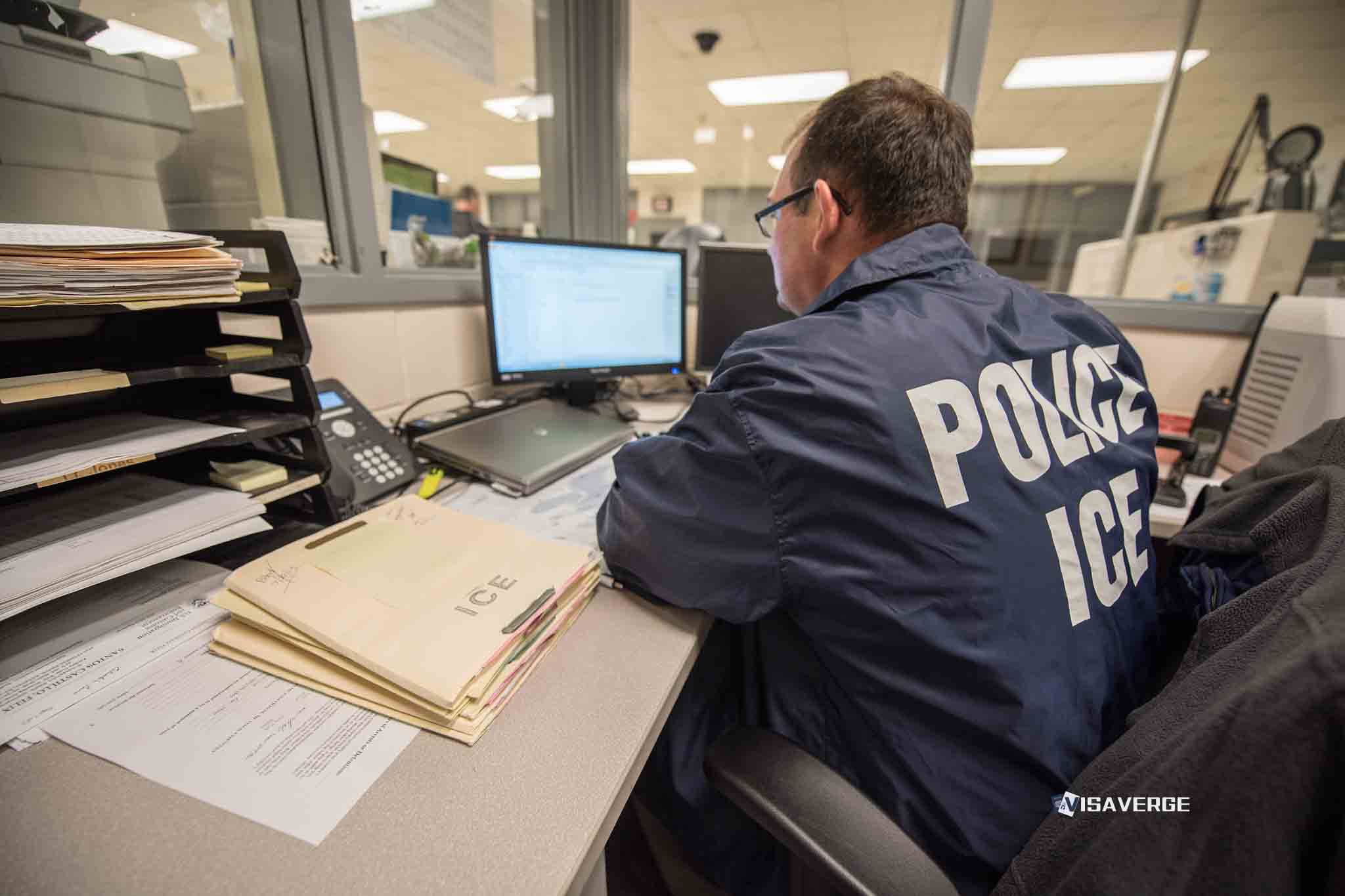
A day earlier, on May 19, 2026, ICE-ERO Phoenix Deputy Field Office Director Alejandro Almeida defended enforcement action in Arizona and pointed detainees toward limited avenues of review. “The identification and arrest of [illegal aliens] underscores the importance of the Criminal Alien Program. Her fate now rests with the Department of Justice’s Executive Office for Immigration Review, and any available administrative or judicial appellate recourse,” Almeida said.
USCIS spokesman Zach Kahler tied the broader policy approach to a stricter interpretation of the statute. “We’re returning to the original intent of the law. This policy allows our immigration system to function as the law intended instead of incentivizing loopholes,” Kahler said on May 22, 2026.
The legal shift began with a July 2025 DHS memo that reclassified noncitizens who entered without inspection as applicants for admission. That change made them subject to mandatory detention, regardless of how long they had lived in the United States.
A second change followed in September 2025, when the Board of Immigration Appeals issued Matter of Yajure Hurtado. The ruling held that immigration judges lack authority to grant bond to the reclassified group, shutting off the standard route many detainees had used to seek release.
With bond hearings blocked, individual habeas petitions became the last line of defense in detention challenges. Judges in Arizona have granted relief often enough to turn those filings into a central part of the fight over the new detention regime.
In 2025, federal judges ruled for detained immigrants in about 97% of decided habeas cases in Arizona. Those rulings often ordered bond hearings or immediate release, a record that helps explain why petitions accelerated after the policy changes took hold.
The flood of filings also strained the court itself. On February 19, 2026, the U.S. District Court for the District of Arizona provisionally appointed the Federal Public Defender to represent indigent detainees in habeas cases, a step aimed at managing what the court described as a deluge.
Arizona judges have also voiced frustration with the burden created by one-case-at-a-time litigation. The criticism reflects a system in which disputes that once would have moved through bond calendars now arrive as separate federal petitions, each requiring its own filings, review, and orders.
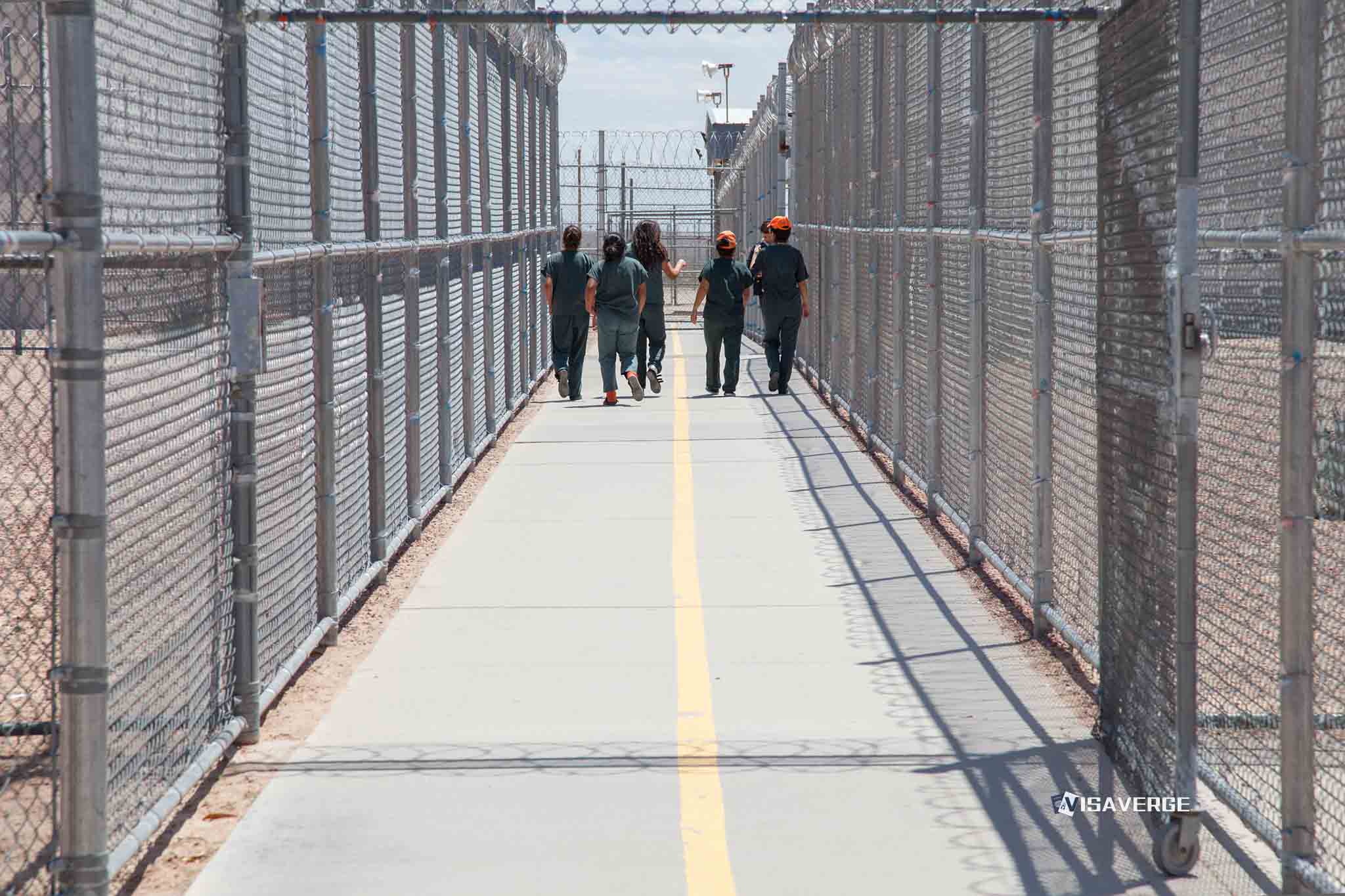
Conditions inside detention centers have sharpened that pressure. Senators Mark Kelly and Ruben Gallego called for a halt to detention expansions in Surprise and Marana, citing “inhumane and deeply troubling” overcrowding in existing facilities, including the Mesa ICE facility.
Deaths in custody have added another layer to the court battles. ICE recorded 16 deaths in custody in the first few months of 2026, after a record 50 deaths in 2025.
Those numbers sit behind many of the filings now reaching the District of Arizona, where detainees argue that prolonged custody without a bond hearing violates basic protections and turns habeas corpus into the only effective remedy. The court’s docket shows how a national detention policy can land, case by case, on a single district bench.
DHS and USCIS have not backed away from the mandatory detention position. Their public statements frame the policy as faithful enforcement of existing law, while the Arizona cases show the volume of litigation that followed once immigration judges lost the power to grant bond to the affected group.
The clash has made Arizona a focal point in a broader national pattern. More than an increase in raw filings, the habeas surge captures a structural change in immigration detention practice: custody decisions that once turned on routine bond requests now move through federal habeas review, with detainees filing separately and courts absorbing the load.
Official records for those developments are spread across the USCIS Newsroom, DHS press releases, the U.S. District Court for the District of Arizona, and the ICE newsroom. In Arizona, those records now track a court system handling the legal fallout from expanded mandatory detention one habeas corpus petition at a time.