- The Indian government has formed a High-Level Committee to investigate demographic changes linked to illegal immigration.
- Retired Justice Prakash Prabhakar Naolekar will chair the expert panel tasked with reviewing national security and population shifts.
- The committee must propose a permanent mechanism for identifying, detaining, and deporting illegal immigrants within one year.
(INDIA) — India’s government constituted a High-Level Committee on Demographic Change on May 26, 2026 to study how illegal immigration has altered population patterns, with Union Home Minister Amit Shah announcing the move through the Press Information Bureau and official social media channels.
Shah said the panel fulfilled a commitment Prime Minister Narendra Modi made in his Independence Day address on August 15, 2025, when he proposed a formal study of illegal immigration-driven demography change.
Free toolUSCIS Receipt Number Decoder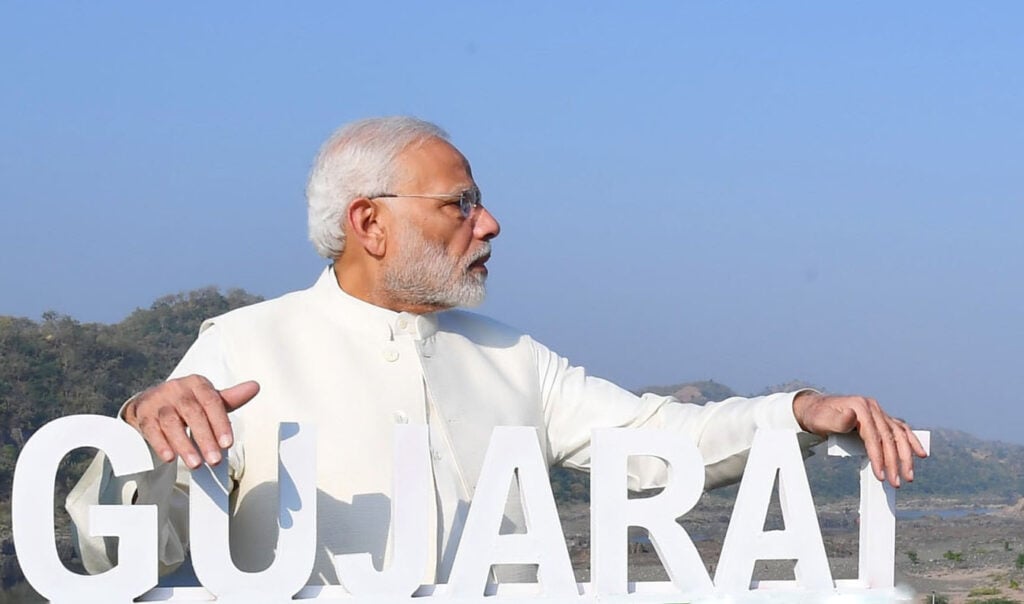
“Infiltration and other reasons causing unnatural demographic change pose a very significant challenge to the present and future of any nation. The government has now operationalised the ‘High-Level Committee on Demographic Change’ to assess the impact of infiltration and abnormal population changes across the country,” Shah said on May 26, 2026.
He linked the issue to sovereignty, national security, law and order, and the preservation of tribal societies. Those themes place the committee at the center of a wider government push that treats illegal immigration as a security issue as well as a demographic one.
The committee will be chaired by retired Supreme Court Justice Prakash Prabhakar Naolekar. Its members are the Census Commissioner of India, Shri Durga Shankar Mishra, Shri Balaji Srivastava, Dr. Shamika Ravi, and the Joint Secretary (Foreigners-I) in the Ministry of Home Affairs, who will serve as member secretary.
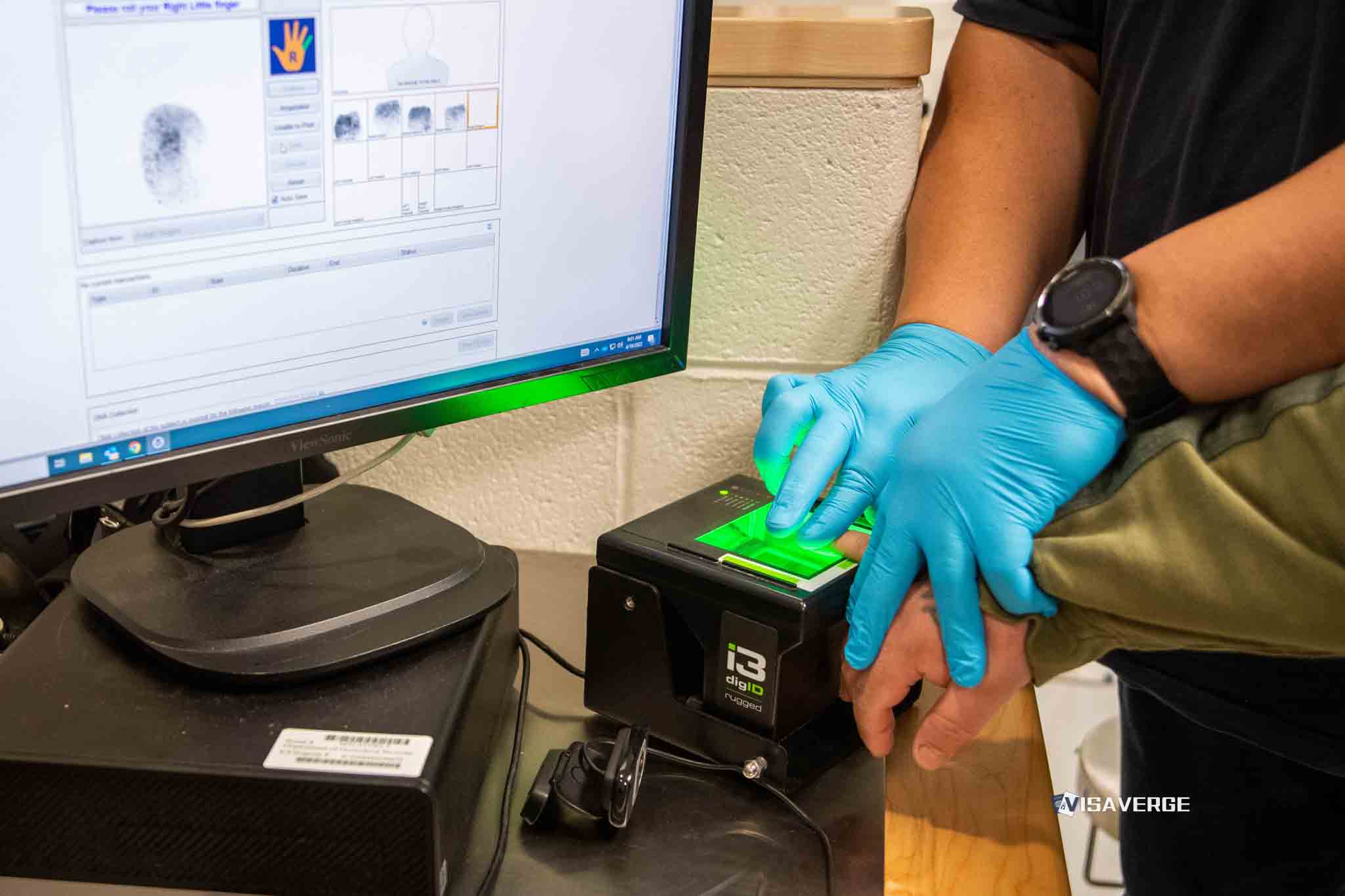
Its mandate goes beyond a population review. The panel will carry out a scientific assessment of demographic shifts caused by “illegal infiltration” and “unnatural causes” across religious and social communities, recommend an institutional mechanism to strengthen borders and population stabilization systems, and propose a permanent operational mechanism for the identification, detention, and deportation of illegal immigrants.
India’s government set a one year deadline for the report from the date of formation. It can extend that period by six months.
The announcement came during a week of migration-related diplomacy in New Delhi. U.S. Secretary of State Marco Rubio visited the Indian capital from May 23–26, 2026 and discussed immigration policy during a joint press conference with External Affairs Minister S. Jaishankar on May 24, 2026.
Rubio framed Washington’s recent actions as part of a broader shift in migration policy rather than a country-specific response. “The modernization of our migration system. is not focused on India specifically, it is global. We’ve had a migratory crisis in the US. over 20 million people illegally enter the US over the last few years and we’ve had to address that challenge,” Rubio said.
Jaishankar answered with a distinction India has repeated in recent migration talks. “While we cooperate to deal with illegal and irregular mobility, our expectation is that legal mobility would not be adversely impacted. This is very relevant to our business, technology and research cooperation,” he said.
Those remarks landed days after a May 22, 2026 USCIS directive requiring foreign nationals seeking a Green Card to leave the United States and apply from their home countries. U.S. authorities cited the need to reduce the “operational burden” of tracking undocumented individuals.
That timing gives the Indian committee an international backdrop as governments on both sides tighten rules tied to illegal immigration, even as New Delhi presses to protect legal movement for professionals and students. India and the United States have expressed broad alignment on curbing illegal and irregular mobility, but the two governments are also managing the friction that tougher enforcement can create for legal travel and work.
Inside India, the committee’s scope points most directly to border and tribal regions, where the government has argued that demographic change carries consequences for security and social stability. The mandate’s reference to religious and social communities also gives the panel a wider reach than a border-control review alone.
The legal and enforcement implications are also concrete. People identified by authorities as infiltrators may face detention and removal under the Updated Deportation Framework (2026), which sets 30-to-90-day verification timelines for suspected foreign nationals.
That framework, read alongside the committee’s terms of reference, suggests the government wants a standing system rather than case-by-case action. Border management recommendations, population stabilization proposals, and a permanent identification and deportation mechanism all sit within the same assignment.
The choice of Naolekar to lead the committee gives the panel a former Supreme Court judge at its head, while the rest of the membership combines census administration, bureaucracy, policing, economic analysis, and the Home Ministry’s foreigners division. That mix indicates the government wants the final report to address data, enforcement, and administration in one document.
The committee also formalizes language the government has used for months. Modi’s August 15, 2025 pledge put demography change into the political mainstream, and Shah’s announcement turned that commitment into an institutional process with a deadline, a chair, and a defined enforcement brief.
How far the panel’s recommendations reach will matter for domestic administration and for India’s external relationships. New border measures and faster deportation procedures can affect neighboring countries, while a harder official line on illegal immigration can run alongside continued demands from New Delhi that lawful mobility channels remain open abroad.
Official information on the committee appears through the Press Information Bureau, while the U.S. visit and public remarks can be checked through the U.S. Department of State. Additional notifications and ministry updates are published by India’s Ministry of Home Affairs.
With the report due within one year, the committee now has a broad brief and a short clock: measure demographic change, tie it to illegal immigration where the government says it exists, and recommend how India should identify, detain, and deport people it classifies as illegal immigrants.