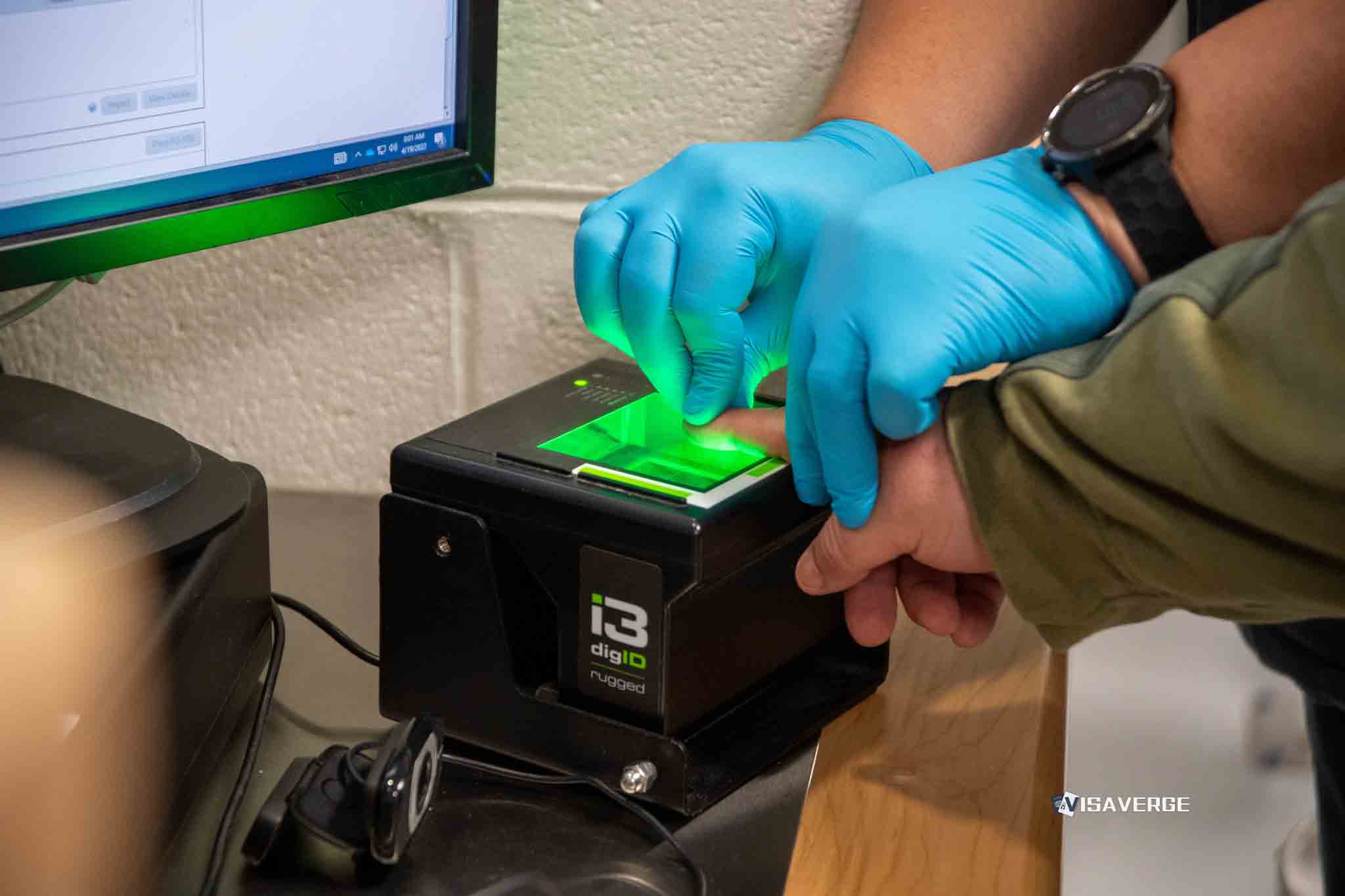
DHS’s latest data show June 2026 set a new record for ICE arrests, with 43,138 arrests, while July is tracking even higher in early reporting. The update also shows detention levels rising sharply and a larger share of detainees with no criminal record than earlier in 2025.
- 43,138 ICE arrests in June 2026 marked a new monthly high, above the prior peak of 42,107 in December.
- Through the first 11 days of July, ICE averaged more than 1,400 arrests per day, with some reporting putting the pace at 1,593 per day.
- DHS data released on July 20 showed the average daily number of people booked into detention from ICE arrests rose to over 1,300 in June, a 32% increase since April.
- Detainees from ICE arrests without a criminal record accounted for 37% of the detained population, up from 6% in January 2025.
(UNITED STATES) — The Department of Homeland Security highlighted what it called the ‘most secure border’ in U.S. history, saying nearly 3 million illegal immigrants have left the United States since the Trump Administration took office.
DHS framed the figures as the result of stepped-up enforcement and deterrence that it said drove departures through a mix of deportations and what it calls “self-deportations.”
Free toolUSCIS Receipt Number Decoder
The announcement matters for how the administration describes immigration enforcement across the border and inside the country, while also pointing to visa and status actions that can ripple through legal immigration processing.
DHS put the new claims in a broader message that spans border releases, security infrastructure, narcotics enforcement, interior enforcement capacity, and administrative checks tied to immigration benefits.
The department’s overall departure number rests on two categories it presented side by side: over 675,000 deportations and about 2.2 million “self-deportations,” which it described as people leaving on their own.
DHS also tied its deportation figure to criminal enforcement outcomes, saying more than 400,000 of those deported were charged with or convicted of crimes.
By presenting totals in that way, DHS cast its message as both an enforcement tally and a deterrence measure, with “self-deportations” serving as shorthand for departures that did not require formal deportation action.
DHS’s figures were explicitly described as claims by the department, and the department did not provide additional detail in the announcement about how it verified individual “self-deportations.”
Alongside the departure figures, DHS said it has maintained what it described as a zero-release policy for nine consecutive months.
The department said that posture produced a 99.9% reduction in interior releases compared to the previous administration.
DHS used “interior releases” as a measure tied to whether people are released into the country after encountering authorities, a metric that has become a central point of comparison between administrations.
The department’s emphasis on a zero-release policy also placed operational attention on what happens after apprehension and processing, as DHS portrays release decisions as one of the main drivers of migration outcomes.
DHS did not detail in the announcement how it measures interior releases across components, but it presented the reduction as a defining result of its approach over the nine-month period.
Border operations featured prominently in DHS’s summary of enforcement activity, with the department pointing to new construction and federal support at the southern border.
Dozens of new miles of border wall construction are underway in key sectors including El Paso and the Rio Grande Valley, DHS said.
National Guard and active-duty military are deployed to the border, DHS said, as the administration couples infrastructure work with personnel support.
DHS also linked its border posture to drug enforcement, saying fentanyl trafficking at the southern border was cut by 56% in 2025 compared to the previous year.
The department added that the administration blocked more than 10,000 individuals with narcoterrorist ties from entering the country.
DHS did not provide additional detail in the announcement on how it measured “fentanyl trafficking” for that year-over-year comparison, but it portrayed the 56% figure as an indicator of interdiction success.
The border claims came as DHS presented its approach as an integrated effort, connecting wall construction, military support, and narcotics enforcement into a single operational narrative.
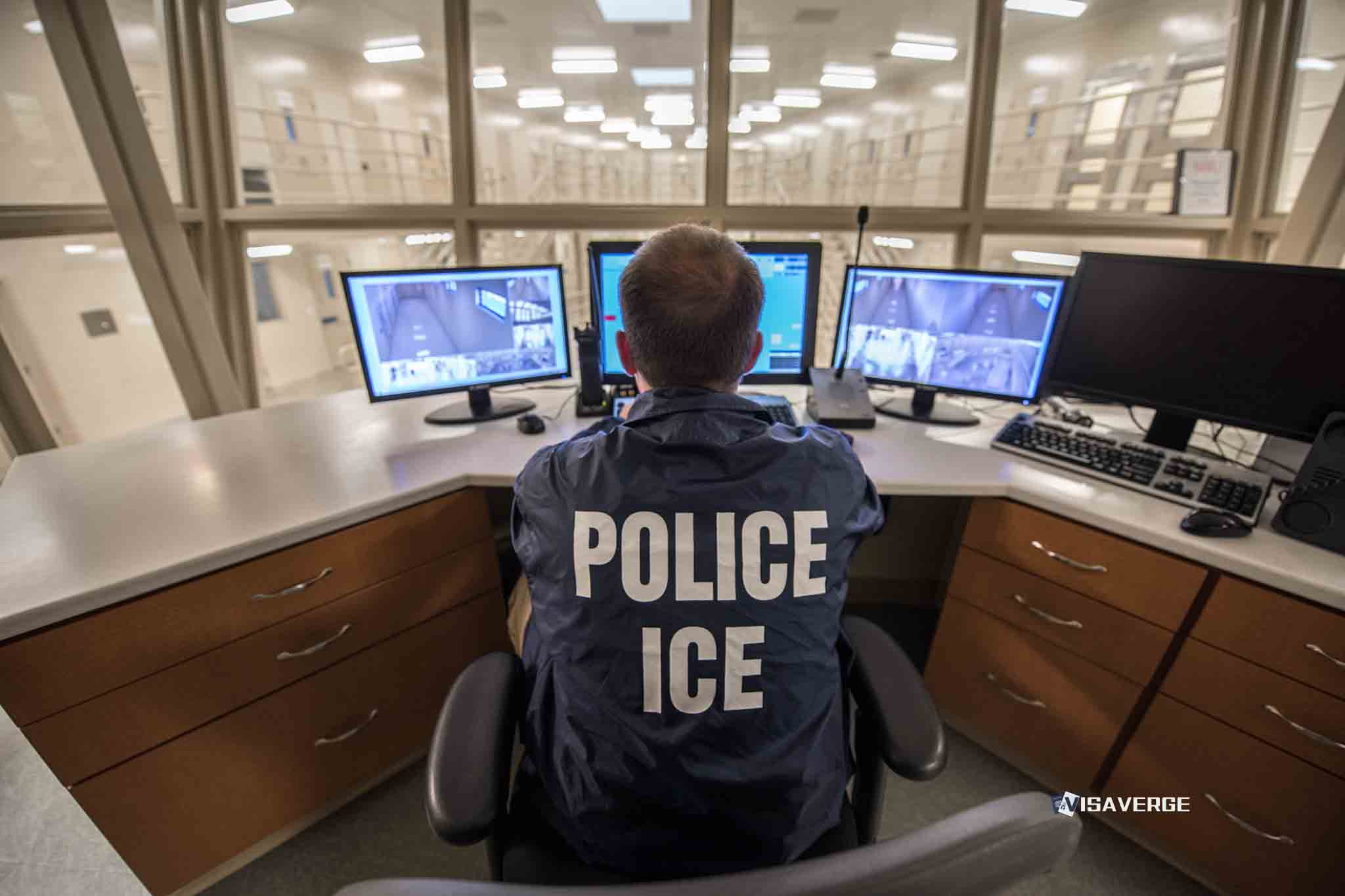
Inside the United States, DHS said it expanded enforcement capacity through staffing and detention.
ICE’s workforce was doubled, DHS said, a claim that the department paired with an assertion of increased detention space.
Detention capacity was expanded, DHS said, including construction of what it described as the largest migrant facility in U.S. history.
DHS also pointed to administrative screening tied to immigration-related benefits, saying over 206 million benefits eligibility checks were conducted to identify ineligible recipients.
The department presented those checks as a mechanism for finding ineligible recipients and tying eligibility decisions more closely to enforcement priorities.
DHS did not detail in the announcement which benefits programs were covered by the more than 206 million checks, or how many recipients were deemed ineligible, but it highlighted the scale of the screening effort.
The department’s focus on benefits eligibility checks, alongside detention expansion and an enlarged ICE workforce, underscored its message that enforcement is not limited to the border.
DHS also described a set of actions affecting visas and immigration status, tying them to fraud, criminal activity, and security concerns.
Over 100,000 visas were revoked for fraud, criminal activity, or security concerns, DHS said.
Immigrant visa processing was paused for 75 high-risk countries, DHS said, a move that it portrayed as part of its broader security and screening posture.
Temporary Protected Status was revoked for hundreds of thousands from countries including Somalia, Venezuela, and Haiti, DHS said.
DHS did not break out how many people were affected by country in its TPS statement, but it cast the revocations as part of a wider set of status and eligibility actions.
The department’s description of revocations and pauses suggested disruption for people who rely on visa validity and consular processing timelines, with DHS emphasizing security and fraud enforcement as the driver of those decisions.
DHS’s account did not provide a timeline for the visa revocations or the processing pause, beyond stating the actions as part of its enforcement message since the Trump Administration took office.
The department also raised an issue that has drawn sustained attention across administrations: unaccompanied children and the federal government’s ability to track outcomes after initial placement steps.
DHS said the administration located over 132,000 unaccompanied children reported missing under the prior administration.
The department did not describe in the announcement how it conducted the locating effort, but it presented the number as part of its broader claim that the administration tightened enforcement and accountability.
By including the unaccompanied children figure alongside its border and interior enforcement claims, DHS placed child tracking within the same enforcement narrative it used to describe removals, releases, and eligibility checks.
Taken together, DHS’s claims sought to depict an enforcement system operating on multiple fronts at once: departures from the country, restrictions on releases, physical infrastructure work, support from Guard and active-duty forces, fentanyl enforcement, increased ICE staffing and detention, and administrative actions affecting visas and TPS.
DHS did not provide additional supporting documentation in the announcement, but it asserted that the combined measures contributed to what it called the ‘most secure border’ in U.S. history and to nearly 3 million illegal immigrants leaving the United States since the Trump Administration began.
Homeland Security Claims Most Secure Border as Rio Grande Valley Nears Zero-Release
The Department of Homeland Security reports significant enforcement shifts, claiming nearly 3 million departures and a 99.9% reduction in interior releases. The strategy integrates increased ICE staffing, border wall construction, and strict visa revocations. While DHS cites these as historic security achievements, the figures include over 2 million self-deportations and significant policy changes like pausing visa processing for 75 high-risk nations and revoking TPS for several countries.