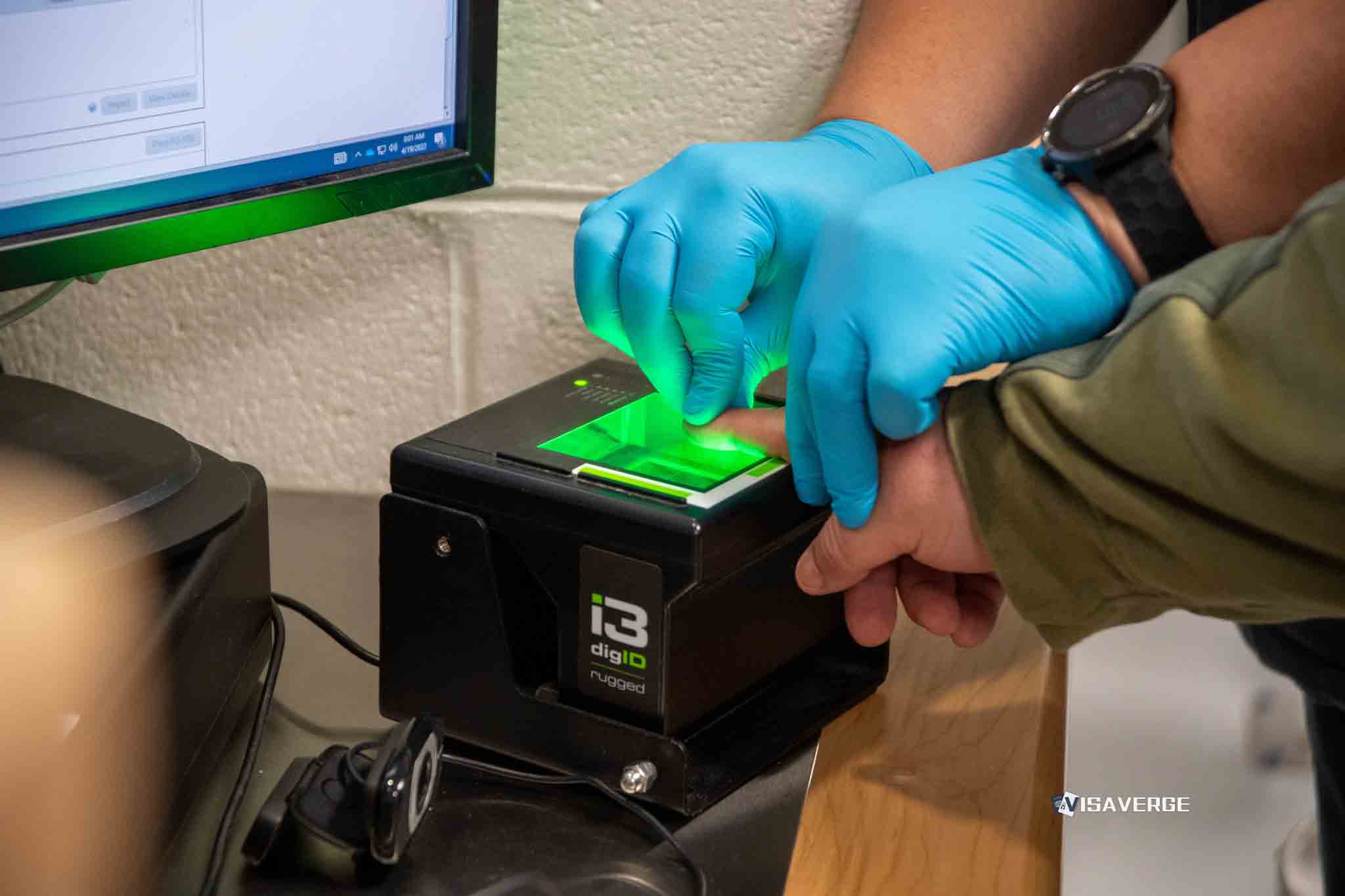
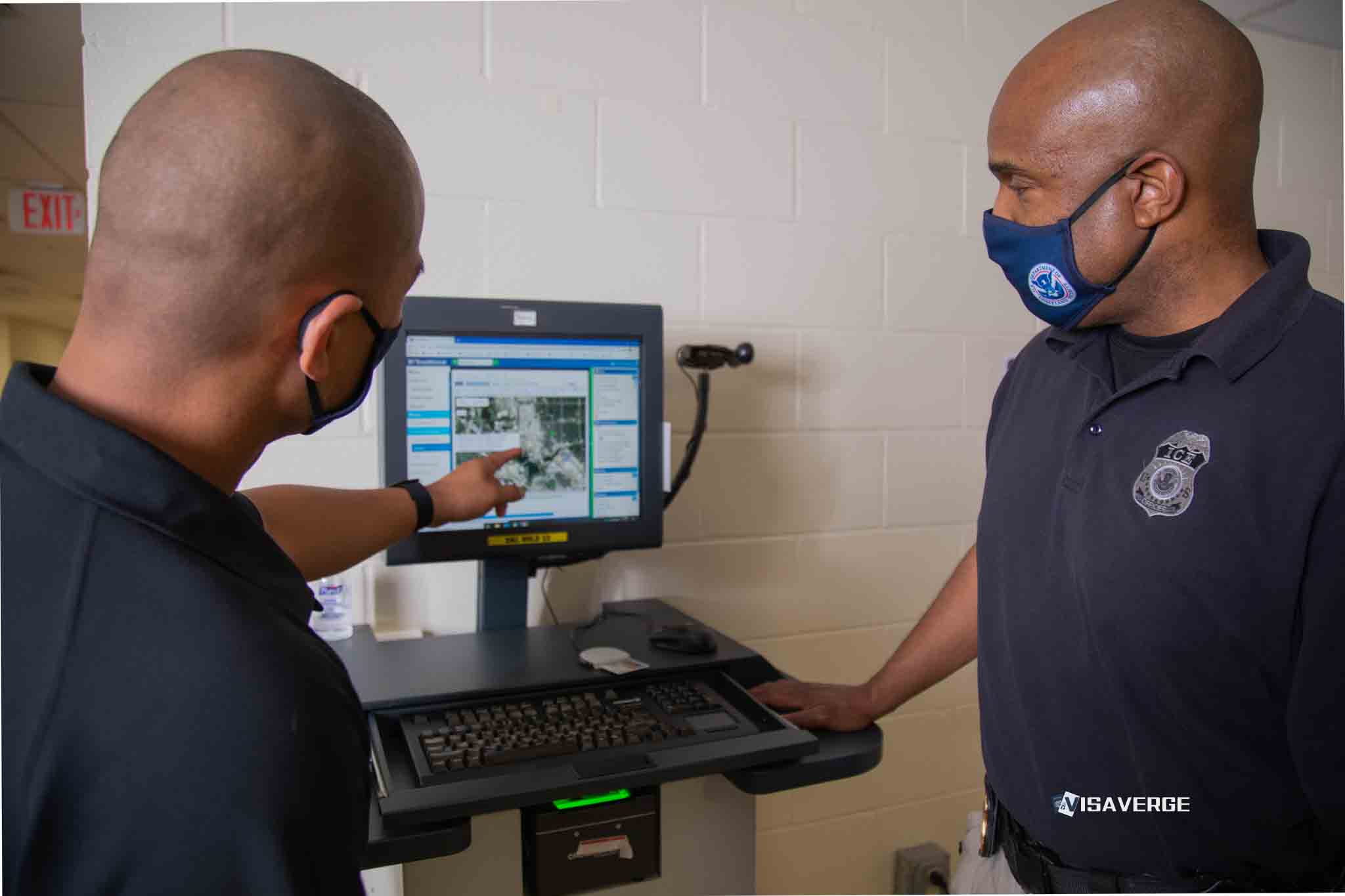
(FLORIDA) With the immigration detention population topping 56,000 people per day nationwide in mid-2025—a roughly 40% increase from June 2024—cases involving families held over visa mistakes have moved to the center of the policy fight. While there’s no publicly confirmed case file detailing a specific mom and child released this year after a visa error, the scenario mirrors what advocates say they’re seeing: families detained over overstays or paperwork problems, then navigating a tougher path to release under stepped-up enforcement by ICE.
Florida sits in that storm. The Krome North Service Processing Center, west of Miami, remains the state’s main ICE detention hub, and multiple reports describe it as running above capacity, with overcrowding and human rights concerns. For a mom and child in custody at Krome, even a minor visa issue can trigger detention while the government decides whether to start removal or to let the family address the error in court.
Policy backdrop and recent changes
The policy backdrop is decisive. In President Trump’s second term, the administration has pressed for faster deportations, expanded detention, and stiffer penalties that reach across categories, affecting children and asylum seekers. The “One Big Beautiful Bill Act” (OBBBA), signed on July 4, 2025, poured more money into enforcement and rolled back several protections and benefits that families once used to seek release or relief.
Free toolUSCIS Receipt Number DecoderKrome’s pressure points reflect national trends. ICE now detains many people with no criminal record. Families who entered legally but overstayed, or who made a mistake on a visa application or extension, can be taken into custody during:
– airport checks,
– traffic stops that trigger status queries, or
– follow-up home visits tied to earlier immigration contacts.
The result is a system where a mom and child with a fixable visa issue may still face detention first and review later.
Stricter detention climate in Florida
Under current practice, visa errors—overstays and document mistakes—often lead to custody pending removal proceedings or status checks. Advocates say the burden lands hard on parents who travel with children, especially when they don’t have a lawyer or a clear way to show they intend to comply with the law.
Detainees report that officers sometimes present “voluntary return” paperwork soon after intake. Without legal counsel, families may feel pressure to sign, which can mean a quick removal with no hearing before a judge.
Policy changes have also added financial risk. The administration has increased fines for unlawful border crossings to $5,000 per person. Though a visa error isn’t the same as an illegal entry, families with mixed facts at the border or airports can get caught up in overlapping rules and penalties.
Release remains possible but harder. Families may win freedom through:
– a bond hearing before an immigration judge,
– parole granted by ICE, or
– a case decision confirming a legal path to stay.
However, the administration has tightened criteria for parole and bond, which means more time in detention for people who would have been released a few years ago. Immigration courts are overwhelmed, and delays cut both ways: they can keep people locked up longer, but they can also produce releases when errors or humanitarian needs are recognized.
Important: For a detained mom and child, practical steps matter immediately and can change outcomes.
Immediate practical steps for detained families
- Ask for a lawyer and an interpreter in your preferred language.
- Request a bond hearing if eligible; keep copies of all documents.
- Avoid signing paperwork you don’t fully understand.
- Reach out to legal aid groups, including:
- National Immigration Law Center
- American Immigration Council
- American Bar Association’s Immigration Justice Project
According to analysis by VisaVerge.com, families who quickly secure counsel have better chances to correct visa mistakes and avoid rapid removal tied to paperwork signed under pressure. The site’s reporting also notes that confusion over “voluntary” returns is common and that early legal advice can change outcomes.
Krome and the path to release
Krome North Service Processing Center has become a symbol of Florida’s high-volume detention system. As caseloads grow, both ICE and immigration courts strain to process files, and backlogs mount. That stress creates uneven results:
- Some families win release when officers or judges confirm a paperwork error, a valid status extension, or a medical concern.
- Others remain detained while they wait for the next available hearing slot.
ICE and the Department of Homeland Security say they’re enforcing the law as written and updated, including the broader detention and removal rules now in place. Immigrant rights groups counter that conditions are harsh and that expanded detention for families and children crosses humanitarian lines.
On Capitol Hill and in federal courts, fights over expedited deportations and expanded detention are ongoing, with judges reviewing how far the government can go in limiting access to hearings.
Due process concerns and who is affected
Experts point to a familiar pattern with new force: expanding detention without strong legal safeguards tends to hit the most vulnerable—parents traveling with kids, people with limited English, and those without money for bond or lawyers. The use of detention for visa mistakes raises due process questions:
- Is detention necessary when a family’s file shows ties to the community and a fixable error?
- Should discretion be applied more often to allow fixes outside custody?
This moment didn’t arrive overnight. Since 2017, changes under the Trump administration have steadily widened detention and deportation. Policy toward families has swung between separation and family detention, drawing sharp criticism from human rights groups. Before the latest policy turn, officers often used more discretion with visa errors, allowing people to correct problems outside custody. Today, discretion still exists but appears less common, especially at busy facilities like Krome.
Community impact in Florida
Families, employers, and schools in Florida feel the ripple effects. A mom and child held over a missed I‑94 entry update, a lapsed student status, or a delayed work authorization extension can be pulled from daily life with little warning.
Consequences include:
– missed rent,
– lost paychecks, and
– school disruption.
Attorneys say that when releases do happen—by bond, parole, or a status fix—a stable plan for check-ins and court dates helps keep families outside detention while their cases continue.
For official detention information, facility lists, and agency policy pages, readers can consult the U.S. Immigration and Customs Enforcement website at https://www.ice.gov/detention-facilities.
Outlook and final advice
Florida’s immigration bar expects these pressures to continue. With OBBBA in effect and enforcement budgets rising, Krome North Service Processing Center is likely to see sustained high numbers. At the same time, legal challenges could force changes in how quickly the government removes families or how soon a judge must review a case.
Until then, the advice from advocates is simple and critical:
– Get a lawyer.
– Keep records.
– Don’t sign anything you don’t understand.
For a mom and child facing detention over a visa error, those early choices can shape everything that comes next.
Frequently Asked Questions
This Article in a Nutshell
Florida’s Krome detention reflects national enforcement shifts after OBBBA. Families face detention for visa mistakes, limited parole, and heavier fines; early legal counsel, bond requests, and avoiding signing documents can determine whether a mom and child remain detained or secure timely release while their cases proceed.