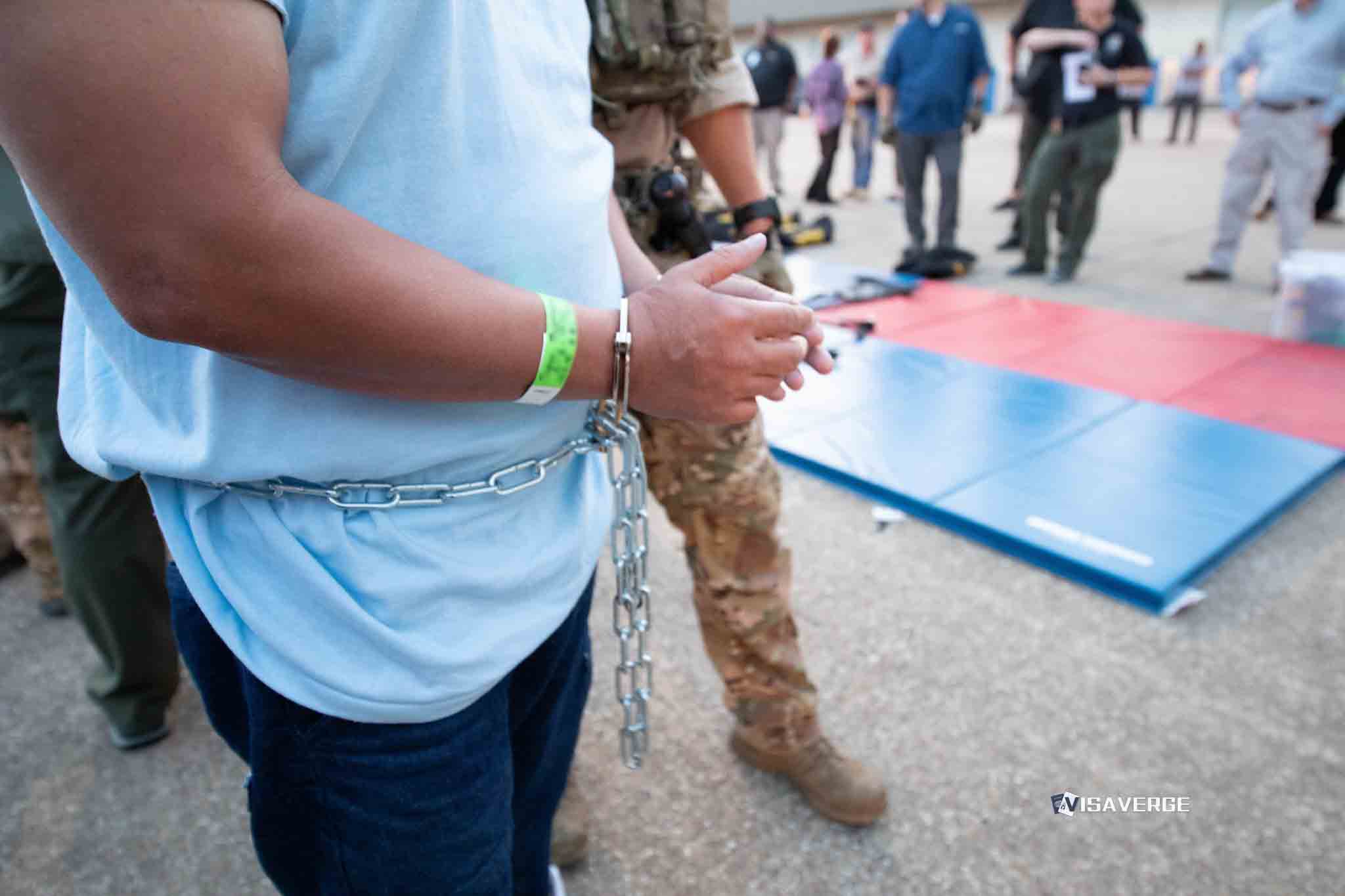
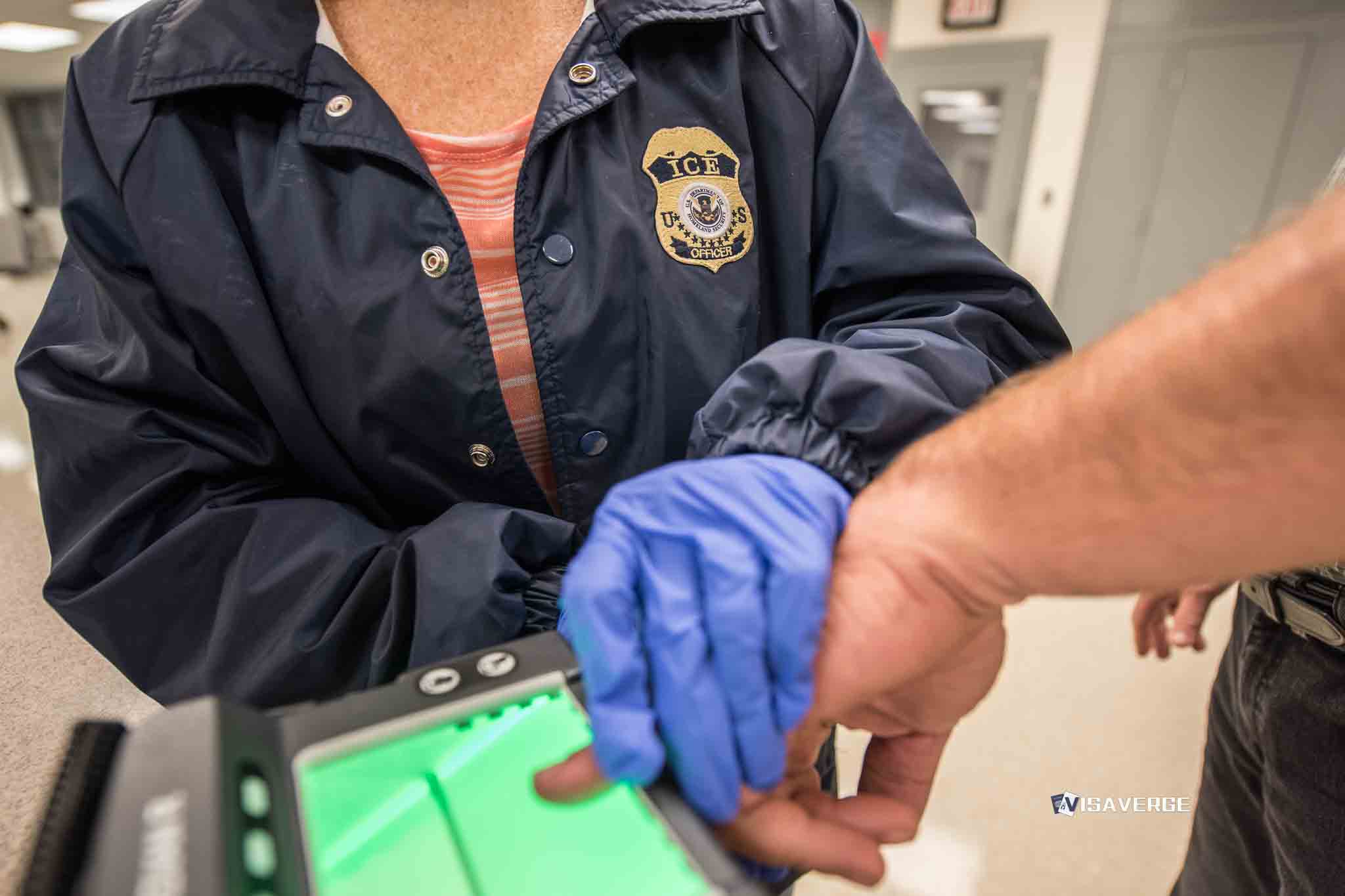
- The administration reports three million undocumented immigrants have departed since January twenty twenty-five.
- New executive orders restrict birthright citizenship and target birth tourism under recent Supreme Court rulings.
- Operation Highway Shield expanded interior enforcement to the Midwest, resulting in eight hundred removals.
The White House and the Department of Homeland Security said more than 3 million undocumented immigrants have left the United States since January 2025, combining formal removals with estimated voluntary departures. The administration is presenting the total as evidence of an expanding zero-tolerance enforcement campaign.
The figure includes approximately 605,000 to 675,000 people formally removed through Immigration and Customs Enforcement and Customs and Border Protection actions. Officials also estimate that 2.2 million people left voluntarily.
Free toolUSCIS Receipt Number Decoder
The categories are different. The administration counts both toward the same cumulative departure figure.
DHS Secretary Markwayne Mullin said on August 6 that the government had removed people accused or convicted of crimes including murder, sexual assault, drunk driving, burglary and drug trafficking. He said “80% of Americans support our commonsense efforts.”
“By removing these criminals, we are making America safe again. Under President Trump’s leadership, we are enforcing the law. Do NOT attempt to enter our nation illegally: we will find you, arrest you, and deport you.”
Mullin’s statement appeared in a DHS release describing the campaign. The department has framed its public messaging around gang members, including Surenos and MS-13, and people convicted of violent felonies.
A DHS spokesperson said August 4 that “Every day, ICE is deporting criminal illegal aliens who never should have been in our country in the first place.” The spokesperson added, “It’s common sense: when you deport criminals, our country becomes safer.”
The White House has also tied the claimed departures to border policy. In an August 6 fact sheet, it said the administration had recorded 15 consecutive months with “zero releases” of undocumented immigrants into the U.S. interior, attributing the result to “restoring operational control of the southern border.”
The administration counts removals and self-departures together
Officials attribute the voluntary departures to deterrence measures, including ending “catch-and-release” and expanding enforcement inside the country. The policy shift moves away from what the administration characterizes as a reactive system toward a proactive mass-deportation model.
That model uses artificial intelligence for tracking and relies on greater cooperation between federal, state and local authorities. The White House says the measures produced “negative net migration” in 2025, which it describes as the first such result in at least a half-century.
The ICE statistics page provides quarterly dashboards covering arrests and removals. The administration’s larger total includes people who did not leave through a formal deportation order.
New orders target citizenship claims and entry routes
President Donald Trump signed two executive orders on August 6 involving birthright citizenship and birth tourism. One order identifies categories of children born to non-citizens who, under the administration’s position, are not entitled to birthright citizenship.
The second directs the Department of Homeland Security and the State Department to halt “birth tourism” and deny entry to people seeking to use temporary admission to obtain citizenship for a child. The White House described the action in its Briefing Room fact sheet.
The administration is relying on the Supreme Court’s decision in Trump v. Barbara, issued June 30, 2026, to justify new restrictions on citizenship eligibility. The orders add a citizenship-related track to an enforcement campaign otherwise centered on removals and border entry.
Visa policy has widened as well. The administration highlighted a temporary suspension of visa processing for 75 countries as part of its broader strategy.
Highway operation expands enforcement beyond the border
A joint DHS and Department of Transportation effort called Operation Highway Shield recently removed 800 people described as “unqualified foreign drivers” and undocumented individuals from roads in the Midwest. The operation took place August 4.
The initiative shows how the campaign reaches transportation and employment settings away from the southern border. Officials have paired that expansion with interior enforcement and increased state and local cooperation.
DHS has emphasized public safety benefits. The department claims the removals are directly linked to an 18% drop in homicides during the first half of 2026.
The claim comes alongside economic costs identified in an August 2026 Brookings study. The study said the 2025 enforcement surge contributed to the loss of approximately 668,000 jobs nationwide, primarily in construction and food services, as employers faced sudden labor shortages.
Military families and legal protections face pressure
The enforcement campaign has also affected military families. Reports indicate that more than 50 spouses and parents of active-duty service members have been caught up in the crackdown.
Some members of Congress are pushing the Fairness to Freedom Act of 2026, which would provide legal counsel. The proposal reflects concerns about how enforcement proceedings affect families connected to active-duty personnel.
The administration continues to focus its public case on criminal removals. Its August statements described the targets as people who “never should have been in our country in the first place,” while its broader measures reach visa applicants, motorists, parents and children involved in citizenship claims.
The White House’s August 6 fact sheet and DHS’s August 6 enforcement release put the claimed milestone at the center of the campaign. The administration says enforcement will continue under President Trump’s direction.
This article provides general information and is not legal advice. Consult a qualified immigration attorney about your specific case.