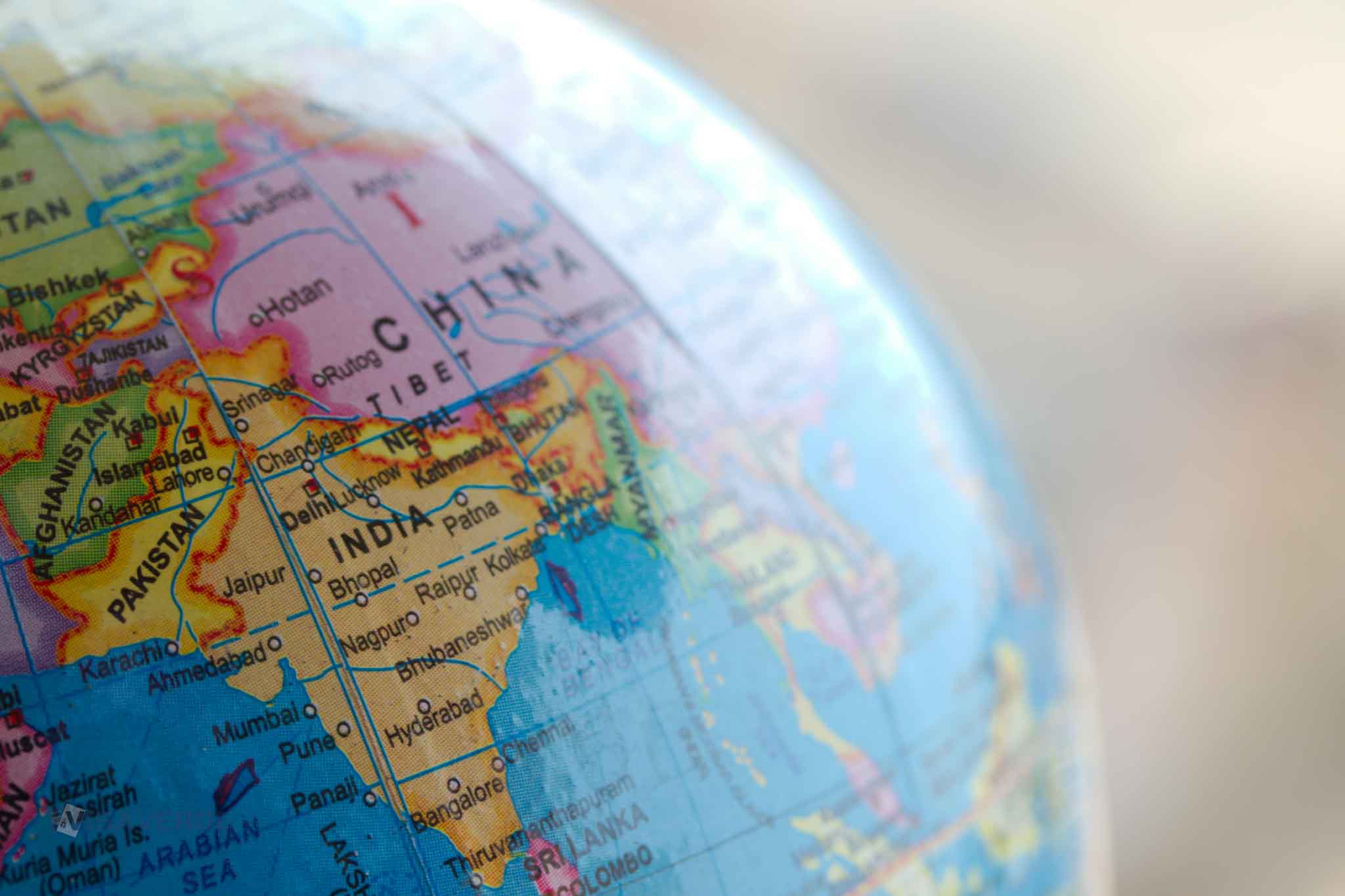
- A flash flood on the Nepal-Tibet border cut the Rasuwa/Gyirong crossing and disrupted a major Himalayan route.
- Nepal first reported 384 travelers unaccounted for, but later counts rose to 484 and then 579 as lists changed.
- Chinese authorities said 3 people died and 265 were missing in Gyirong County after the mudslide and flood.
A flash flood on the Nepal-Tibet border cut the Rasuwa/Gyirong crossing Wednesday, after a huge wall of mud and rock collapsed into a river on the Himalayan border and sent water across the Nepali side. Nepal said 384 travelers were unaccounted for, including 291 foreign nationals and 93 Nepali nationals. The count kept changing. The missing foreign travelers included more than 100 Indians, three U.S. citizens, and 12 British nationals.
Contact broke down fast. Bashu Kumar Adhikari, managing director of Touch Kailash Travels & Tours in Kathmandu, said his office had not reached most of the pilgrims by midafternoon.
Free toolB1/B2 Tourist Visa Stay Calculator online
“Except for a few, we have not been able to establish contact with the pilgrims as of 3pm.”
Counts shifted again by evening. Nepal's prime minister's office said 95 bodies had been recovered and were still unidentified, and it put the missing at 484 tourists, including 391 foreigners and 93 Nepalis. Nepal Tourism Board officials later gave a preliminary record of 384 travelers missing and said the list was still being verified. Another later board tally said 579 tourists were being traced, including 466 foreigners from 28 countries. One regional count put the foreign list at 133 from India, 47 from the United States, and 33 from the United Kingdom. The figures did not settle.
The Tibetan side also took a hit. Chinese authorities reported 3 dead and 265 missing in Gyirong County after a mudslide hit the crossing. They said they feared "major casualties." The list on that side was still moving too.
The flood tore through the Bhote Koshi River area and severed the Rasuwagadhi-Kerung, or Rasuwa-Gyirong, crossing, one of the main land links between Nepal and China. In Nepal, it destroyed houses, roads, and power projects. The route is remote. Rescue teams were left chasing names.
Tour groups were still being matched
The crossing serves pilgrims and trekkers headed for Mount Kailash and Lake Mansarovar in Tibet. Nepal's tourism ministry and board said many of the unaccounted-for passengers were on the Kailash Mansarovar Yatra. Ram Kumar Adhikari, manager of Alpine Eco Trek, said 12 British nationals on his company's tour were missing, and that two Irish nationals and four South African nationals on the excursion were also believed missing. The lists stayed open.
Clemens V. L. B. of the International Centre for Integrated Mountain Development offered a possible trigger.
“We believe a rock-ice avalanche occurred in Nepal, blocking the Lhende river and causing the cascading flood event.”
He said a blocked river could have driven the surge. That was his view.
Hotlines stayed open as the search continued
Help lines went out Wednesday.
| Agency | Numbers |
|---|---|
| Nepal Tourism Board | toll-free number 1234, hotline 1144, tourist police number 9851289445 |
| Indian Embassy in Kathmandu | +977 985 131 6807, +977 970 910 7500 |
South Korea's foreign ministry said 8 South Korean citizens were “unreachable” after the flood. Officials, tour operators, and rescue teams were still comparing manifests with company lists as the day ended. The search was still active.