- A system glitch at Fukuoka Control canceled 200 flights at Haneda Airport, disrupting travel for 30,000 passengers nationwide.
- The technical failure blocked flight plan transmissions, causing Japan Airlines and ANA to scrub numerous domestic routes.
- Aviation officials ruled out cyberattacks, attributing the morning disruption to an internal malfunction that has sparked a formal investigation.
(TOKYO, JAPAN) — Japan’s air traffic control system suffered a glitch on April 21 that disrupted operations at Tokyo’s Haneda Airport, triggering approximately 200 flight cancellations and affecting around 30,000 people.
The malfunction struck at around 7:15 a.m. in a system at the Fukuoka Area Control Center in southwestern Japan. It blocked transmissions of Haneda flight plans to other airports across the country, cutting into a core part of domestic traffic management early in the day.

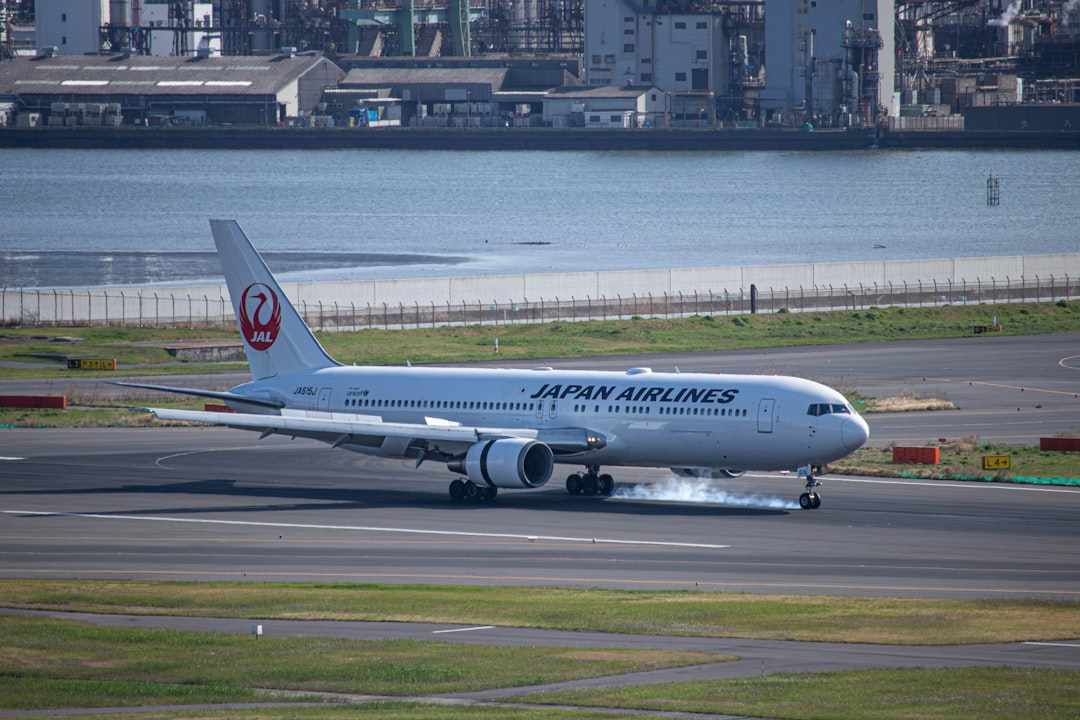
Airlines began scrubbing flights as the disruption spread. Japan Airlines canceled 179 domestic flights by 3 p.m., mainly on Haneda routes, while All Nippon Airways canceled 30 flights.
By 10 a.m., the two carriers had canceled a combined 83 flights, affecting about 14,000 people. That count later climbed as aircraft rotations slipped and airport operations absorbed the earlier breakdown.
Haneda Airport is Japan’s busiest airport, and trouble there can ripple quickly through the domestic network. The problem emerged far from Tokyo, at the Fukuoka Area Control Center, but the effect was national because Haneda flight plans could not be sent onward to airports that needed them to keep traffic moving.
That left airlines, airports and controllers dealing with more than a local outage. Delays and cancellations spread across multiple airports nationwide as the morning schedule tightened and aircraft fell out of position.
Officials restored the system around 10:50 a.m. by switching to a backup system. The primary system itself came back within 15 minutes of the initial failure, but the interruption had already set off broader disruption that outlasted the technical repair.
Operations in aviation rarely resume at full pace the moment a system returns. Aircraft and crews already assigned to one departure can miss later sectors, and a breakdown at a major hub such as Haneda can leave airports elsewhere waiting for planes, slots and revised schedules.
The Ministry of Land, Infrastructure, Transport and Tourism identified an internal system failure as the cause, not a cyberattack. The ministry launched an investigation into the root cause.
That finding narrowed the immediate focus to the control system itself rather than an external intrusion. It also shifted attention to resilience measures inside the network, including how quickly backup functions can take over and how much disruption follows even after a primary system returns.
The timing made the impact especially visible. A failure shortly after 7:15 a.m. hit during the first busy wave of domestic departures, when airlines rely on tight turnarounds at Haneda and airports across Japan depend on steady information flows from the control system.
Once the Fukuoka Area Control Center stopped transmitting Haneda flight plans, carriers faced a bottleneck that reached beyond the airport’s own runways. Flights bound for or departing from Tokyo sit at the center of many daily domestic schedules, so delays in one place can quickly crowd gates, force reassignments and turn short interruptions into all-day operational problems.
Japan Airlines bore the heavier share of the cancellations by midafternoon, with its 179 domestic flights concentrated mainly on services touching Haneda. All Nippon Airways’ 30 canceled flights added to the toll, pushing the combined total close to the approximately 200 cancellations reported for the day.
Passenger disruption moved on a similar curve. Around 14,000 people had already been affected by 10 a.m., and the full-day estimate reached around 30,000 as more flights were canceled and delays continued to build after the system returned.
The episode also showed how a failure inside one control center can produce a wider operational chain reaction. The Fukuoka Area Control Center is in southwestern Japan, but the glitch there interrupted communications needed to move Haneda flights through airports nationwide, extending the effect well beyond the site of the malfunction.
Backup systems limited the outage’s duration, yet they did not prevent the knock-on effects. Even with the primary system restored within 15 minutes and broader operations brought back around 10:50 a.m., airlines still had to recover aircraft positions, adjust crew assignments and absorb delays that had already spread through the domestic network.
Investigators now face a narrower, technical question: what inside the system failed and why. Passengers saw the practical result in the form of flight cancellations, delayed departures and a day of disrupted travel centered on Haneda Airport but traced back to the Fukuoka Area Control Center.