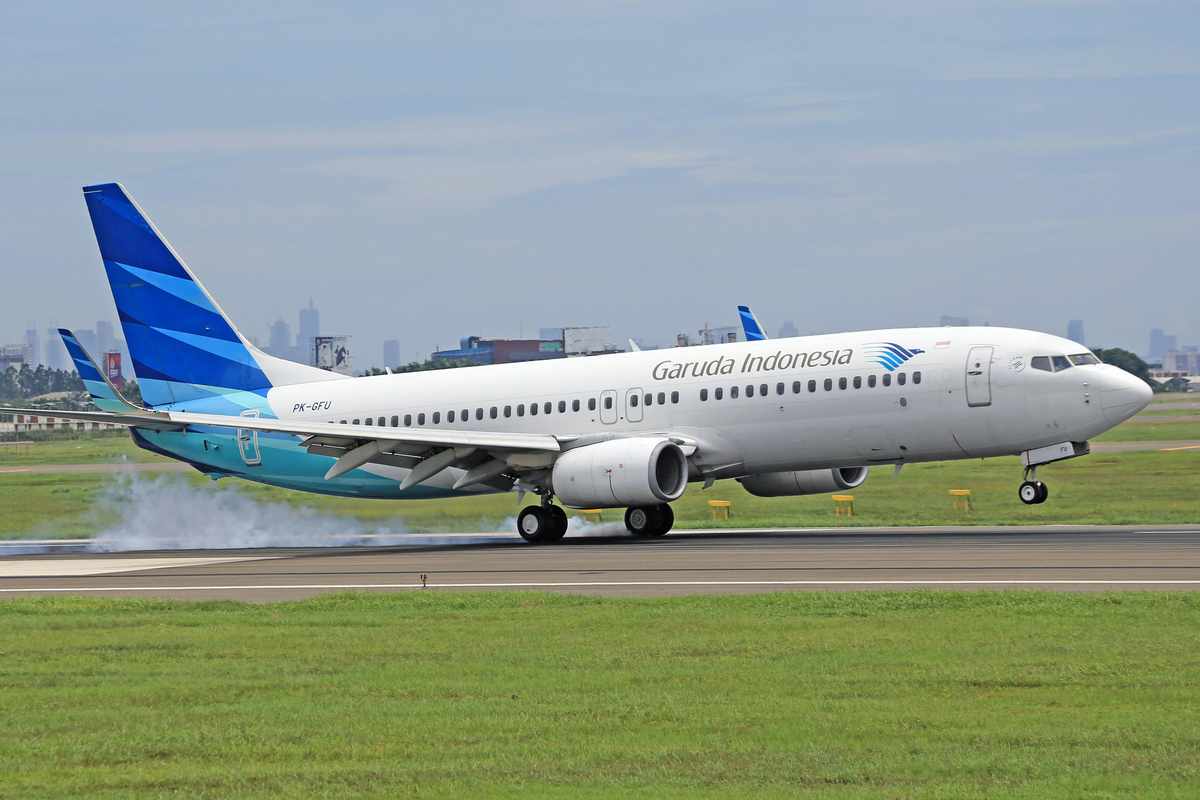
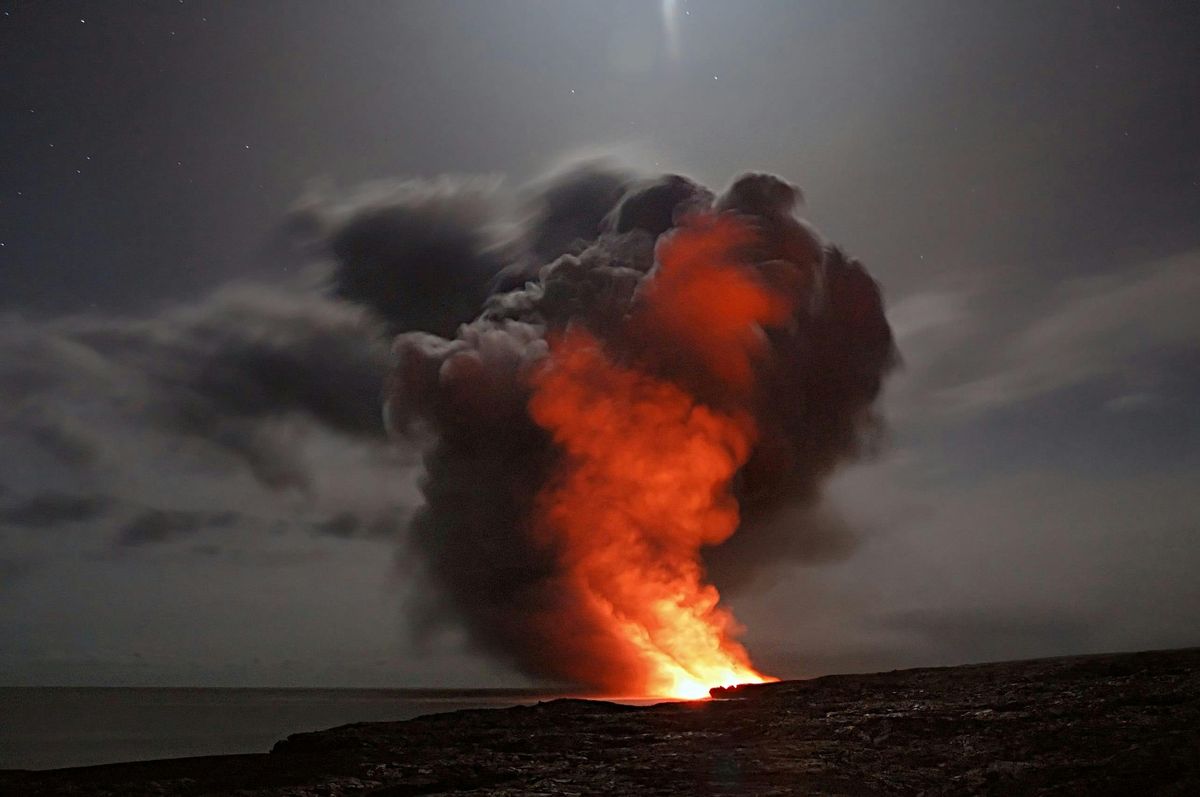
- Indonesia closed eight airports after Mount Anak Krakatau spread volcanic ash across western airspace.
- Authorities said 170,000 passengers were stranded and 1,558 flights were canceled, delayed, or diverted.
- Soekarno-Hatta International Airport saw more than 900 affected flights as shutdowns extended into Monday.
Indonesia closed eight airports after an eruption of Mount Anak Krakatau spread ash across western airspace, stranding about 170,000 passengers and disrupting 1,558 flights. The closures began Sunday, 6 September 2026, as authorities repeatedly halted operations in response to changing conditions.
The disruption centered on Jakarta’s Soekarno-Hatta International Airport. Ash reached nearby airspace, and more than 900 flights to and from the hub were affected. One tally put the airport’s share at 963 flights.
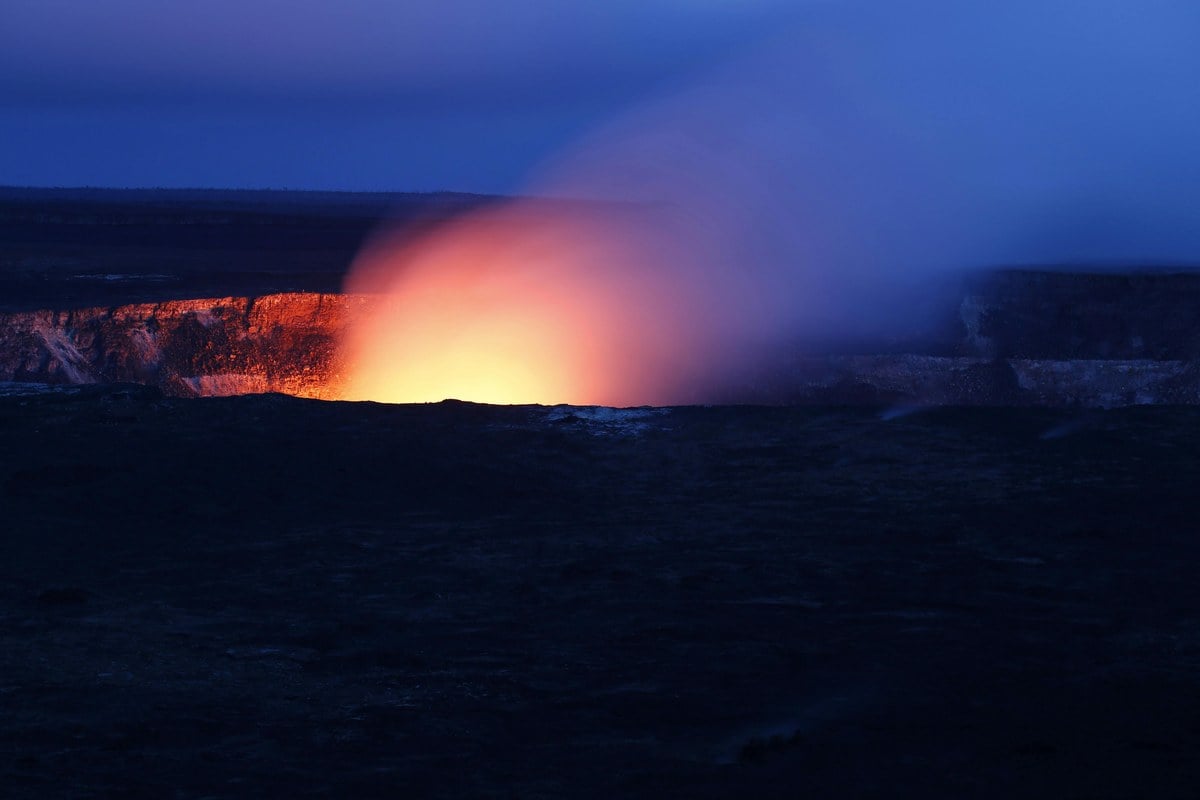
Terminals filled as airlines handled refunds and rebooking. International services involving Singapore, Doha, Sydney, and Kuala Lumpur were among those hit, while domestic connections to Bali also faced disruption.
Transport Minister Dudy Purwagandhi said authorities could not set a reliable end time.
“We cannot ascertain when this will end due to the dynamic weather.”
Lukman F. Laisa, the Ministry of Transportation director general of civil aviation, said safety guided the operational decisions. “Safety remains our top priority in every operational decision,” he said.
The ministry said its 1,558-flight figure was cumulative. It covered flights “canceled, delayed, or diverted” since 5 September 2026.
Ash spread forced closures far beyond the volcano
The eight airports named by authorities were Soekarno-Hatta, Halim Perdanakusuma, Radin Inten II, Husein Sastranegara, Pondok Cabe, Budiarto, Taufiq Kiemas, and Atung Bungsu. The closures reached airports serving Jakarta and surrounding provinces rather than remaining near the eruption site.
Ash reportedly climbed as high as 20,000 feet on the Java side and 50,000 feet over the Sumatra side. Tests showed the material had moved toward West Java, prompting officials to expand the shutdown.
The airport’s initial suspension ran until 11:59 p.m. on 6 September 2026. Another notice extended a shutdown several times, with the latest end time set at 5:30 p.m. local time on Sunday “due to increased eruptive activity.” A government update later kept the wider closure in place until 09:00 local time on Monday.
International routes and crowded terminals amplified the disruption
Airlines faced a mixture of canceled, delayed, and diverted services. The early disruption directly affected more than 22,000 passengers and 209 flights, including major services to and from Singapore.
| Disruption point | Reported effect |
|---|---|
| Jakarta hub | More than 900 affected flights; one tally counted 963 |
| International routes | Singapore, Doha, Sydney, and Kuala Lumpur |
| Domestic network | Connections to Bali disrupted |
| Passenger handling | Crowded terminals, refunds, and rebooking |
The figures changed as the shutdown widened and authorities combined airport-level counts. A later government tally cited more than 2,961 flights and around 341,000 travelers across all shuttered airports.
Authorities ruled out a tsunami but prepared alternate landing sites
Officials said the eruption carried no tsunami warning. No casualties were reported, and authorities issued no evacuation order.
Air traffic planners prepared alternative landing airports in Semarang, Surabaya, and other cities. The rerouting plans reflected the ash’s movement into airspace near Jakarta and across western Indonesia.
Schools in Jakarta moved classes online as the ash spread. Fishing activity also suffered in some areas.
The transport ministry’s national count remained tied to conditions that officials described as fluid. Airlines continued managing disrupted passengers while authorities monitored the ash and weather before setting further operating decisions.