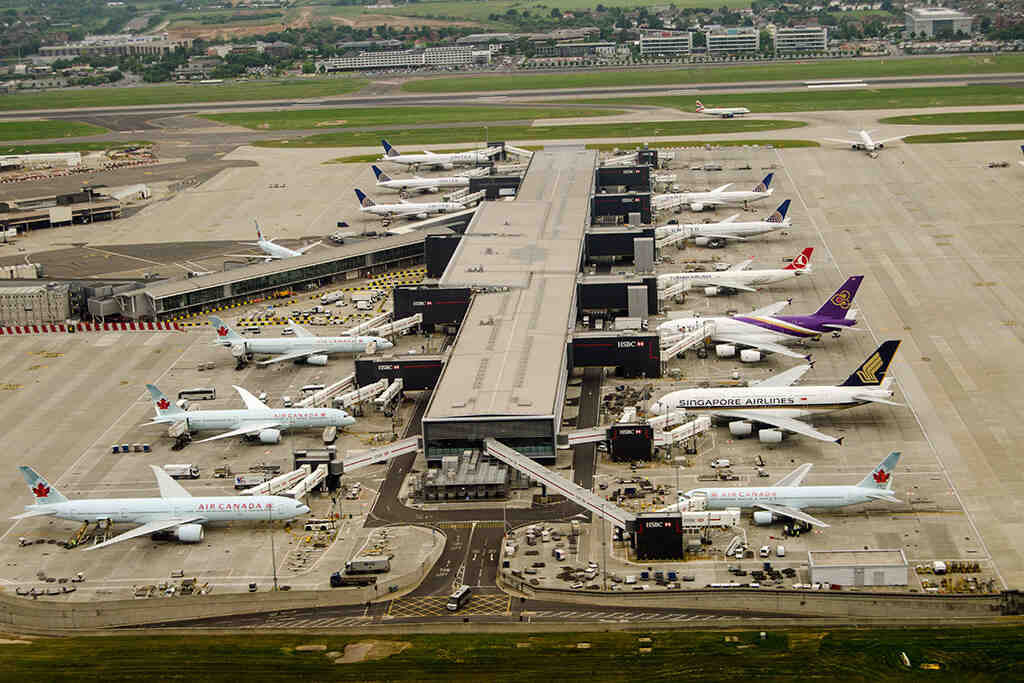
- Mount Etna’s eruption on August 7, 2026, suspended all arrivals at Catania Airport, causing significant summer travel delays.
- Ash plumes reached seven thousand three hundred metres, forcing flight diversions to Palermo, Trapani, Comiso, and Rome.
- Flight operations resumed by August 9 after aviation authorities downgraded the volcanic activity alert from red to orange.
On Friday, August 7, 2026, an eruption from Mount Etna forced authorities to suspend arrivals at Catania’s Vincenzo Bellini Airport, stranding holidaymakers and diverting incoming flights across Sicily. The airport was operating normally again by Sunday, August 9, after aviation authorities lowered the alert from red to orange.
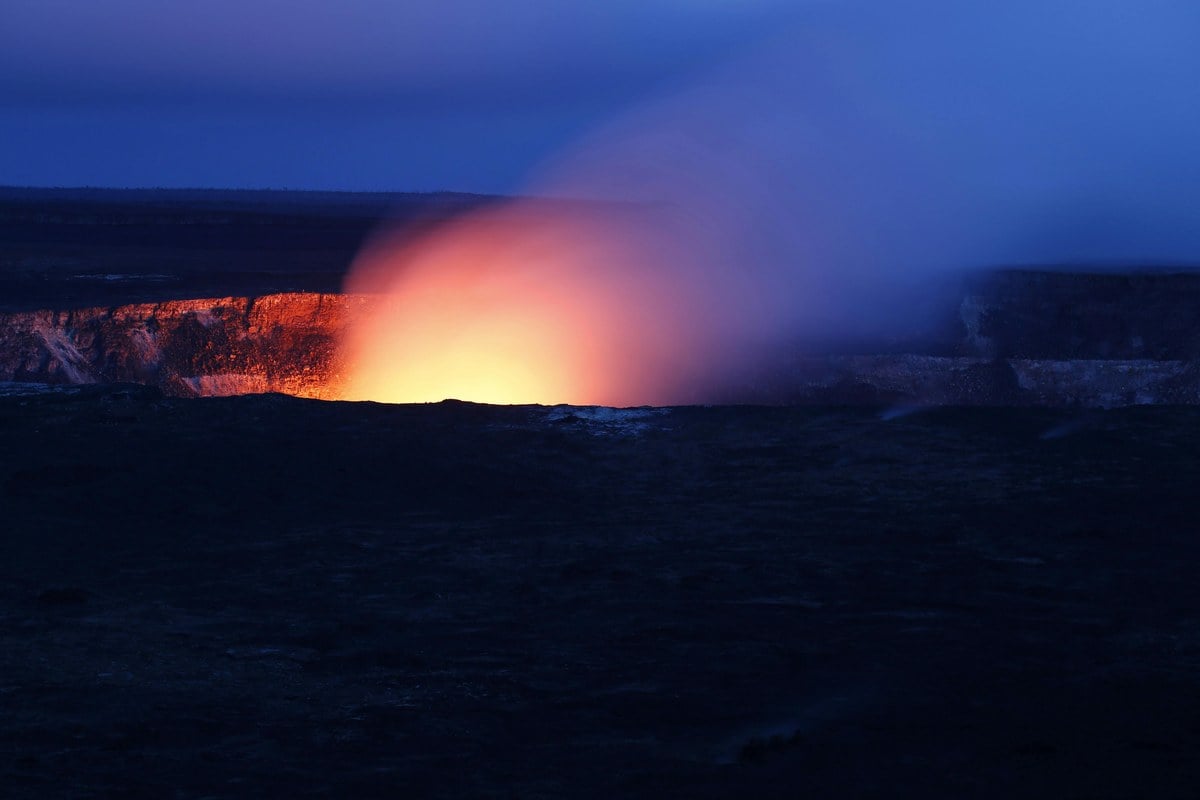
The disruption began when ash from activity at the Voragine crater entered the airspace south of the volcano. A fresh fissure opened along the Valle del Leone at about 2,750 metres, while dark plumes rose as high as 7,300 metres.
Free toolB1/B2 Tourist Visa Stay Calculator online
Catania lies only 30 kilometres south of the summit. Airlines redirected some inbound flights to Palermo, Trapani, Comiso and Rome. Some aircraft already on the ground continued departing during parts of the closure, but other outbound journeys stalled because replacement aircraft were unavailable.
The airport operator SAC warned passengers to check directly with their airline before travelling to the terminal. The warning came as thousands of travelers faced crowded terminals, cancelled or diverted flights, and limited alternatives during the summer holiday peak.
SAC said the closure followed the shutdown of airspace known as Sector C1, which covers the ash cloud. Its notice stated:
“Due to Etna's eruptive activity and the associated release of volcanic ash into the atmosphere, the airspace corresponding to the cloud (Sector C1) has been closed. All arriving flights at Catania Airport are suspended until 12:00 local time.”
The initial suspension later extended to 21:00. Departures of aircraft already at the airport continued normally during one phase of the disruption, according to subsequent airport updates. Operations therefore changed several times as aviation officials assessed the plume and the condition of the approach paths.
Ash closed the approach routes while airlines moved incoming aircraft
The eruption centered on the Voragine crater before a new opening appeared along the Valle del Leone. Ashfall reached Adrano, Ragalna, Piano Vetore and Nicolosi, communities around the volcano.
Aviation advisories said ash emissions remained active and drifted southward. One advisory placed the plume at 7,300 metres, while another estimate put it between 4,600 metres (15,000 feet) and 7,300 metres (24,000 feet).
| Disruption point | Reported effect |
|---|---|
| Sector C1 | Closed to incoming flights because of the ash cloud |
| Catania arrivals | Suspended first until 12:00 local time, then extended until 21:00 |
| Diversion airports | Palermo, Trapani, Comiso and Rome |
| Departures | Some aircraft already on the ground continued operating |
| Travel period | August 7-8, during the peak summer holiday season |
The airport handled approximately 12 million passengers in 2024, making the interruption particularly disruptive for eastern Sicily. At least two morning flights from Malta, operated by KM Malta and Ryanair, were diverted or cancelled on August 8.
The aviation closure was linked to a red Volcano Observatory Notice for Aviation. One aviation advisory recorded the eruption’s start at 20:20 UTC on August 6, with ash production continuing into August 7.
Rail services and volunteers carried part of the diverted demand
Civil protection volunteers moved into regional terminals to help stranded passengers with information and assistance. Some passengers described exasperation over small food vouchers and the limited availability of rental cars.
Trenitalia added emergency services through Messina and Palermo. The extra trains supplied hundreds of seats for holidaymakers who could no longer rely on their original flights.
The road and rail alternatives could not fully replace the cancelled air connections. Passengers whose flights diverted to another airport still faced onward travel across Sicily, while airlines had to reposition aircraft before restoring schedules.
Several passengers waited in overcrowded terminals. The combination of diversions, grounded outbound trips and scarce rental cars extended the disruption beyond the airport’s arrival closure itself.
Operations resumed after the alert fell from red to orange
Flight operations began returning late Saturday, August 8. Authorities authorized the restart after reducing the volcanic activity alert from red to orange.
“Following the downgrade of the volcanic activity alert level from RED to ORANGE, the resumption of flight operations has been authorized with immediate effect.”
By August 9, all airspace had reopened and arrivals and departures had resumed. Extra flights were scheduled overnight to clear passengers caught in the backlog.
The airport’s return to normal did not erase individual disruptions. Travelers still needed to confirm whether their own flight had moved, been cancelled or been assigned to a different airport.
Scientists continue watching the summit activity
The National Institute of Geophysics and Volcanology continued monitoring the Voragine crater after the most intense lava fountaining subsided. Strombolian activity remained ongoing at the summit craters.
The Etneo Observatory reported that a lava overflow began from the North crater area at approximately 22:45 UTC on August 7, producing a flow into the Sciara del Fuoco. Volcanic tremor remained localized at the Voragine crater at approximately 3,000 metres.
Etna stands at 3,324 metres (10,905 feet) and is Europe’s tallest and most active volcano. Its July 2026 paroxysms also caused multiple airport closures, adding a recent pattern to the latest interruption.
Catania Mayor Enrico Trantino called for resilient infrastructure as the volcano’s summer activity continued. The immediate travel priority remains flight confirmation, especially for passengers whose aircraft or airport changed during the August 7-8 closure.