India’s aviation authorities have escalated the Air India turbulence case into a “serious incident” probe, with the Aircraft Accident Investigation Bureau (AAIB) now handling the investigation. The captain’s initial psychoactive-substance screening was “non-negative”, prompting confirmatory testing and removing both pilots from flying duty pending the outcome.
- The Ministry of Civil Aviation said on Sunday, August 10, 2026 that the pilot-in-command’s initial screening “indicated a result requiring confirmatory testing,” and that samples were sent to a designated laboratory, with the final report still awaited.
- Reuters reported on Tuesday, August 11, 2026 that the captain’s confirmatory drug test was positive for marijuana, citing a source familiar with the matter.
- Reuters said the DGCA had taken both crew members off roster pending the probe, and that the incident was formally classified as a “serious incident” and assigned to the AAIB.
- The flight was identified as Air India AI2379 from Phuket to Delhi, and the latest coverage says it lost about 300 feet in altitude during severe turbulence, injuring 17 people: 13 passengers and 4 crew members.
Air India has begun mandatory dope testing for all pilots after a captain on the Phuket-Delhi route reportedly tested positive for marijuana in a confirmatory test. The incident has also prompted the Indian government to ask the DGCA to review the pilot dope-test framework, while both pilots on the flight have been taken off flying duty pending investigation.
- A report quoted in The New Indian Express said, “The Pilot in Command has tested positive in the second dope test too with marijuana found in the samples taken from his body.”
- Air India’s drug screening now covers all group pilots, with testing conducted during training at the Gurugram Academy and at flight briefing centres and offices.
- The Indian government has asked the DGCA to review the dope-test framework for pilots after the positive marijuana result.
- Recent reporting says the pilot’s initial screening was “not-negative” before confirmatory analysis later returned a positive result.
1 earlier update
India’s aviation authorities have escalated the Air India turbulence case into a “serious incident” probe, with the Aircraft Accident Investigation Bureau (AAIB) now handling the investigation. The captain’s initial psychoactive-substance screening was “non-negative”, prompting confirmatory testing and removing both pilots from flying duty pending the outcome.
- The Ministry of Civil Aviation said on Sunday, August 10, 2026 that the pilot-in-command’s initial screening “indicated a result requiring confirmatory testing,” and that samples were sent to a designated laboratory, with the final report still awaited.
- Reuters reported on Tuesday, August 11, 2026 that the captain’s confirmatory drug test was positive for marijuana, citing a source familiar with the matter.
- Reuters said the DGCA had taken both crew members off roster pending the probe, and that the incident was formally classified as a “serious incident” and assigned to the AAIB.
- The flight was identified as Air India AI2379 from Phuket to Delhi, and the latest coverage says it lost about 300 feet in altitude during severe turbulence, injuring 17 people: 13 passengers and 4 crew members.
- Air India pilot faces confirmatory drug testing following a serious mid-air turbulence incident.
- The Phuket-to-Delhi flight lost three hundred feet, injuring seventeen people on August fourth, twenty twenty-six.
- Investigators are analyzing flight recorders to determine the cause of the sudden altitude loss.
The Ministry of Civil Aviation said the pilot-in-command of Air India flight AI2379 must undergo confirmatory drug testing after an initial screen produced a result requiring further analysis. The Directorate General of Civil Aviation has removed both cockpit crew members from the roster while investigators examine the flight, which the ministry classified as a serious incident.
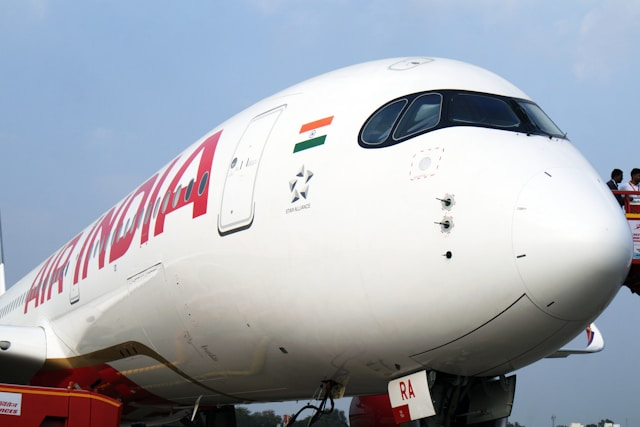
The Phuket-to-Delhi Airbus A320 lost about 300 feet during cruise on August 4, 2026, injuring 17 people. The aircraft, registered VT-EXO, carried 137 passengers, including 3 infants, and 8 crew members.
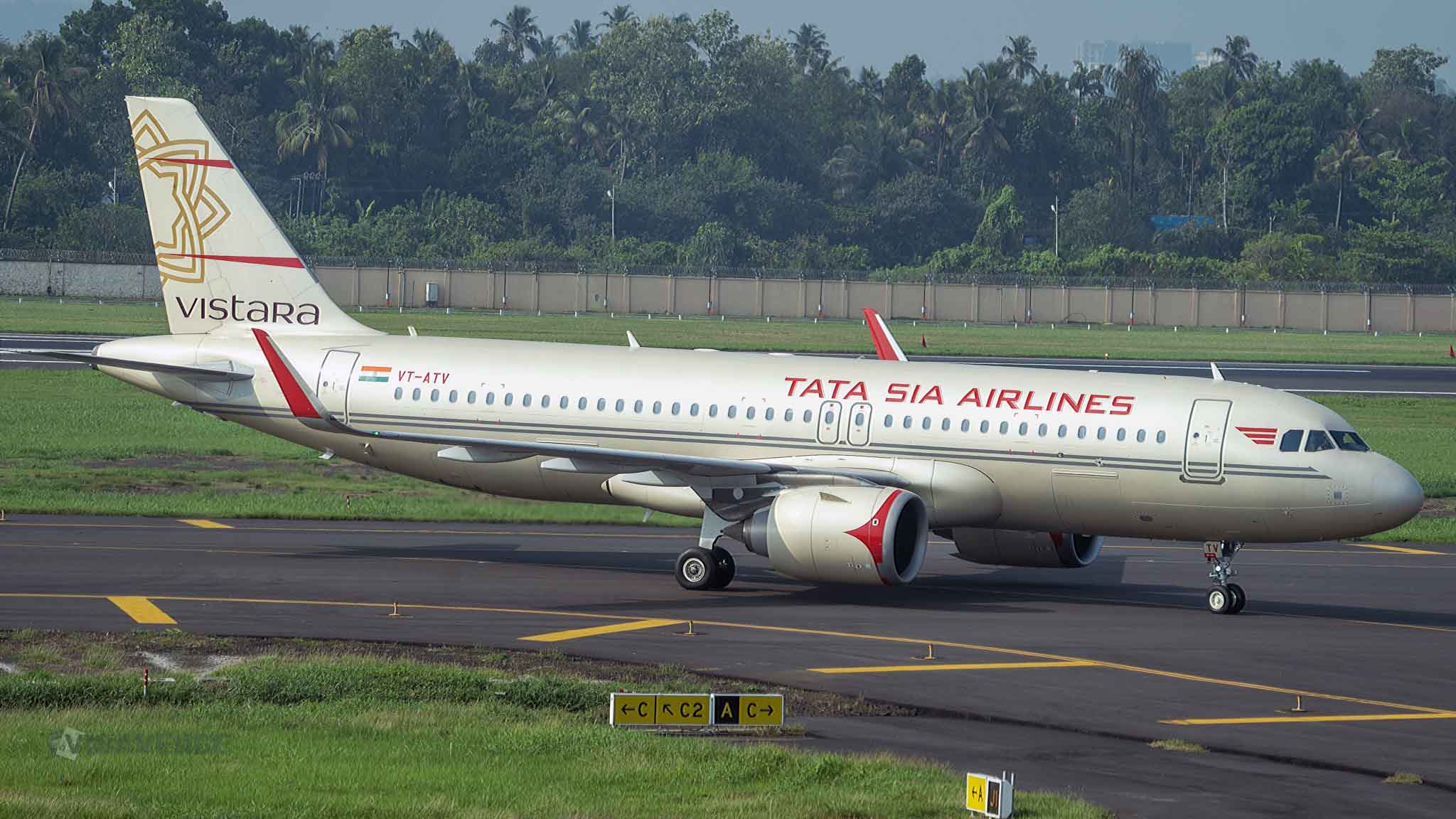
The ministry said the pilot’s sample went to a designated laboratory for confirmatory analysis. The final report is awaited.
The airline said it has not received the post-flight screening results and cannot comment on findings that have not been shared with it. It also said crew members undergo regular drug testing under civil aviation regulations, separately from any individual flight or operational incident.
Civil Aviation Minister K Rammohan Naidu said the turbulence lasted four to five minutes and that some crew members suffered spinal and neck injuries. He praised their response during the flight to Delhi.
“The plane had to travel for one more hour and even through that hour, the crew members provided all the assistance required.”
Captain CS Randhawa, president of the Federation of Indian Pilots, urged caution. He said no positive result had been confirmed and that it would be premature to claim one without proof. He also said the airline would have informed regulators if the result had been positive.
The safety inquiry is proceeding alongside the laboratory analysis. The Aircraft Accident Investigation Bureau is involved with the regulator in examining what caused the altitude loss and whether weather or another factor played a role.
The flight injured 13 passengers and four cabin crew members
Authorities secured the aircraft’s flight and cockpit recordings for examination. The altitude loss reportedly occurred while the plane was over Odisha during the cruise phase.
The injury figures were reported as follows:
| Category | Reported figure | Outcome described by authorities |
|---|---|---|
| Passengers injured | 13 | Eight admitted for medical evaluation and treatment |
| Cabin crew injured | 4 | All four admitted for medical evaluation and treatment |
| Total injured | 17 | Conditions of hospitalized people described as stable |
The ministry said eight passengers and four cabin crew members received medical evaluation and treatment after landing in Delhi. Separate reports put the number hospitalized at 12 to 13, with those injured described as stable.
Passengers reported being thrown against the cabin ceiling. Baggage was scattered through the aisles, and some people were taken from the aircraft on stretchers. One passenger submitted a complaint through the AirSewa portal on August 7, describing physical and psychological distress after what the complaint called a “horror flight.”
The aircraft remained in the regulator’s custody with its recorded data. Investigators are assessing the aircraft’s movements, cockpit activity and surrounding conditions.
A confirmed first offense would trigger rehabilitation, not an immediate license cancellation
A screening result requiring confirmation does not by itself establish that a prohibited substance was present. Unconfirmed reports have mentioned marijuana, but no positive result has been established.
A non-negative screening result requires immediate removal from duty under the applicable process. The confirmatory analysis must determine whether the initial result is upheld.
| Regulatory stage | Action described in the rules |
|---|---|
| Initial non-negative screening | Immediate removal from duty |
| First confirmed offense | Referral to a rehabilitation and de-addiction program |
| Second offense | Three-year license suspension |
| Third offense | Permanent cancellation |
A non-negative result can also arise from legitimate medications or therapeutic treatments, aviation specialists have said. That is one reason the laboratory stage remains separate from the initial screen.
The samples were sent to a certified laboratory for spectral analysis. The testing may involve urine and potentially hair or blood samples. The final laboratory report remains pending as of August 9, 2026.
Both pilots remain off roster while the drug test and safety investigation continue. The two processes address different questions: the laboratory must assess the screening result, while investigators must establish why the aircraft suddenly lost altitude.
Recorders and crew actions form part of the separate safety inquiry
The Flight Data Recorder and Cockpit Voice Recorder were secured after the aircraft landed. Their examination will help authorities review the aircraft’s flight data and cockpit communications during the event.
The minister said the plane continued for another hour after the turbulence. Some crew members sustained spinal and neck injuries while assisting passengers during that period.
The turbulence was described as severe and lasted four to five minutes. The official classification as a serious incident places the altitude loss and the injuries within the regulator’s formal investigation.
The flight carried 145 people in total: 137 passengers, including three infants, and eight crew members. Four crew members were among the injured.
The airline’s regular testing program operates independently of this flight. Its statement did not provide a result from the post-flight screening because the laboratory findings had not been shared with the company.
The regulator and the Aircraft Accident Investigation Bureau will continue reviewing the aircraft, the recorded data and possible weather or other contributing factors. The pending confirmatory report is expected to determine whether the pilot’s initial screening result is upheld.