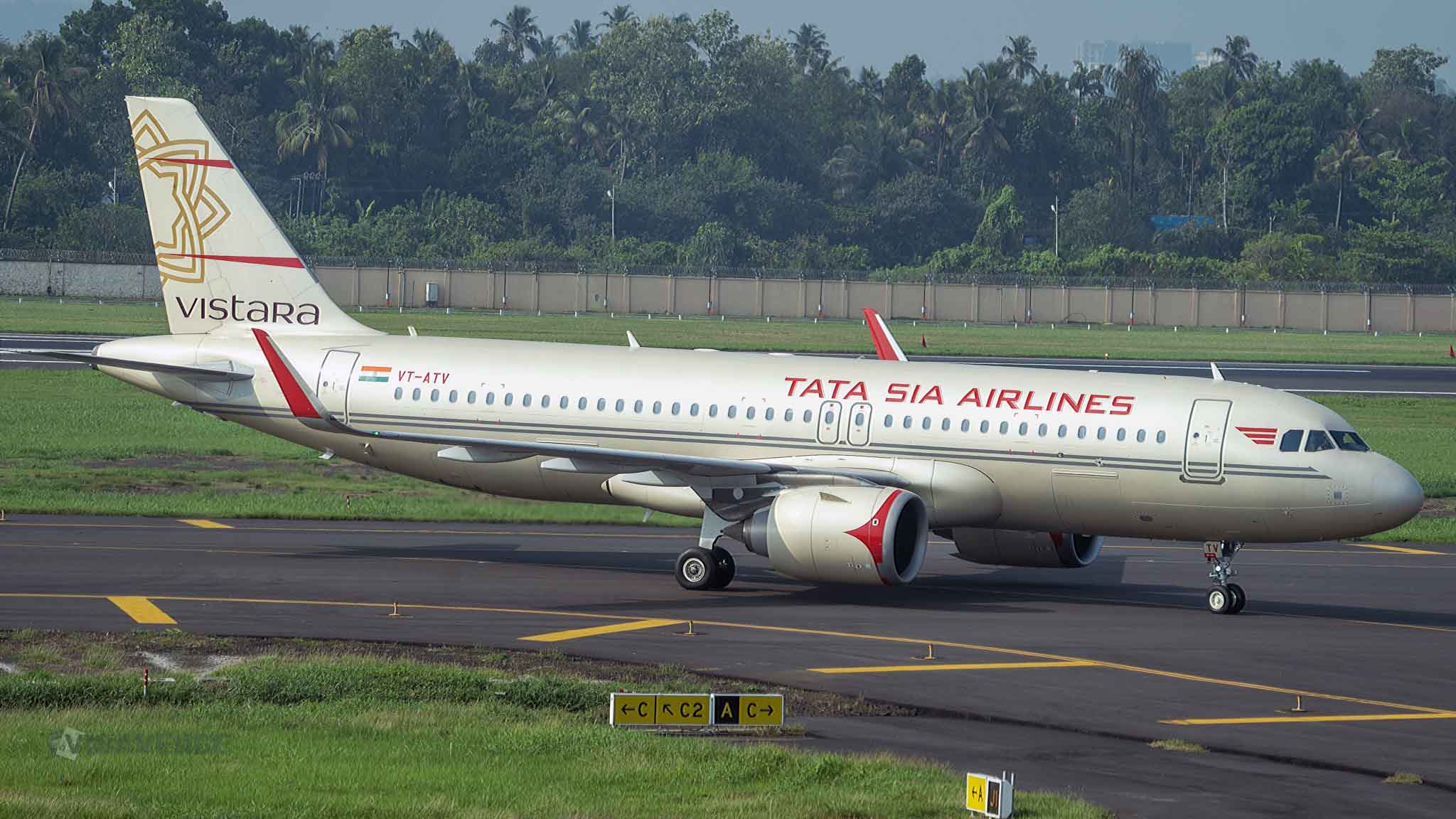
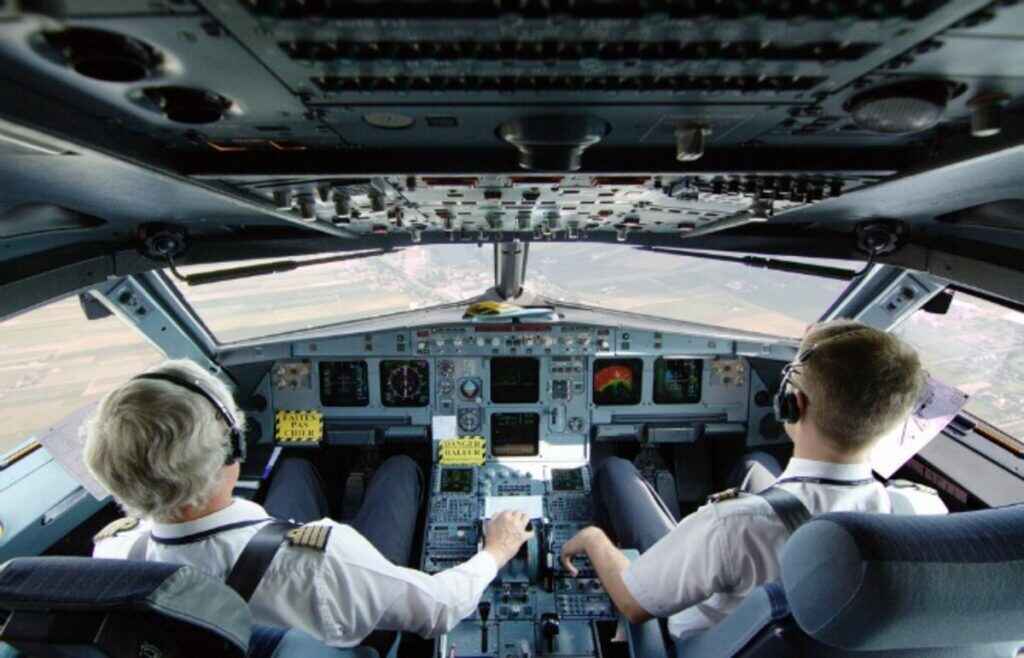
Air India suspended a pilot after a September 6, 2026 alcohol incident at Zurich Airport and repatriated him to India as a passenger. The airline kept him suspended pending the final medical report and investigation, and reiterated its zero-tolerance policy to pilots.
- The pilot was scheduled to operate Air India flight AI151 from Zurich to Delhi. Zurich ground staff detected the smell of alcohol and alerted local authorities; the pilot failed a preliminary breathalyser test.
- The flight did not operate as scheduled after the pilot was removed from duty. Air India’s airport team reported the matter to Zurich authorities.
- Air India told pilots it has a “zero-tolerance policy towards prohibited substances and reporting for duty under the influence of alcohol or drugs.”
- Switzerland’s Federal Office of Civil Aviation said it took measures under applicable national and international rules, with further handling resting with India’s Directorate General of Civil Aviation.
- Air India removed two additional pilots after preliminary drug tests returned non-negative results for psychoactive substances.
- The airline launched mandatory screening for five thousand pilots following a serious altitude loss incident in August.
- Confirmed violations lead to strict licensing penalties, including a three-year suspension for a second positive result.
Air India removed two more pilots from flying duty after preliminary tests returned “non-negative” results for psychoactive substances, sending their samples for confirmatory laboratory analysis. The pilots will remain off the duty roster while the final reports are pending.
The airline began its one-time mandatory screening on August 13, 2026, testing pilots across its main operation and express subsidiary. The exercise covers more than 5,000 pilots.
A non-negative preliminary result is not the final finding. Under aviation rules, it triggers immediate removal from safety-sensitive work until confirmatory testing is complete.
The two pilots’ identities have not been disclosed. Around 300-400 pilots had undergone testing when the latest results emerged.
The airline said the testing would look for “any substances or medications that are not permitted under prevailing regulations.” It is conducting the checks alongside training sessions, after flights at briefing centres or offices, and at designated base locations.
The Phuket-Delhi incident triggered wider testing
The expanded campaign followed an August 4, 2026 Phuket-to-Delhi incident. The flight abruptly lost about 300 feet of altitude, and the pilot-in-command later tested positive for marijuana in confirmatory testing.
The Civil Aviation Ministry said the pilot’s initial screening “indicated a result requiring confirmatory analysis.” Both pilots were removed from the flying roster while the inquiry continued.
That case prompted the carrier to test its entire pilot group rather than rely only on the regulator’s baseline requirement. DGCA rules require random testing of at least 10 per cent of flight crew annually.
The airline described the broader exercise as a one-time check covering all pilots in the group. The testing also addresses medications and other prohibited substances, not only recreational drugs.
Confirmatory tests will determine the pilots’ next steps
The regulator’s process sets out escalating consequences after confirmation.
| Result under DGCA rules | Consequence |
|---|---|
| Non-negative preliminary screening | Immediate removal from safety-sensitive duty until confirmatory results return |
| First confirmed positive | Referral for de-addiction or rehabilitation, followed by a negative test and medical fitness clearance before returning |
| Second confirmed positive | Three-year licence suspension |
| Third confirmed positive | Licence cancellation |
The current cases remain at the preliminary stage. Their samples have been sent for the second test required under the rules.
“We have decided to undertake a full screening of all Group pilots for any substances or medications that are not permitted under prevailing regulations.”
The airline issued that explanation when it announced the group-wide checks. Testing began alongside existing pilot activities rather than through a separate operation at one location.
The airline is testing beyond the annual minimum
The group-wide action goes beyond the annual random-testing floor set by DGCA. It followed increased scrutiny of cockpit conduct after the Phuket-Delhi flight, where the pilot-in-command’s confirmatory result identified marijuana.
The ministry’s description of the earlier screening stopped short of treating the first result as conclusive. Confirmatory analysis remains the step that determines whether a violation is established.
That distinction governs the two latest cases as well. A preliminary non-negative result removes a pilot from duty, but it does not by itself establish a confirmed positive under the stated procedure.
The screening applies across the carrier’s full pilot operation and its express subsidiary. The airline said the programme would continue through training venues, briefing centres, offices and designated bases.
The final laboratory reports will decide whether the two pilots return after medical clearance or face the sanctions attached to a confirmed result. Until then, both remain off the flying roster.