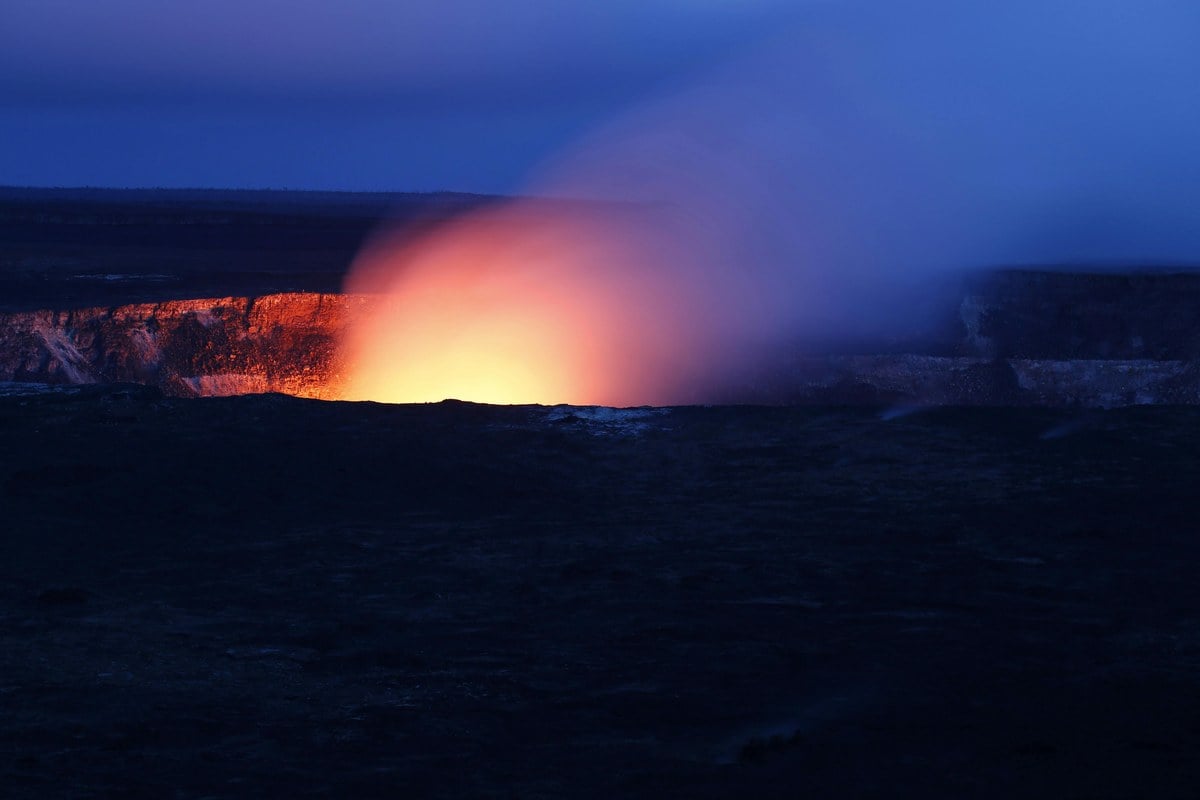
Mount Etna triggered a fresh aviation disruption on August 8, 2026, when ash from renewed eruptive activity forced Catania International Airport to suspend arriving flights until 12:00 local time (10:00 GMT). The eruption’s ash plume reached 7,300 metres, and airport officials closed Sector C1 because of volcanic ash in the atmosphere.
- The new paroxysmal phase centered on the Voragine summit crater, with ash affecting eastern Sicily and prompting a red aviation alert.
- All arriving flights at Vincenzo Bellini Airport in Catania were suspended during the closure window, while departures already at the airport were operating normally.
- Wind-blown ash also forced some inbound flights to divert to Palermo, Trapani, and Comiso.
- Eruptive activity opened a fresh fissure along the Valle del Leone at an altitude of roughly 2,750 metres.
- Mount Etna triggered incoming flight suspensions at Catania Airport on Sunday morning following a significant ash eruption.
- Aviation authorities raised the alert level to red after a plume reached one point five kilometers high.
- Travelers should expect reroutes to Palermo and potential cancellations as volcanic activity continues into Monday, July sixth.
(CATANIA, SICILY, ITALY) — Mount Etna sent ash over eastern Sicily on Sunday morning, forcing Catania Airport to suspend incoming flights and disrupt travel into Monday, July 6. If you were scheduled to land there, expect reroutes, delays, and possible cancellations on short notice.
Free toolB1/B2 Tourist Visa Stay Calculator onlineThe eruption began at 7:45 a.m. on July 5, 2026, when ash emissions started from the upper eastern flank of the Voragine crater. By later in the morning, the plume had climbed about 1.5 kilometers above the summit, and Italy’s aviation authorities raised the alert to red.

That red alert is the signal airlines watch closely because ash can damage engines and reduce visibility. Catania Airport kept departures moving for aircraft already on the ground, while incoming flights were stopped during the disruption.
| Detail | Information |
|---|---|
| Airport affected | Catania Airport |
| Trigger | Mount Etna ash emissions |
| Eruption start | 7:45 a.m., July 5, 2026 |
| Alert level | Aviation alert level red |
| Ash plume height | 1.5 kilometers above the summit |
| Incoming flights | Suspended |
| Departures | Allowed for aircraft already at the airport |
| Alternate diversion point | Palermo |
Several flights were cancelled or sent elsewhere, and Palermo served as an alternate landing point for some aircraft. That kind of diversion often turns a direct Sicily trip into a longer day of buses, taxis, or new connection searches.
The disruption also hit travelers who had already cleared check-in and security. When ash affects a key airport like Catania, airlines usually protect operations already in motion first, then sort out arriving flights later. That leaves the arrival bank as the most exposed part of the schedule.
Etna activity had been building since June 26, 2026, with ash emissions coming from the upper eastern flank of the Voragine crater. The earlier activity set the stage for Sunday’s stronger eruption, which pushed the airport into emergency operating mode.
| Airport response | Effect on travelers |
|---|---|
| Incoming flights suspended | Arrivals delayed, cancelled, or diverted |
| Departures permitted | Some outbound flights still left Catania |
| Palermo used as alternate | Extra ground transfer time after landing |
| Red alert issued | Airlines and airports treated ash as a safety risk |
Award tickets and paid tickets are both affected the same way here: the seat goes away when the flight is cancelled, and the airline has to rebook or reroute passengers. If the trip was booked with miles, keep the confirmation number and the frequent flyer record handy, since changes can be easier to process when both are visible in the reservation.
Competitive pressure in Sicily is limited, which makes the rerouting problem worse. Palermo can absorb some traffic, but it is not a simple substitute for Catania for many itineraries, especially if the trip was built around eastern Sicily, Taormina, or Mount Etna itself.
Airlines serving the island are likely to keep schedules fluid until ash activity eases and the airport clears operations fully. Travelers with Monday departures or arrivals should check flight status before leaving for the airport, since conditions can change quickly and diversion plans often shift with the wind.
Anyone holding a ticket into Catania should also watch for rebooking options through the airline app or call center before the airport reopens to full inbound traffic. Once demand stacks up, the best rerouting options usually disappear first.