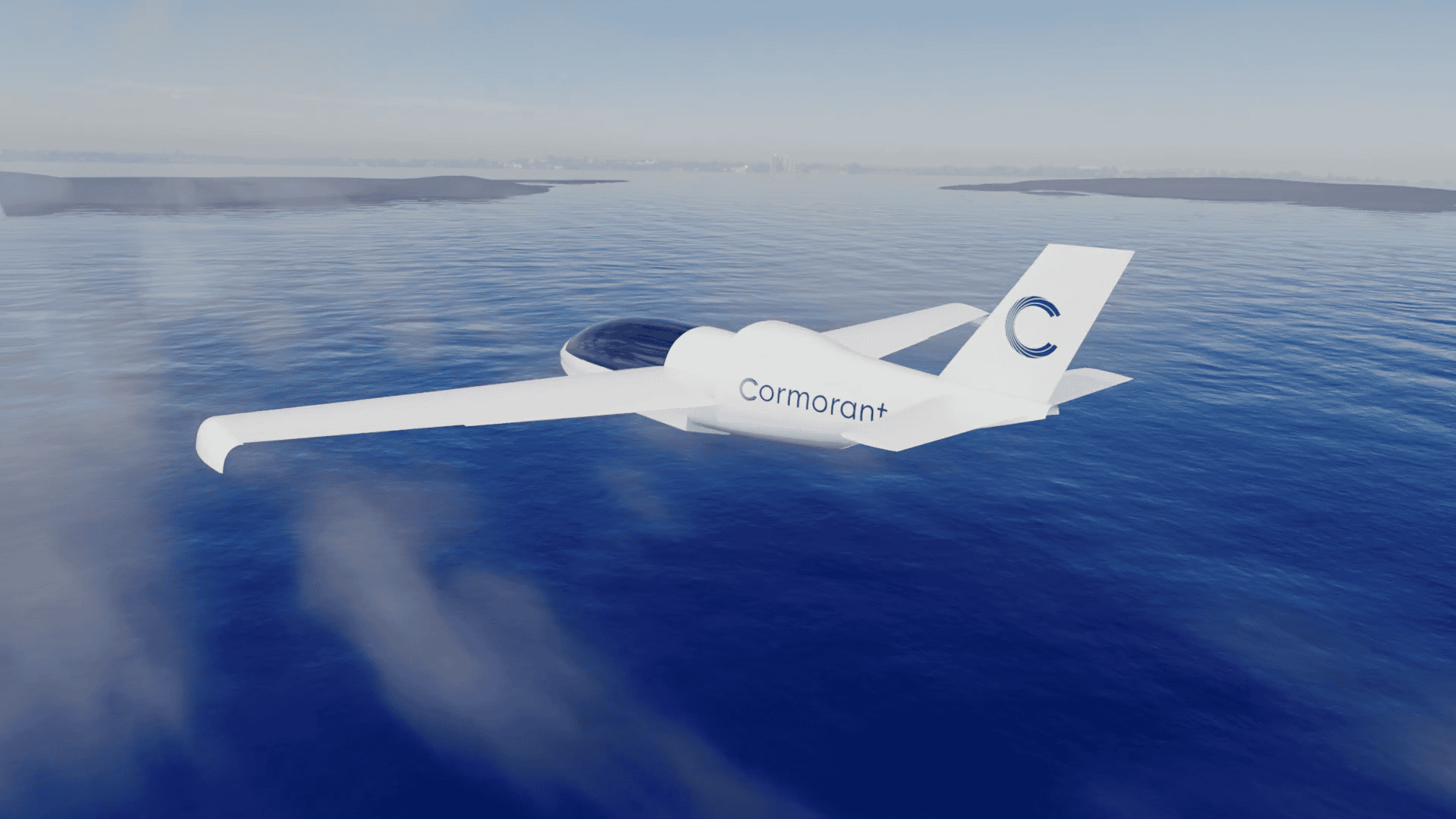
- Heart Aerospace’s X1 demonstrator completed its first all-electric flight at Plattsburgh International Airport in August 2026.
- The twenty-five thousand pound aircraft used five dollars of electricity during its twenty-seven-minute maiden test flight.
- The technology will support the ES-30 hybrid-electric regional airliner, which is scheduled for commercial entry in 2031.
The X1 demonstrator completed a 27-minute all-electric flight on August 12, 2026, using about $5 worth of electricity at Plattsburgh International Airport in upstate New York. The aircraft climbed to 1,100 feet during its first flight.
The test marked the flight of what the company describes as the world’s largest battery-electric aircraft. It used battery power throughout the test, rather than the hybrid system planned for the passenger aircraft that will follow it.

Anders Forslund, founder and CEO of Heart Aerospace, called the flight a demonstration of electric propulsion at commercial-airliner scale.
“With the first flight of X1, Heart Aerospace has demonstrated electric flight at the scale of a commercial airliner.”
The aircraft flew from the company’s flight-test base at Plattsburgh International Airport, also identified by the airport code KPBG. Its 27-minute profile included taxiing, takeoff, climbing, maneuvering and landing.
The test aircraft is large by battery-electric standards. It carries a takeoff weight of more than 25,000 pounds, or 11,340 kilograms, and spans 106 feet.
Four electric motors mounted on the wings delivered more than 1 megawatt of power during the flight. The plane reached its 1,100-foot maximum altitude before returning to the airport.
The aircraft tested commercial-scale electric hardware
| Specification | X1 demonstrator |
|---|---|
| Flight duration | 27 minutes |
| Electricity cost | About $5 |
| Wingspan | 106 feet, 32 meters |
| Length | 76 feet, 23 meters |
| Takeoff weight | More than 25,000 pounds, 11,340 kilograms, 11 tonnes |
| Propulsion | Four wing-mounted electric motors |
| Flight power | More than 1 megawatt |
| Maximum altitude | 1,100 feet above ground level |
The aircraft’s role extends beyond the single test. It is a full-scale technology demonstrator for the planned 30-seat hybrid-electric ES-30 regional aircraft, with flight-test data intended to support that production program.
The production design is expected to combine batteries with a hybrid-electric system. The company says it is targeting an all-electric range of 125 miles, or 200 kilometers, and an extended hybrid range of up to 500 miles, or 800 kilometers.
That makes the X1 a battery testbed, not the final passenger configuration. Its all-electric flight allowed the company to examine the propulsion system at full scale before bringing the hybrid aircraft into service.
United Airlines and Air Canada are backing the next step
Airline investors described the flight as progress toward a regional aircraft program rather than a completed commercial product. Michael Leskinen, Chief Financial Officer of United Airlines, said United had supported the company and expected the aircraft’s development to continue.
“The first flight of X1 is a major technical achievement for Heart Aerospace, a company United has been proud to support. we look forward to Heart’s continued development of the ES-30 and its potential future role in United’s network.”
John Di Bert, Executive Vice President and CFO of Air Canada, also linked the flight to the airline’s investment in the program.
“Our investment in Heart Aerospace and the ES-30 reflects Air Canada’s commitment to supporting innovative technologies that have the potential to transform aviation. X1’s first flight is a key step toward that.”
The company is developing its first pre-production aircraft at a pilot manufacturing plant in Los Angeles. It has set 2031 as the scheduled entry-into-service date for the regional aircraft.
The test followed a limited experimental flight profile
The Federal Aviation Administration issued a Special Airworthiness Certificate in the Experimental Category in July 2026. That certificate covered the flight-test operation at the New York base.
The aircraft’s route through the test program was deliberately basic. It taxied, took off, climbed, maneuvered and landed, giving engineers a chance to evaluate the electric propulsion system during each stage.
The flight also came during a sharp increase in jet-fuel prices. Average fuel prices reached $3.50 per gallon in early August 2026 after a 63% year-over-year surge.
The company originally launched in Gothenburg, Sweden, and completed its relocation to Los Angeles, California, in April 2025. The move placed its development and manufacturing work closer to its primary investors and customers.
The X1 flight gives the program a full-scale electric test result, while the next milestone remains the pre-production aircraft and its planned 2031 entry into service.