- Bordeaux Airport remains fully operational for commercial flights despite wildfires approaching within fifteen kilometers of the city.
- Massive regional evacuations have displaced over 250,000 people, marking France’s largest peacetime displacement since World War Two.
- Local infrastructure is severely disrupted with hotel closures and restricted transport links affecting travelers near the airport zone.
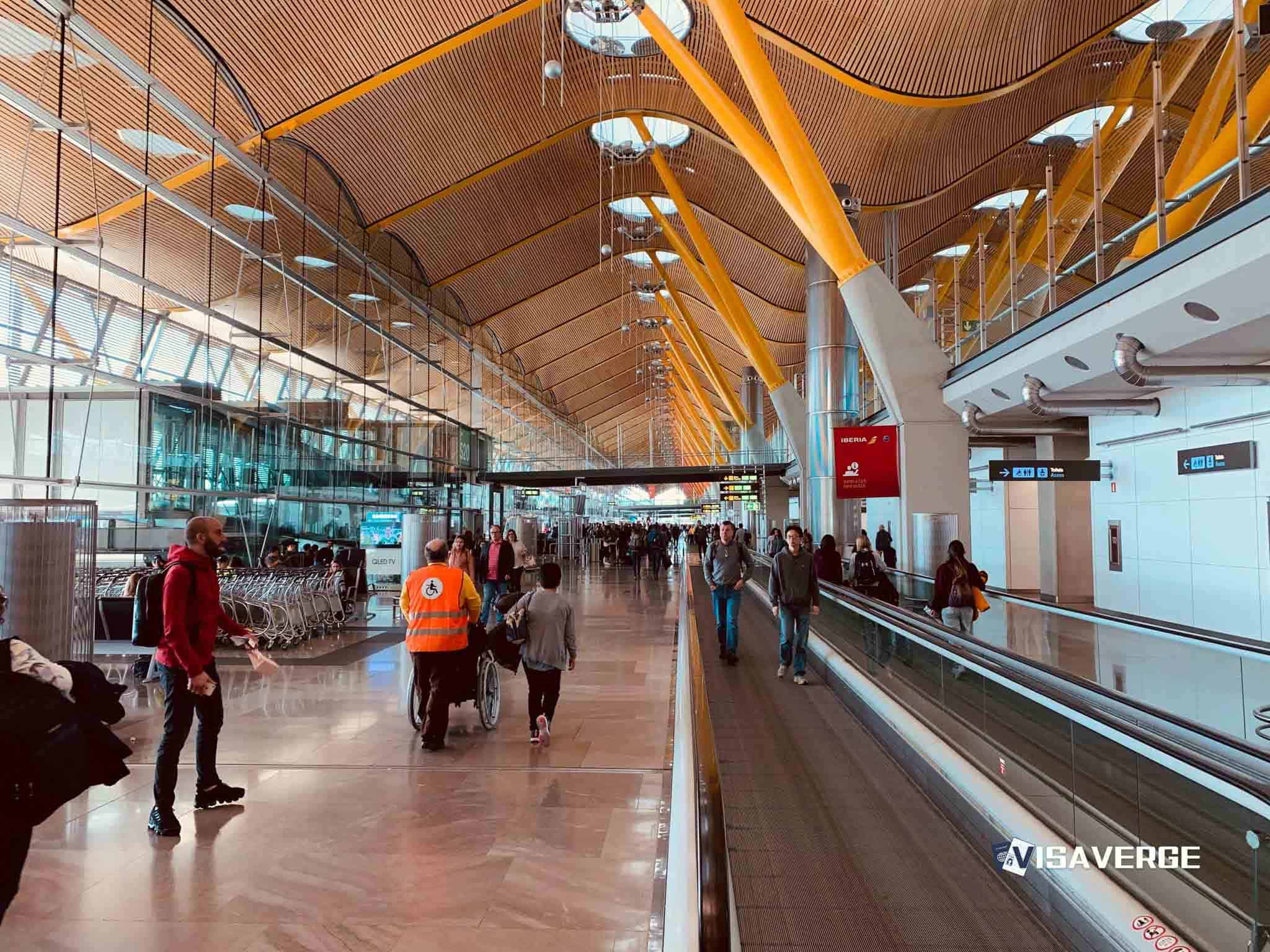
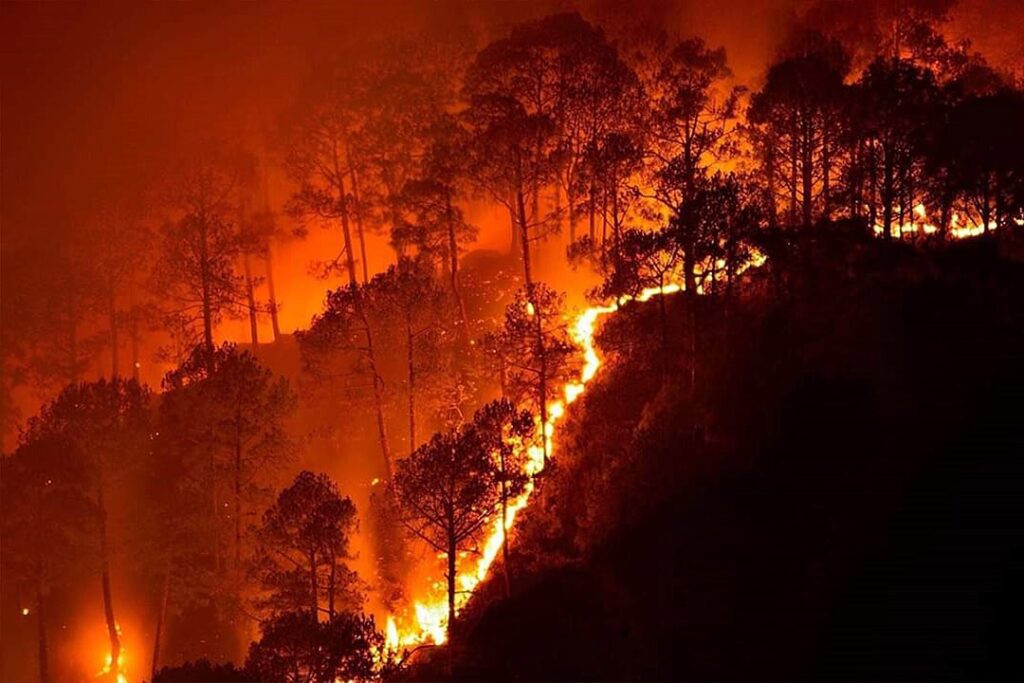
Bordeaux Airport remained open Monday as fast-moving fires drove mass evacuations across southwestern France, leaving flights operating while nearby hotels and transport links shut down. The blaze had reached about 15 kilometers from Bordeaux’s metropolitan area by July 27.
The airport said in a July 26 update that commercial flights were operating normally. Departures received priority as authorities coordinated the response.

“The airport is currently fully operational and is playing a key role in supporting the region’s response. commercial flights are operating as normal. In coordination with the relevant authorities, priority is currently being given to departing flights.”
The airport hotel zone has been evacuated, and hotels in the immediate area are closed. The terminal also shuts overnight, leaving stranded passengers without on-site accommodation.
Ground access remains limited. Tram service runs non-stop between Mérignac Soleil and the airport, skipping stations inside the evacuation zone. Bus services have been restricted, while rail traffic south toward Arcachon has been suspended by SNCF.
The fire was about 15 kilometers from Bordeaux’s city center on July 26 and as close as 9 kilometers from the southern metropolitan outskirts. Mayor Thomas Cazenave said the blaze was “at the gates of the metropolitan area,” but added that “An evacuation of Bordeaux is not on the cards for now.”
More than 250,000 people have left homes across the region
Free toolB1/B2 Tourist Visa Stay Calculator onlineMore than 220,000 people had been evacuated in Gironde, while the total exceeded 250,000 after including neighboring Landes. The evacuations represent France’s largest peacetime displacement since World War II.
The fire has destroyed approximately 42,000 hectares in Gironde. Across France, more than 115,000 hectares have burned in 2026, a national record.
Thousands of displaced residents are sheltering at Bordeaux’s Parc des Expositions exhibition center. Hundreds came from elderly care homes. At an emergency shelter, 71-year-old Bernadette said she fled during the night.
“I left without any of my things. I forgot my eye medications, everything.”
The emergency has also closed a 60-kilometer section of the A63 motorway between Bordeaux and Spain. The route remains unavailable while authorities manage the fire and evacuations.
Firefighters hold the line as authorities warn of a long battle
Interior Minister Laurent Nunez said the airport had closed earlier in the crisis, before reopening for commercial operations. He described the fire as “extremely virulent” and “moving erratically” toward the metropolitan area.
At a crisis meeting Monday, Nunez said the fire had stopped growing but warned crews could face renewed flare-ups.
“The fire has stopped growing. but with woodlands still smoldering, we have to remain very concentrated, very determined, to go at any moment.”
He also said: “We expect a fight that will be long and very difficult.”
More than 2,000 firefighters are deployed in the region, supported by 18 water-bombing aircraft. The fleet includes a specially converted military A400M transport plane.
Two firefighters died on July 21 while battling a blaze near the airport’s P4 car park. Another 75 firefighters have received treatment for injuries.
Gironde Fire Chief Marc Vermeulen said intense heat was producing “self-feeding firestorms.” Those systems generate their own winds and lightning, sending new “spot fires” ahead of the main front.
Evacuation alerts now cover Bordeaux suburbs
Sophie Brocas, prefect of the Gironde region, urged tourists not to travel to the department until the fire is contained.
“Given the current situation, I strongly encourage tourists not to come to Gironde until the fire is contained.”
The prefecture sent evacuation orders through FR-Alert mobile notifications to residents in parts of Mérignac, Pessac and Le Haillan. Those suburbs sit within the wider metropolitan area affected by the advancing fire.
President Emmanuel Macron held an emergency cabinet meeting Monday, July 27, to coordinate the national response. He also requested additional assistance through the EU Civil Protection Mechanism.
Heat and dry forests have intensified the spread
Météo-France reported that June 2026 was France’s hottest June on record. Rainfall fell nearly 50% below normal, leaving the region’s extensive pine forests tinder-dry.
Temperatures in Gironde reached 40°C (104°F) by late July. The heat has helped sustain fires even as crews work to contain their edges.
Passengers with departures from the airport face a functioning terminal but fewer options around it. The hotel closures, overnight terminal shutdown and disrupted road and rail connections make same-day travel planning essential while the fire remains active.