- French officials urged tourists to visit despite intense wildfires affecting specific regions like the southwest.
- Over 141,000 people have been displaced as fires consume 50,000 hectares of land.
- European nations sent specialized aircraft to assist 700 firefighters battling the unprecedented blaze intensity.
Éléonore Caroit urged tourists on Saturday, July 25, 2026, to keep their trips to France even as wildfires spread through the southwest. She said the country was facing an “exceptionally intense” season.
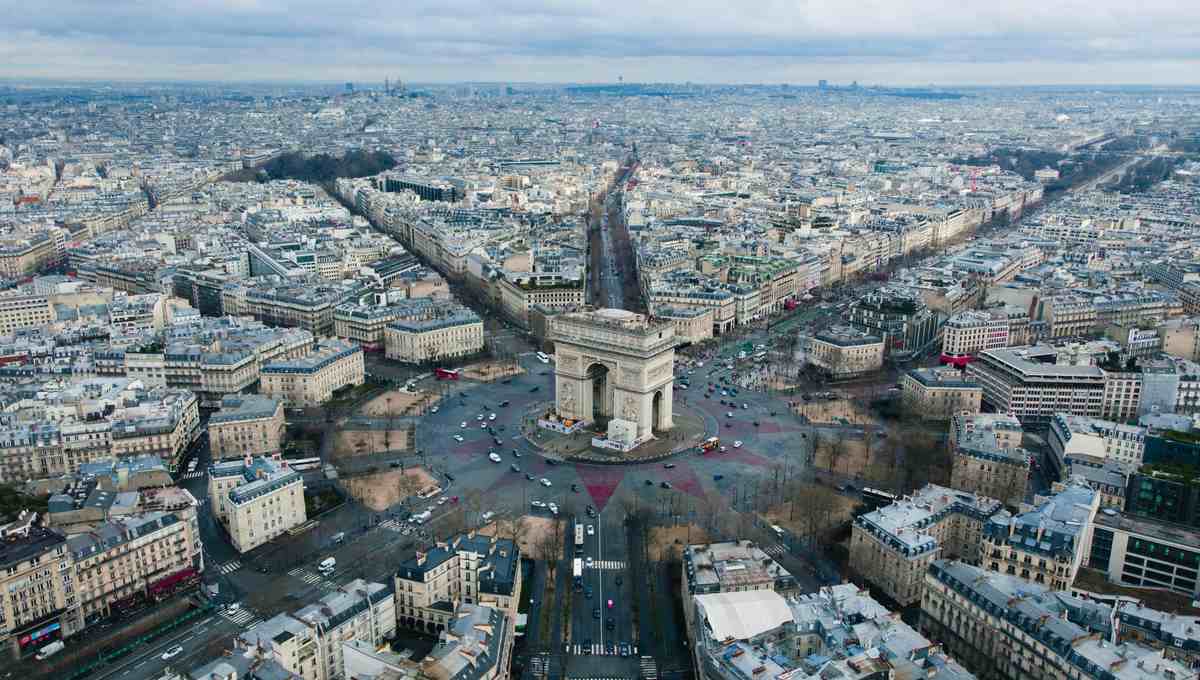
"You have entire areas that are fine. I’m in Paris and nothing is happening, and most other regions are OK, so do please come to France and do not cancel your travel plans. But wherever you are, please do be advised as to what might be happening."
France stayed open.
The warning landed while fire orders emptied holiday areas in the southwest. French authorities said 141,000 residents and tourists had been displaced from the Gironde and Landes departments. Earlier evacuation orders covered about 63,000 people in those areas, and more than 10,000 others left the Lège-Cap-Ferret area near Bordeaux, a popular tourist region.
Vacationers left overnight. Campsites cleared quickly. The coast did not wait.
French authorities said nearly 50,000 hectares had burned this year. Laurent Nuñez said more than 12,500 wildfires had broken out since January, and almost 44,000 hectares had burned by his count. He also said 111 people had been arrested in connection with the fires, with human activity suspected in 9 out of 10 cases.
The numbers were already huge.
Sébastien Lecornu said the fires had “reached a level that has never been seen before.” He compared them with 2022, which he called the worst year France had seen. Emmanuel Macron requested help through the European Civil Protection Mechanism. Croatia sent two water-bombing carriers, Portugal sent two water-tractor planes, and the Czech Republic and Slovakia each sent two Black Hawk heavy helicopters.
Europe answered fast.
Sophie Brocas, the prefect of Gironde, managed the evacuation of the Cap Ferret peninsula. Thousands were rescued by boat across the Bay of Arcachon. Dutch tourist Barry Pollack described the scene as a “nightmare” as smoke filled the horizon.
The shoreline vanished behind smoke.
Travelers heading for southwest France were told to check local evacuation orders, road closures, campsite status, and airline or hotel changes before leaving. That advice applied before departure, not after. The fire line can shift quickly.
At least 80 homes in Gironde were affected, and roughly 50 were destroyed.
| Figure | Detail |
|---|---|
| 50,000 hectares | French authorities said that much had burned this year |
| almost 44,000 hectares | Nuñez said had burned by his count |
| more than 12,500 wildfires | Nuñez said had broken out since January |
| 111 people | Nuñez said had been arrested in connection with the fires |
| 8,700 hectares | a fire near Saumos and the Cap Ferret peninsula had consumed |
Heat and drought left the southwest brittle
Free toolB1/B2 Tourist Visa Stay Calculator onlineThe fires followed a season of unprecedented heatwaves and a prolonged drought. Those conditions left vegetation across Southern Europe in tinderbox shape. Popular holiday spots like Bassin d’Arcachon and the Atlantic coast sat in the fire belt.
The southwest took the hit.
Officials also wanted to avoid a collapse of the summer tourism season, which is vital to the national economy. The business of summer matters to France. By Saturday morning, the French army had been deployed to assist more than 700 firefighters in the southwest.
Several major forests and countryside tourist sites closed at short notice because of the extreme fire risk. Some gates stayed shut.