- Trump urged France to close its borders, blaming immigration for unrest despite protests centering on prices and public services.
- Authorities reported around 1,800 arrests nationwide, while police and emergency workers were among those injured.
- The demonstrations spread across France, with 1,500 shops damaged and municipal buildings, including Limoges city hall, hit by fires and vandalism.
President Donald Trump urged France to close its borders over immigration in a Truth Social post on Sunday, October 18, 2026, linking the country’s unrest to newcomers and warning that the situation could worsen.
He described the country as “burning” and wrote: “Close your Borders and take control, before it is too late!”
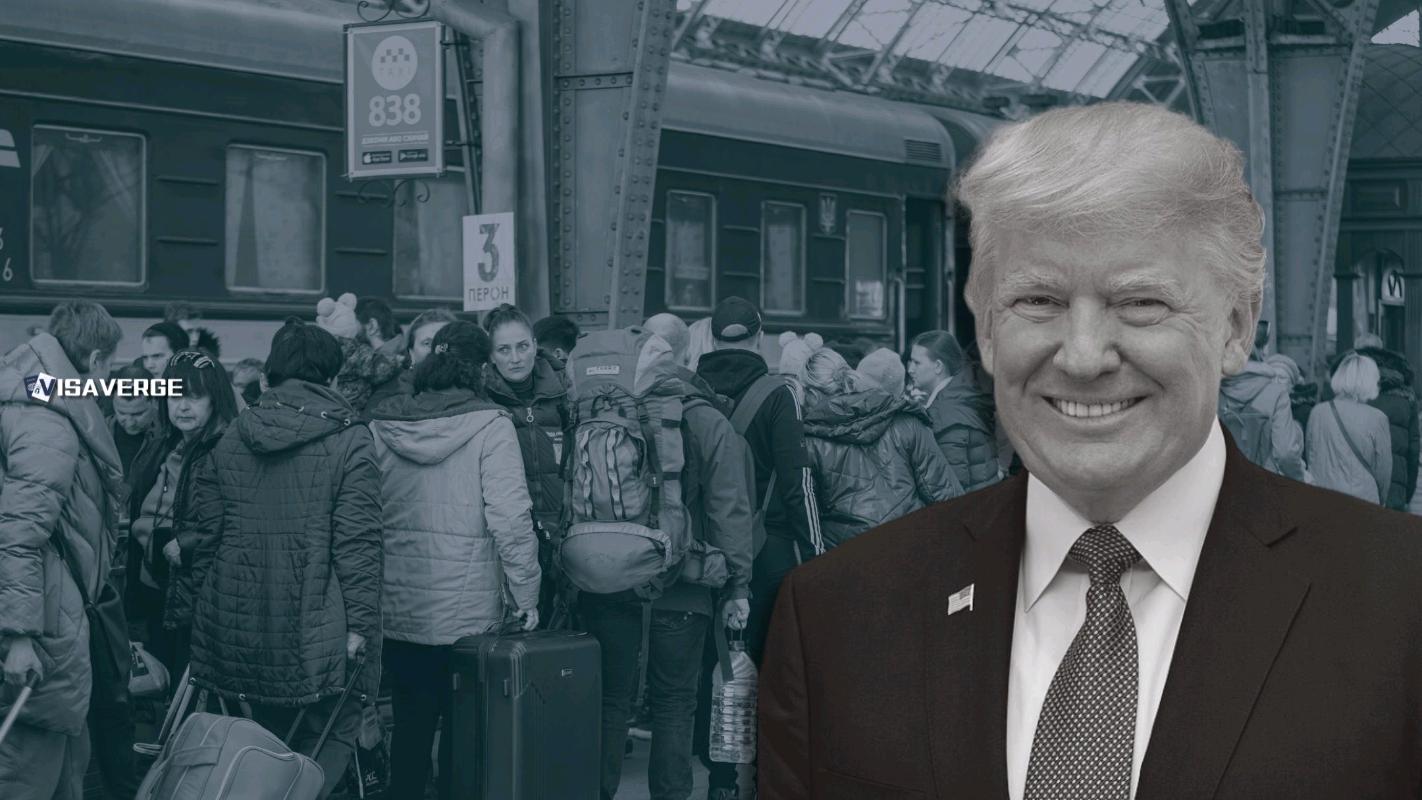
The post came as demonstrations over school conditions and the cost of living spread beyond Paris. The government and unions offered sharply different estimates of how many people attended nationwide marches.
Free toolUSCIS Receipt Number DecoderThe demonstrations also brought arson, looting and attacks on public buildings. French officials condemned the destruction and promised prosecutions.
The demonstrations began with schools, prices and public services
The protest movement started last month among high school students in economically disadvantaged northern suburbs of Paris. Teacher shortages and deteriorating school facilities helped turn the school actions into a wider campaign.
Students also raised inequality, rising living costs and declining public services. Hundreds of high school entrances had been blocked since late September as students demanded better conditions.
The unrest began in outer Paris suburbs, including Creteil and Seine-Saint-Denis, then spread to Lyon, Marseille and Strasbourg. The demonstrations were called over high inflation and the cost of living.
The interior ministry said 550,000 people attended the nationwide protests. The CGT union put the turnout at 800,000. The reported demands centered on prices and public services, rather than migration.
Peaceful marches gave way to fires and looting on Saturday, October 17. Masked youths smashed shop windows, set cars alight and ransacked businesses in Paris and other cities.
Saturday’s marches left burned buildings and damaged shops
The interior minister, Laurent Nuñez, said around 1,800 people had been arrested, with investigations underway to identify those responsible. Paris police said 855 people had been arrested in the capital, calling the number a record.
Around 500 police officers, firefighters and paramedics were hurt. A trade group said 1,500 shops and retailers were damaged.
In Limoges, fire engulfed the city hall, a 143-year-old building, on Saturday. Footage showed its spire collapsing. Haute-Vienne prefect Maurice Barate told LCI television the fire had been deliberately set.
Masked intruders entered Marseille city hall, vandalized the building, smashed furniture and toppled a historic bust of Marianne. The tourist office in Lyon was set on fire.
Intruders also targeted town halls in Marseille and Lille. Demonstrators broke through security lines to vandalize municipal offices in Lille and Grenoble, while a police facility in Bordeaux was attacked.
Police fired tear gas and used water cannons after demonstrators threw projectiles and set off fireworks at security personnel. The violence left burned barricades, smashed shopfronts and looted stores across several cities.
Macron and Lecornu vowed prosecutions and rejected political intimidation
Prime Minister Sébastien Lecornu condemned the destruction and blamed the violence on the “ultra-left” and criminals. He warned against attempts to use the unrest ahead of next year’s presidential election.
“We will not let ourselves be intimidated. No one will impose their political agenda through violence.”
President Emmanuel Macron said those responsible for vandalism, attacks and looting would face prosecution and punishment. He also backed the right to peaceful demonstrations and voiced support for law enforcement.
Nuñez drew a line between protest and violence. “The right to protest is a fundamental right. Deliberately and collectively sowing disorder through violence is not,” he wrote on X.
Macron’s office said he was scheduled to give a televised address at 1800 GMT on Sunday. The planned speech followed a meeting with ministers at the Élysée and an emergency meeting with government officials.
Paris Mayor Emmanuel Gregoire said entire streets in the capital had been left devastated. The damage extended from shops and cars to municipal buildings.
Vance echoed the migration claim as Barrot defended the country’s account
Vice President JD Vance also attributed the unrest to migration, arguing that political leaders had ignored questions about assimilation and compatibility. He wrote, “They were told it would lead to this and they didn't listen,” and urged the country to stop what he called madness before more landmarks burned.
Vance connected the unrest to U.S. politics, saying Americans should pay attention and invoking congressional Democrats. He is viewed as a potential presidential candidate in 2028 and also linked the issue to congressional midterm races on November 3.
The president had made earlier comments about the demonstrations, mocking the unrest with a joke about joining a revolution. In another post, he blamed mass migration and radical Islamic elements, rejecting school conditions and teacher shortages as explanations for the protests.
Foreign Minister Jean-Noël Barrot pushed back against outside accounts of the unrest. Speaking to BFMTV, he said: “If we do not write our own story, others will write it for us.” He argued that domestic authorities could manage public safety without outside commentary.
The protests came about six months before the presidential election. The country’s economy, the second largest in the Eurozone, faced pressure from debt and rising fuel prices tied to the war in the Middle East.