- President Trump criticized UK immigration policy as insane during a Sky News interview in 2026.
- The U.S. reported negative net migration in 2025 for the first time in over fifty years.
- The UK implemented stricter visa rules in early 2026 including higher salary floors and language requirements.
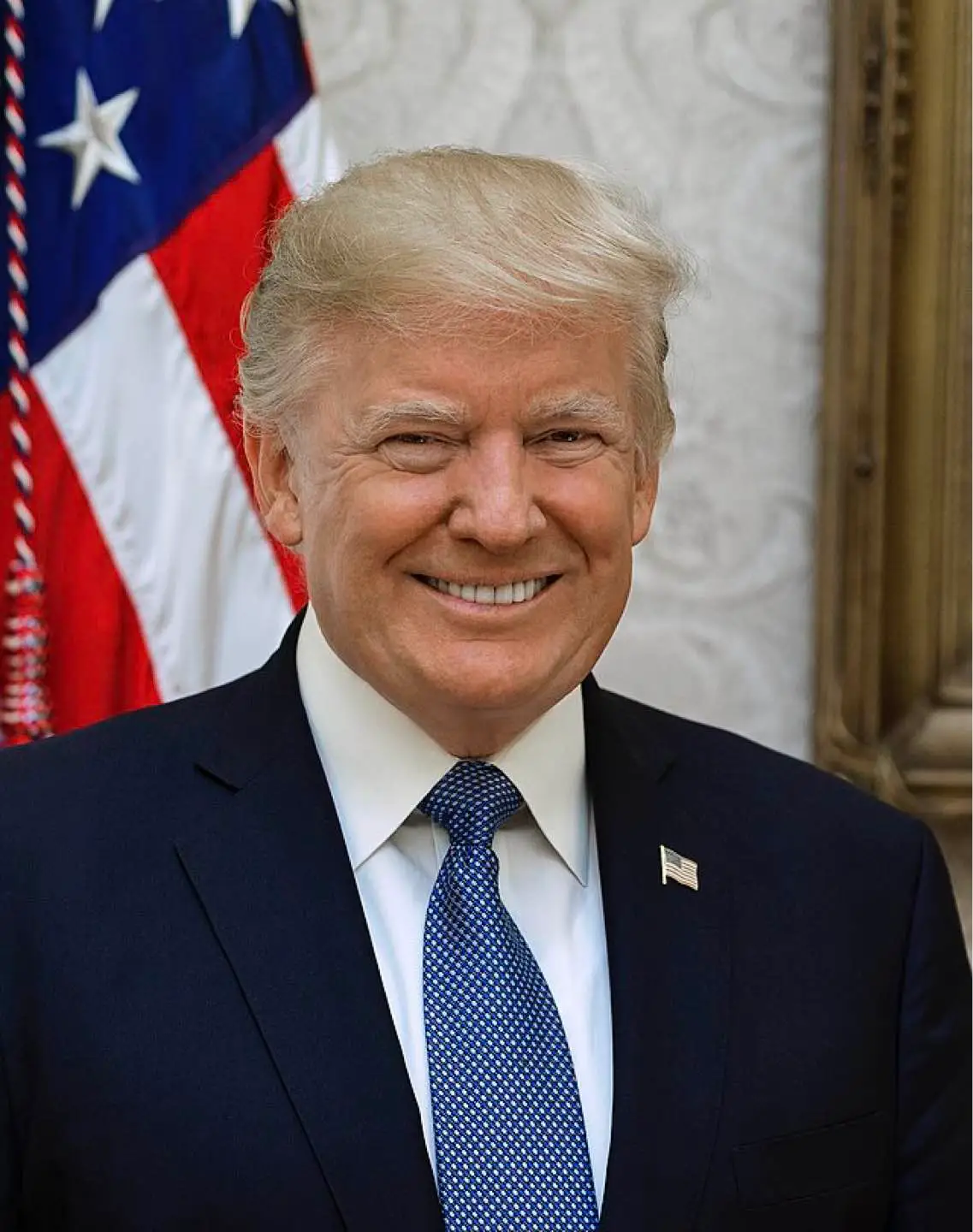
(UNITED KINGDOM) – President Donald Trump criticized Britain’s immigration policy as “insane” and said the country was being invaded by illegal immigrants during an interview with Sky News, widening his administration’s immigration message beyond the United States and into the domestic politics of a close ally.
Trump described the flow of undocumented migrants in invasion terms, language that matches his administration’s policy banner, “Protecting the American People Against Invasion,” and its broader use of enforcement-first rhetoric in public statements this year.
Free toolUSCIS Receipt Number Decoder
The remarks landed as Prime Minister Keir Starmer’s government pressed ahead with tighter visa rules and a tougher line on migration, including small boat crossings in the English Channel, an issue Trump singled out in calling the British approach “insane.”
The White House sharpened that language in a February 24, 2026 statement titled “President Trump Is Securing Our Homeland: Ending the Invasion, Deporting Criminals, and Protecting Our Communities.” It said: “President Donald J. Trump’s relentless commitment to securing our homeland has delivered a seismic turnaround that stopped the flood of illegal crossings. The U.S. achieved negative net migration in 2025—the first time in over 50 years.”
U.S. Citizenship and Immigration Services carried the same message into benefits adjudications. Matthew Tragesser, a USCIS spokesperson, said on April 14, 2026: “USCIS will not take shortcuts in the adjudications process. [We are] restoring neighborhood investigations to ensure applicants demonstrate good moral character and an attachment to the Constitution.”
The Department of Homeland Security used equally blunt language on deportation operations. Lauren Bis, DHS acting assistant secretary, said on April 14, 2026 that federal agents were targeting “.the worst of the worst including murderers, rapists, pedophiles, gang members and terrorists.”
Those statements framed the administration’s accounting of migration in 2025 and 2026. The White House said the United States recorded negative net migration in 2025, the first time in five decades that more people left the country than entered.
Administration figures also said approximately 3 million illegal aliens left the United States since 2025, including more than 675,000 formal deportations. Naturalization approvals fell by roughly 50% under what officials called a pro-America review, a drop the administration tied to enhanced vetting.
Inside that framework, officials said they ended catch-and-release policies and cut interior releases by 99.9%. Legal permanent residents seeking citizenship now face neighborhood investigations during naturalization, while Temporary Protected Status designations including Yemen and Haiti have been targeted for termination.
Trump’s comments on Britain came as the UK imposed its own restrictions in what officials described as Spring 2026 changes. A visa brake took effect on March 26, 2026, refusing Skilled Worker and Student visas for certain nationalities, including Afghanistan, Cameroon and Myanmar.
Britain also raised the general salary floor for Skilled Workers to £41,700 in early 2026. On January 8, 2026, it increased the English-language requirement for most work routes from B1 to B2.
That tightening has extended beyond entry rules. Consultations opened in April 2026 on an earned settlement model that could lengthen the route to permanent residency from 5 years to 10 years for many visa holders, a change with direct consequences for employers and foreign workers planning long-term stays.
Trump’s intervention stood out because it reached directly into the policy choices of Starmer’s government rather than staying focused on U.S. border measures. His use of the word “invasion” also echoed language that his administration has tied to Executive Order 14160, “Protecting the Meaning and Value of American Citizenship,” which placed citizenship policy inside the same values-based enforcement frame.
In Britain, the immediate political target was the handling of small boat arrivals across the Channel, one of the most contentious migration issues facing Starmer. In the United States, the same vocabulary has shaped deportation policy, naturalization screening and the administration’s effort to show a break from earlier release practices.
The combined effect is a narrower path both for people trying to enter and for some already inside the system. In the United States that has meant a stronger emphasis on removals and character screening; in Britain it has meant higher salary thresholds, stricter language rules and a longer possible wait for settlement.
Officials have published those positions across agency channels, including the [USCIS Newsroom](https://www.uscis.gov/newsroom), [DHS news releases](https://www.dhs.gov/news-releases) and the [U.S. Department of State Visa Bulletin for April 2026](https://travel.state.gov). Those references show how closely the White House, USCIS and DHS have aligned their public messaging around enforcement, deportation and citizenship standards.
Trump’s language toward Britain mirrored that alignment almost word for word. What began as a Sky News interview about UK policy ended up sounding much like the administration’s own immigration doctrine at home: an invasion to stop, deportations to accelerate and citizenship scrutiny to tighten.