- D-H-S rejected the G-A-O recommendation for automatic camera activation when I-C-E officers draw weapons or switch on emergency lights.
- The G-A-O accepted six of seven recommendations but said D-H-S had not identified safe uses or alternative recording safeguards.
- Cameras reached all I-C-E offices by August fifth, twenty twenty-six, but officer training remains underway.
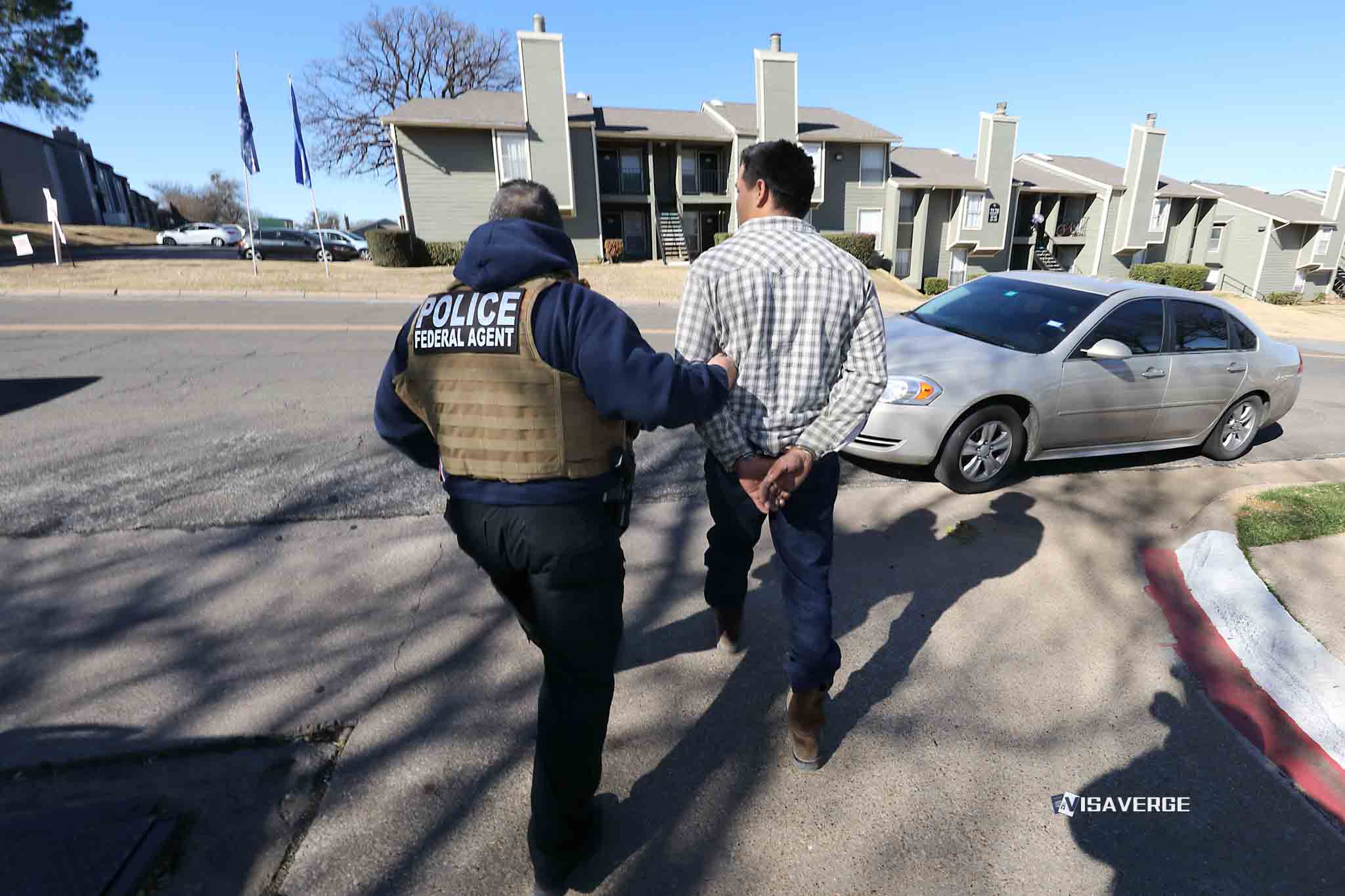
The Department of Homeland Security rejected a Government Accountability Office recommendation that Immigration and Customs Enforcement use camera technology to start recordings when officers draw weapons or switch on emergency lights. The department accepted six of the watchdog’s seven recommendations. The disputed one concerns automatic activation.
The watchdog issued its report on October 14, 2026, after examining camera programs at ICE and Customs and Border Protection from February 2025 through September 2026. The Government Accountability Office is an independent, nonpartisan congressional watchdog.

Its review found that personnel at six of the 10 locations examined were unsure when cameras had to be turned on. ICE’s program plan dated to 2024; CBP had not updated its plan since 2022. The report identified a risk that ICE officers could fail to record incidents when agency rules required them to do so.
The watchdog tied the trigger to force incidents officers may not plan
Some personnel described the activation requirements as “up to interpretation,” “not mandated,” or containing “gray areas.” Their comments point to uncertainty about when recording must begin. The proposed technology would trigger a camera when an officer draws a weapon or activates emergency lights, rather than relying only on a person to start it.
The watchdog highlighted incidents that can arise without advance planning, including cases where force is used by or against personnel and the event is unrelated to a sensitive operation. It argued that a trigger could help capture those encounters. The recommendation focused on reducing the chance that required recordings would be missed.
The agency set out its reasoning in the report:
“We maintain that additional controls, such as automated camera activation, would provide greater assurance that body-worn cameras meet ICE’s desired results for transparency, accountability, and public trust.”
That concern centered on how cameras would respond when an event developed unexpectedly. The report described the potential use as especially relevant to “unexpected and unplanned incidents, unrelated to sensitive operations, result in use of force by or against personnel.”
DHS cited false starts, while GAO said safeguards remained unaddressed
Jeffrey M. Bobich, DHS executive director of financial management and systems, explained the department’s objection in a written response. He said the technology carried “significant operational risks, including inadvertent or false activations during routine movement.”
DHS warned that accidental recordings could capture “Sensitive interactions with informants or victims.” The department also raised concerns about recording bystanders participating in protected First Amendment activities, as well as activity in places where camera use is restricted. Those concerns were the department’s stated basis for rejecting this recommendation while accepting the other six.
The watchdog challenged DHS’s response on implementation. It said the department had not identified locations or conditions where automated triggers could be used safely. Nor, the GAO said, had DHS offered alternative safeguards that would ensure required encounters were recorded.
The disagreement leaves two issues on the table: the risk of recording protected or restricted activity, and the risk that officers may not capture encounters that policy requires them to record. DHS rejected the proposed trigger, while the GAO maintained that additional controls could strengthen transparency, accountability and public trust.
ICE still relies on officers to start recordings during planned actions
ICE’s current rule generally requires officers to begin recording at the start of planned enforcement work. Arrests and vehicle stops are among the activities covered by that requirement. The process depends on officers activating their cameras as those operations begin.
CBP uses a different mechanism. Its cameras turn on when officers draw firearms or activate emergency vehicle lights. ICE does not currently use that same technology, so the two agencies covered in the review have different camera-start procedures.
The proposed change addressed the gap between beginning a planned operation and responding to an incident that was not planned. The watchdog’s recommendation would have tied recording to specified officer actions. ICE’s existing general requirement instead describes when an officer should start recording planned enforcement activity.
Cameras reached ICE offices before officer training finished
A DHS spokesperson said the department had acquired equipment for officers and agents nationwide. “ICE has acquired devices to equip all ICE officers and agents nationwide with body cameras,” the spokesperson said.
The cameras had been distributed to all ICE offices by August 5, 2026. Individual officer training was still underway when the report was issued on October 14.
“Training required to equip individual officers remains ongoing and we expect to complete this training soon,” the spokesperson said. The department’s stated next step is completing that training.