- Thirty-nine senators demanded new immigration safeguards after two innocent bystanders were killed during recent enforcement operations.
- Lawmakers are calling for mandatory body-worn cameras and clearer identification for all federal immigration agents.
- The investigation focuses on vetting protocols and hiring after reports revealed an officer’s history of domestic violence.
Independent Sen. Angus King and 38 Senate colleagues asked Homeland Security Secretary Markwayne Mullin on Sunday to impose new safeguards on immigration enforcement after bystanders were killed during operations in Houston and Biddeford, Maine.
Lorenzo Salgado Araujo, 52, died in Houston on July 7. Johan Sebastian Durán Guerrero, 25, was fatally shot in Biddeford on July 13. Neither man was the intended target, according to statements cited by the senators and DHS officials.
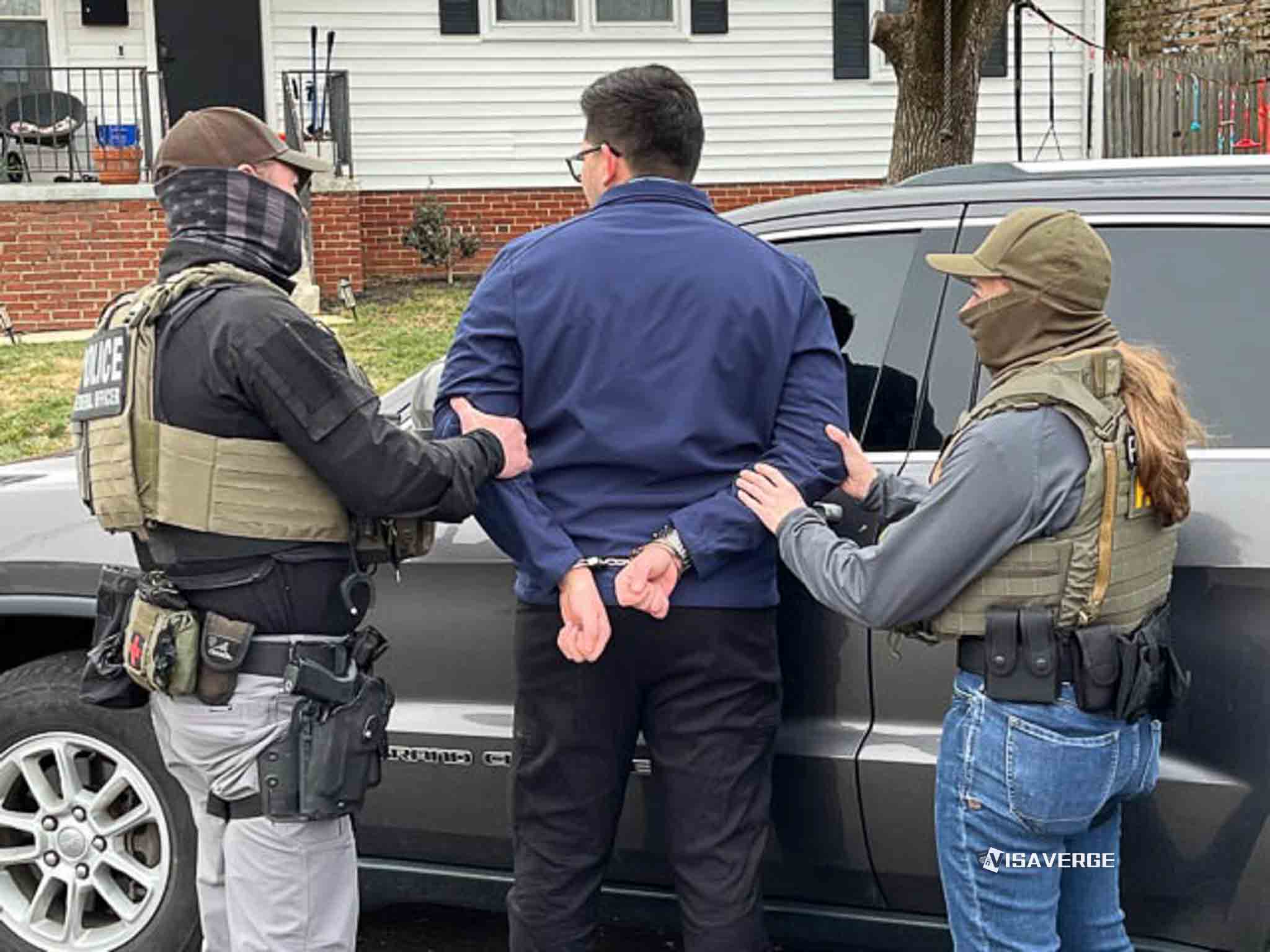
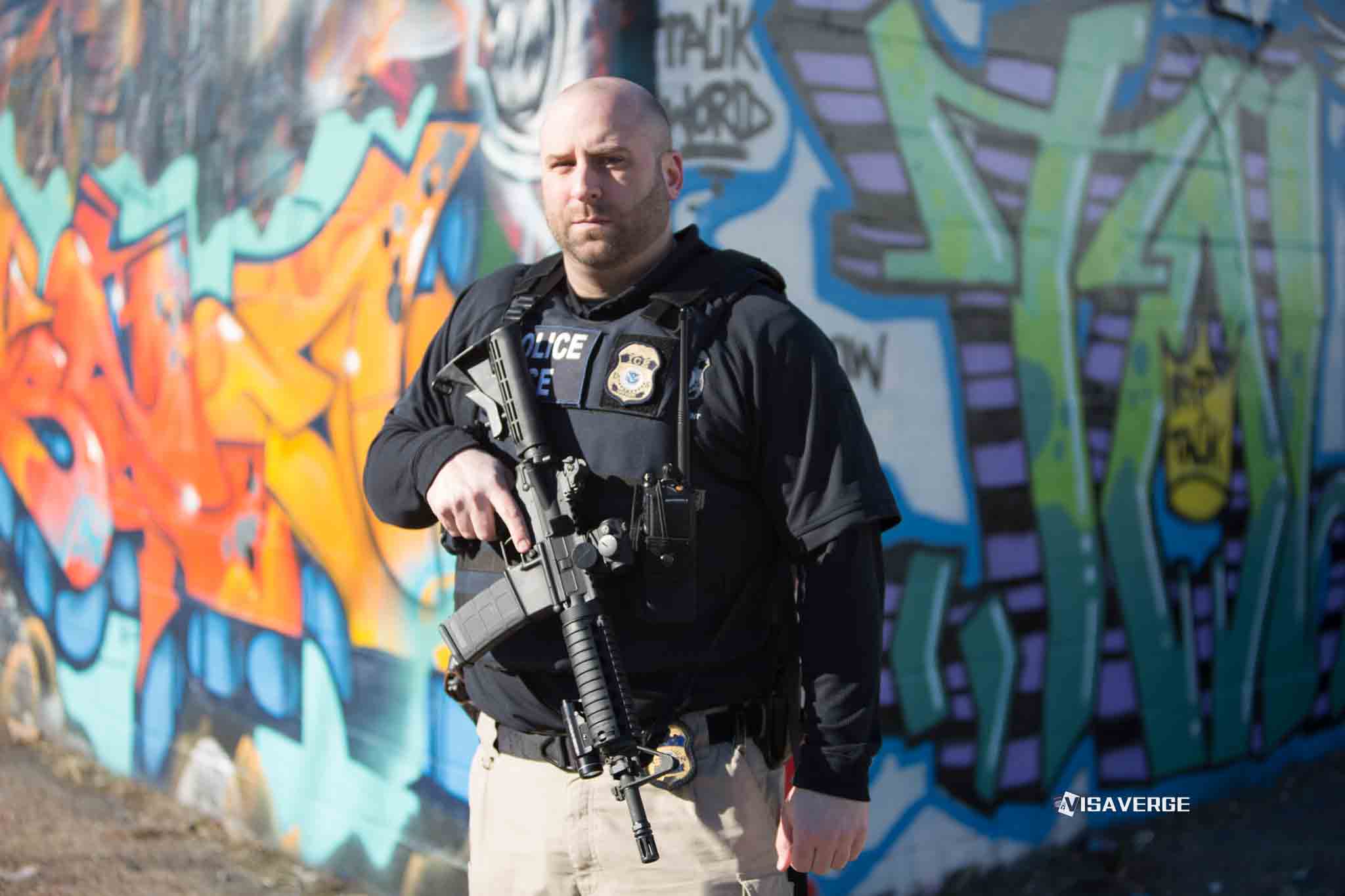
The lawmakers called for mandatory body-worn cameras during enforcement actions, clearer markings on agents’ clothing and stronger vetting protocols. Their letter also asked whether family-court records involving domestic violence or abuse factor into hiring decisions.
Both shootings occurred without camera footage from the federal officers involved. The department has promised cameras for its arrest teams and said every field office will receive them within the next 60 days.
King said the victims did not fit the profile often used to justify aggressive enforcement.
“By no stretch could either of the victims in Texas and Maine be characterized as ‘the worst of the worst,’ making these tragic deaths even more egregious.”
The Maine shooting involved officers looking for another person at an address they were surveilling. In Houston, DHS said officers followed a car leaving the residence of a person with a final order of removal.
The letter targets cameras, uniforms and hiring records
The senators want every officer involved in an enforcement action to record it. They quoted DHS’s pledge that “every ICE arrest team will have at least one law enforcement officer equipped with a camera going forward” and that “all field offices will receive them within the next 60 days.”
Acting ICE Director Venturella told lawmakers that all field agents would be outfitted by the end of July. DHS has separately said more than half of the agency’s field offices already had cameras.
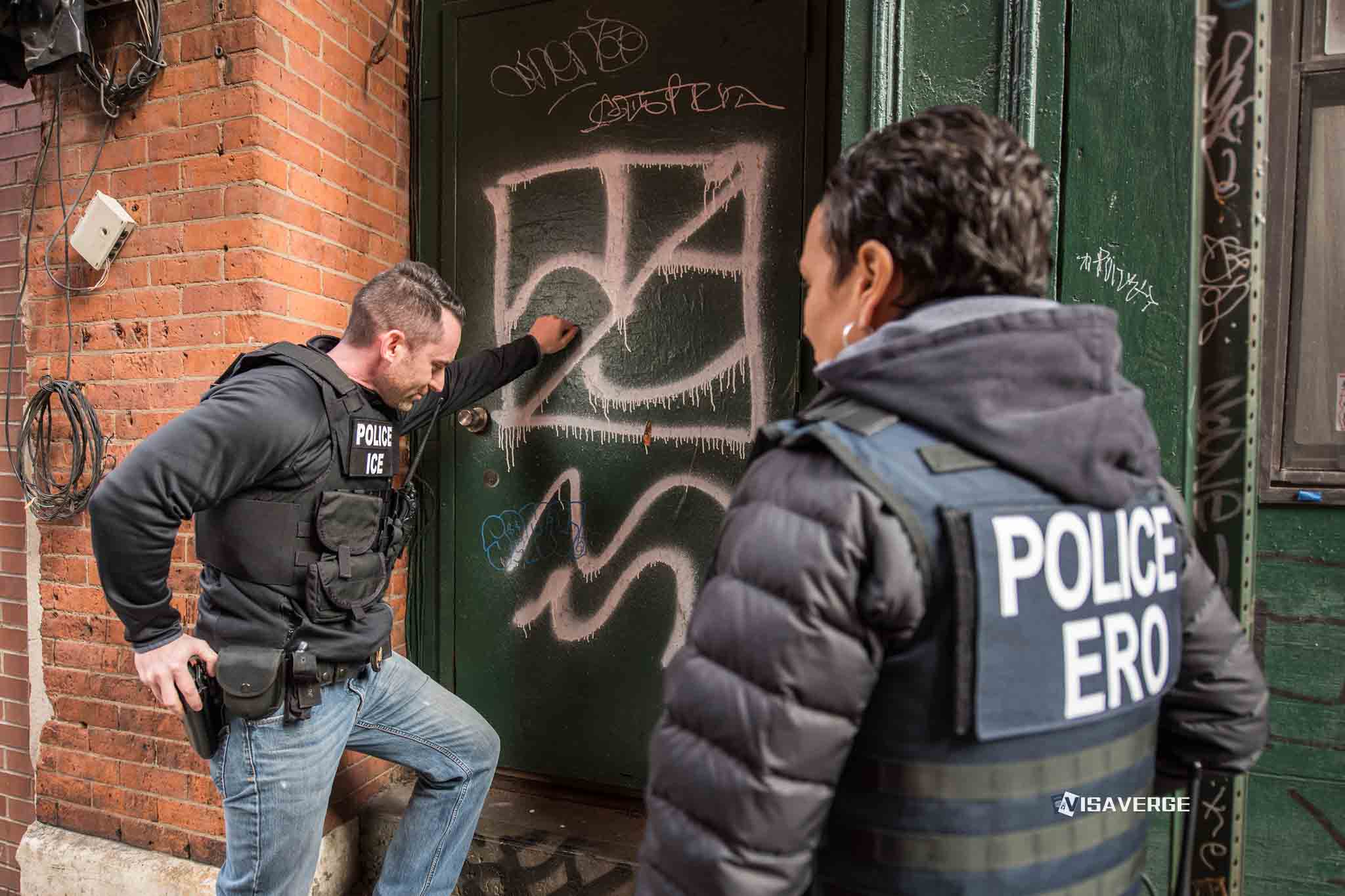
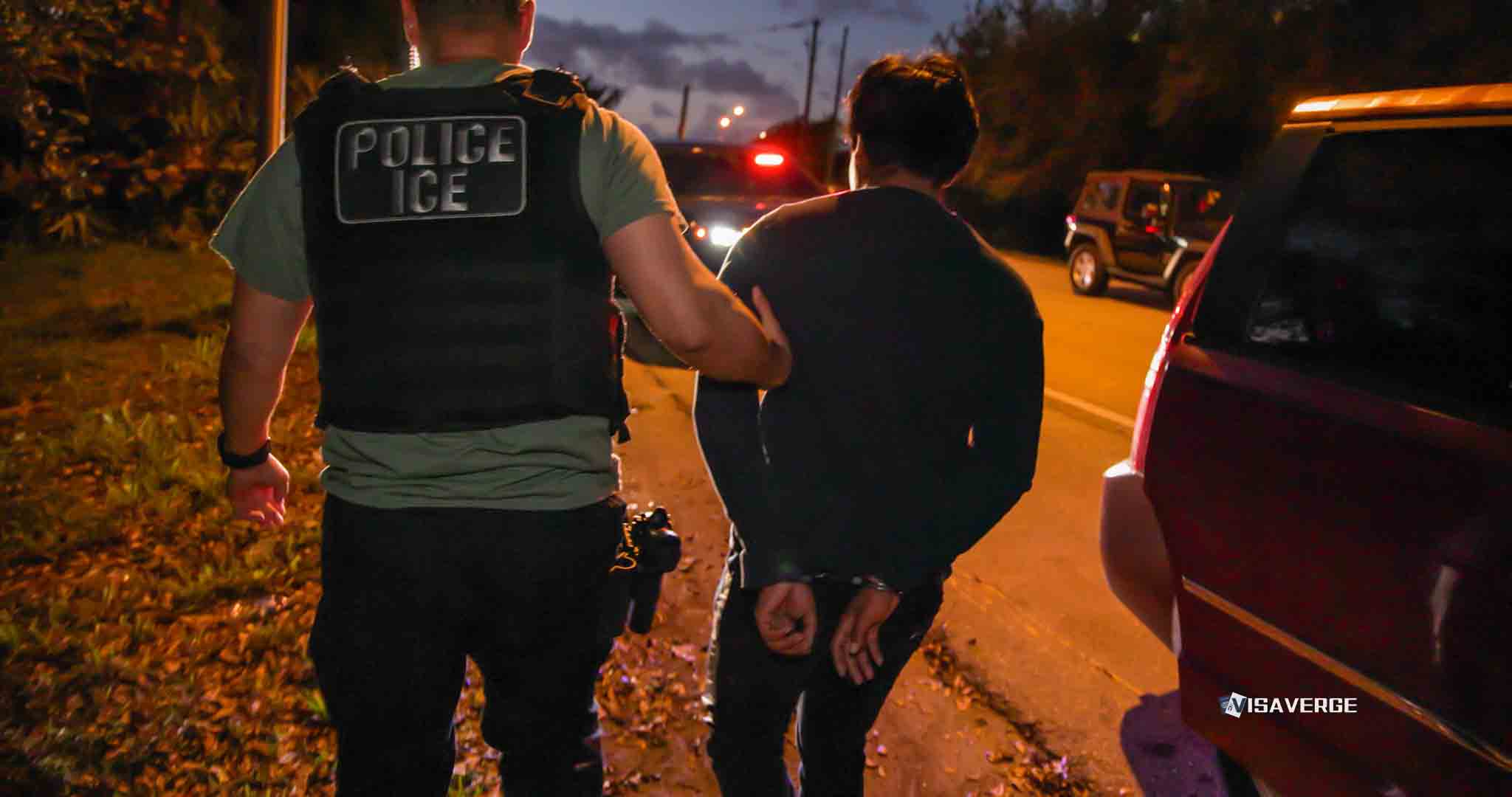
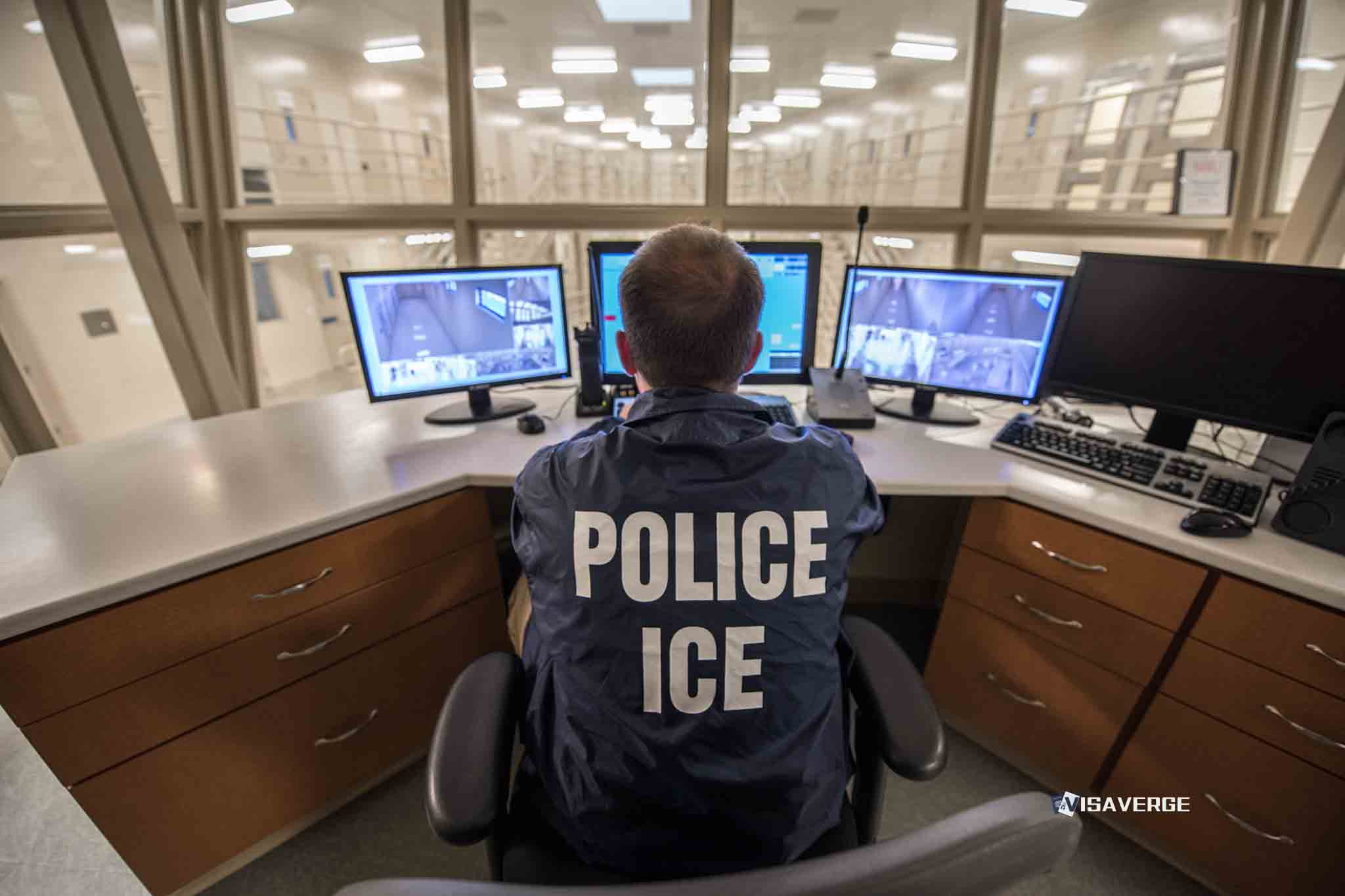
The lawmakers also objected to generic “POLICE” clothing. They asked DHS to require explicit “ICE” identification so residents can distinguish immigration officers from other law enforcement personnel.
The letter raises a sharper question about the Biddeford operation. Reports said the officer involved, David Brouillette, had a documented history of domestic violence and threatening behavior in family-court records.
That prompted senators to ask whether the department reviews such records when screening recruits. The demand links the officer’s reported history to the department’s broader hiring and oversight practices.
Two operations ended with deaths of people agents were not seeking
Salgado Araujo was killed during a vehicle stop in Houston’s Magnolia Park neighborhood. His son, Ronaldo Salgado, said his father “dedicated his life to giving his family the American dream.”
The 52-year-old was a construction worker and father of three, according to the material cited by the senators. DHS officials said he was not the intended target of the operation.
Durán Guerrero was shot four times through his windshield in Biddeford. He was a Colombian national and the father of a three-year-old daughter, according to the same accounts.
His partner, Martha Karolina Rojas Alvarez, said he was authorized to work in the United States and was driving to his job. Their lawyer, Ben Gideon, called the death “needless” and said Durán Guerrero had committed no crime.
King said Mullin told him that Durán Guerrero was not the target of the warrant or operation. The department’s account placed officers at the address while they sought someone else.
Biddeford Mayor Marty LaFountain expressed “deep concern” that state and local officials were “frozen out” of the initial investigation. Public protests followed, including calls for the agency to be removed from Maine.
Investigations face demands for independence and public evidence
Sen. Dick Durbin described the shootings as “tragic, heartbreaking, and enraging.” He called for “full, fair, and independent” investigations.
Mullin has said the investigations are “full, fair and transparent.” He has also maintained that agents may use “all options available to keep them safe.”
The absence of recordings has left investigators and the public without federal body-camera footage from either shooting. The senators said no DHS officials involved had cameras that could be reviewed by investigators or the public.
Witness accounts and private surveillance footage have challenged initial claims that the vehicles involved were “weaponized” or that the victims “attempted to flee.” Those claims formed part of the department’s early descriptions of the incidents.
Rep. Sylvia Garcia held a press conference in Houston to demand the names of all officers involved. Sen. Susan Collins is pursuing a separate bipartisan effort to keep the FBI as the lead investigative agency.
The senators also pointed to a wider pattern. They said DHS agents have shot at least 22 people since the beginning of the current administration’s second term, causing 6 fatalities.
The department is expanding camera coverage while defending traffic stops
The shootings came during intensified immigration enforcement after passage of the “One Big Beautiful Bill” Act, which allocated $165 billion for DHS operations. The department has used targeted surveillance and mass-deportation efforts under that mandate.
After the Maine shooting, the agency briefly paused non-urgent vehicle stops. Mullin later said traffic stops would continue as a “mission-critical” enforcement tool.
White House Border Czar Tom Homan defended cameras on July 19 and announced a new requirement for at least one officer on every vehicle stop to record the encounter “whenever possible.”
Homan said cameras can show both an officer’s conduct and the circumstances preceding a use of force.
“They exonerate more law enforcement than they convict, and I want officers to wear body cameras because I want the American people to see what the officers saw when they took that action.”
The senators’ letter asks DHS to turn those commitments into mandatory rules covering all enforcement activity, not only selected arrest teams or vehicle stops.
The dispute now moves between Congress and the department. Lawmakers want answers on officer identification, family-court screening, camera deployment and the two investigations, while DHS continues to defend the use of traffic stops and broad safety authority.