- An I-C-E memo bans pursuits when drivers refuse to stop and directs officers to record vehicle details for follow-up.
- Only trained officers may lead vehicle stops; untrained personnel can assist but cannot drive stop vehicles.
- The September thirtieth memo requires activated body-worn cameras and lights and sirens, while describing its instructions as a reminder of existing policy.
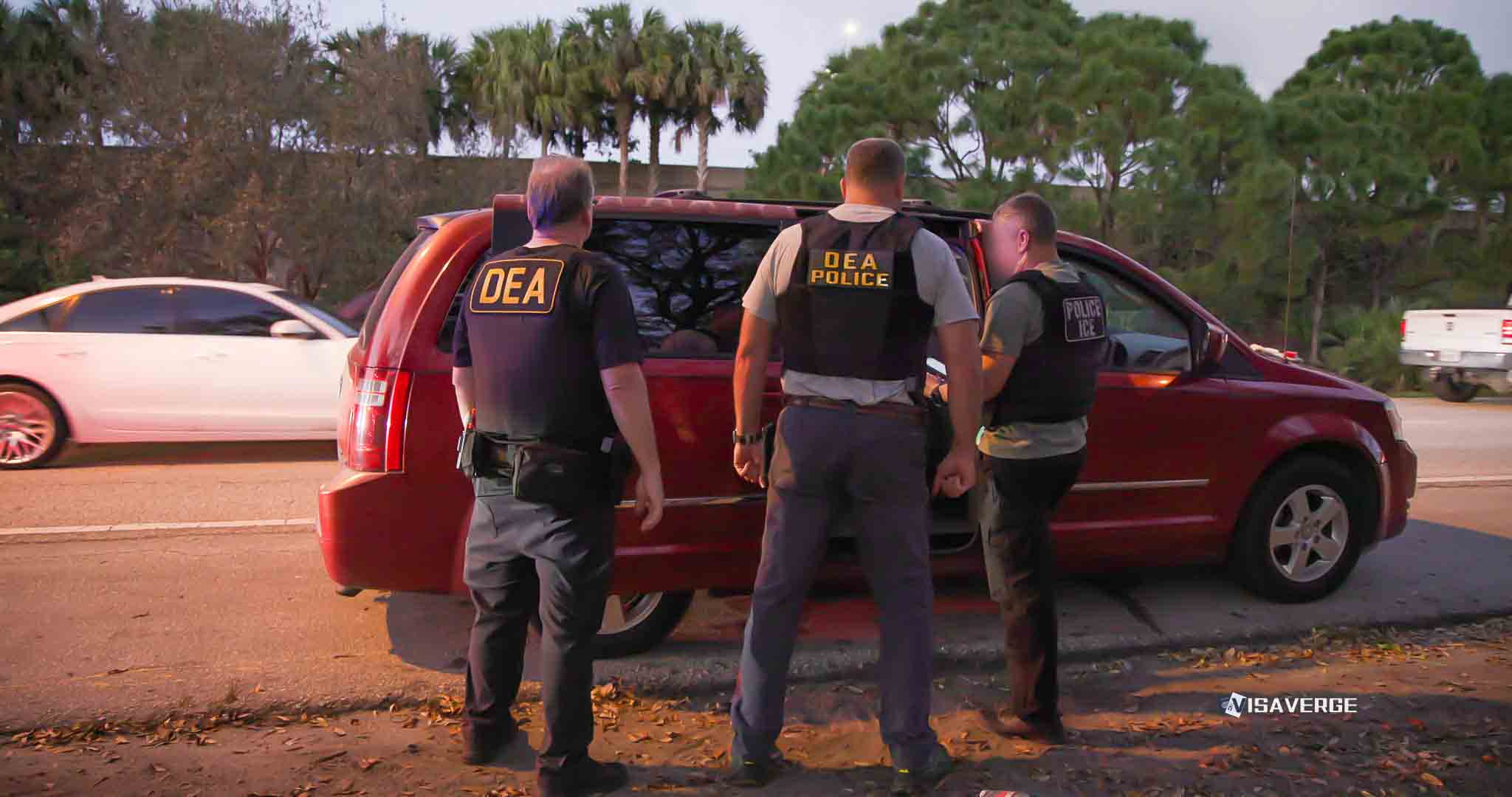
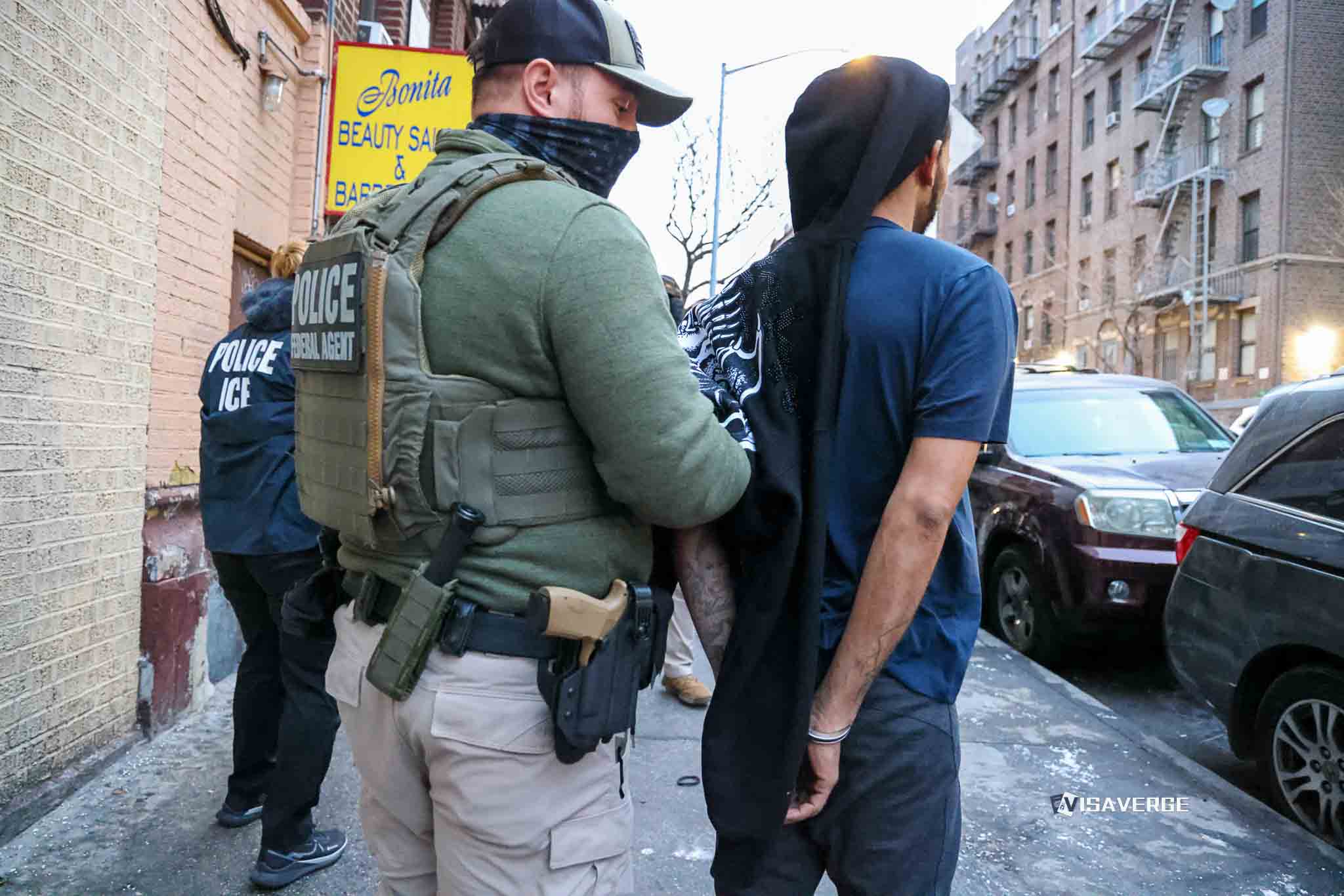
U.S. Immigration and Customs Enforcement issued an internal memo on September 30, 2026, barring officers from pursuing drivers who refuse to pull over and setting requirements for vehicle stops. The guidance calls for activated body-worn cameras at the scene and instructs officers to record vehicle details for follow-up instead of giving chase.
The memo assigns stop duties to trained officers in the agency’s Enforcement and Removal Operations division. Marcos D. Charles, the division’s executive associate director, signed it.
The instructions also address the equipment used during stops and the roles untrained officers may take. A vehicle must use lights and sirens, and personnel lacking the required training may assist only in a limited support role.
The agency described the document as a reminder of existing policy. It did not characterize the memo as a change to how it conducts vehicle stops.
Only trained officers may conduct stops, and support staff cannot drive
The memo limits who may conduct traditional vehicle stops and call-back vehicle stops, a category also described as high-risk or felony stops. Officers must complete designated training before taking the lead. Others may assist, but only in a support capacity.
That support role carries a specific restriction: untrained officers cannot drive vehicles involved in the stop. The guidance places responsibility for conducting the stop with trained personnel.
Vehicles used in stops must activate lights and sirens, so people nearby can identify them as law-enforcement vehicles. If a driver does not pull over, officers are directed to note the vehicle’s information for later investigation rather than pursue it.
The memo allows trained officers to use pinning and spike strips, but only after they complete special instruction for those tactics. That permission sits alongside a separate ban on pursuing a vehicle whose driver refuses to stop.
The memo states:
“Under no circumstances are officers authorized to engage in vehicle pursuits or PIT maneuvers for vehicles that fail to pull over.”
The document amends the agency’s handbook for fugitive operations and supersedes earlier guidance. It also makes clear that the no-pursuit restriction applies when a vehicle fails to stop, while the listed tactics remain limited to personnel with the relevant training.
The agency calls the document a reminder, not a change in policy
An agency spokesperson said leadership sometimes issues reminders to law-enforcement officers. The spokesperson also said the memo “makes no changes to how ICE conducts vehicle stops.”
The spokesperson added: “Vehicle stops and arrests of illegal aliens continue.” The statement presents the memo as a restatement of existing practice, while the document sets out specific limits on who can carry out stops and how officers should respond when a driver does not stop.
The written instructions cover training, equipment, support roles and pursuit restrictions. They also preserve the ability of specially trained officers to use pinning and spike strips under the stated training condition.
Fatal shootings preceded a pause in most vehicle stops
The guidance followed fatal shootings of drivers in Maine and Texas in July 2026 and criticism of vehicle-stop tactics. After those shootings, officers had been directed to temporarily pause most vehicle stops.
A deadly Texas incident also intensified scrutiny of vehicle stops and chases. The new instructions connect stop authority and certain tactics to training and safety measures; they do not describe a blanket end to traffic stops.
The September 30, 2026 memo replaces prior directives from earlier years. Its instructions amend the fugitive-operations handbook and supersede earlier guidance.