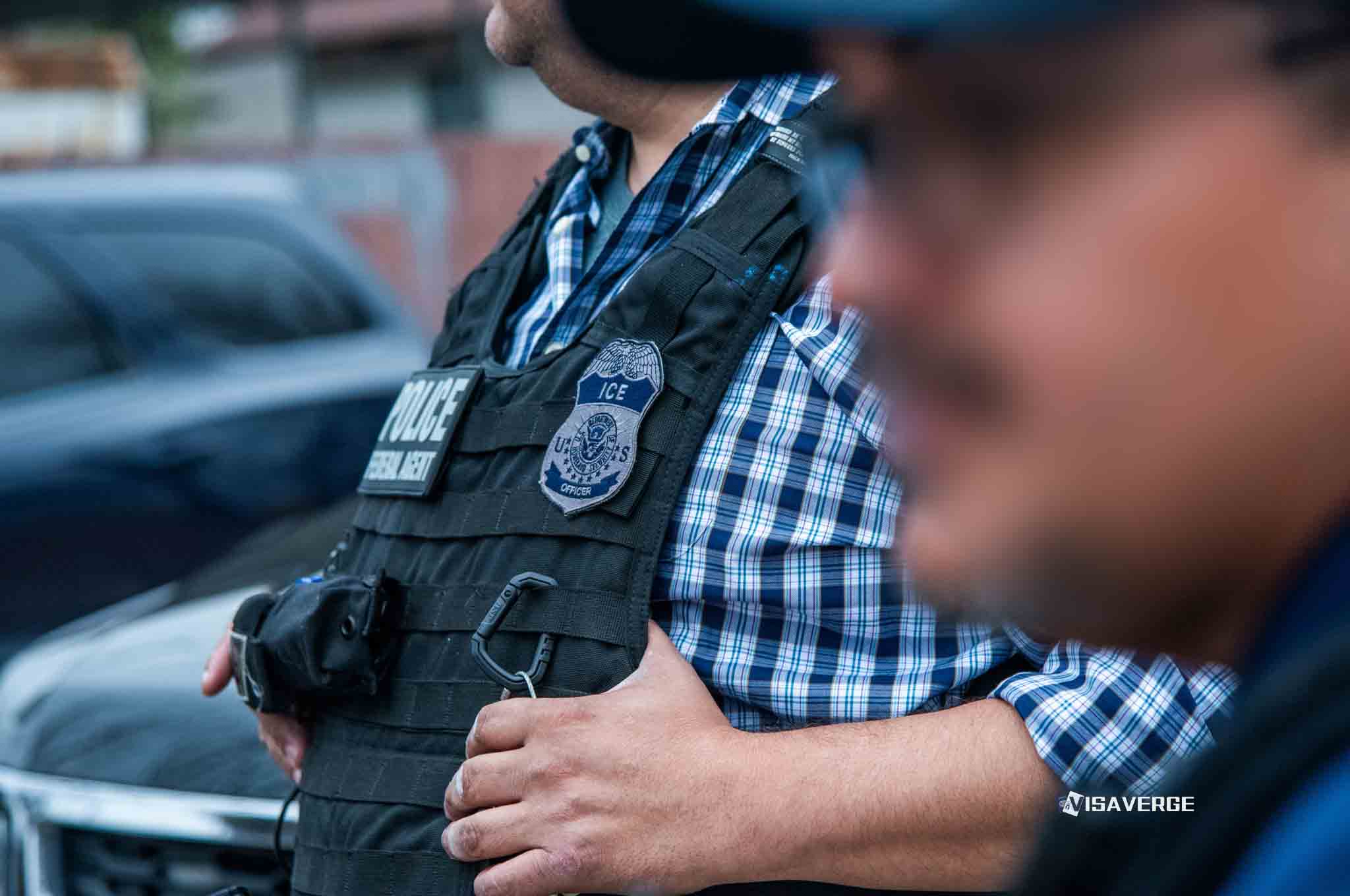
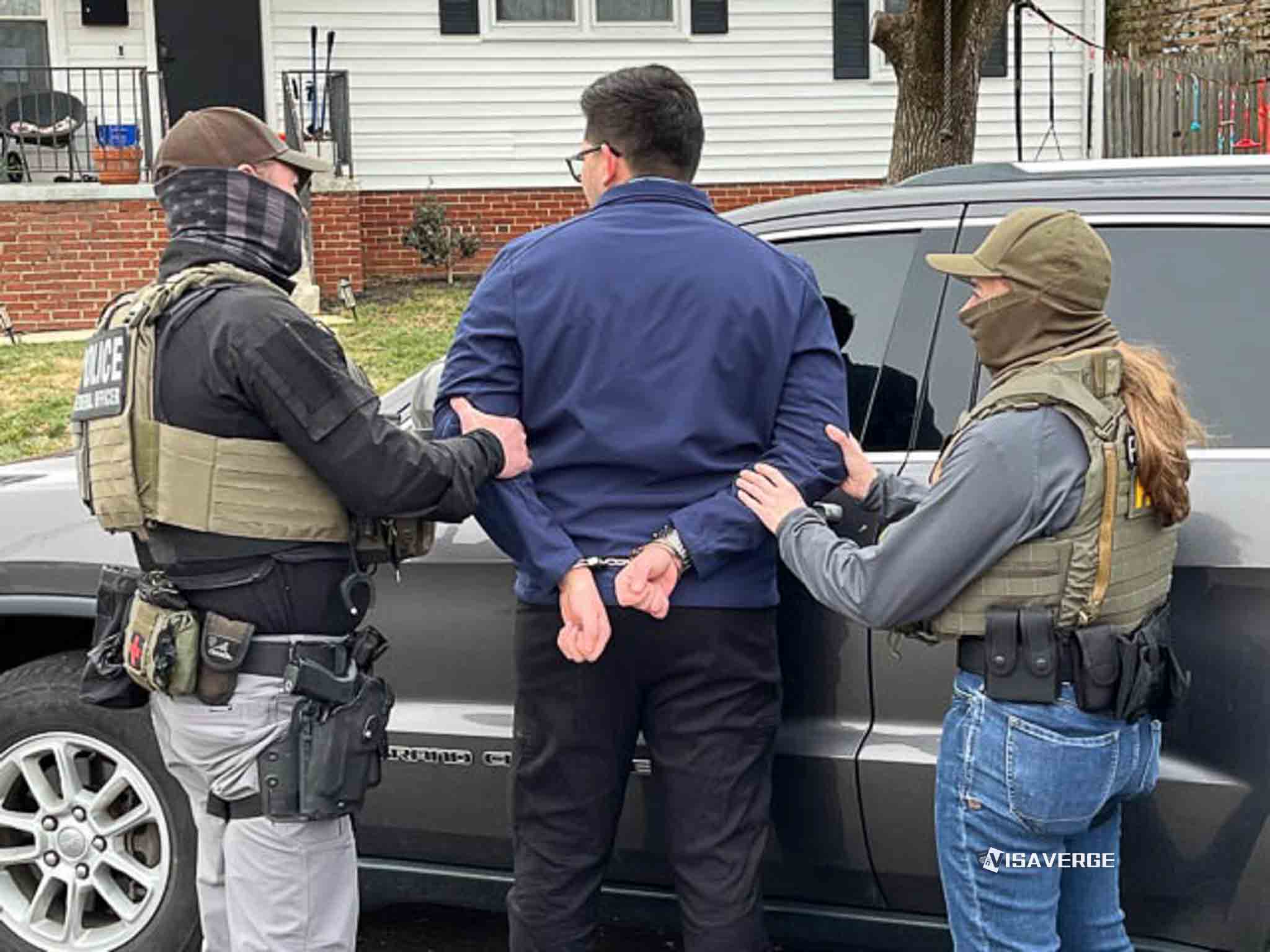
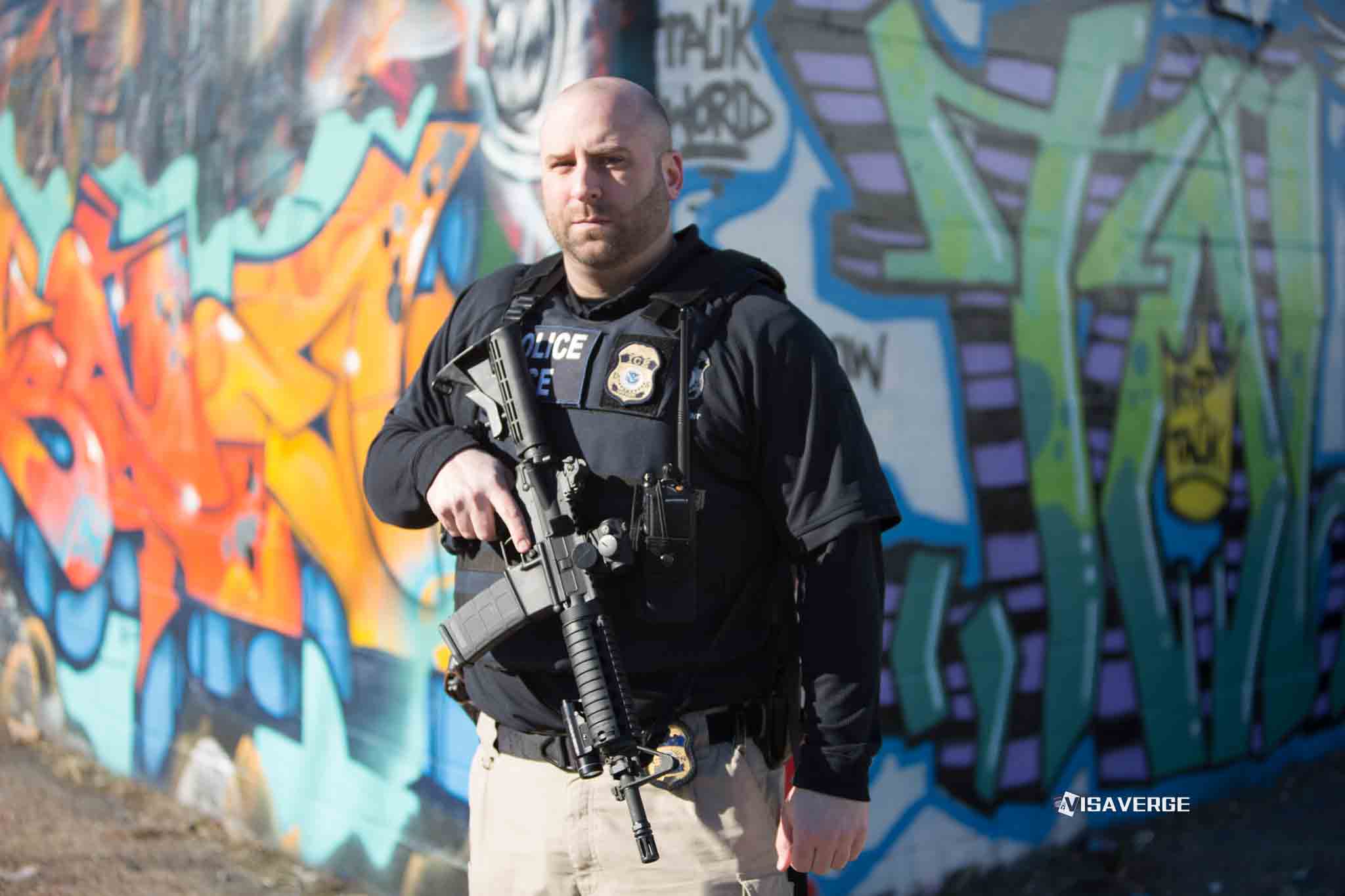
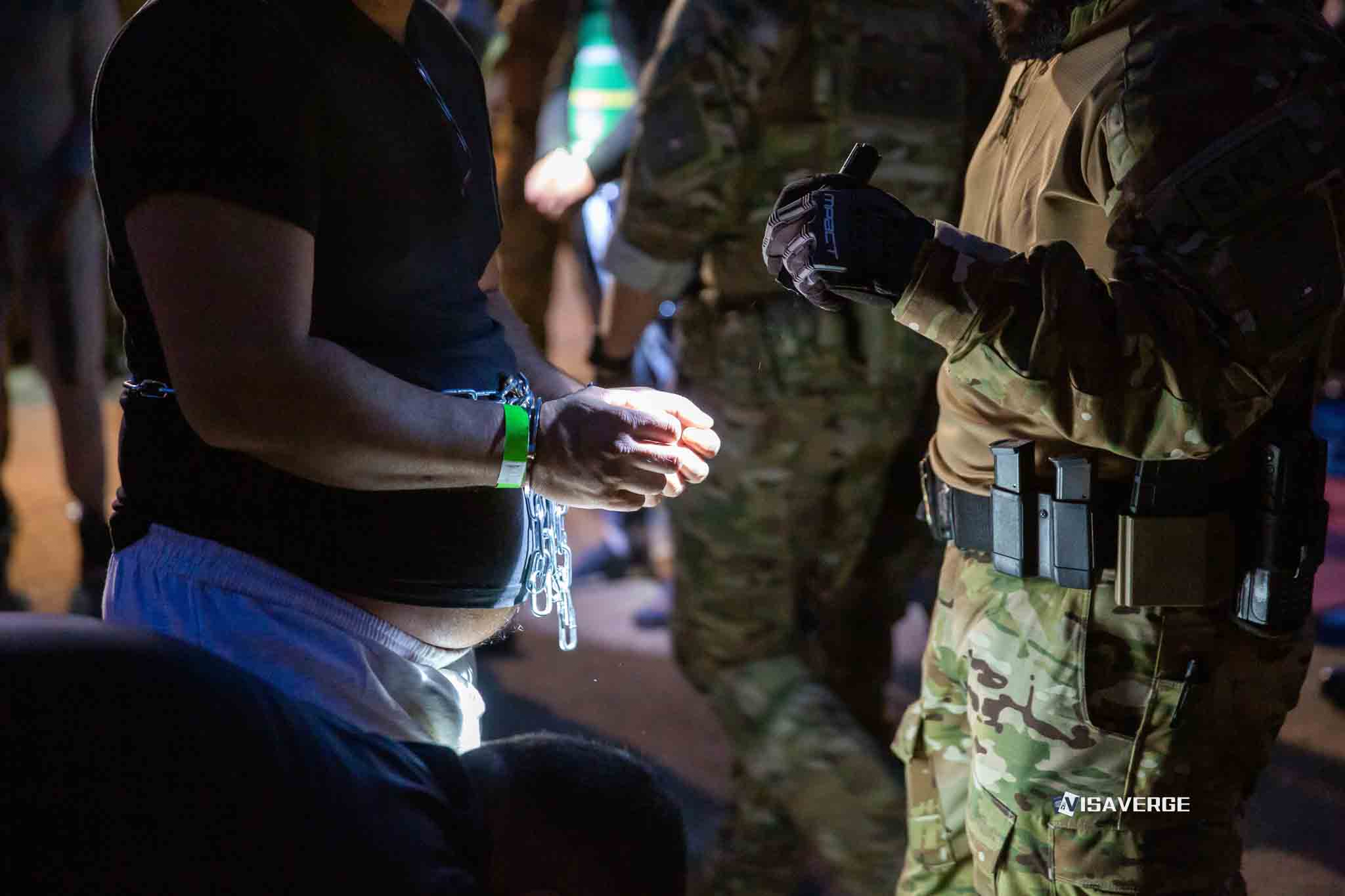
DHS Secretary Markwayne Mullin confirmed that ICE officers involved in the July 13, 2026 shooting of Joan Sebastian Guerrero in Biddeford, Maine were not wearing body cameras, contradicting earlier reports that the devices were present but not activated. On July 14, 2026, DHS issued a new mandate requiring every ICE arrest team to have at least one agent wearing a body camera during arrests.
- The shooting of 26-year-old Joan Sebastian Guerrero is now under a multi-agency investigation involving the DHS Inspector General, the FBI, and Maine Attorney General Aaron Frey.
- Markwayne Mullin told Sen. Angus King that Guerrero “was not the intended target” of the enforcement operation.
- DHS said body cameras are now deployed in more than half of ICE field offices, with the remaining offices expected to receive them in less than 60 days.
- Federal officials suspended most vehicle enforcement stops following two fatal shootings in Maine and Texas.
- The directive allows exceptions for violent criminal suspects and operations involving active criminal warrants.
- Officers must undergo updated training for vehicle operations to address identification and safety concerns.
Federal officials have ordered ICE officers to suspend most vehicle enforcement stops nationwide after two fatal shootings in less than a week, according to current and former senior Department of Homeland Security officials.
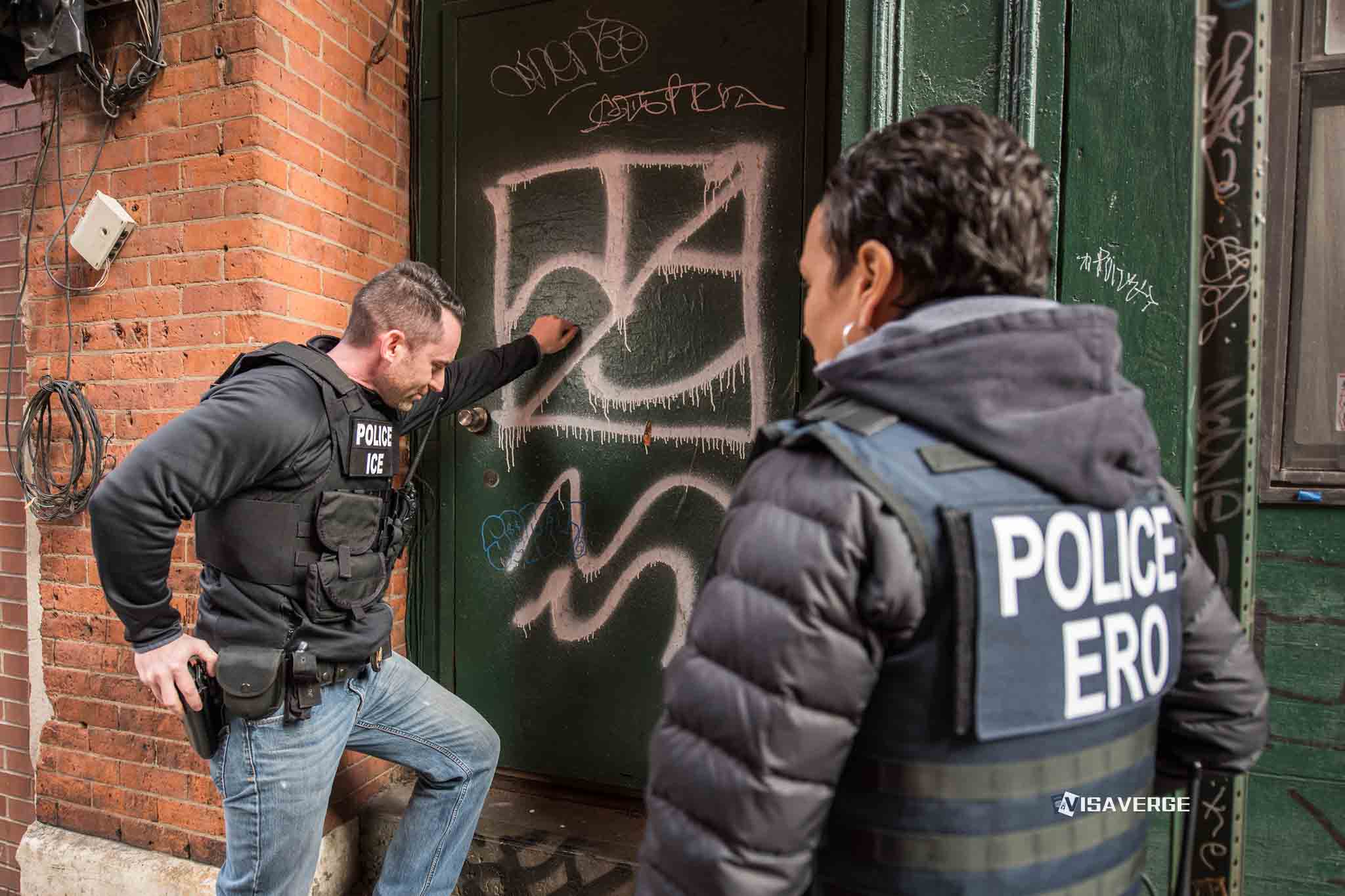
The temporary directive still permits operations targeting people with serious or violent criminal histories. It also allows stops conducted with partner agencies to execute a criminal warrant.
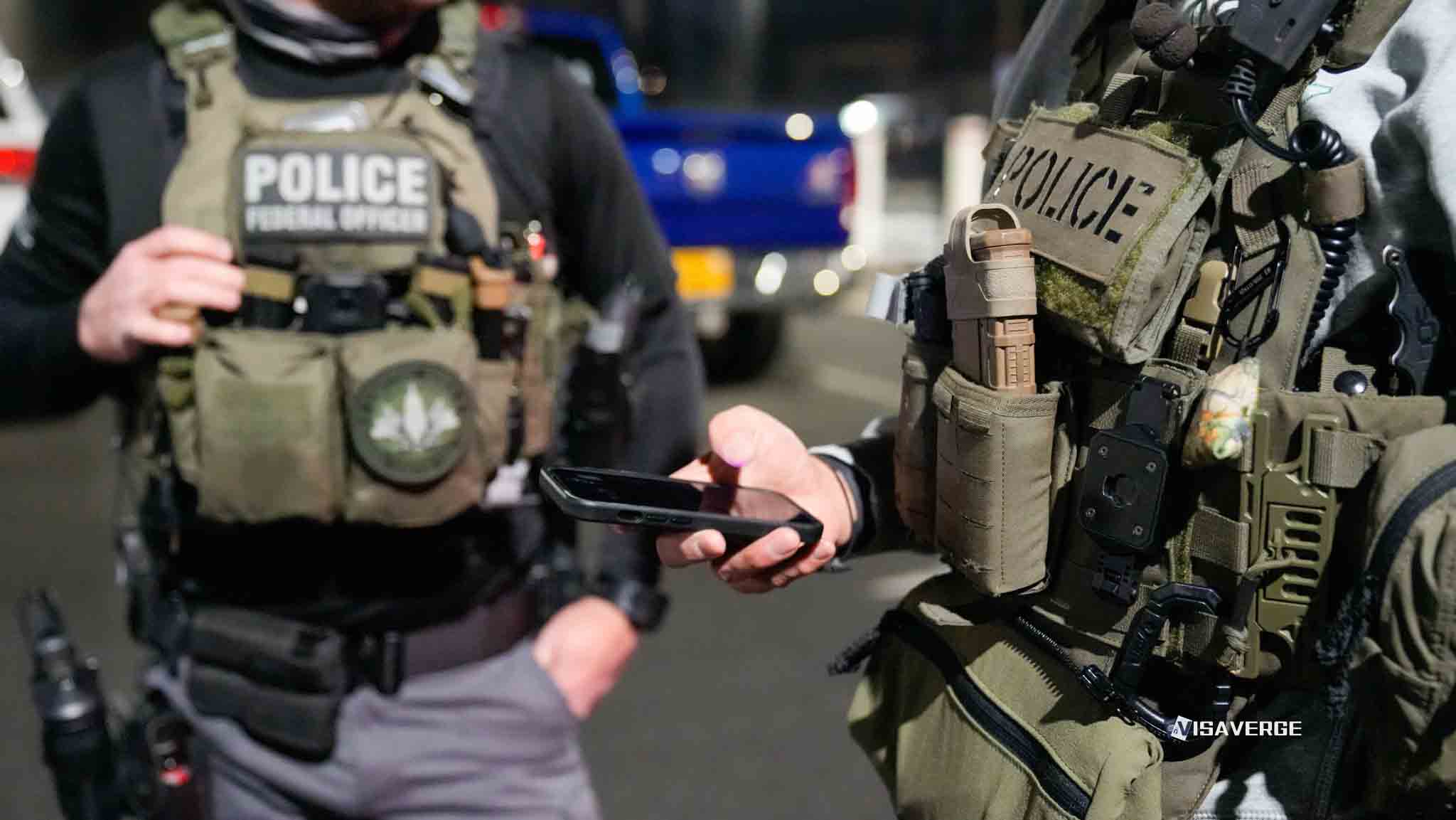
The order is intended to give officers in the agency’s Enforcement and Removal Operations division updated training for vehicle operations. Its exact effective date remains unclear, although reports of the directive emerged Tuesday, July 14, 2026, after the latest shooting.
DHS has not publicly confirmed the order. ICE said it is “always evaluating our procedures” but declined to discuss specific tactics.
The reported suspension came after shootings in Maine and Texas. Both involved drivers who were not the original targets of the operations.
On Monday, July 13, an officer shot and killed Joan Sebastian Guerrero, 26, in Biddeford, Maine, about 15 miles south of Portland. Guerrero was a Colombian national.
Agents had been surveilling another person who had a final removal order. Guerrero left the residence, and officers tried to stop the vehicle. The vehicle fled, and an officer fired while fearing for public safety.
DHS Secretary Markwayne Mullin told Sen. Angus King that Guerrero had attempted to use his vehicle as a weapon. The incident occurred at about 7:00 AM ET.
The Maine shooting followed the death of Lorenzo Salgado Araujo, 52, in Houston on Tuesday, July 7. Araujo was a Mexican national who was driving a white van that agents stopped because it resembled the vehicle used by two Guatemalan targets.
DHS later acknowledged that Araujo was not the intended target. ICE said he rammed an agency vehicle and tried to run over an officer, prompting the officer to fire in self-defense.
The pause leaves narrow exceptions for high-risk cases
The reported order does not prohibit every immigration-related stop. Officers may continue operations against the most dangerous criminal suspects, including people with serious or violent criminal histories.
They may also work with partner agencies when executing a criminal warrant. Most other vehicle operations would pause while officers receive updated instruction.
A senior DHS official had urged a broader halt hours before the directive became public. The official said:
“Not doing traffic stops. Not blocking the vehicles. If they run. They run. Find them later. Don’t force a bad position”
The same official said supervisors should “shut down ops” until the agency could address safety concerns.
Maine Sen. Susan Collins separately urged Mullin to “cease all non-urgent vehicle stops” after the Biddeford shooting. The request came as the administration relied increasingly on traffic operations to increase arrests during President Donald Trump’s mass-deportation campaign.
Mistaken identity has intensified scrutiny of the shootings
The Houston case drew demands for an independent investigation after DHS admitted agents had stopped the wrong person. Mexico’s president also sought legal measures after Araujo’s death.
The two shootings have raised questions about how agents identify vehicles and assess threats during rapidly changing encounters. The reported training pause addresses that operational gap rather than ending the broader enforcement campaign.
Since Trump returned to office, ICE has doubled the number of deportation officers. Many receive relatively little training in vehicle stops while working in plainclothes and unmarked cars.
The deaths also form part of a wider pattern involving federal immigration officials. The Maine shooting was described as the 10th fatal shooting by those officials since Trump’s second term began in January 2025, with at least four involving vehicles.
Another count put the number of people killed by federal immigration officers since January 2025 at least six. The figures reflect different fatality measures, but both shootings occurred during an expanded enforcement period.
Training will determine how much enforcement changes
The directive’s exceptions leave officers able to pursue cases involving serious or violent criminal histories and criminal warrants. Routine vehicle operations, however, face a temporary setback as the agency reviews officer tactics and training.
The order also places attention on the use of unmarked vehicles and plainclothes officers, conditions that can complicate identification during traffic encounters. The administration has not said how long the training period will last.
The latest shooting occurred Monday morning in Biddeford. By Tuesday, officials were describing a nationwide pause while the agency reassessed how officers conduct vehicle operations.