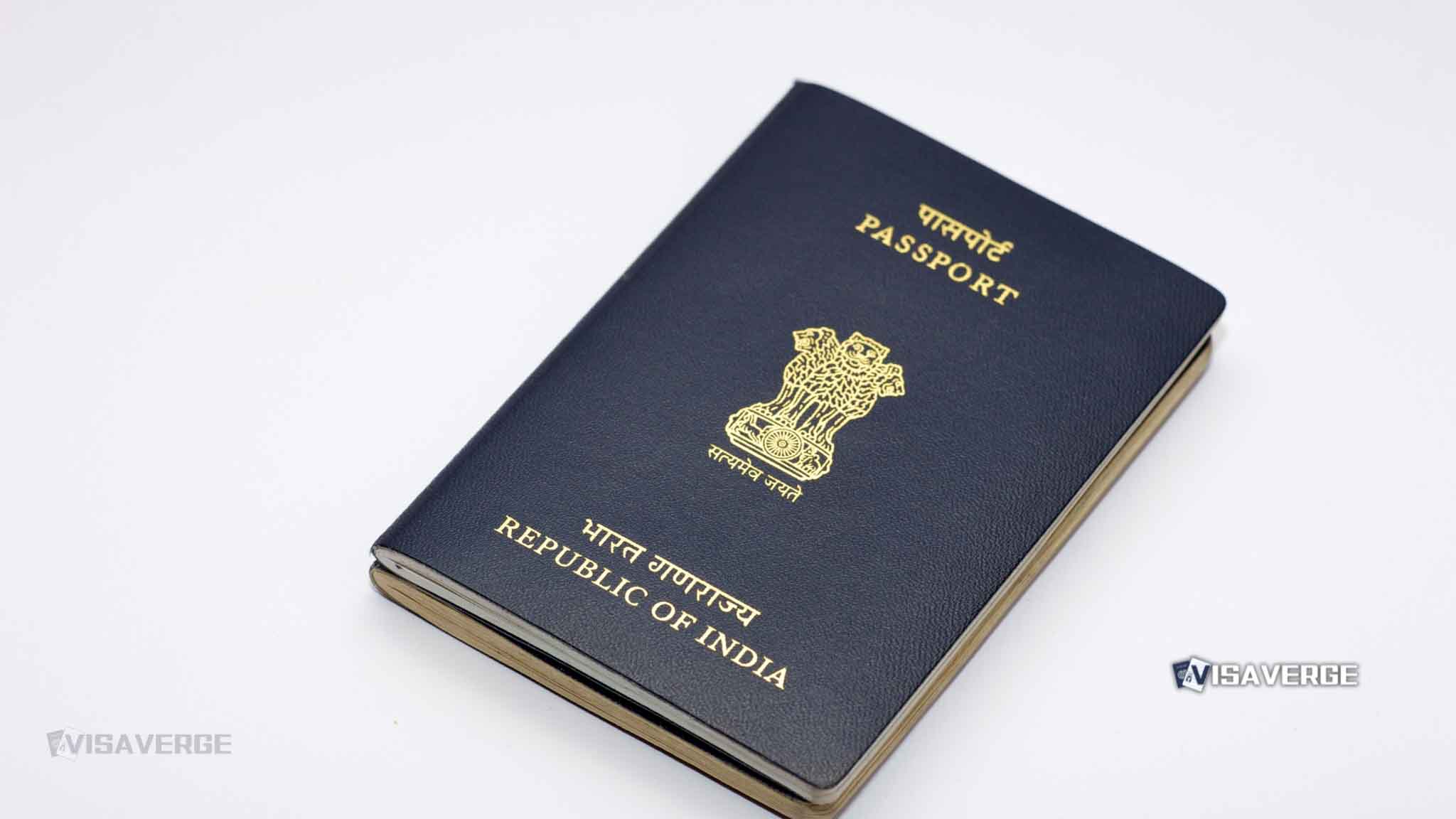
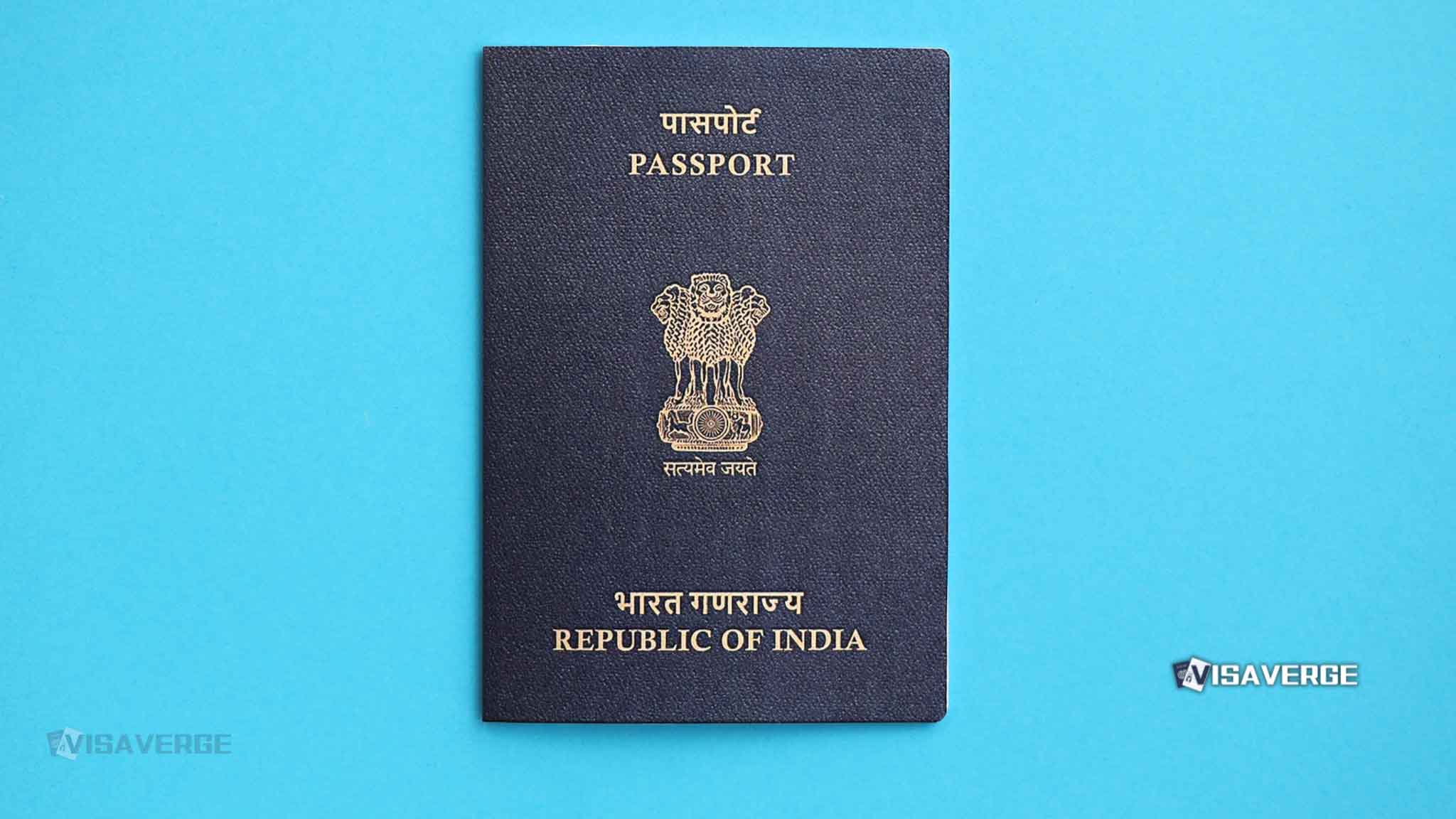
- The Indian government clarifies that passports regulate international travel and departure rather than defining citizenship status.
- Officials emphasize the document is governed by the Passports Act of 1967 rather than citizenship legislation.
- Less than eight percent of citizens currently hold passports, impacting the document’s use in electoral verification.
Randhir Jaiswal, India’s foreign ministry spokesperson, said Tuesday that a Passport is issued to control citizens’ departure from the country, not to serve as a standalone definition of citizenship.
Jaiswal made the statement during a press briefing in New Delhi on July 14, 2026. He linked the document’s purpose to the Passports Act, 1967, which governs the issuance and use of Indian travel documents.
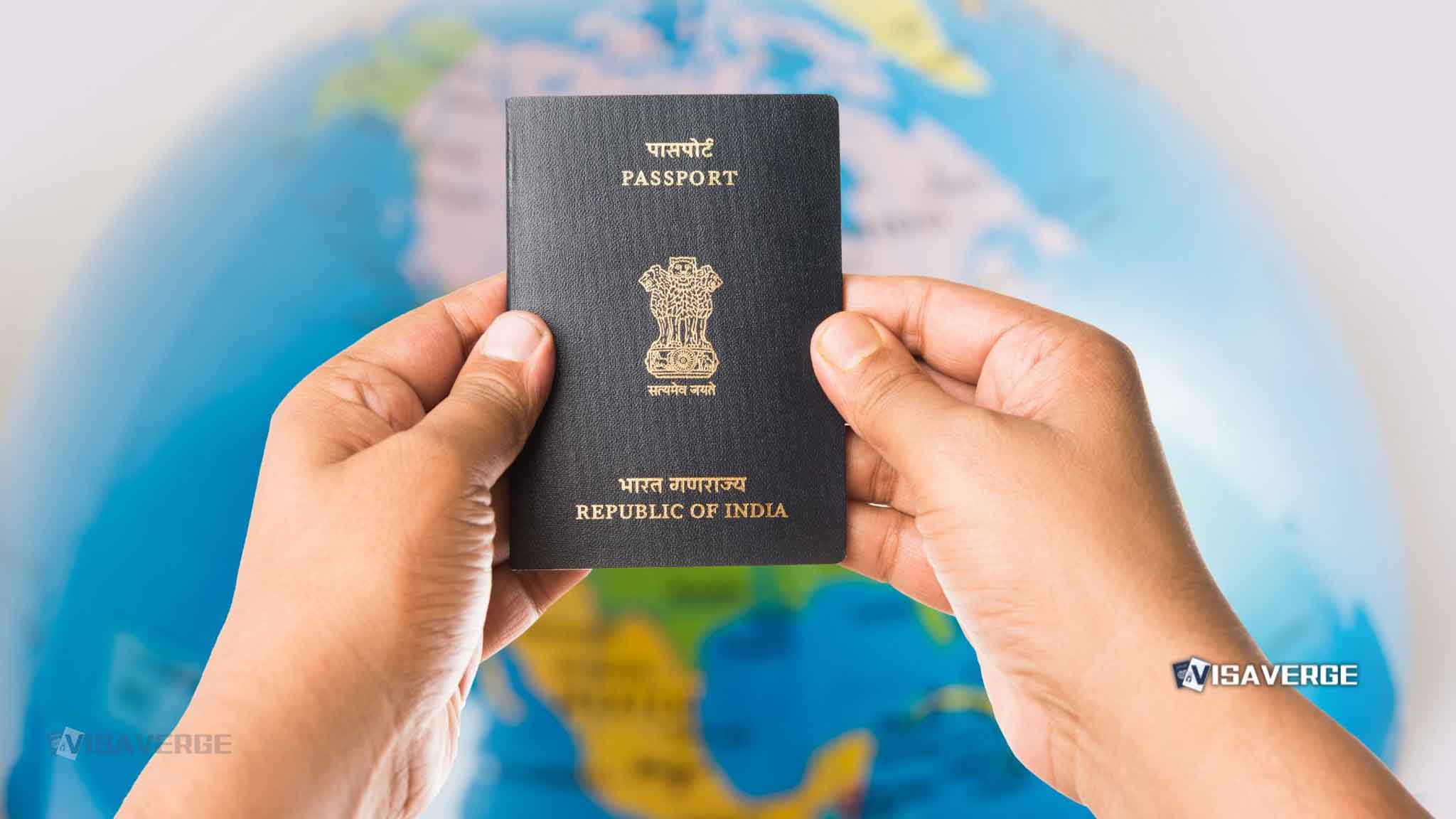
“An Indian passport is a document that, as per the Passports Act, 1967, is issued by the Government of India to regulate the departure from India of citizens of India. It is issued after due verification laid out by an established process.”
Jaiswal is the Official Spokesperson for the Ministry of External Affairs. His explanation came as a domestic dispute continues over whether passports can establish citizenship during the Special Intensive Revision, or SIR, of electoral rolls.
The distinction is narrow but consequential. The document is issued to citizens after verification, while the legal framework governing citizenship sits separately under the Citizenship Act, 1955.
The foreign ministry separates travel control from citizenship status
Officials had described the document as a “travel document” during an earlier briefing on June 24, 2026, which coincided with Passport Seva Divas. That description prompted questions about whether an Indian passport should be treated as definitive evidence of citizenship.
Jaiswal’s latest wording addressed the issue through the document’s statutory function. The government’s position, as described in the briefing, is that the passport regulates international transit and departure after an established verification process.
It does not replace citizenship law.
The government also says that only Indian citizens receive the document. That fact forms part of the argument over its evidentiary value, even as officials distinguish the travel document from the separate legal status of citizenship.
Jaiswal said less than 8% of Indian citizens currently hold a passport. Ownership therefore covers only a minority of the country’s citizens, a point that has added weight to arguments about the document’s use in electoral verification.
The SIR debate puts the document’s evidentiary value under scrutiny
The Special Intensive Revision concerns the verification of electoral rolls. The dispute focuses on whether possession of an Indian passport should, by itself, settle a person’s citizenship status for that process.
The foreign ministry’s formulation does not describe the document as irrelevant. Instead, it places the passport inside the legal system regulating departure from India and emphasizes the checks required before issuance.
That leaves two questions running alongside each other: whether the state issued the document after verifying an applicant’s eligibility, and what evidence the law requires to establish citizenship in a separate proceeding.
The first question concerns passport administration. The second concerns citizenship and electoral records.
The distinction also explains why officials have used different descriptions in recent briefings. “Travel document” describes the passport’s function when a person crosses an international border. Citizenship is a legal status governed under a different statute.
Higher fees now affect fresh and expedited applications
India also changed the cost of obtaining the document shortly before Jaiswal’s clarification. The fee increase took effect on July 1, 2026, marking the first such increase in 14 years.
A standard 36-page fresh passport now costs ₹2,500, compared with ₹1,500 previously. Tatkaal service now costs ₹5,000.
| Service | Current fee | Previous fee or change |
|---|---|---|
| Standard 36-page fresh passport | ₹2,500 | ₹1,500 previously |
| Tatkaal service | ₹5,000 | Fee increased under the July 1 change |
The fee changes concern access to the document, while Tuesday’s statement concerned its legal purpose. Both developments affect how citizens obtain and use passports, but they address different parts of the system.
The department’s explanation places issuance on a verification process. It does not turn the passport statute into the country’s citizenship statute.
The statement adds a legal frame to a practical document
A passport allows an Indian citizen to travel internationally under a document issued by the government. Its statutory purpose also gives the government a mechanism to regulate departure from India.
That is the point Jaiswal put at the center of his answer. The government issues the document only after due verification, but the legal purpose cited for it remains control of departure.
The wording is likely to remain relevant as authorities assess documents during the electoral-roll revision. Passports may still form part of a person’s records, while the question of citizenship continues under the separate legal framework.
Jaiswal’s formulation was direct: “regulate the departure from India of citizens of India.” That phrase defines the purpose officials attributed to the document during the July 14 briefing.