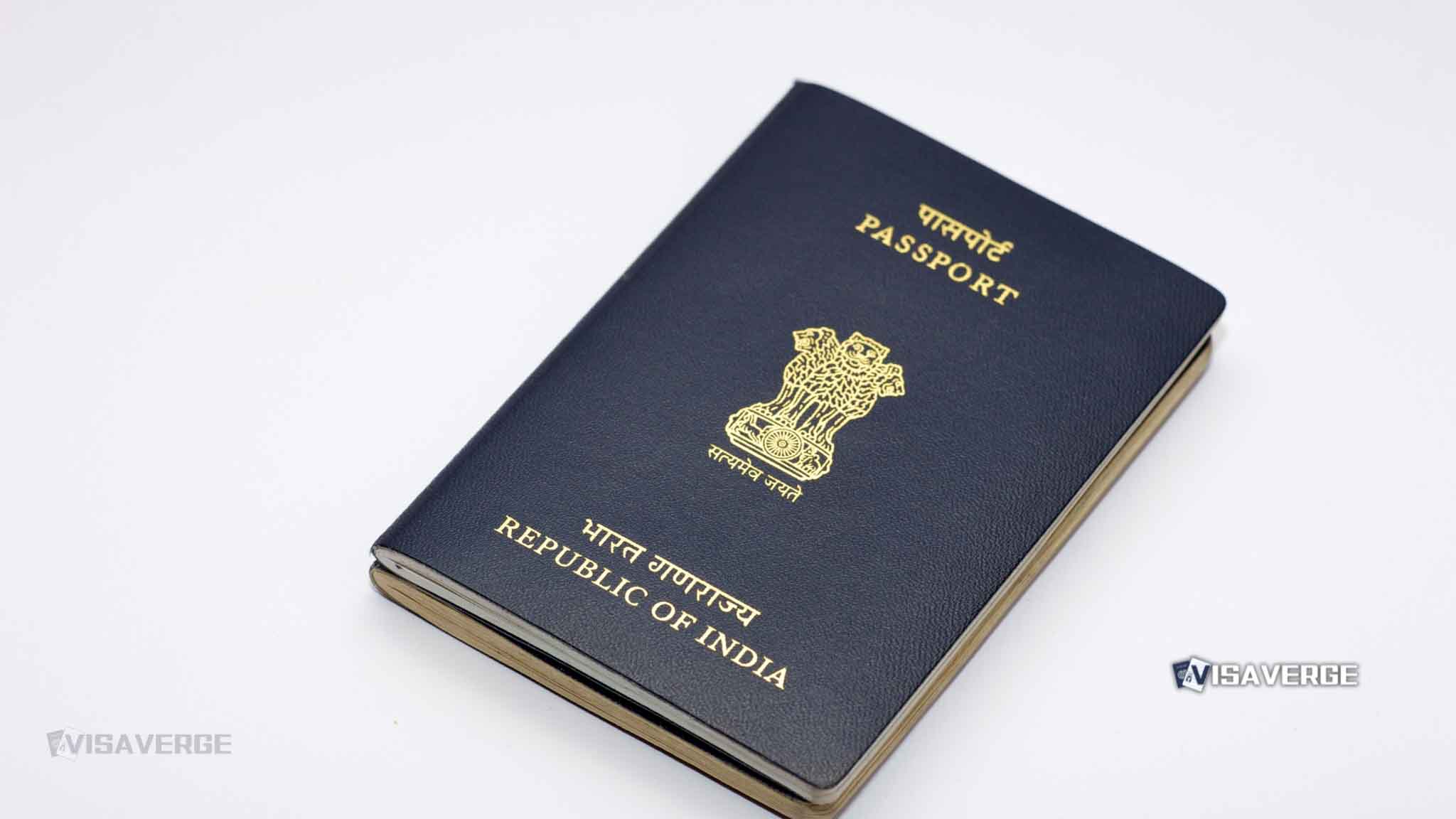
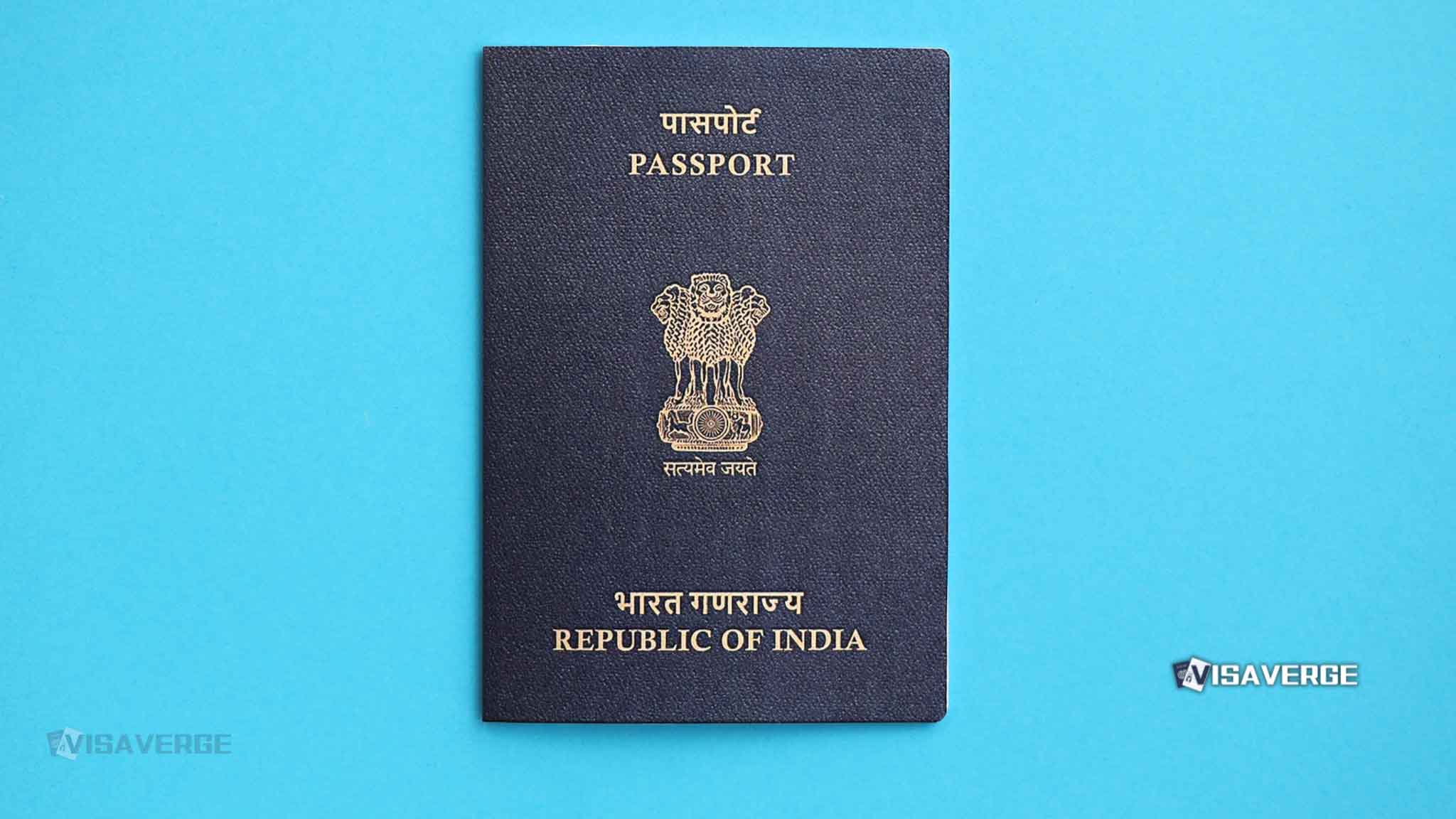
- Indian tax residency is based on physical presence and day counts rather than nationality.
- A person is resident if spending one hundred eighty-two days or more in India annually.
- Passports serve as critical evidence for travel records during tax disputes and audits.
(INDIA) — A passport may not conclusively prove citizenship, but it remains one of the most critical documents for determining tax residence in India. Physical presence and day counts can decide whether global income becomes taxable.
The distinction between citizenship and tax residence has sharpened following recent public debate. Documents such as passports, Aadhaar, voter ID and driving licence serve different legal purposes.
Free toolSubstantial Presence Test Calculator
The central question for income-tax purposes is different. The issue is not whether a passport conclusively proves citizenship, but where the taxpayer was physically present, and for how many days, during the relevant previous year.
Citizenship is a legal relationship between an individual and a state. Tax residence, by contrast, is determined by the tax law of a country.
In India, residential status under income-tax law is primarily linked to physical stay. The Income Tax Department’s guidance sets out the basic stay-based tests.
An individual is resident if present in India for 182 days or more during the relevant previous year. An alternative test requires 60 days in that year and 365 days in the preceding four years.
A person may hold an Indian passport but qualify as non-resident for Indian income-tax purposes. Conversely, a foreign citizen may become tax resident in India if the statutory stay conditions are met.
Citizenship and tax residence operate on separate legal tracks. This distinction matters for a wide range of taxpayers.
NRIs, expatriates, seafarers, foreign employees, consultants and internationally mobile professionals all face residential-status questions that turn on physical presence rather than nationality.
In international tax cases, the department, taxpayer, appellate authorities and courts examine travel records to determine residential status. These findings can determine whether global income is taxable in India.
They also decide whether only India-sourced income applies, whether foreign salary is taxable, or whether treaty relief may be claimed. An Indian citizen working in the United States, United Arab Emirates, Singapore, Australia or the United Kingdom may claim non-resident status in India.
The passport may not decide citizenship conclusively. But immigration stamps, travel history, and entry-exit records can establish the number of days spent in India.
In many tax disputes, residential status turns on counting days. A difference of a few days can change the entire tax result.
If a taxpayer is resident in India, global income may become taxable, subject to applicable relief. If the taxpayer is non-resident, only India-connected income is generally taxable.
Physical presence is not a minor procedural fact. It is often the foundation of the tax analysis.
Passport records can support a taxpayer’s claim in several ways. Entry and exit dates from India are visible in the stamps. Duration of stay outside India and frequency of foreign travel can be established.
The records also reveal whether the taxpayer was abroad during relevant employment or business periods. Whether the stay crossed the statutory threshold can often be determined from these documents.
At the same time, passport records may not always be complete. Some countries do not stamp passports consistently. Electronic gates, e-visas, digital immigration systems and multiple passports can create gaps in the travel record.
These records should be read along with immigration data, airline tickets, boarding passes, employment records, visa records, foreign residence permits and tax residency certificates. A passport is important evidence, but it is not always sufficient by itself.
Tax authorities increasingly rely on data from multiple sources. These include immigration records, annual information statements, foreign remittance data, bank information, employer records, and treaty exchange-of-information mechanisms.
Individual taxpayers should avoid relying only on a broad statement that they live abroad. The safer approach is to maintain a complete travel and residence file.
That file should include passport copies, visa copies, and arrival and departure details. Foreign employment contracts, overseas tax returns, and foreign tax identification numbers should also be kept.
Residence permits, rent agreements, utility bills, foreign bank records, and employer certificates are relevant where applicable. The more globally mobile the taxpayer, the more important this documentation becomes.
While passport records help prove physical presence, treaty claims require additional documentation. A non-resident seeking benefit under a Double Taxation Avoidance Agreement must generally produce a Tax Residency Certificate from the foreign country.
The Income Tax Department’s guidance on double taxation relief sets out the requirements. A non-resident entitled to claim treaty relief under a DTAA must obtain a Tax Residency Certificate from the government of the foreign country.
The guidance also refers to the requirement of furnishing additional information electronically in Form 10F. A passport may show where a person travelled, but it does not automatically prove tax residency of another country for treaty purposes.
A taxpayer may have spent substantial time outside India. For claiming treaty benefit, that taxpayer may still need a valid TRC from the foreign jurisdiction and Form 10F details, where applicable.
NRIs face particular exposure because residential status affects the scope of income taxable in India. Many NRIs travel frequently to India for family, property, business, medical or personal reasons.
Some assume that because they work abroad or hold a foreign visa, they automatically remain non-resident. That assumption can be risky. Year by year, the day-count test must be applied.
A person can be non-resident in one year and resident in another, depending on actual stay. Passport and immigration records help verify this position. Investment income, rental income, capital gains, foreign salary, stock options, retirement accounts and foreign bank interest are all affected.
The tax treatment may change depending on whether the person is resident, non-resident or not ordinarily resident. From the department’s perspective, passport records are relevant evidence in cases involving foreign income, unexplained remittances, NRI status, foreign salary, offshore assets or treaty benefit.
The Assessing Officer may need to verify the taxpayer’s residential status before deciding taxability. Officials should not treat the passport as conclusive on every issue.
It should be used as one piece of evidence, corroborated with immigration data, foreign tax documents, employment records, bank records and treaty documentation where necessary. The passport debate should not lead to two extremes.
One extreme is to say passport proves everything. The other is to say passport proves nothing. Both approaches are incorrect for tax purposes.
Better reasoned is the view that passport records are not conclusive proof of citizenship, but they remain highly relevant evidence of travel and physical presence.
Global taxpayers should maintain a year-wise travel record. This is especially important for people who frequently enter and leave India. A practical record file should include scanned copies of old and new passports.
Entry and exit stamp pages, e-visa approvals, and air tickets should be preserved. Boarding passes and immigration movement records are also important. Foreign employment contracts, residence permits, and tax residency certificates should be kept.
Form 10F details, foreign tax returns, and an Indian visit calendar with date-wise stay calculations complete the file. This record should be maintained for each financial year, because residential status is determined year by year.
Casual classification is the biggest risk in international tax cases. Many taxpayers describe themselves as NRI without calculating the exact number of days. Some assume that foreign employment automatically means non-resident status.
These assumptions can fail if the day-count test shows otherwise. Treaty claims should not be made casually either. A DTAA claim requires proper support, and treaty residence must be backed by TRC and other required information.
In a data-oriented tax environment, unsupported claims are more likely to be questioned. Taxpayers should preserve contemporaneous evidence rather than reconstruct travel history years later during scrutiny or appellate proceedings.
The recent passport debate carries an important lesson for international taxation. A passport may not be final or conclusive proof of citizenship. But passport and immigration records remain vital evidence for proving physical presence, travel history and residential status.
Citizenship and tax residence are different concepts. Indian income-tax residential status depends mainly on physical stay in India, and treaty claims require proper documents such as TRC and Form 10F where applicable.
The passport may not answer every legal question. But in international tax, it can still answer one of the most important factual questions: where was the taxpayer, and for how many days?