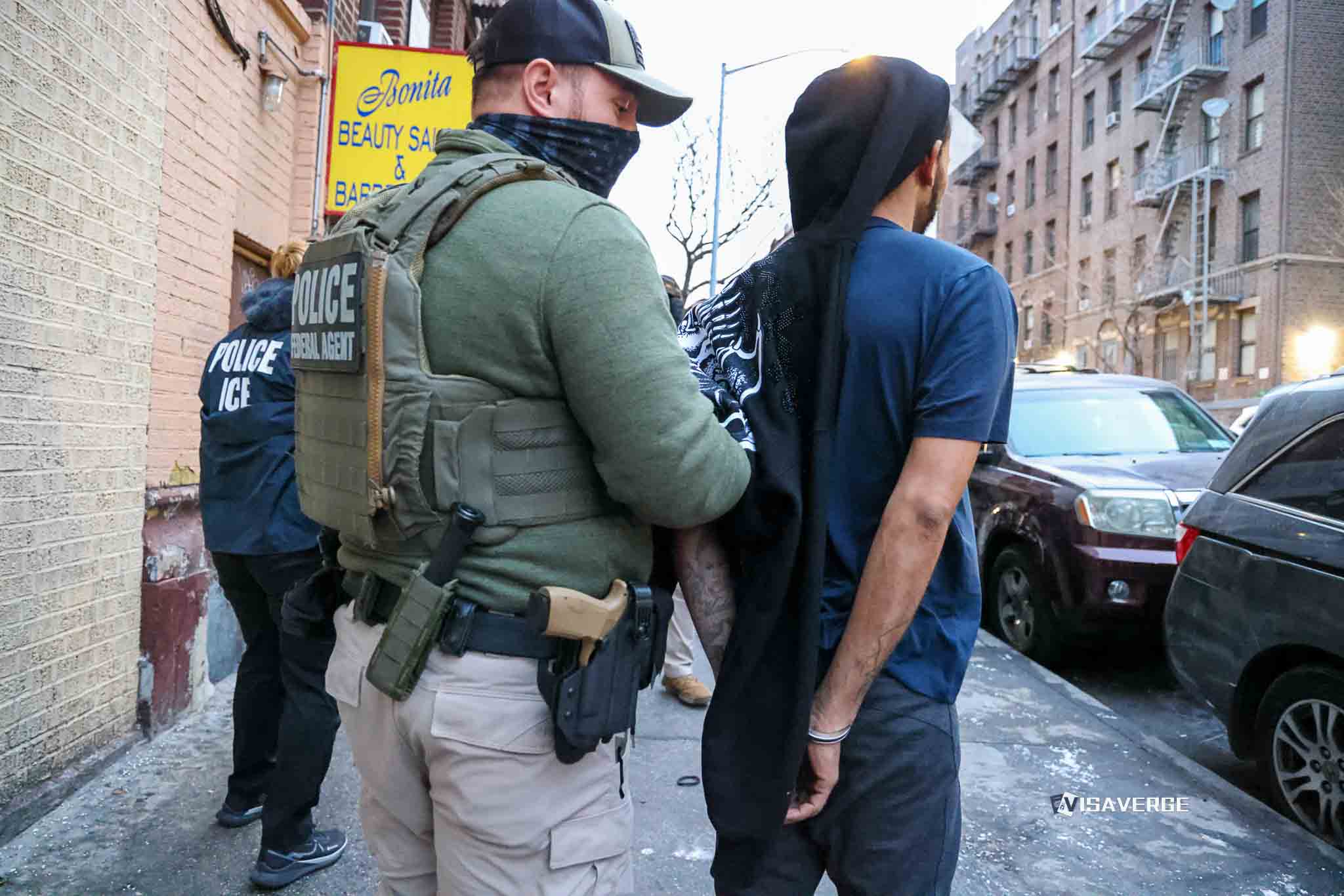
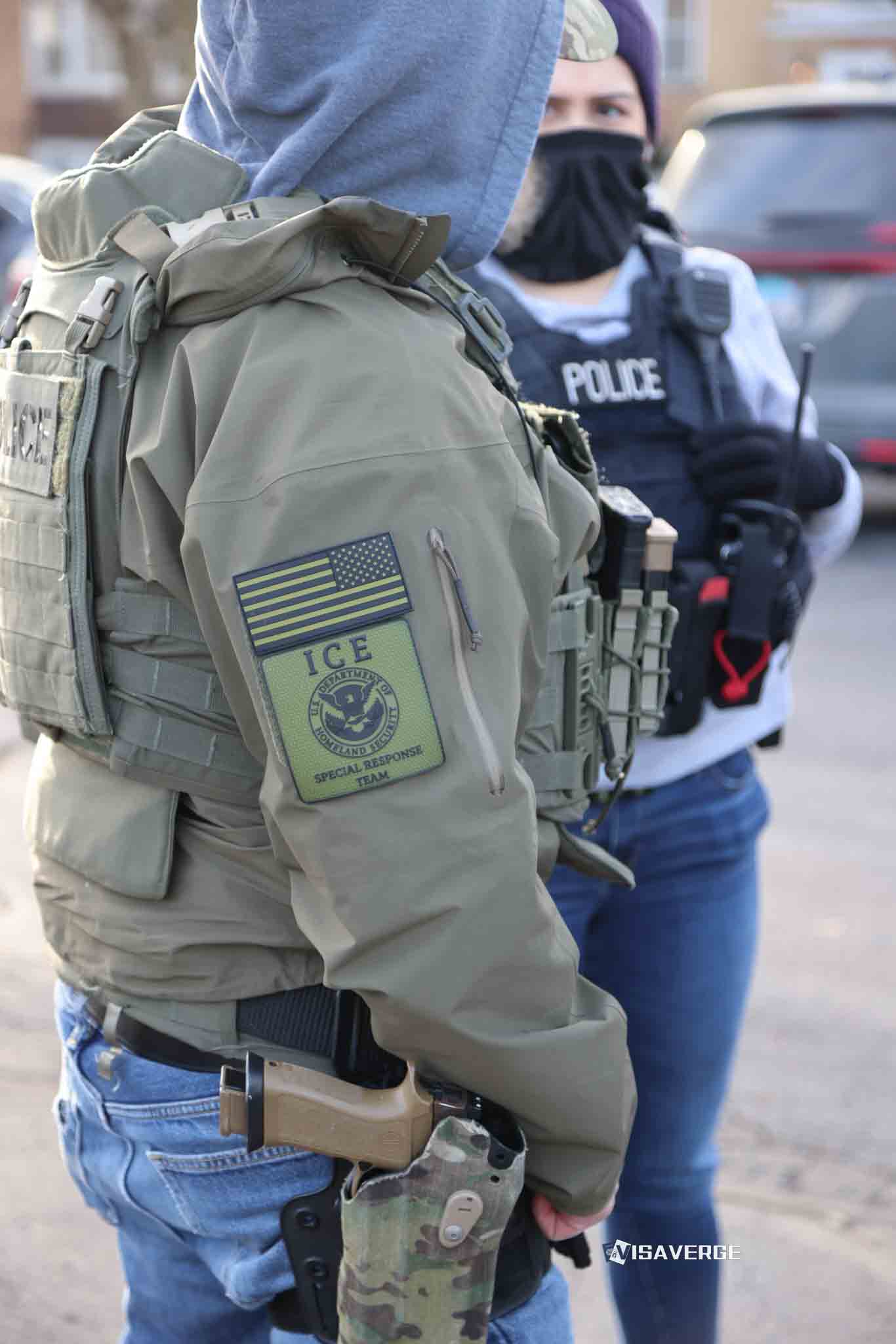
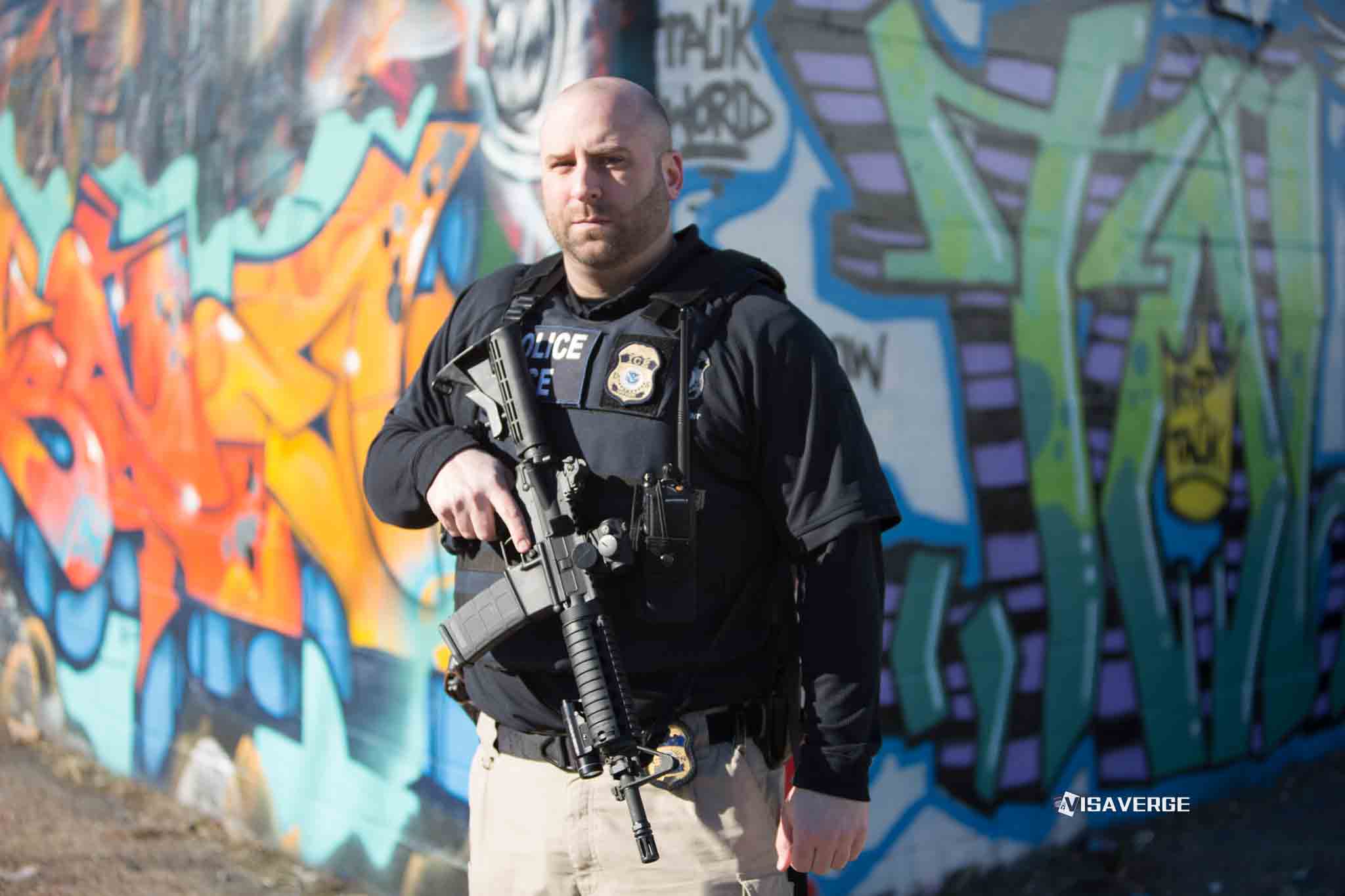
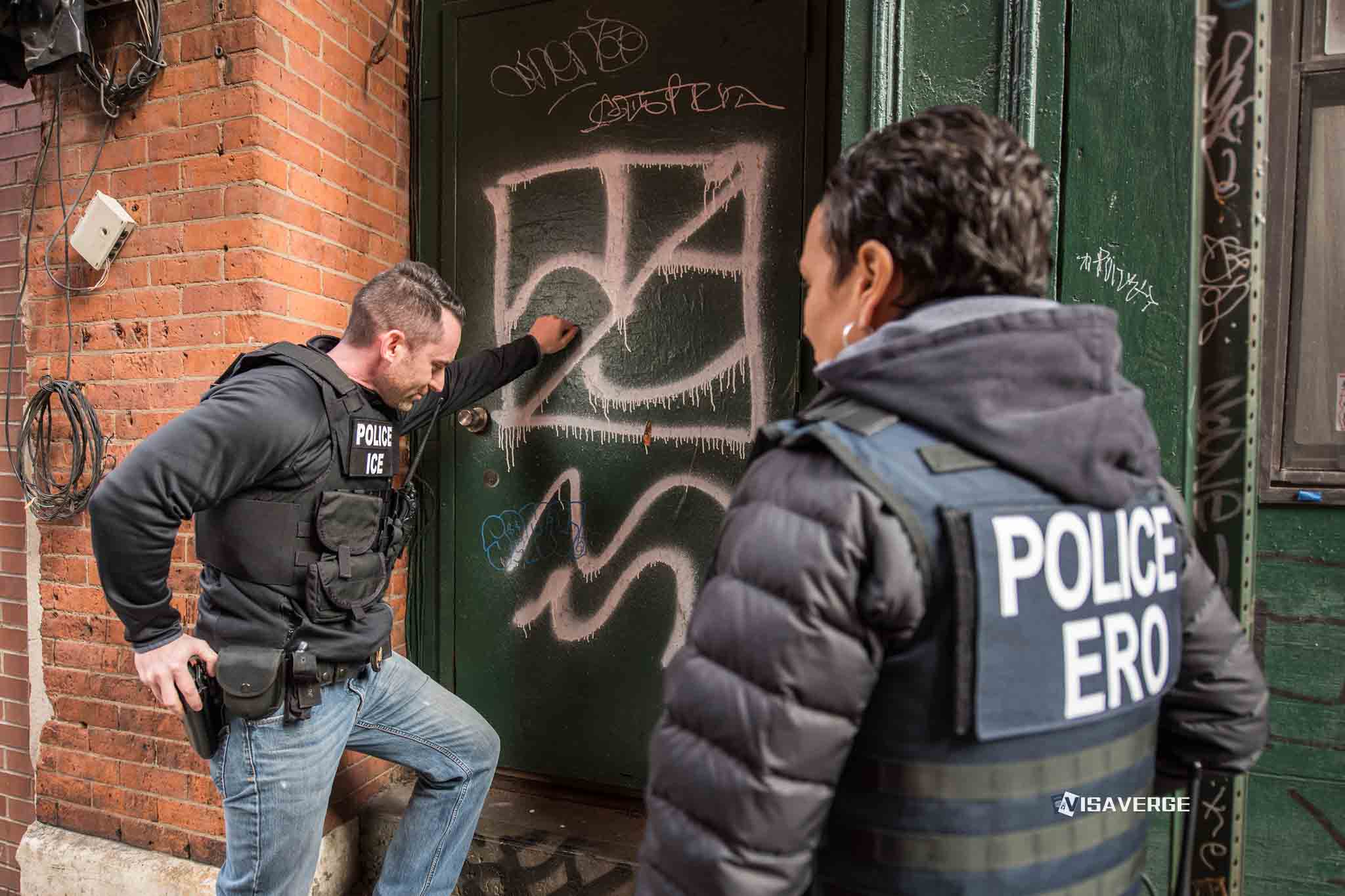
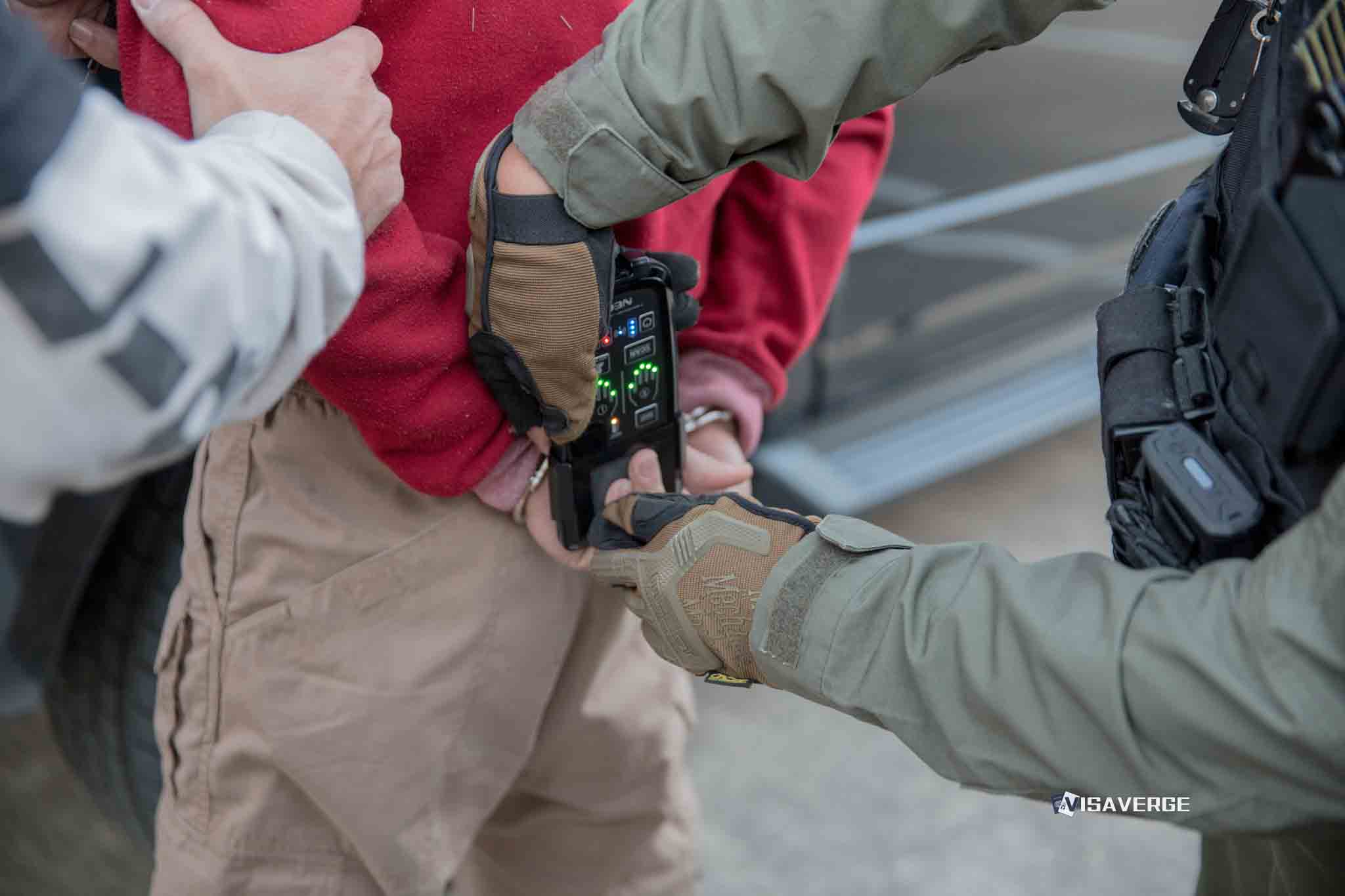
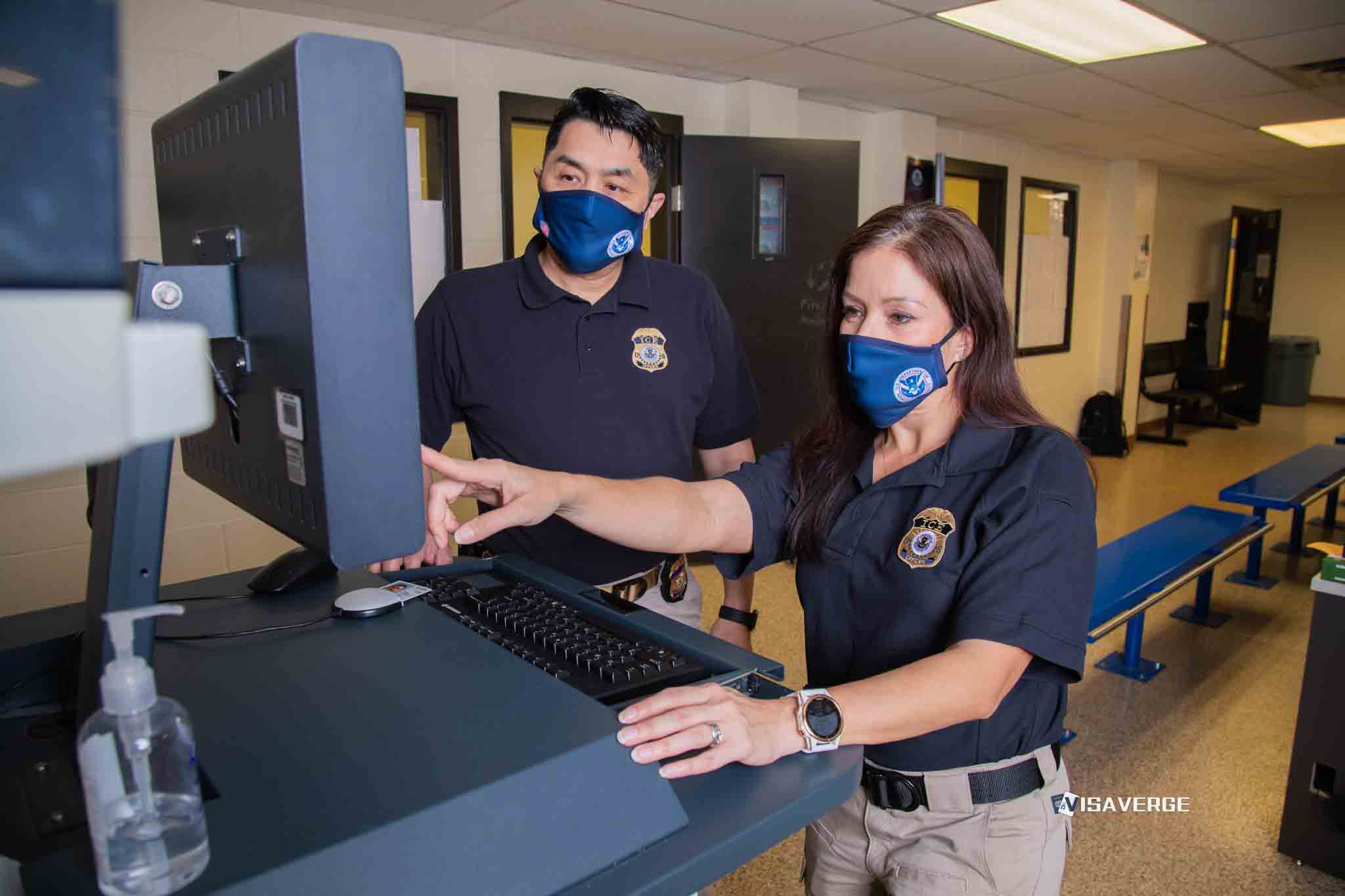
- ICE moved the deadline to equip every field officer with body-worn cameras to August thirty-first, twenty twenty-six.
- The acceleration follows fatal shootings in Texas and Maine where no camera footage was recorded by agents.
- A controversial policy allows the ICE director to withhold sensitive footage based on the agency’s best interests.
David J. Venturella announced Saturday that U.S. Immigration and Customs Enforcement will equip every field officer and agent with body-worn cameras by the end of August, moving up a rollout previously expected to finish in September.
The agency now targets August 31, 2026, rather than September 30, 2026. Venturella became acting director on June 1 after Todd Lyons resigned.
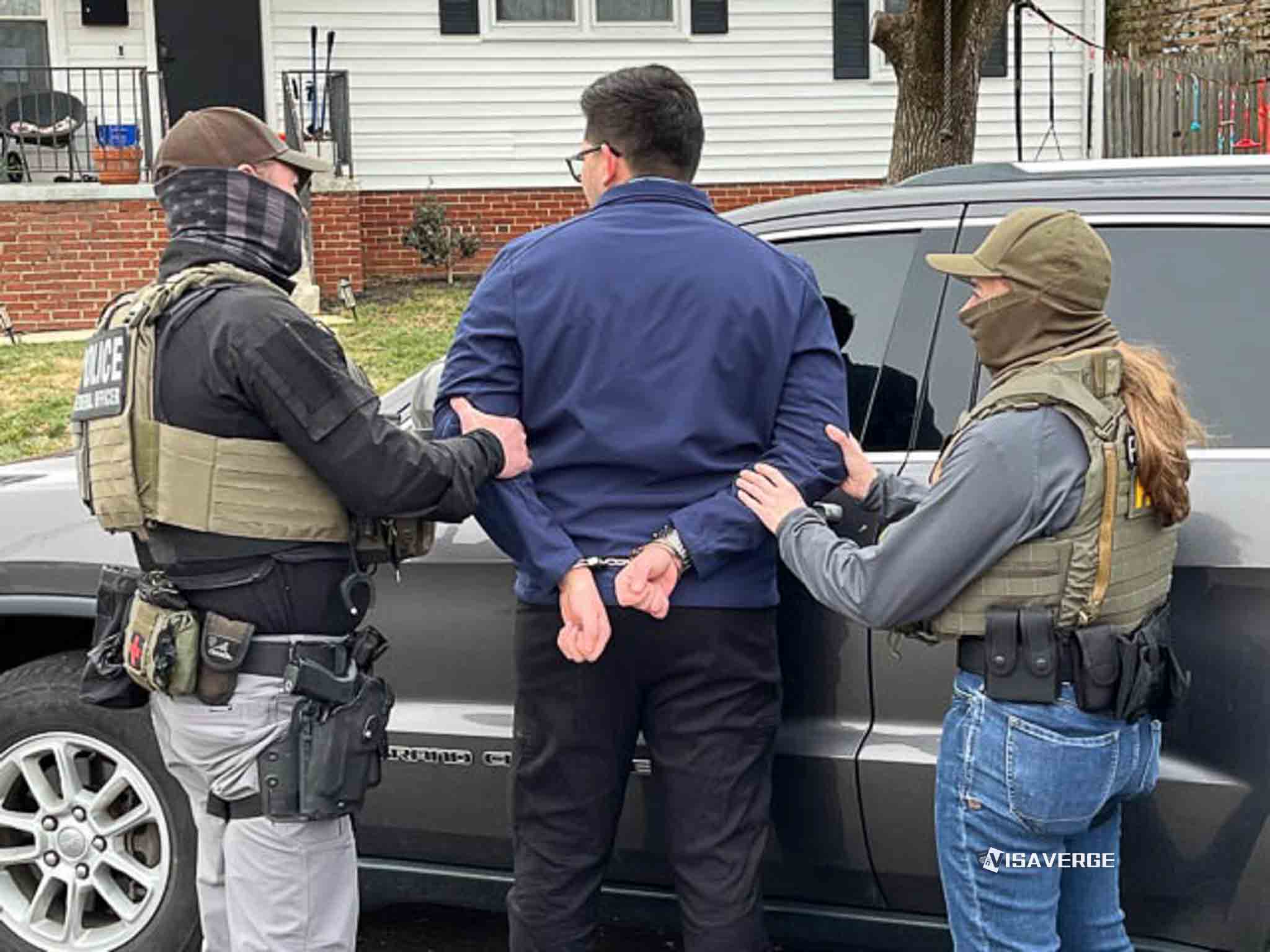
“We're committed to transparency and accountability, and we're on track to equip every officer and agent in the field with body-worn cameras by the end of August, ahead of our original timeline.”
The accelerated schedule follows fatal shootings in which ICE officers lacked cameras, including the July 7 death of Lorenzo Salgado Araujo in Houston. The 52-year-old Mexican national was fatally shot after the agency said he rammed a vehicle, while witnesses disputed that account. No camera footage exists.
An agent also shot and killed Johan Sebastián Durán Guerrero, 26, during a July 13 vehicle stop in Biddeford, Maine. The Colombian national was not recorded by a camera. Those incidents came after January deaths in Minneapolis involving Renee Nicole Good, 37, and Alex Pretti, which prompted nationwide protests and a temporary government shutdown as lawmakers sought funding for the equipment.
Congress funded the purchase, and ICE has already delivered equipment to more than half its field offices
Congress allocated $20 million for the equipment in April 2026 as part of an agreement ending the partial government shutdown. ICE then issued delivery orders totaling $30.9 million to Axon Enterprise on July 17 and July 20.
More than half of the agency’s field offices had received equipment by mid-July. The new requirements set different coverage rules for arrests and traffic stops.
| Enforcement activity | Camera requirement |
|---|---|
| Field arrest team | At least one officer must wear an active camera |
| Vehicle stop | Every officer must have an active camera |
| Nationwide deployment | All field officers and agents targeted by August 31, 2026 |
The underlying body-worn camera policy dates to February 2025. ICE had previously told Sen. Susan Collins that deployment would finish by the end of August, although later agency estimates moved full implementation to the end of September before Venturella accelerated the schedule.
The agency can still withhold footage under its release policy
ICE Directive 19010.3 gives the director discretion over recordings from shootings and incidents involving death or serious injury. The agency may release that footage only when doing so serves its “best interests.”
A Body-Worn Camera Review Group evaluates serious incidents before the director decides. The panel includes Deputy Director Charles Wall, senior ICE officials and legal advisers, and it recommends whether a recording should be released.
The director can block or delay disclosure when “specific and compelling circumstances” support withholding the footage. The policy allows that delay to continue indefinitely.
Sen. Angus King said the provision “defeats the purpose” of the cameras if ICE can prevent the public from viewing recordings. Professor Christopher Schneider of Brandon University offered a broader criticism.
“ICE is saying the quiet part out loud. cameras are being used as image-work tools to present the police in the most favorable way possible.”
Venturella’s announcement therefore expands recording coverage without requiring automatic public disclosure after a deadly encounter. The agency will control the initial review and the final release decision.
Officials have pressed ICE to expand recording requirements
Tom Homan, the White House “Border Czar,” said officers should wear cameras so the public can see the circumstances they observed before taking action.
“They exonerate more law enforcement than they convict, and I want officers to wear body cameras because I want the American people to see what the officers saw when they took that action.”
A federal court had already imposed a narrower requirement. In October 2025, U.S. District Judge Sara Ellis ordered ICE officers in the Chicago area to wear cameras after reports of aggressive tactics during “Operation Midway Blitz.”
Rep. Donald Norcross introduced the Trust Through Transparency Act in early 2026. The bill would legally require cameras for all federal immigration agents.
Venturella, a former GEO Group executive, assumed the acting-director role after Lyons left. His private-detention background has drawn scrutiny over potential conflicts involving detention contracts.
The nationwide deadline now arrives on August 31. ICE’s release standard will determine how much of the resulting footage the public can see after future shootings or serious injuries.
This article provides general information and is not legal advice. Consult a qualified immigration attorney about your specific case.