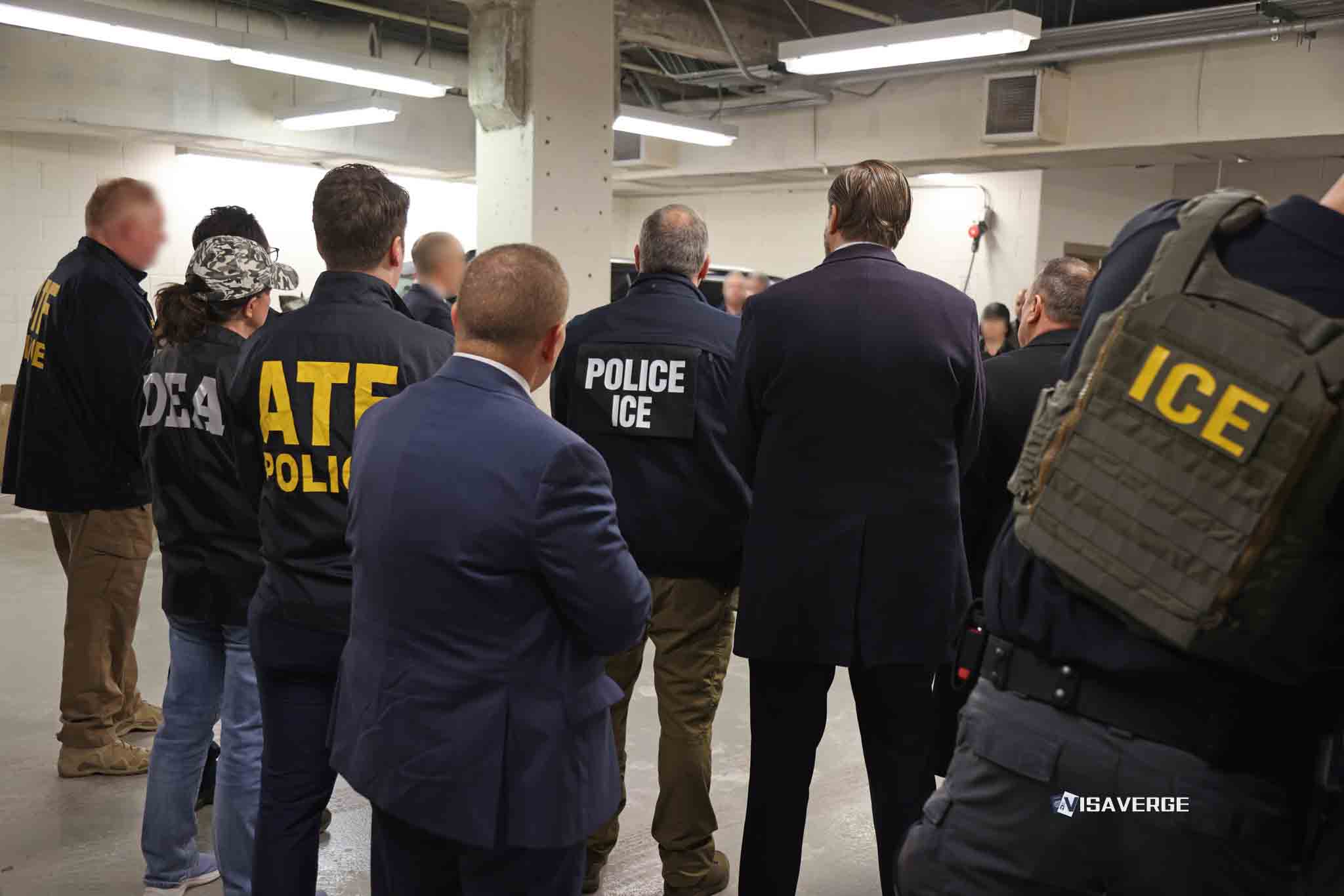
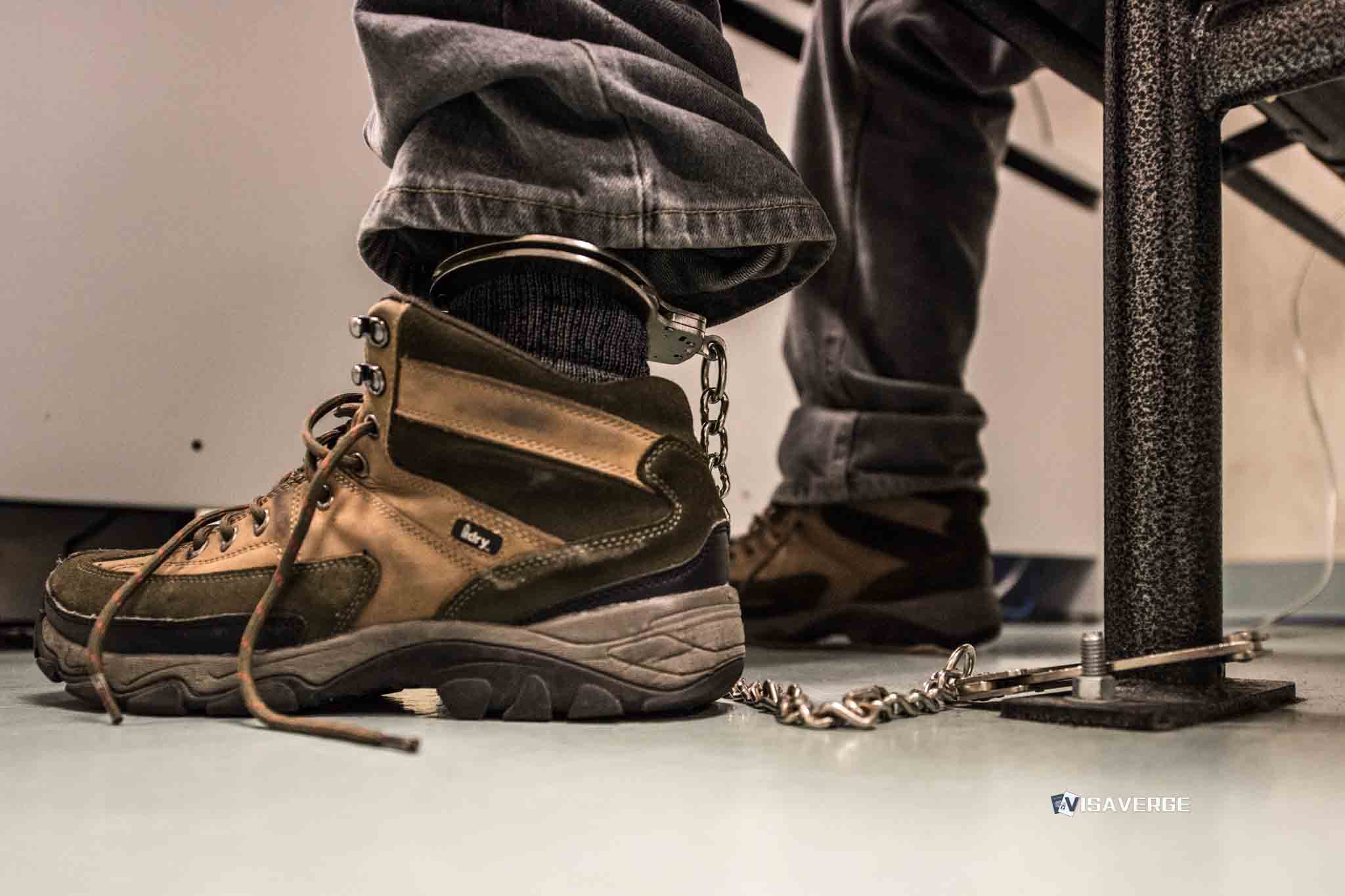
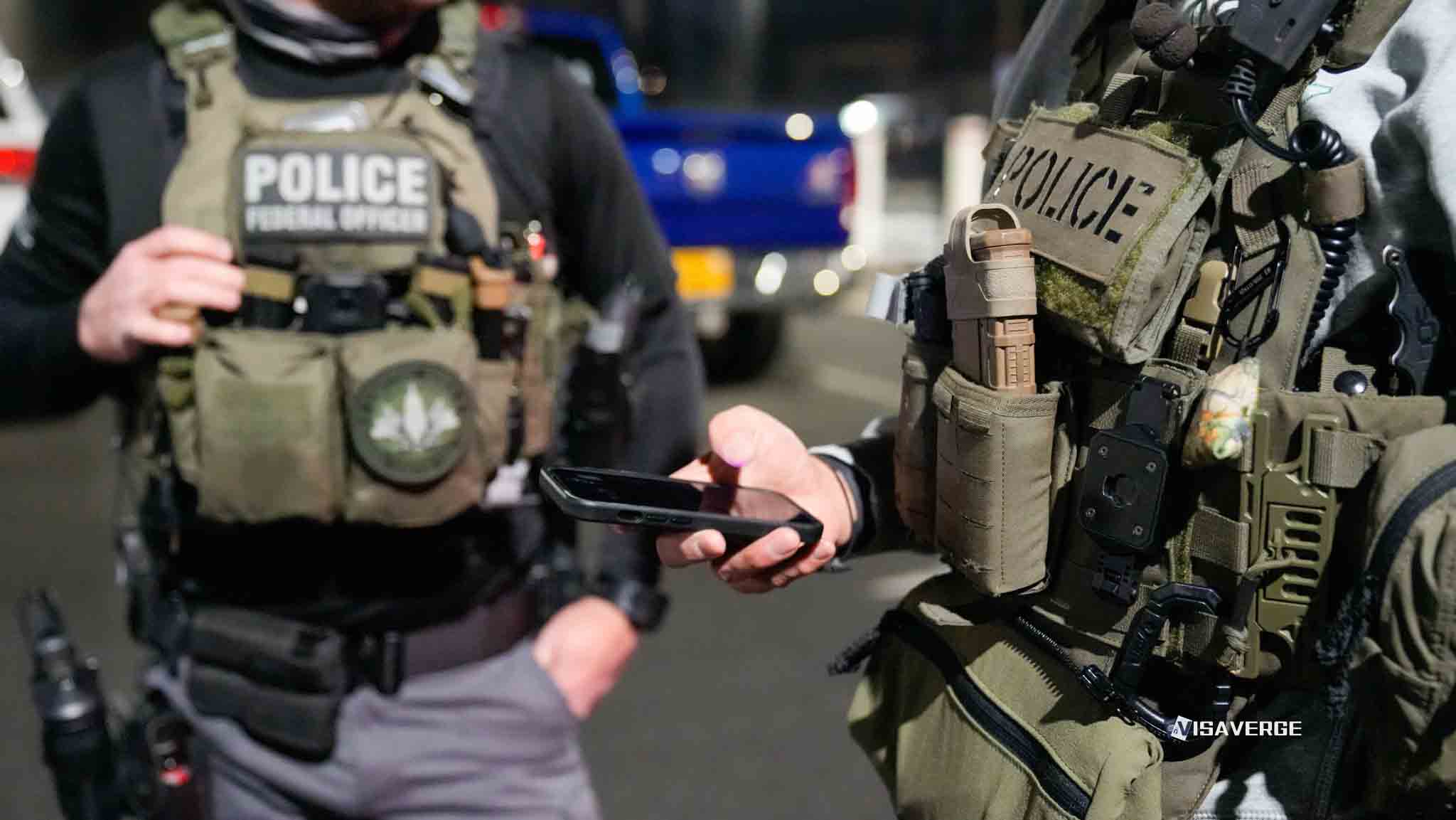
- President Trump ordered ICE to resume vehicle enforcement operations immediately across the United States.
- The directive reverses a brief suspension of traffic stops prompted by several recent migrant deaths.
- DHS Secretary Mullin warns undocumented individuals to leave the country now as enforcement intensifies.
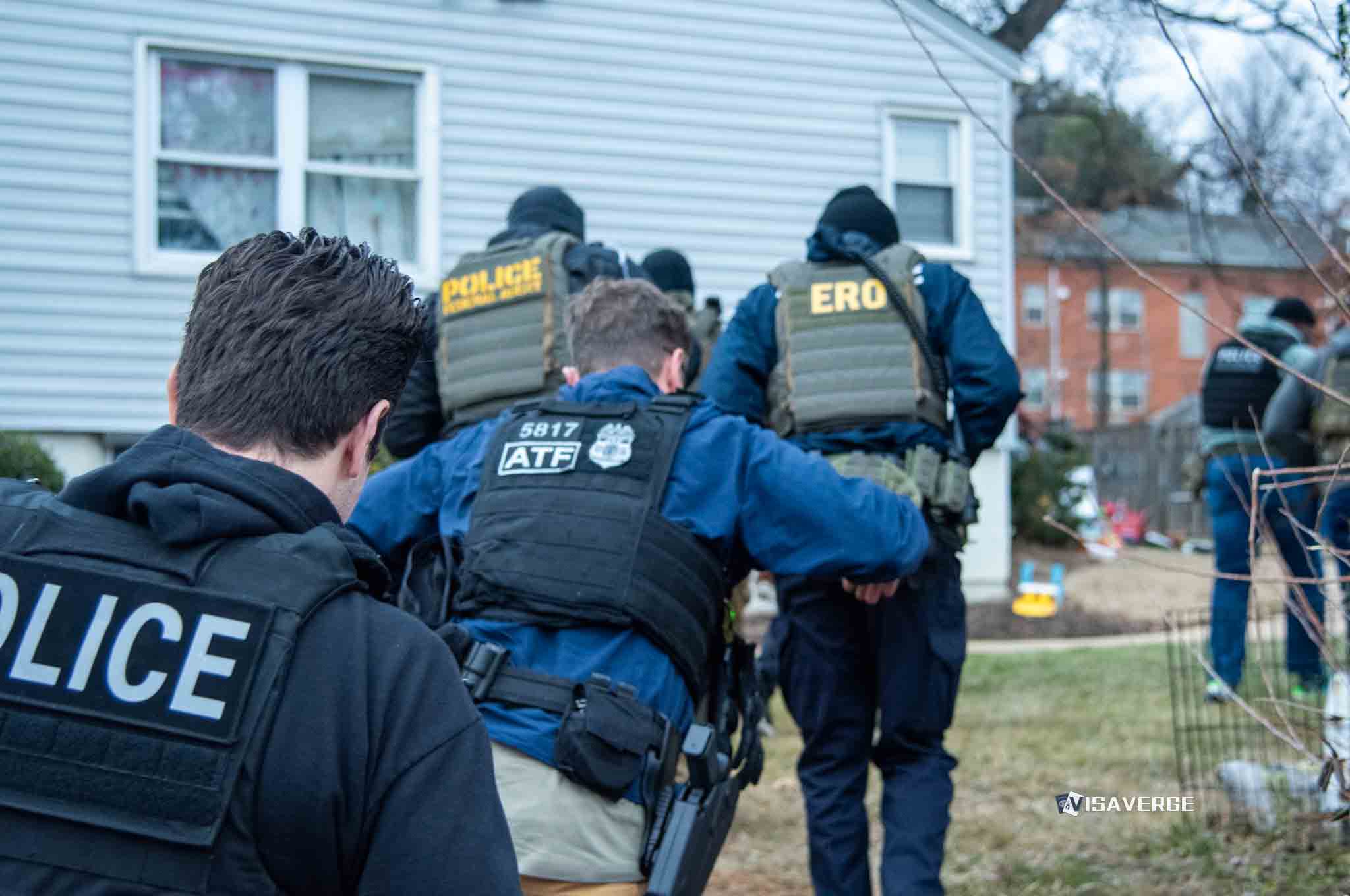
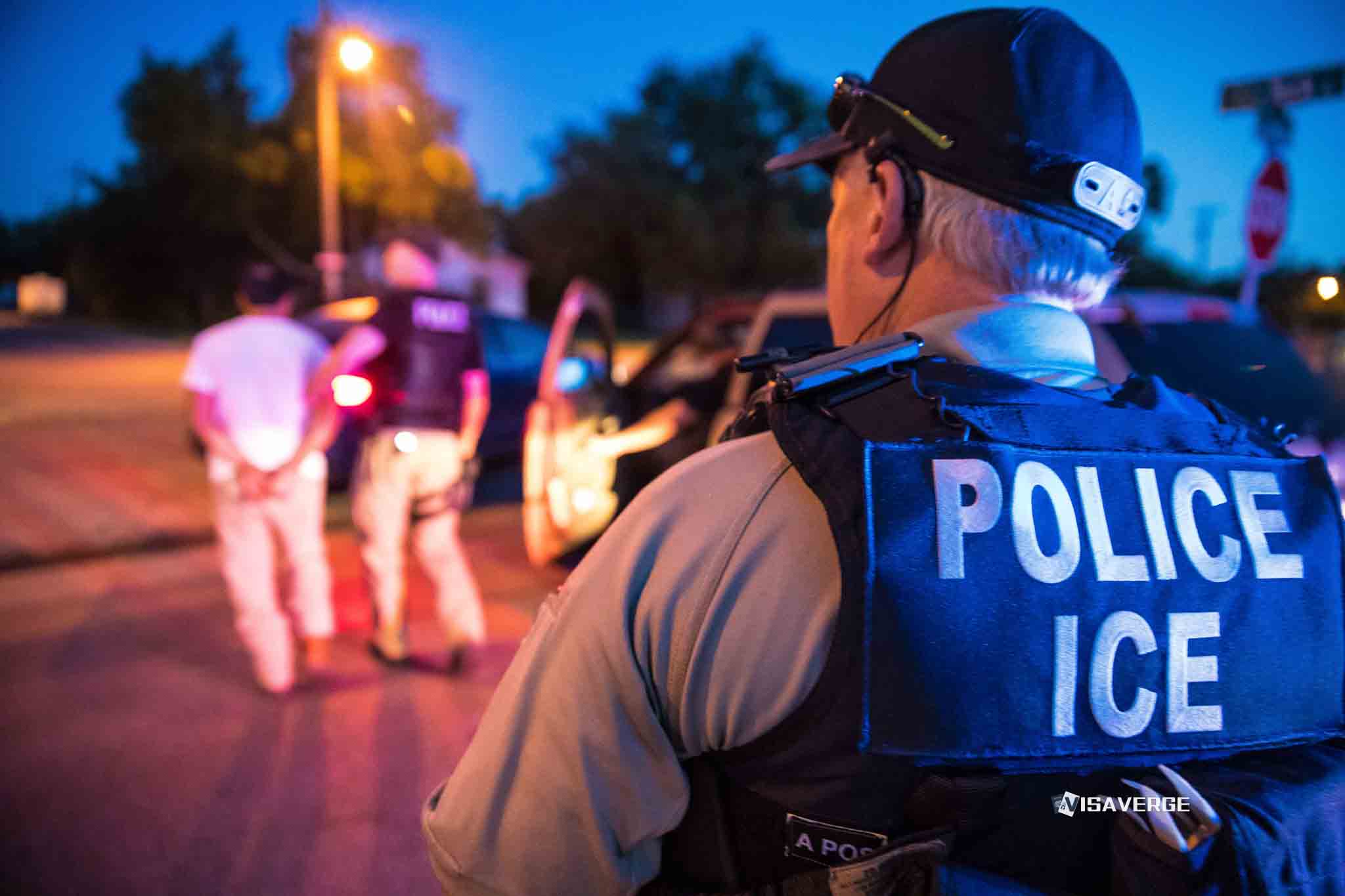
DHS Secretary Markwayne Mullin said migrants will be “arrested and deported wherever they are” after President Donald Trump ordered Immigration and Customs Enforcement to resume vehicle enforcement across the United States.
Mullin also told people in the country illegally to “LEAVE NOW.” His warning followed a reversal that came less than 24 hours after the Department of Homeland Security directed ICE to suspend most non-urgent traffic stops.
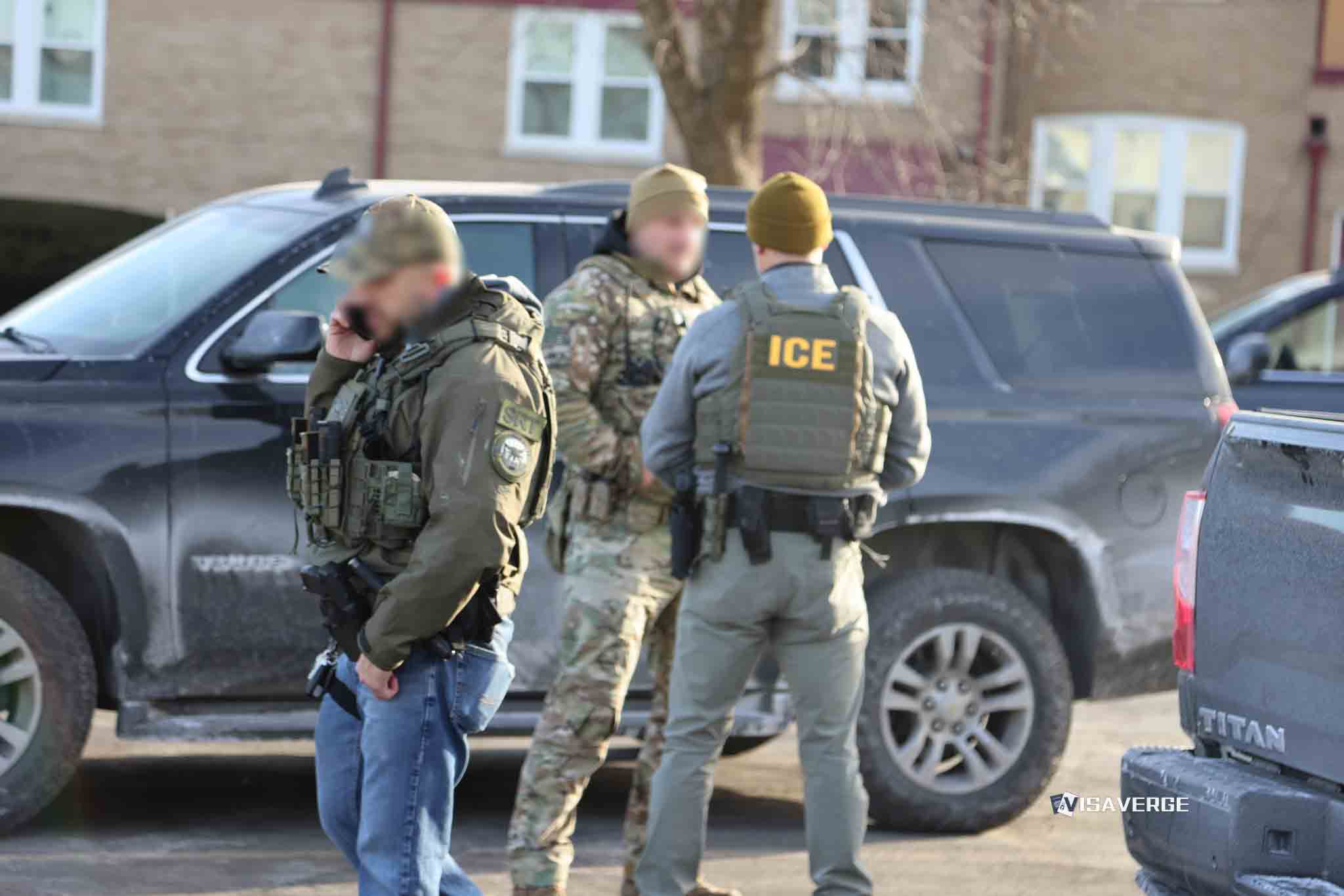
Trump reversed the directive in a July 15, 2026, Truth Social post. He said ICE could not surrender what he called one of its most effective crime-fighting tools.
“We CANNOT give up one of I.C.E.’s most important and effective Crime Fighting tools, THE TRAFFIC STOP! Once we do, we are playing right into the criminal's hands”
Mullin’s office kept a body-camera condition attached to resumed stops. The equipment rollout is expected to take roughly two more months.
The pause followed three deaths during July encounters
Mullin issued the temporary directive on Monday, July 14, 2026, after speaking with Sen. Susan Collins, R-Maine. The guidance instructed ICE Enforcement and Removal Operations to halt most non-urgent vehicle stops while officers received additional training.
The measure followed the death of Johan Sebastián Durán Guerrero, a 25-year-old Colombian national, in Biddeford, Maine, on July 13. An ICE officer fatally shot him during the encounter.
Lorenzo Salgado Araujo, a Mexican national, died during a vehicle stop in Houston, Texas, on July 7, 2026. A third person, an unidentified 28-year-old man, died in Florida on July 14, 2026, after a tractor-trailer struck him while he fled federal officers.
Through early July 2026, 21 deaths had been linked to immigration enforcement encounters. The pause was intended to give ICE time for instruction in crowd control, high-risk vehicle stops and medical training.
ICE is continuing vehicle operations while the camera rule is rolled out
The reversed policy allows officers to conduct vehicle operations, with at least one officer required to wear a body camera. The rollout will take time.
Border czar Tom Homan said vehicle stops remain a “main tool” for enforcement. White House press secretary Karoline Leavitt confirmed on July 16 that ICE agents were continuing to conduct them.
The secretary also said the president and he remained aligned. Mullin wrote:
“President Trump and I are on the same page. We want our officers to have all options available to keep them safe while executing our mission.”
Mullin replaced Kristi L. Noem as homeland security secretary in March 2026. After the president reversed the pause, he repeated the administration’s warning that people who evade arrest face danger as vehicle attacks on officers increase.
Enforcement had accelerated before the temporary directive
ICE detained more than 10,000 people in five days in late June under Mullin. That was roughly double the earlier daily average of 1,000.
The secretary reported on July 2, 2026, that the administration was deporting more than 3,200 people per day. Those figures place the renewed vehicle operations inside a broader campaign of intensified arrests and removals.
Advocacy groups report that 11 people have been shot and killed by ICE agents during the administration’s second term. The groups also report 52 deaths in ICE detention.
Murad Awawdeh, CEO of the New York Immigration Coalition, described the use of unmarked vehicles and vehicle operations as “inflicting terror.” He called for the practice to end permanently.
Lawmakers and advocates challenged the reversal
Rep. Joaquin Castro, D-Texas, said Mullin had the authority to control ICE but questioned whether the secretary had White House backing.
“Secretary Mullin. has the ability to get ICE under control and make them follow the law. So either he has no interest in doing that, or the White House is not backing him up, or the agents are simply out of control”
Liz Jacob, lead staff attorney at the Sugar Law Center, said clients in Detroit had suffered severe injuries during ICE vehicle pursuits. One man was impaled by a fence post in June 2026.
Conservative activists supported Trump’s intervention. Mike Davis and influencer Nick Sorter initially called the temporary pause a “total capitulation,” then praised the president for overruling DHS leadership and restoring vehicle operations.
TPS losses add pressure on Haitians and Syrians
The enforcement shift comes as more than 350,000 Haitians and 6,000 Syrians face the loss of Temporary Protected Status after a June 2026 Supreme Court ruling.
Mullin warned people in those groups to seek permanent status or leave. The administration offered a plane ticket and approximately $2,100 for what it described as “voluntary” self-deportation.
The warning reaches people whose temporary protections may end as well as migrants encountered during vehicle operations. ICE’s resumed activity therefore coincides with separate pressure on large groups whose immigration status is changing.
The agency’s immediate operational timetable remains tied to the camera requirement. Vehicle enforcement continues, while the equipment rollout is expected to proceed over roughly two more months.