- Davyd George Brand was sentenced to sixty-five months for posing as an ICE agent to defraud undocumented immigrants.
- The defendant collected over two hundred thousand dollars from twenty-five victims by promising non-existent legal services.
- Brand used fake badges and forged seals to deceive victims between April 2019 and November 2020.
Davyd George Brand, 55, of San Ysidro, was sentenced Thursday to five years and five months in federal prison for posing as an immigration agent and defrauding people seeking legal status.
Brand pleaded guilty in April 2026. U.S. District Judge Fernando M. Olguin sentenced him to 41 months that will run concurrently with a sentence he is already serving in an unrelated narcotics case, followed by an additional 2-year term.

The combined sentence totals 65 months. Brand was remanded to the custody of the U.S. Bureau of Prisons after the hearing in downtown Los Angeles federal court.
At least 25 people paid Brand for immigration services he could not provide. Prosecutors identified the victims primarily as undocumented members of the Latino community in Orange County.
The case involved money and false promises. It also involved fake government authority.
An indictment released by the United States Attorney’s Office described the victims as people of modest means. It said Brand collected more than $200,000 from them, while court materials set restitution at approximately $152,476.
"Brand Jimenez tricked and defrauded at least 25 vulnerable Hispanic customer victims into paying him a total of more than $200,000, even though those customer victims were of modest means,"
Brand presented himself as a special agent with U.S. Immigration and Customs Enforcement (ICE) or as an official with the Department of Homeland Security. He claimed he could obtain work permits, legal residency and U.S. citizenship.
He had no such authority.
Brand used a fake badge and an invented federal rank
Prosecutors said Brand flashed a fake ICE badge to support his claims. He also told victims he held the rank of “G-18,” a federal position that does not exist.
The reported conduct took place in Orange County from approximately April 2019 to November 2020. Brand never filed immigration paperwork for the people who paid him, according to the case materials.
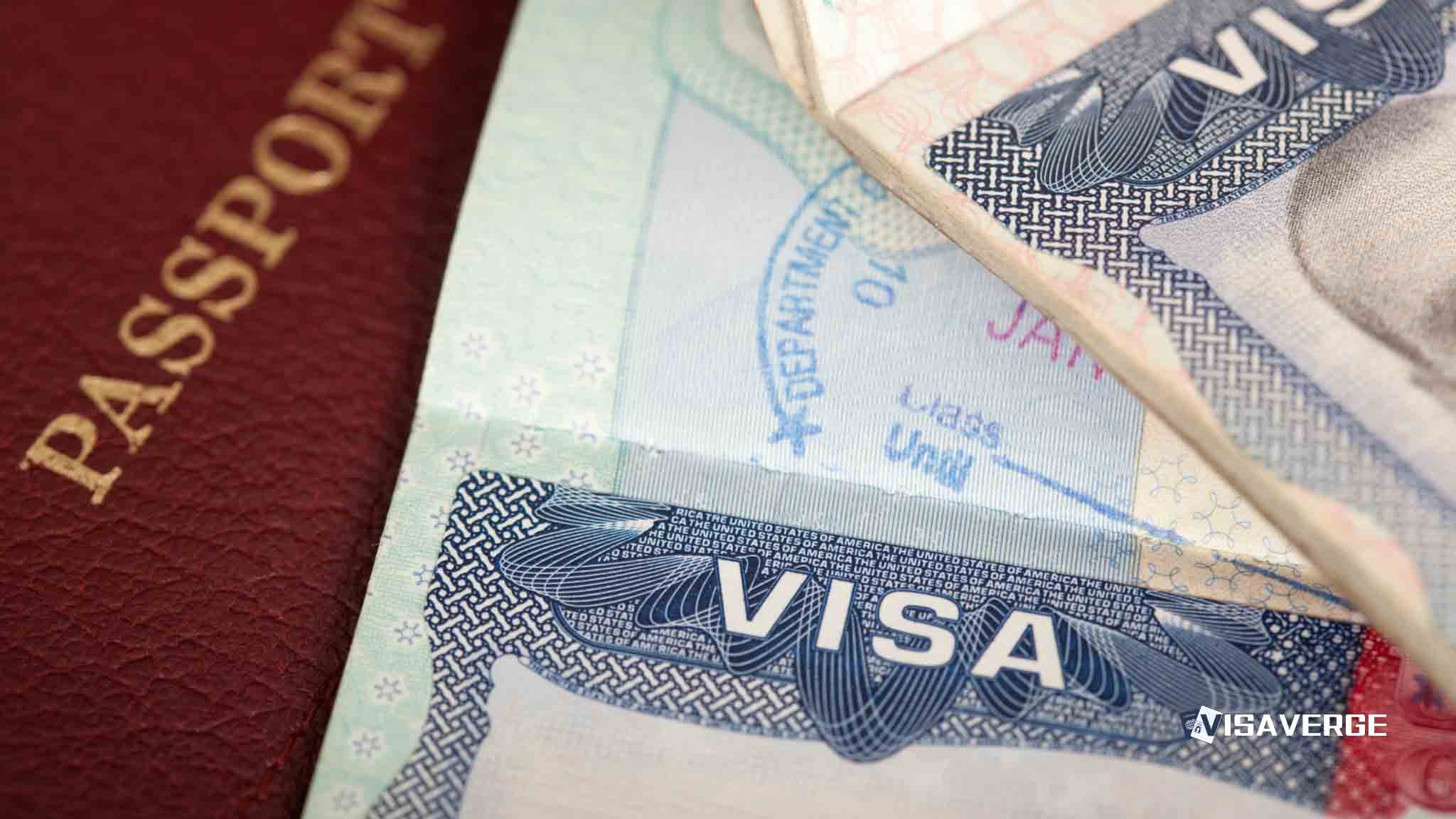
Instead, he created fake immigration documents bearing forged Homeland Security emblems. He also gave one victim a fabricated “stay of deportation” order, falsely suggesting that deportation proceedings had been stopped.
Brand pleaded guilty to 14 counts in April 2026. The charges included false impersonation of a federal officer, mail fraud, wire fraud, fraudulent possession and use of government seals, and aggravated identity theft.
The scheme reached beyond counterfeit paperwork. In one instance, Brand gave a victim genuine identity documents belonging to someone else.
A victim received another person’s identity documents
The documents included a real Social Security card, a U.S. passport card and a California ID. Brand instructed the victim to use the other person’s alias to work.
That instruction exposed the victim to possible criminal charges involving identity theft or document fraud. The documents appeared genuine, but they did not give the recipient lawful permission to use another person’s identity.
Brand’s promises also placed victims at risk of missing actual immigration obligations. A fabricated stay order could create false confidence that removal action had been suspended.
Many victims were of modest means. Prosecutors said some lost their life savings while seeking help with residency and citizenship.
The case reflects the risks posed by “notarios” and fake immigration agents. In immigrant communities, the term can describe people who present themselves as immigration advisers without the authority to provide the services they promise.
Brand added the appearance of federal power to that type of fraud. His badge, invented rank and government-style documents reinforced his claims.
The sentence includes time from a separate case. The 41-month portion will run concurrently with the narcotics sentence Brand is already serving.
The additional 2-year term follows that concurrent period. That structure produces the total sentence of five years and five months.
Brand disappeared during an unrelated case
While investigators were examining the immigration fraud, Brand failed to appear for a sentencing hearing in the narcotics case in May 2023. The hearing was scheduled in San Diego federal court.
Federal authorities searched for him for several years. The failure to appear involved the separate drug case, not the immigration charges to which he later pleaded guilty.
Judge Olguin imposed the sentence in federal court in downtown Los Angeles. Brand will serve the prison term under the custody of the federal Bureau of Prisons, followed by a period of supervised release.
The victims’ losses remain tied to the restitution amount set in the case. The indictment’s broader figure exceeded $200,000, while the restitution figure stood at approximately $152,476.
Investigators urge scam victims to report false immigration agents
ICE Homeland Security Investigations investigated the case. The prosecution came from the U.S. Attorney’s Office for the Central District of California, led by U.S. Attorney E. Martin Estrada.
Federal agents do not request payment through wire transfers or personal cash payments for immigration services, authorities said. People who believe they encountered an immigration scam were urged to report it through official channels at uscis.gov or ice.gov.
Brand’s guilty plea resolved the 14 federal counts. His prison sentence began with the court’s July 16, 2026, judgment and the concurrent narcotics term already in progress.