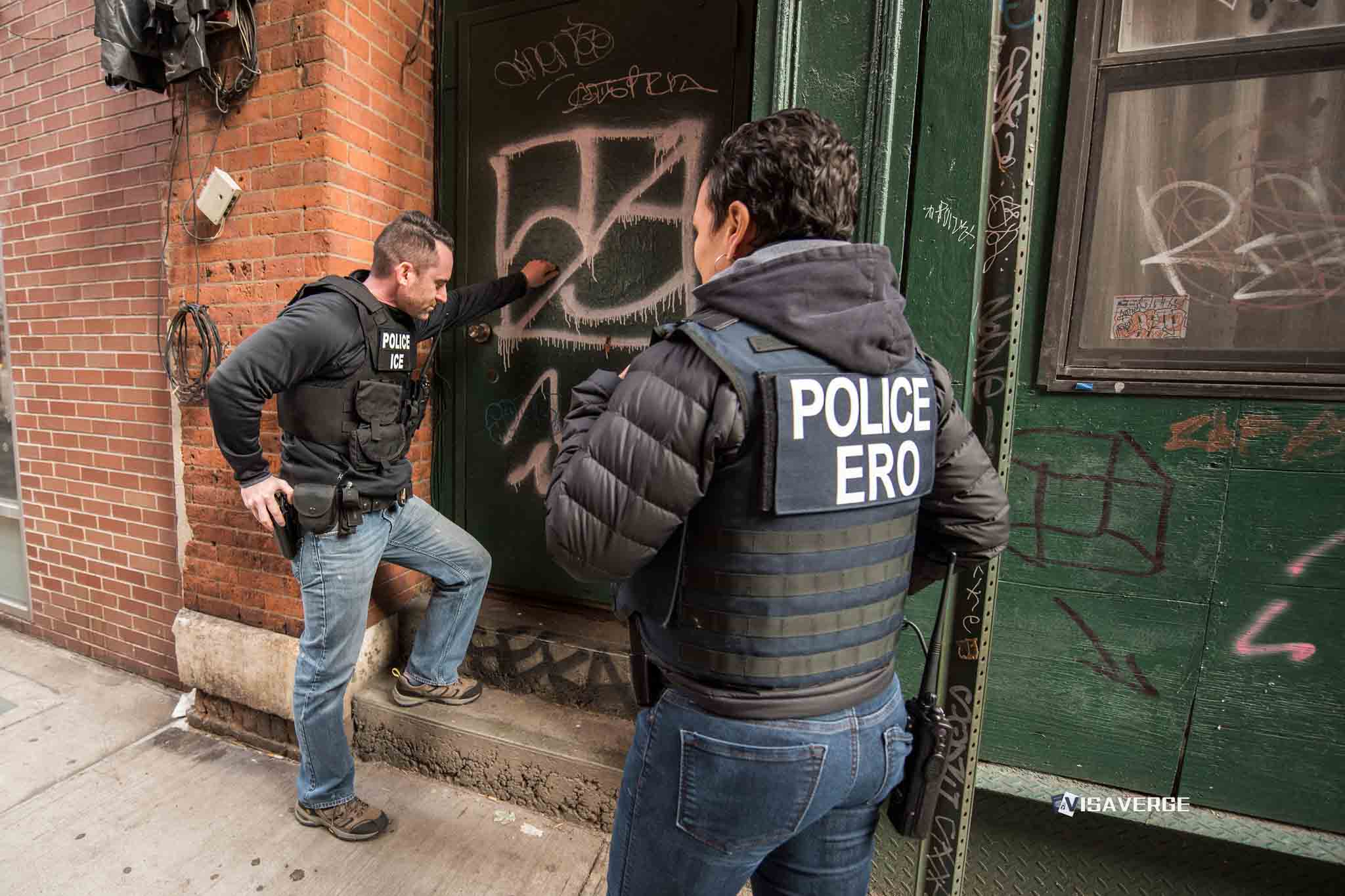
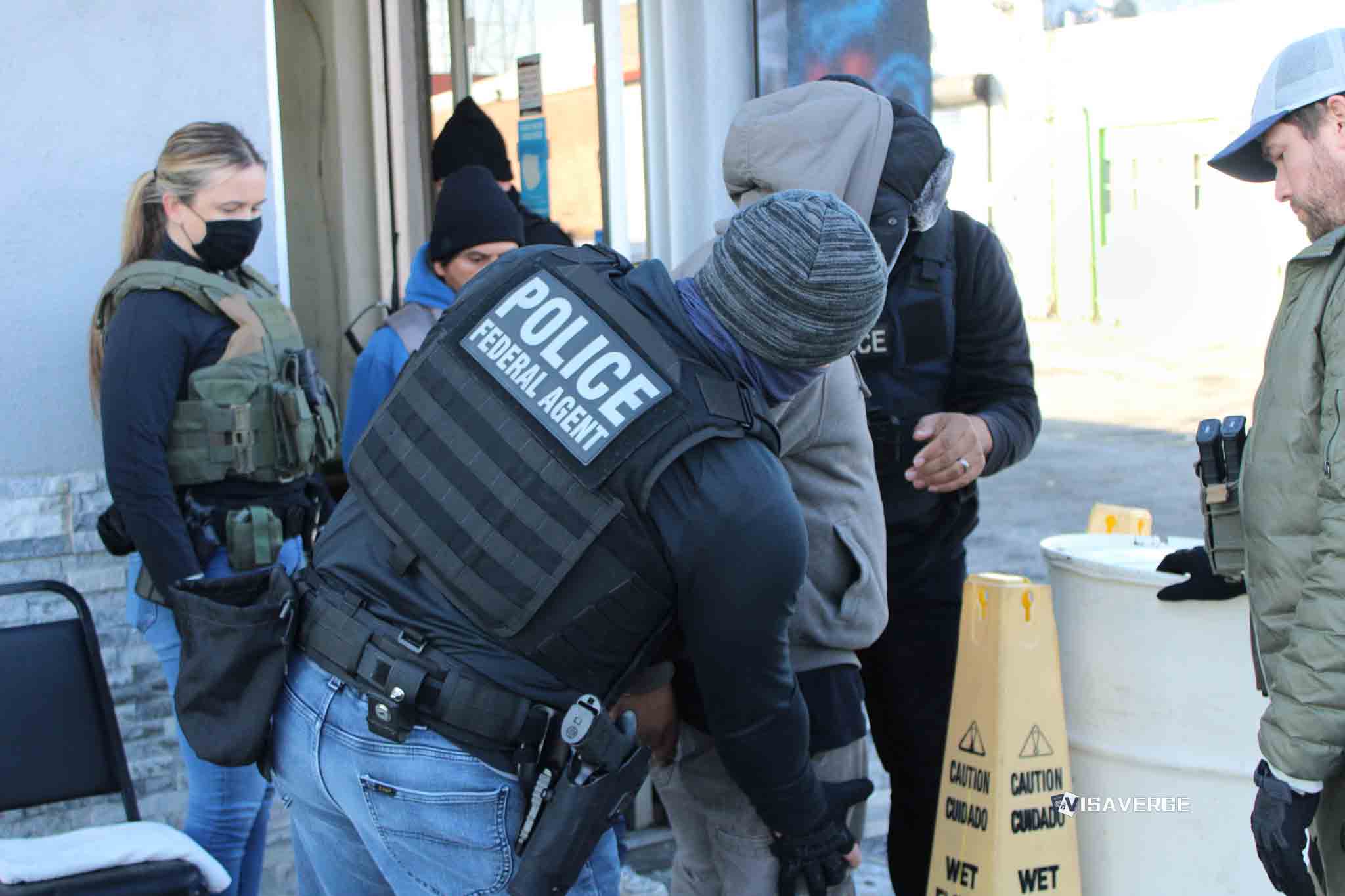
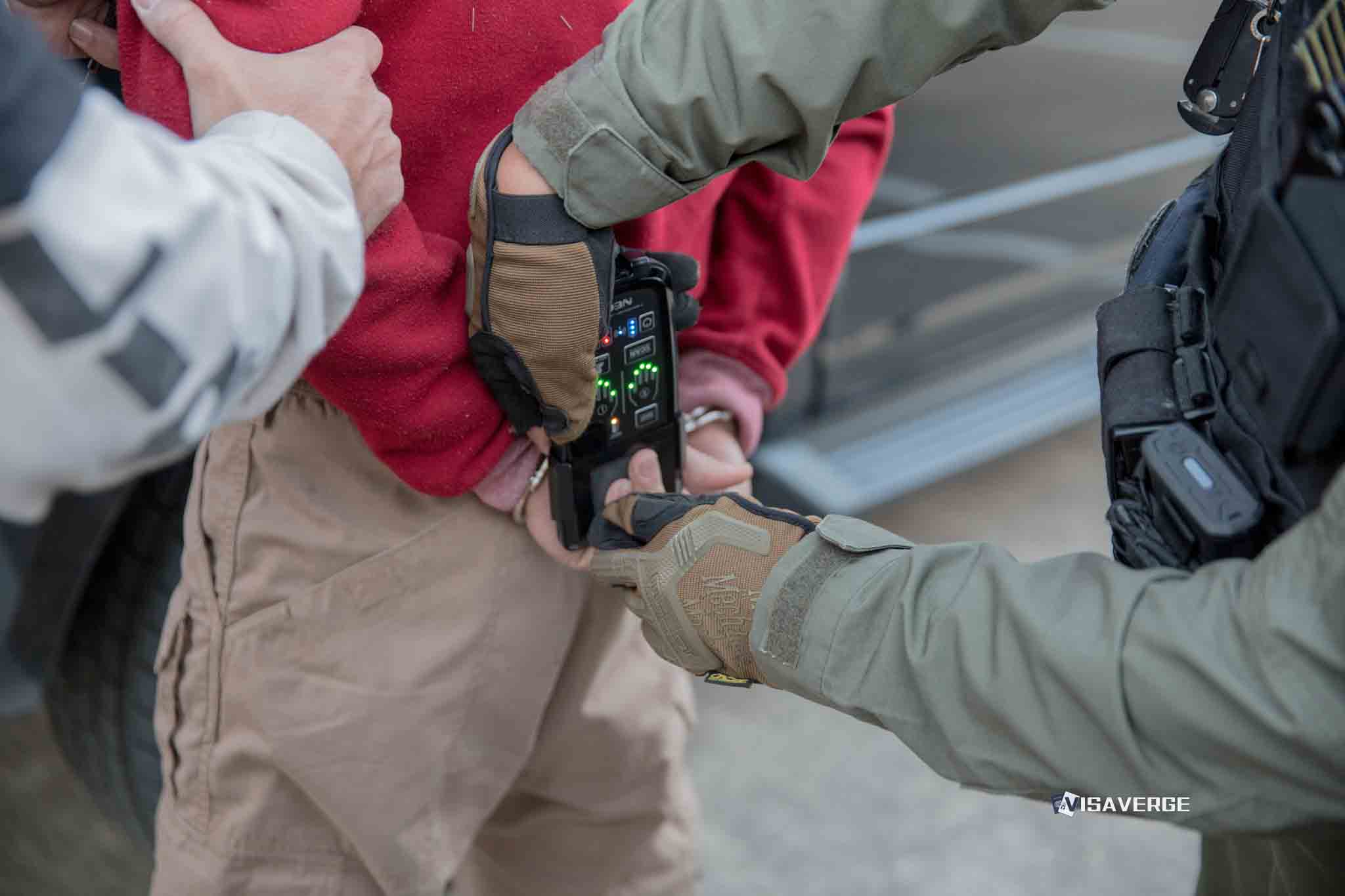
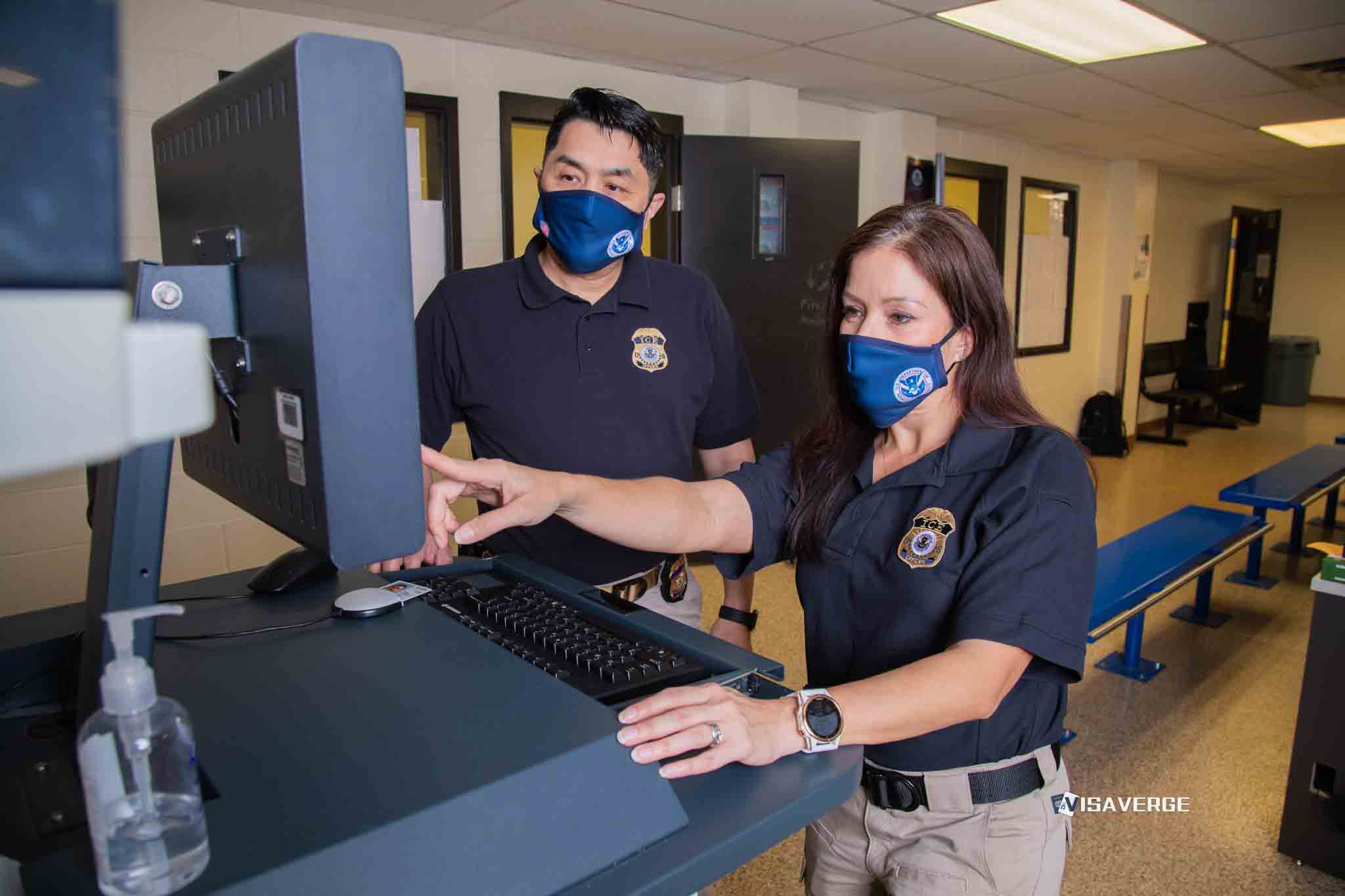
ICE awarded a $16.7 million no-bid contract on August 27, 2026 to buy 6,000 pairs of electric-shock gloves from Compliant Technologies LLC. The purchase moves the G.L.O.V.E. program from a planned acquisition to a funded contract for Homeland Security Investigations and Enforcement and Removal Operations personnel.
- The award covers 6,000 pairs of G.L.O.V.E. gloves, plus support equipment and services over the next six months.
- The earlier DHS notice in mid-August said ICE could spend between $10 million and $20 million and that the contract could run through March 31, 2027.
- G.L.O.V.E. stands for Generated Low Output Voltage Emitter, and the devices are designed to deliver up to 380 volts in close-contact encounters.
- The procurement is intended for Homeland Security Investigations and Enforcement and Removal Operations personnel.
- ICE is planning to spend twenty million dollars on electric shock gloves for field officers and investigators.
- The G.L.O.V.E. device delivers up to three hundred eighty volts through direct skin contact for de-escalation.
- Civil rights groups warn the discreet wrist switch could lead to misuse and lack of visual accountability.
The Department of Homeland Security published a procurement notice on August 10 for a no-bid contract to buy the G.L.O.V.E. device for ICE officers, with the agency planning to spend up to $20 million and equip personnel in Homeland Security Investigations and Enforcement and Removal Operations. A solicitation could go out as early as Friday, August 14, 2026, and thousands of devices are expected by March 31, 2027. The clock is already running.
G.L.O.V.E., short for Generated Low Output Voltage Emitter, is pitched as a pair of "conductive distraction and de-escalation" gloves. They look like ordinary patrol gear until a wrist switch turns on electric mode and a blue LED appears. The charge reaches approximately 324 to 362 volts, with a maximum of 380 volts, and it does not work through clothing. Bare skin only.

ICE’s use rules and the manufacturer’s guidance limit the gloves to resistance or combative behavior, not mere verbal defiance. The manual says the device needs direct skin contact and recommends no more than two gloves on one person at one time. Certification and recertification come every two years. Not for punishment.
The company says the gloves should not be used on pregnant women, children, elderly people, or people with severe disabilities. Compliant Technologies LLC, based in Lexington/Richmond, Kentucky, also calls the tool a "wearable de-escalation device" and an "invisible partner" for law enforcement and corrections work. It also says the gloves leave no burns, marks, or scars. That pitch is deliberate.
DHS said the device will be used under existing use-of-force policies. On August 12, 2026, a department spokesperson said, "ICE is constantly assessing the needs of our officers in the field to ensure they have the tools and equipment necessary to safely arrest and remove criminal illegal aliens from our country." The department said so.
A wrist switch decides when the glove shocks
Unlike a Taser, the glove does not fire prongs. It depends on direct skin-to-skin contact, which is why the manual draws such a hard line around bare skin. The switch is the tell.
Letitia James pushed back on August 12, 2026. She said, "We are outraged," and warned that ICE officers who misuse the gloves in New York could face "criminal and civil consequences." The state wants penalties.
Jenn Rolnick Borchetta, the ACLU deputy project director on policing, said, "Now they will be able to deploy electric shocks with the slight push of a button that maybe nobody else can see them do. Introducing gloves that can so easily be used to deliver terrible pain in encounters is a recipe for harm to the public." That button worries her.
Claire Trickler-McNulty, a former ICE and USCIS official, pressed for more disclosure. She said, "Before deploying these, ICE should release its training materials and any data on the risks associated with use." So does she.
A Kentucky death case is already shaping the argument
Critics point to a 2024 wrongful death lawsuit involving a 43-year-old man in a Kentucky jail. He died after being shocked 27 times with a G.L.O.V.E. device and 13 times with a Taser. Internal investigations found some glove applications lasted up to 99 seconds, far beyond the 15-second recommended limit. The numbers are hard to ignore.
The announcement also lands as ICE works to equip all field officers with body-worn cameras by the end of August 2026. Advocates still worry a concealed shock can evade visual documentation. Compliant Technologies says more than 700 local law enforcement agencies in the U.S. already use its CD3 technology.