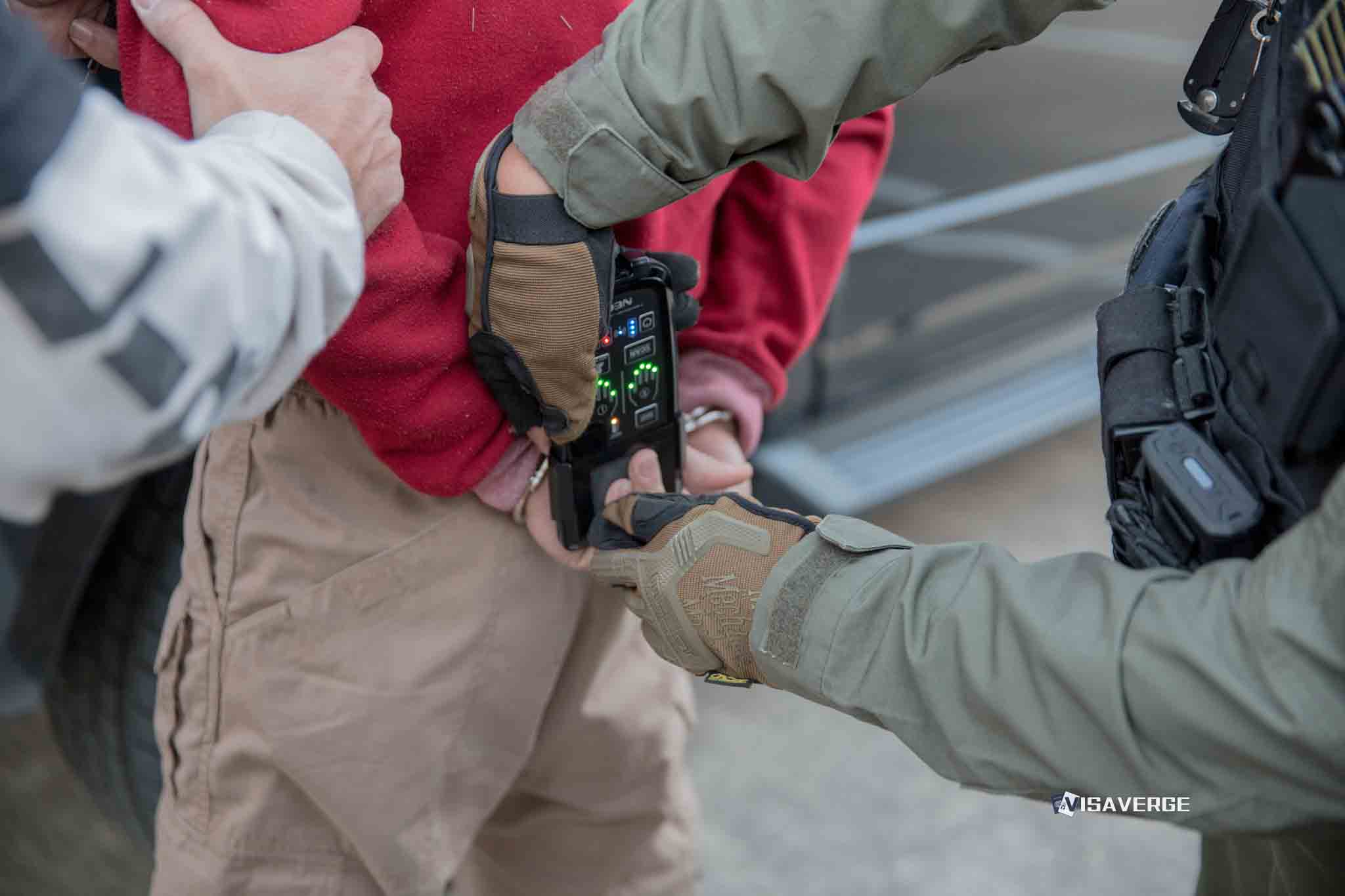
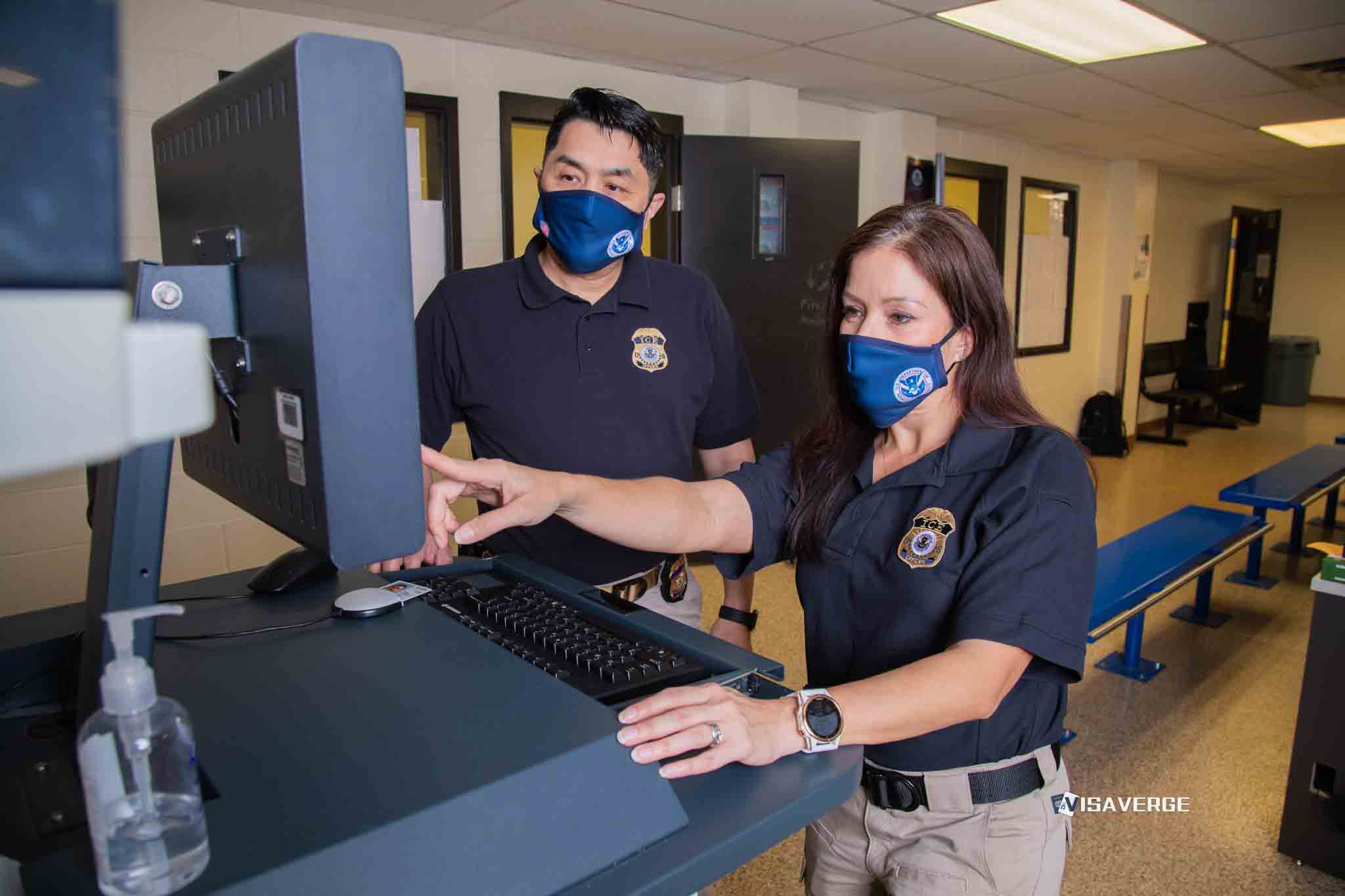
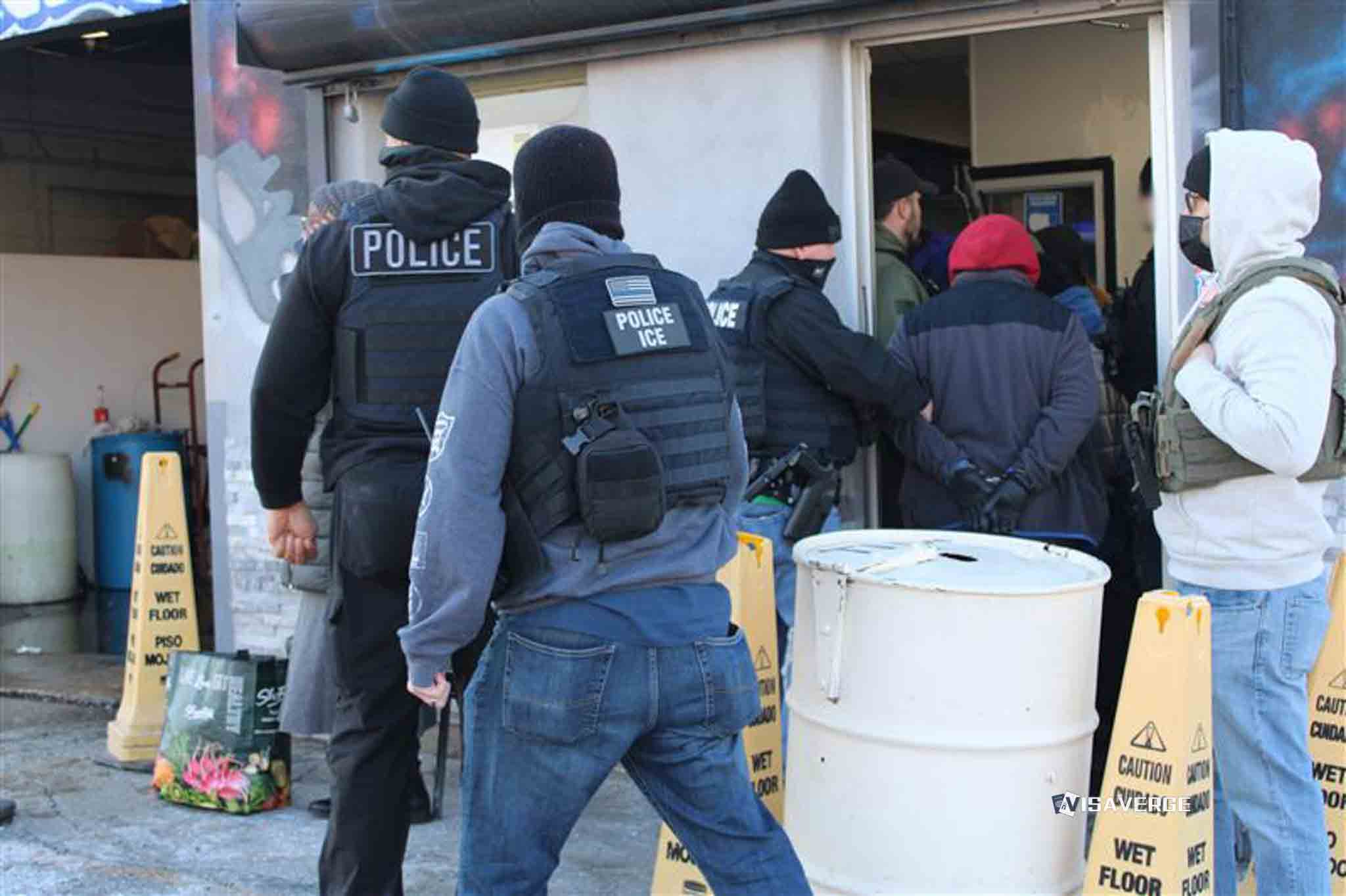
ICE has now moved from planning to purchase, awarding Compliant Technologies LLC a $16.7 million no-bid contract on August 27, 2026 for 6,000 pairs of electric-shock gloves. The procurement covers support equipment and services over the next six months and builds on the agency’s G.L.O.V.E. program for close-contact enforcement encounters.
- The award locks in a specific deal value of $16.7 million, narrowing an earlier DHS notice that said ICE could spend between $10 million and $20 million.
- ICE is buying 6,000 pairs of gloves under the G.L.O.V.E. name, short for Generated Low Output Voltage Emitter.
- The gloves are intended for Homeland Security Investigations and Enforcement and Removal Operations personnel.
- Reporting on the procurement said the devices can deliver up to 380 volts and are meant to help officers gain compliance in close-contact encounters.
- ICE plans to spend up to twenty million dollars on electric shock gloves for close-contact arrests.
- The G.L.O.V.E. system delivers three hundred twenty volts through direct skin contact via a tactical glove switch.
- Advocates and officials condemn the procurement as a barbaric expansion of force for civil immigration enforcement.
ICE moved on August 10 to buy a glove-shaped electric force device for officers who make arrests up close. The procurement notice seeks the G.L.O.V.E. system, short for Generated Low Output Voltage Emitter, and describes it as a Conductive Distraction and De-escalation Device for Homeland Security Investigations and Enforcement and Removal Operations. The plan carries a budget of $10 million and $20 million. Broad rollout is targeted for March 31, 2027.
An unnamed DHS spokesperson defended the purchase on August 12.
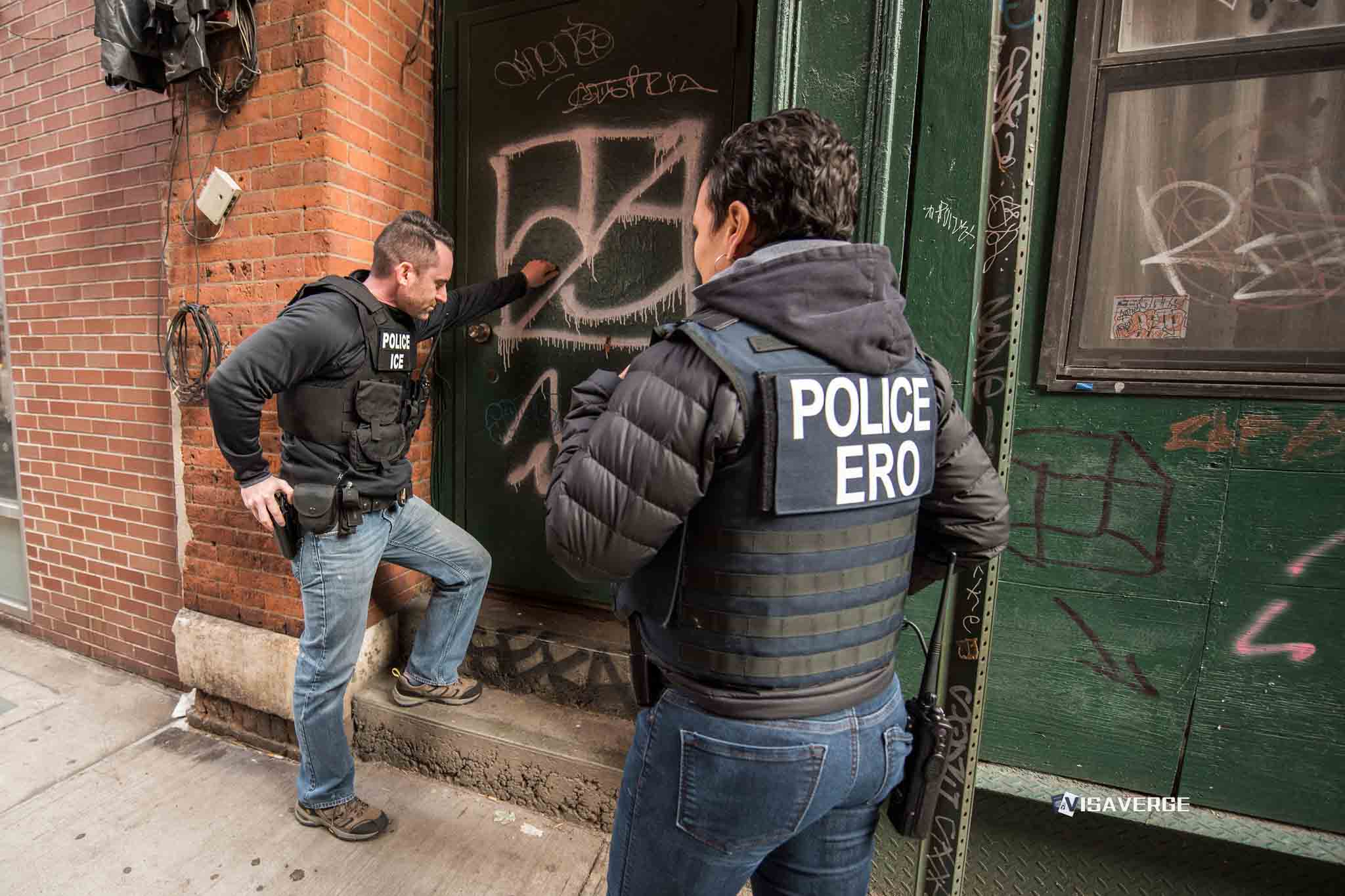
"ICE is constantly assessing the needs of our officers in the field to ensure they have the tools and equipment necessary to safely arrest and remove criminal illegal aliens from our country. Every decision is made with careful consideration and appropriately reviewed to ensure that any technology ICE utilizes is consistent with all applicable law enforcement policies and standards."
The agency wants another option for short-range encounters. It is close contact gear.
The glove works differently from a Taser. It has to touch skin to deliver a shock, while Tasers fire projectiles with prongs that can work from several feet away. The glove is worn like ordinary tactical gear and shocks through a switch on the glove. Tasers launch probes that attach to the body.
Reporting on the device says it can deliver 320 to 380 volts. A Taser is described as operating at about 50,000 volts in open circuit, then dropping to 1,200 to 2,000 volts once it makes contact with the body. The current cited for the glove is .000125 amps, which the manufacturer says is less amperage than a single Christmas tree bulb.
Pepper spray works another way. It uses chemical irritation. It hits the eyes, nose, and breathing. Batons rely on impact or hands-on control. Standard stun guns also need contact, but the glove is designed to look more like normal tactical equipment.
The contrasts are easier to see side by side.
| Feature | G.L.O.V.E. system | Taser |
|---|---|---|
| Skin contact | Direct skin contact required | Can be fired from several feet away |
| Delivery | Switch on the glove | Projectiles with prongs |
| Primary effect | Close-range pain and compliance | Standoff incapacitation |
| Visibility | Looks like ordinary tactical gear | Drawn as a holstered weapon |
| Reported voltage | 320 to 380 volts | About 50,000 volts open circuit, then 1,200 to 2,000 volts on the body |
The device is not new inside detention settings. About 130 agencies across 27 states already use it, mostly in jails and correctional facilities. John Peters, president of the Institute for the Prevention of In-Custody Deaths, said the shock is "immediate and sharp," like "a bee sting." He said it can help smaller or weaker officers during physical struggles.
Compliant Technologies LLC, the maker behind the system, is a veteran-owned company based in Lexington, Kentucky. ICE’s planned purchase works out to about $2,500 per pair. A firm contract is expected by late September 2026.
State officials and immigration advocates wasted no time in pushing back. At a news conference on August 12, New York Attorney General Letitia James said officers who misuse the gloves in her state could face criminal and civil consequences. Kica Matos called the plan "Disgusting and barbaric" and said ICE is a "rogue agency with an $80 billion slush fund" that allows it to invent new ways to inflict cruelty.
Former Acting Director of ICE John Sandweg also questioned the need for the device in civil immigration work. He said, "The idea that you need tools like this. to subdue a non-criminal immigrant who's in a secure environment. that is alarming."
A formal solicitation is slated for publication on August 14, 2026.