- American Eagle flight AA3927 declared a fuel emergency after three failed landing attempts due to storms.
- The aircraft landed safely in Evansville, Indiana with only thirty minutes of fuel remaining.
- The Federal Aviation Administration has launched an investigation into the crew’s fuel planning and decision-making.
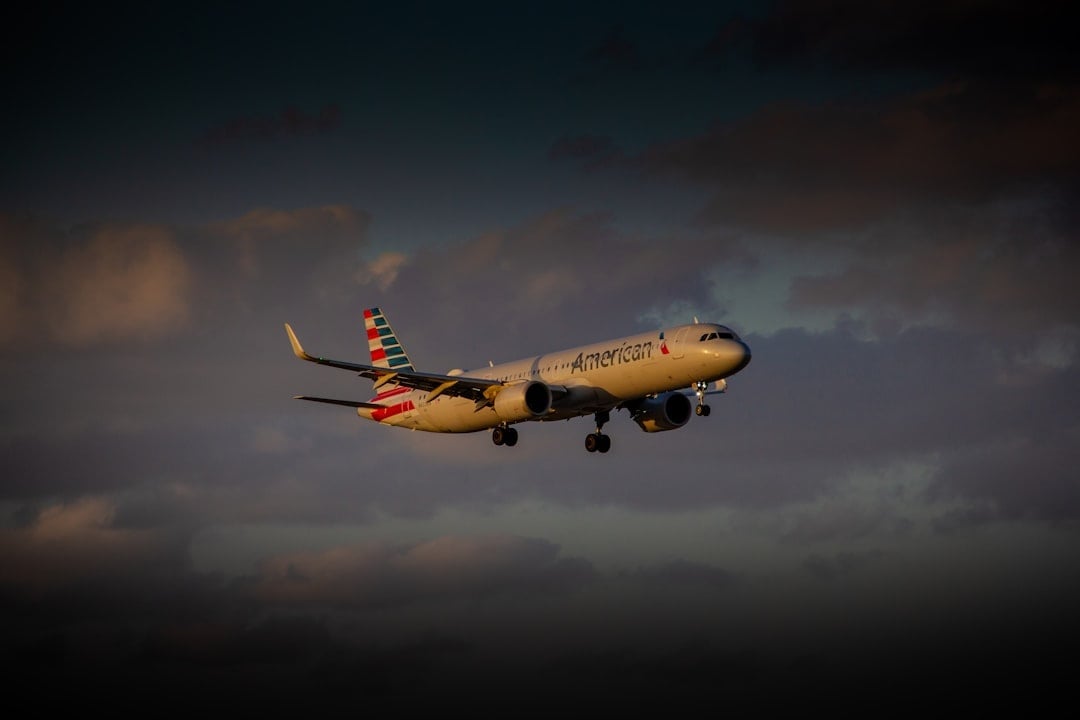
American Eagle flight AA3927 declared a fuel emergency Tuesday after thunderstorms forced three abandoned landing attempts in Kentucky, sending the aircraft to Evansville Regional Airport in Indiana.
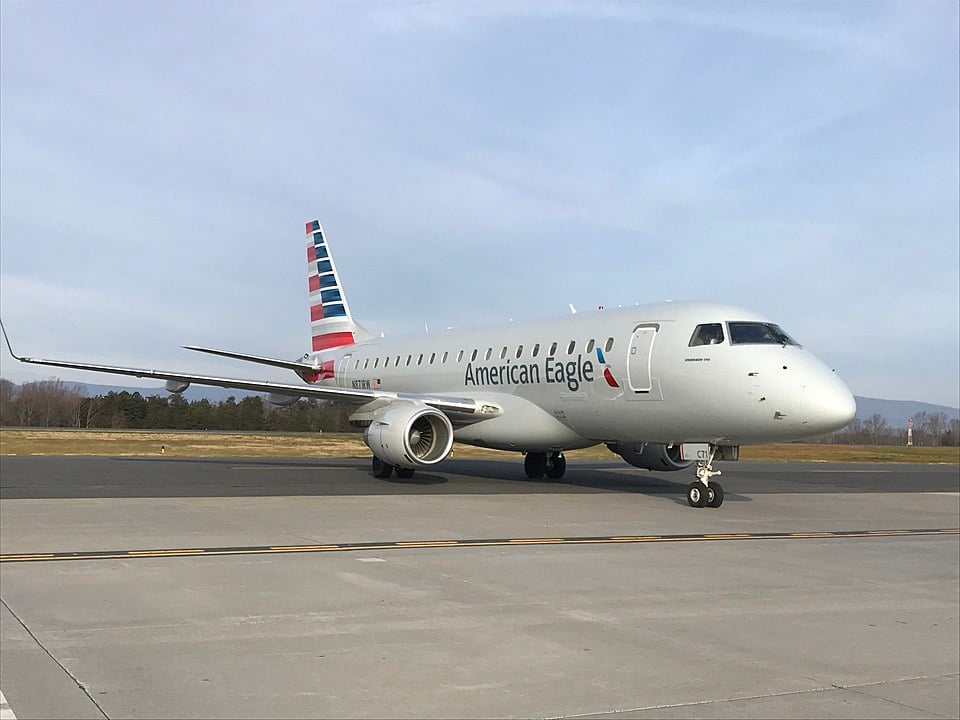
Envoy Air operated the Dallas/Fort Worth-to-Lexington service with an Embraer E175LR registered as N285NN. The aircraft landed safely, and no injuries were reported.
The crew first tried to land at Blue Grass Airport in Lexington. They then diverted toward Louisville, where two more approaches failed as storms moved across the area.
After the third attempt, a pilot told air traffic control, “We have no fuel for a go-around.” The crew then entered transponder code 7700, the international code for a general emergency.
The flight reached Evansville on Runway 22, where clearer weather allowed the crew to land. Emergency ground crews met the aircraft as a precaution.
Three approaches ended as storms crossed Kentucky
The flight left Dallas/Fort Worth International Airport for Blue Grass Airport on August 11, 2026. Its planned duration was roughly two hours, but the journey lasted approximately three hours.
The first approach came at Lexington’s Runway 22. The crew abandoned it at about 2,200 feet because visibility had deteriorated.
Louisville became the planned alternate. The aircraft attempted Runway 35R there, but the crew broke off the approach at about 600 feet amid heavy rain and thunderstorms. A second Louisville attempt, on Runway 35L, ended at roughly 1,500 feet as conditions worsened.
The storm system reached Louisville as the aircraft arrived. The crew then sought another airport rather than make a fourth approach in the same weather.
| Approach | Airport and runway | Approximate altitude when abandoned | Reported condition |
|---|---|---|---|
| First | Lexington, Runway 22 | 2,200 feet | Poor visibility |
| Second | Louisville, Runway 35R | 600 feet | Rain and thunderstorms |
| Third | Louisville, Runway 35L | 1,500 feet | Deteriorating weather |
The aircraft had about 30 minutes of fuel remaining when it landed in Evansville, according to the additional research. A domestic jet’s final reserve is typically 45 minutes.
The emergency declaration prompted priority vectors to Evansville. The plane refueled and underwent a safety check before completing the roughly 30-minute flight to Lexington later that evening.
FAA says it is examining the diversion
The Federal Aviation Administration confirmed that it is investigating the circumstances surrounding the unscheduled landing. The agency said the crew reported low fuel to controllers before landing.
“The flight crew reported low fuel to air traffic controllers before making the unscheduled landing. The FAA will investigate the circumstances surrounding the diversion.”
The statement, issued August 12, 2026, places fuel planning and the sequence of approaches within the investigation’s scope. The review is also examining the decision to attempt two approaches at Louisville before moving to a third airport.
The airline confirmed that the flight diverted and landed safely without injuries. A spokesperson initially declined to provide further details about the fuel level while the investigation continued.
The flight carried 76 passengers and approximately 3–4 crew members. Everyone reached the ground safely, though the aircraft arrived in Lexington several hours behind schedule.
The emergency followed another American Airlines incident
The diversion came one day after American Airlines Flight 1760, a Boeing 737, returned to Myrtle Beach after a bird strike caused an engine issue shortly after takeoff. That event occurred on August 10, 2026.
The two incidents involved different aircraft and circumstances. The earlier flight involved a bird strike and engine trouble, while AA3927 encountered thunderstorms, low visibility and heavy precipitation during its landing attempts.
The carrier’s regional operation has also highlighted internal safety efforts. In late July 2026, Envoy Air named Captain Brandon Hudson, Hugo Hernandez Melara and Adam Stevenson as its “2026 Safety Champions.” The recognition was unrelated to the Lexington flight.
AA3927’s aircraft completed its final leg after refueling and inspection. The FAA investigation will now address the fuel planning and approach decisions surrounding the emergency landing.