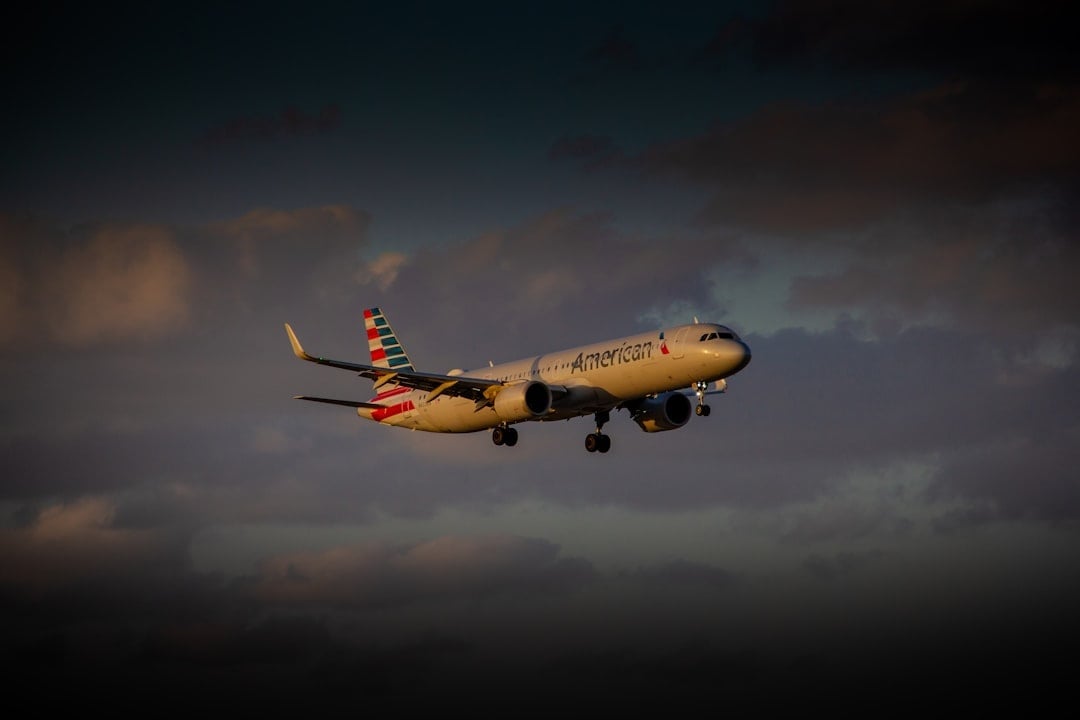
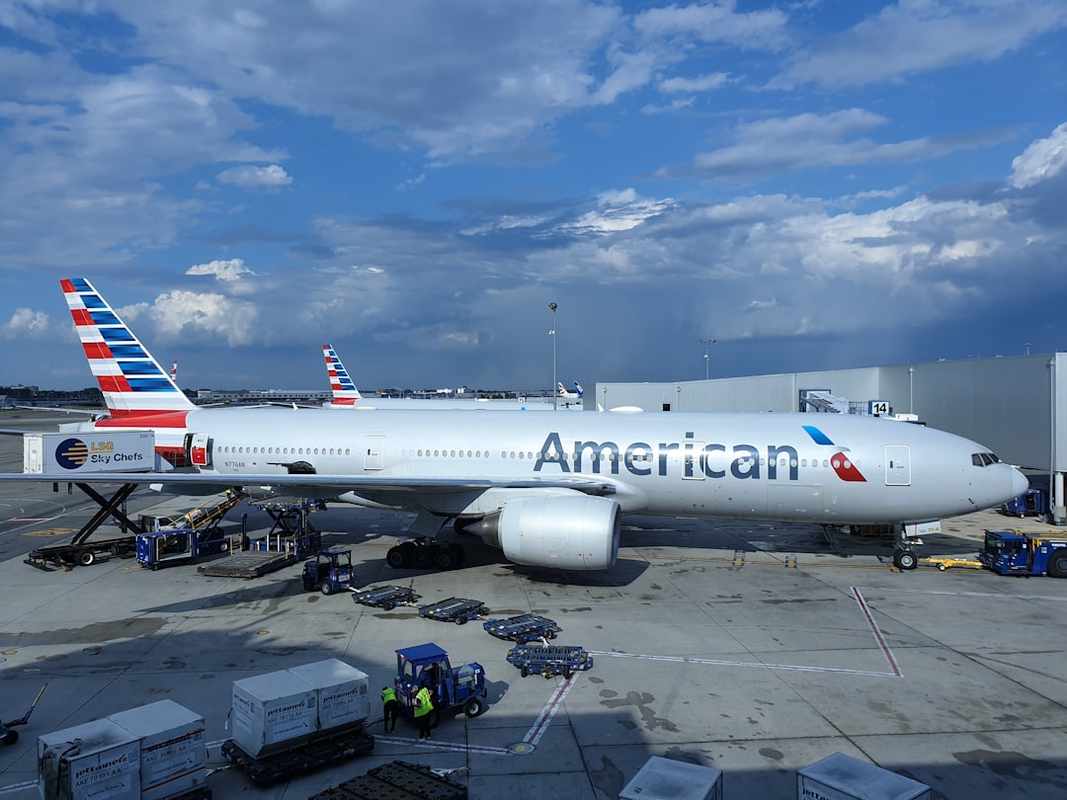
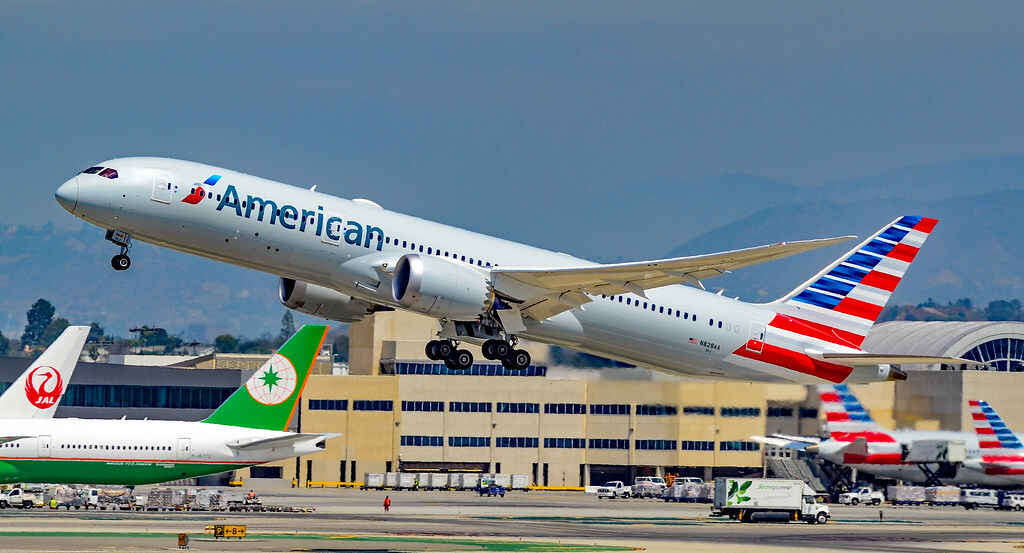
(CHARLOTTE, NORTH CAROLINA, UNITED STATES) American Airlines flight AA 2732 bound for Montego Bay returned to base after an in‑flight disturbance forced an emergency landing at Charlotte Douglas International Airport. The airline’s initial checks found no technical problem with the aircraft. Instead, two passengers allegedly ignored repeated crew instructions, creating a safety risk and prompting the captain to turn back.
As of October 12, 2025, there are no credible reports of smoke, fire, or engine trouble tied to this flight. Those rumors stem from other American Airlines cases on different routes and dates, not this service to Jamaica.
What happened and why the flight returned
Officials and industry sources describe the event as a classic disruptive passengers case, not a mechanical one. Returning to Charlotte allowed the flight crew to hand the situation to airport law enforcement and enable a controlled deplaning. It also kept the aircraft within the carrier’s main hub for quicker handling of follow‑up checks, passenger rebooking, and crew duty‑time issues.
Free toolB1/B2 Tourist Visa Stay Calculator onlinePassengers on international routes often ask why a plane circles back instead of continuing to its destination. The short answer: safety and law set the standard. If a passenger will not follow crew orders, the captain must treat the behavior as a potential threat to safe operation—even if the disturbance seems verbal at first. The flight crew’s priority is to secure the cabin, protect everyone on board, and land as soon as practicable at an airport with law enforcement support. In this case, that airport was home base: Charlotte Douglas International Airport.
Airline confirmation and federal guidance
American Airlines stated the issue involved two people who would not comply with flight attendants’ directions. That aligns with federal guidance on “unruly passenger” behavior.
- Key point: there was no equipment failure; the emergency landing was tied to onboard conduct.
- The flight had been scheduled to operate normally to Jamaica, and the disruption stopped that plan.
A passenger who refuses instructions—such as staying seated when told, stowing items, or ceasing confrontational conduct—can trigger a flight turnaround. The captain’s decision weighs:
- The risk of escalation
- The distance to the destination
- Availability of support services on arrival
The Federal Aviation Administration has stepped up enforcement in recent years, with large civil fines possible for interference with crew duties. For public reference, see the FAA’s guidance on unruly passengers: Federal Aviation Administration: Unruly Passengers.
Passenger impacts and practical consequences
A diversion affects every traveler on board. Consequences include:
- Missed connections and same‑day plans in Jamaica
- Lost prepaid bookings and adjustments to childcare or work
- Delays when arriving at immigration or border crossings
Flight attendants typically try de‑escalation first. But when people do not comply, the incident can affect families, workers, and students—especially those with tight travel windows tied to appointments or study deadlines.
Legal and immigration consequences
While facts in this specific case remain limited, the general legal framework is clear. U.S. federal law bars interference with flight crew. If law enforcement identifies offenders, possible outcomes include:
- Removal from the aircraft and referral to police or federal agents
- Civil fines by the FAA
- Criminal charges in severe cases
- Airline bans that can restrict future travel
For foreign nationals, the stakes can be much higher. A criminal conviction connected to interference with crew or violent conduct can affect visa eligibility and future travel to the United States. It may also trigger:
- Secondary inspection or questioning at the border
- Visa revocation by the issuing consulate
According to analysis by VisaVerge.com, behavior that leads to a court record—such as assault, threats, or property damage—can create inadmissibility issues under U.S. immigration law. Even without a conviction, repeated airline bans or law enforcement reports can prompt closer screening by U.S. Customs and Border Protection.
Travelers facing consequences should seek legal counsel. In limited situations, a person may seek a discretionary waiver. Two common routes, when legally available, include:
- Form I‑192 (Application for Advance Permission to Enter as a Nonimmigrant): for some nonimmigrant travelers who are inadmissible but seek consent to travel. See: USCIS Form I-192.
- Form I‑601 (Application for Waiver of Grounds of Inadmissibility): for certain immigrant and K visa applicants requesting forgiveness of specific bars. See: USCIS Form I-601.
These waivers are not guaranteed. Officers consider the seriousness of the conduct, time since the event, rehabilitation, and ties to family or work. If the conduct involved threats or violence on an aircraft, obtaining a waiver can be especially difficult.
Important: For foreign nationals, an airline or law enforcement incident can have immigration consequences beyond the immediate flight. If you are questioned after landing, be polite and ask for a lawyer before making statements that could affect your record.
Operational and passenger follow‑up
For airlines and airports, each emergency landing for disruptive passengers carries cost and complexity.
- Crew may exceed allowable duty time and “time out”
- Aircraft rotations and schedules can break
- Gate assignments and connection banks can be disrupted
- Bags must be offloaded and reconciled
- Security teams assist with law enforcement handoffs
At Charlotte Douglas International Airport, a busy hub, a diversion like this can ripple through operations. Passengers should:
- Check airline booking channels for updated departure times
- Keep contact details updated in the airline app for rebooking notices
- Keep receipts for out‑of‑pocket expenses (trip insurance may cover some costs; policies vary)
For travelers heading to Jamaica, late arrival at Montego Bay affects immigration queues, hotel shuttles, customs planning, and scheduled tours. If you miss a same‑day connection, contact the airline early and review the ticket’s contract of carriage.
Trends, prevention tips, and takeaways
The broader trend is notable: airlines worldwide report persistent cabin incidents since the pandemic. Early drivers included alcohol and mask disputes; today most events stem from noncompliance and arguments that escalate. Carriers and unions push for consistent penalties and faster handling. The FAA’s public reporting and fine notices convey a clear message: zero tolerance for interference.
Practical steps travelers can take:
- Follow crew instructions the first time, every time.
- If a conflict starts near you, press the call button and let crew handle it.
- Avoid alcohol if you feel stressed or jet‑lagged.
- Keep medicines and calming aids in your carry‑on if you’re prone to anxiety.
- If questioned after landing, be polite and ask for a lawyer before making statements.
Families and those traveling with minors or elderly relatives should keep documents handy, plan for delays, and build buffer time into itineraries—especially when a visa interview, green card medical, or a tight work start date is involved.
Final note
American Airlines has not announced long‑term schedule changes tied to this incident. The carrier will likely review crew reports, coordinate with law enforcement, and assess whether further action is needed against the individuals involved.
In the end, the reason for the diversion was simple and preventable: two disruptive passengers who would not comply with crew orders. The decision to return to Charlotte Douglas International Airport protected safety and allowed proper responses on the ground. For travelers—especially those crossing borders—the lesson is clear: respect the crew, respect fellow passengers, and protect your right to travel by keeping calm at 35,000 feet.
This Article in a Nutshell
American Airlines Flight AA 2732, en route to Montego Bay, returned to Charlotte Douglas International Airport on October 12, 2025, after two passengers repeatedly ignored crew instructions. Airline checks found no mechanical problems; the captain diverted to ensure safety and permit law enforcement to manage the situation. The FAA treats interference with crew duties seriously, with possible civil fines, criminal charges, and immigration consequences for foreign nationals. The diversion disrupted passenger schedules and airline operations, including missed connections and potential crew duty-time issues. Travelers should follow crew orders, preserve receipts for expenses, and seek legal counsel if involved. The airline will coordinate with authorities and review crew reports before deciding further action.