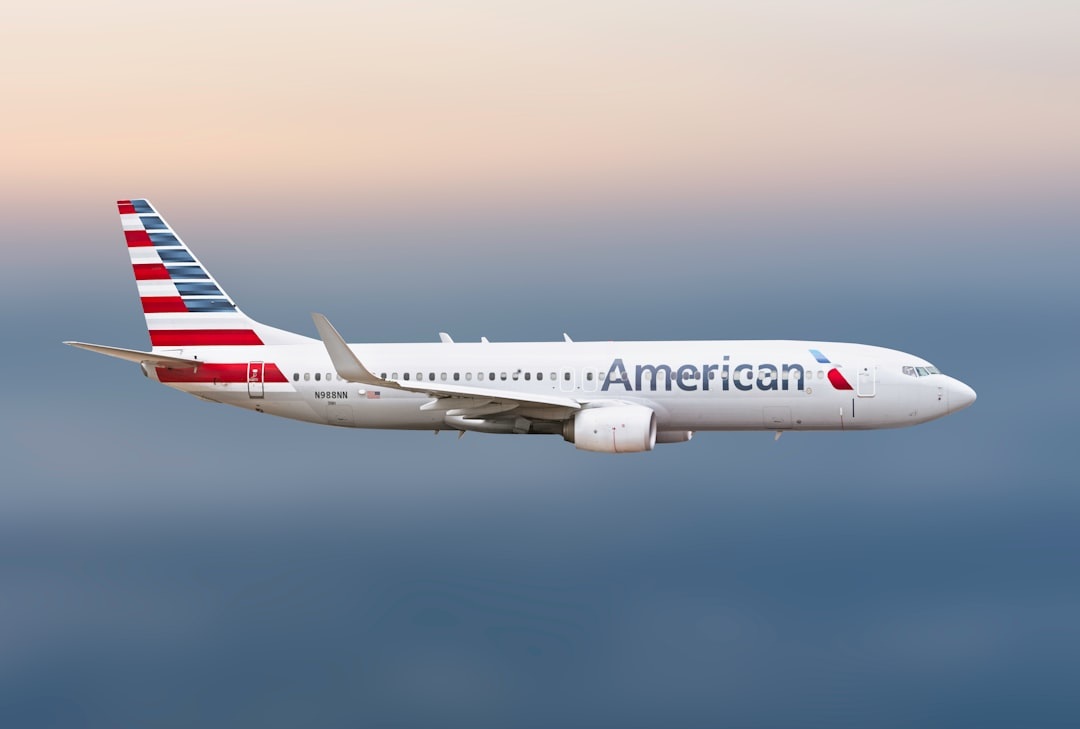
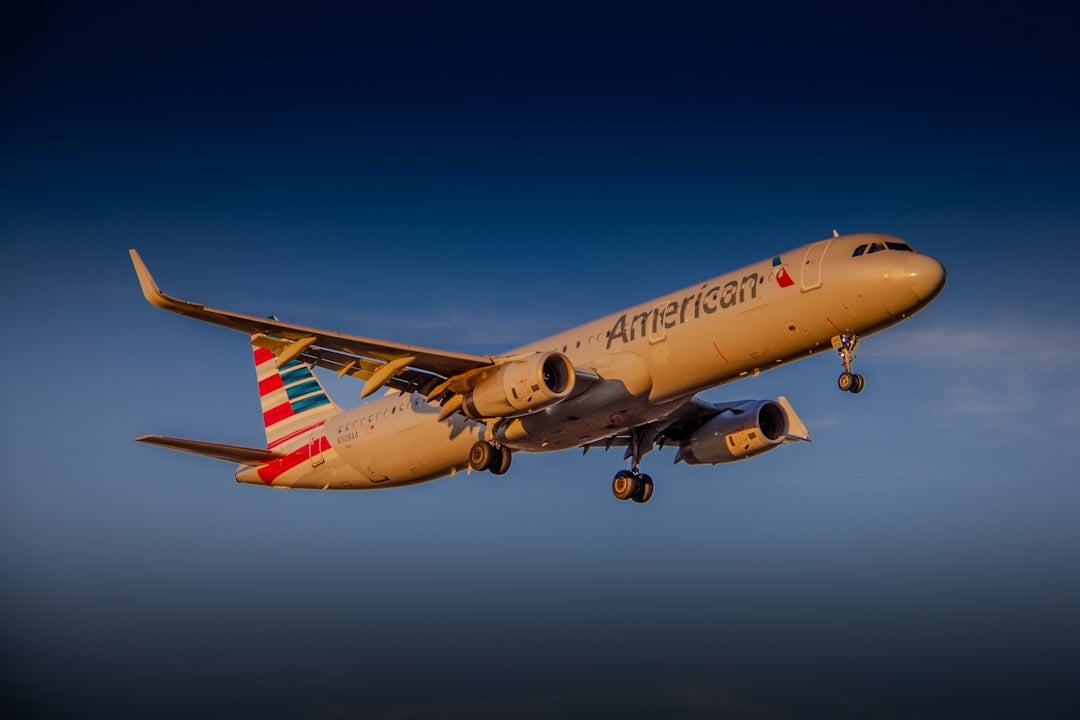
- American Airlines flight 4233 diverted to JFK Airport following a lightning strike and severe weather.
- The aircraft landed safely with visible damage reported in two areas, prompting an FAA investigation.
- Pilots prioritized JFK’s longer runways for safety over the original destination of LaGuardia Airport.
(JFK AIRPORT) — An American Airlines regional flight bound for LaGuardia diverted to JFK Airport after a lightning strike, and the plane landed safely after the crew declared an emergency. Travelers heading into New York on Friday faced another reminder that summer storms can reroute even short domestic flights with little warning.
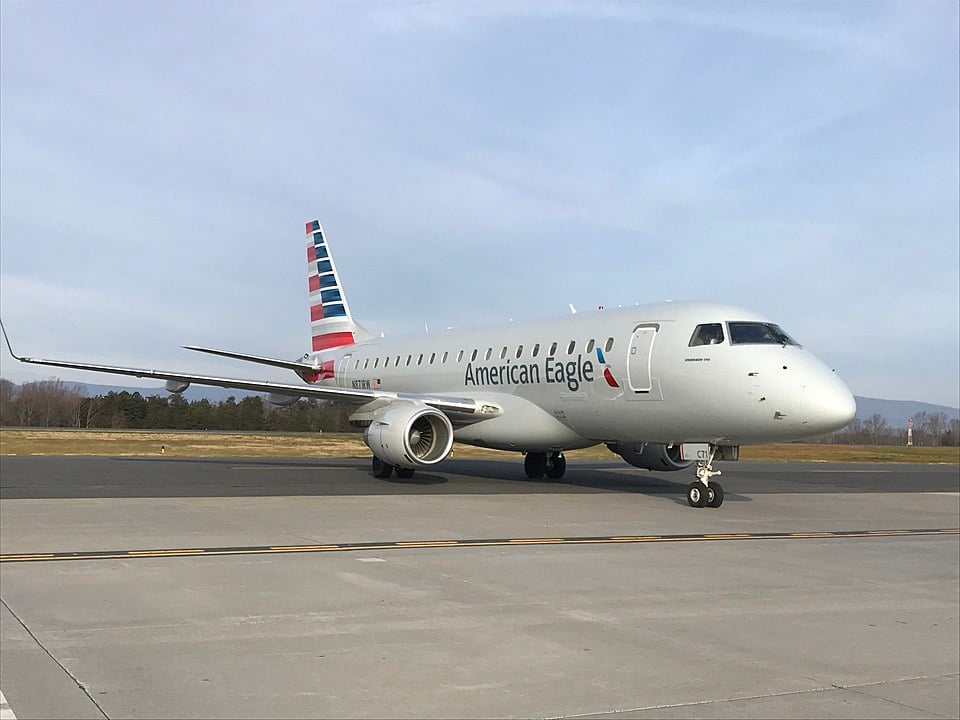
The flight was operating as American Airlines Flight 4233 from Raleigh-Durham International Airport to LaGuardia Airport. It was flown by Republic Airlines, one of American’s regional partners.
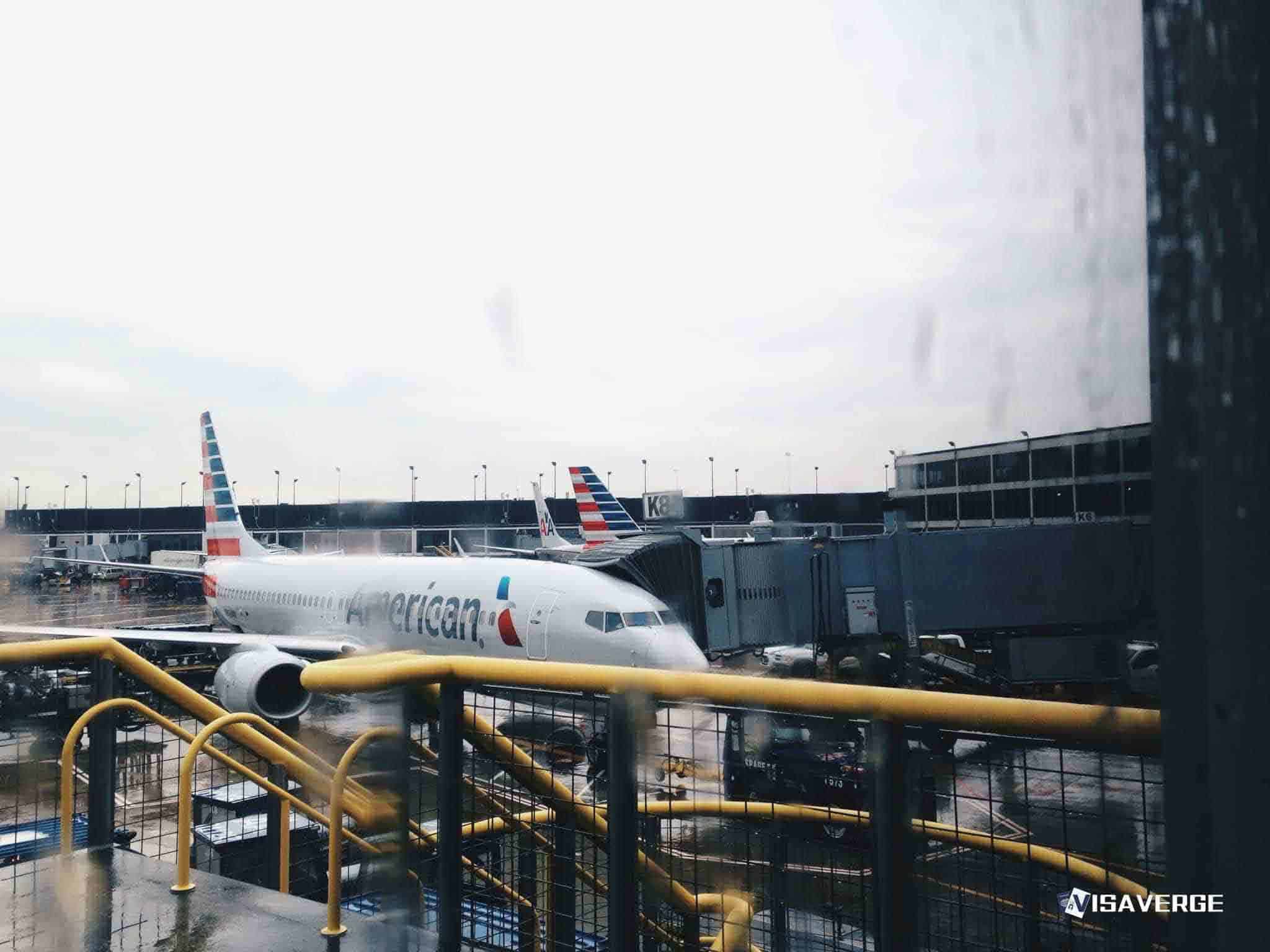
The crew encountered turbulence before the lightning strike. Air traffic control then instructed the aircraft to maintain 5,000 feet and 210 knots, followed by a right turn.
Pilot radio traffic captured the urgency. The crew said, “We got a do it now, we got to turn to at least a 120 heading,” and later told controllers, “Don’t send us through there again, it’s pretty bad. Let’s go ahead and divert to JFK.”
The aircraft touched down safely at 6:06 p.m. at John F. Kennedy International Airport. Early reports said visible damage appeared in at least two places on the aircraft.
The Federal Aviation Administration said it would investigate. That inquiry is expected to focus on the weather encounter, the lightning strike, the condition of the aircraft after landing, and the crew’s decision to divert.
JFK was not the original destination, but it offered one operational advantage that mattered immediately: longer runways. In deteriorating weather, that can make JFK the safer option than LaGuardia for crews managing a potential systems issue or seeking more margin after a strike.
That choice is not unusual in the New York market. Airlines across the region divert to JFK during weather disruptions because LaGuardia’s shorter runways and tighter layout leave crews with fewer options.
Lightning strikes are dramatic, but modern airliners are built with protections that let them withstand such events. The larger concern often comes after the strike, when maintenance teams must inspect the aircraft for entry and exit damage, check avionics, and confirm no systems were affected.
Visible damage in two areas means this aircraft will almost certainly face a detailed inspection before returning to service. That can ripple into later schedule changes if the plane was due for additional flights Friday night or Saturday morning.
Passengers on Flight 4233 were delivered to the New York area, but not to the airport on their tickets. That can create missed ground transfers, baggage delays, and rebooking issues for onward travel, especially for travelers connecting from LaGuardia to other domestic departures.
Anyone booked on a regional American flight into New York during active thunderstorms should watch for airport swaps between JFK Airport, LaGuardia, and Newark. Same day changes usually move fast, and gate agents often process rebookings before app notifications catch up.
The loyalty impact is limited, but it is still worth checking after an irregular operation. AAdvantage members usually receive mileage credit for the flight they actually flew, and travelers who were later rebooked should make sure the flown segment posts correctly.
That matters most on regional trips, where travelers often book cheap fares and earn modest mileage totals. If boarding passes disappear after a diversion or airport change, save screenshots and request missing credit through American once the trip closes.
The incident also adds to a familiar summer pattern for East Coast flyers. Thunderstorms around New York regularly force vectors, holding, diversions, and equipment changes, and regional jets often feel the disruption first because they operate shorter sectors on tighter turns.
American has not announced broader operational changes tied to this incident. The FAA investigation will shape whether the event remains an isolated weather diversion or feeds into wider reviews of routing, dispatch, and storm avoidance procedures.
If Friday’s weather pushes an itinerary into the evening bank, check the arrival airport before leaving for pickup or a connection. A New York ticket can still end at JFK Airport when storms, turbulence, and a lightning strike force the crew to choose the longest runway available.