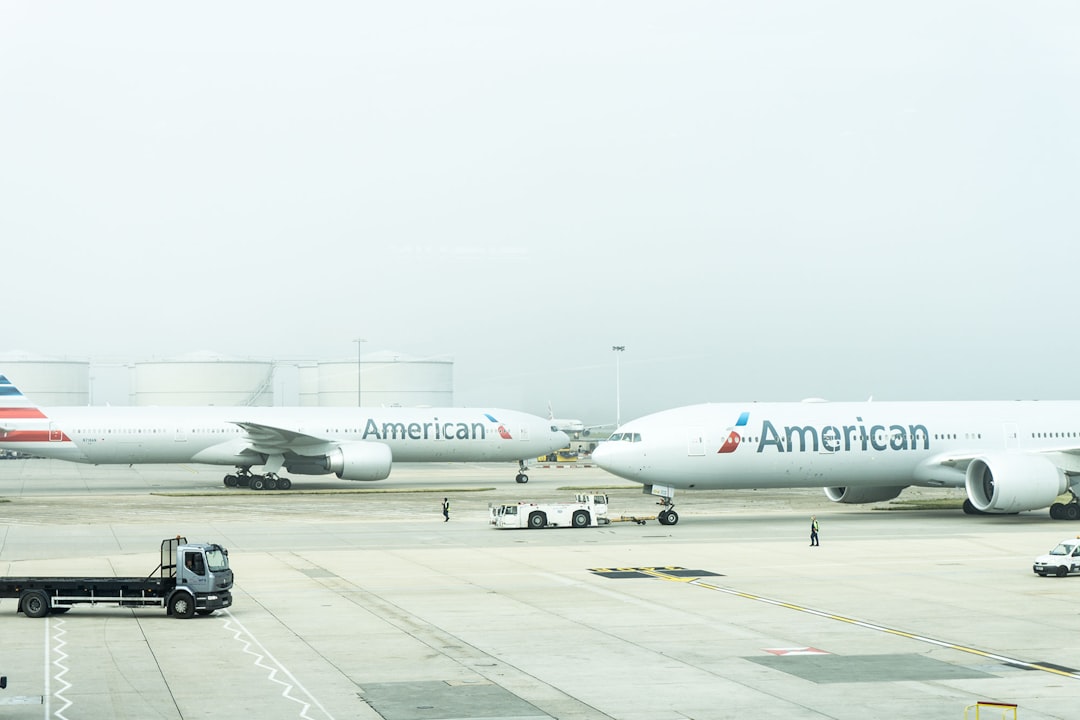
- American Airlines Flight 719 diverted to Dublin after six crew members reported illness from an onboard odor.
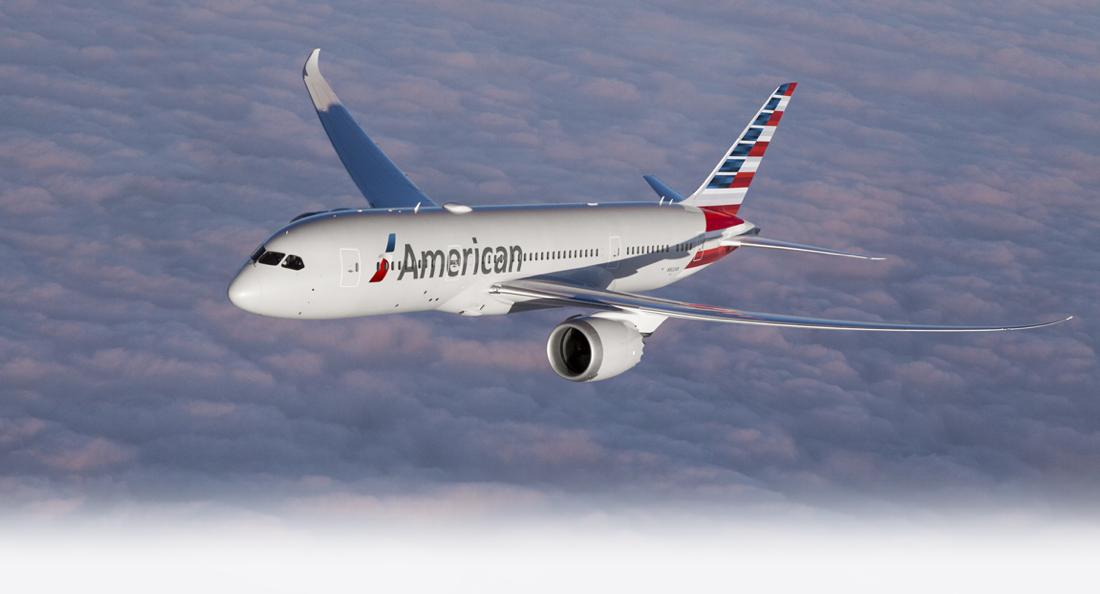
- The Boeing 787-9 landed safely with 281 passengers before the airline cancelled the onward Philadelphia service.
- Technical teams are inspecting environmental-control systems to identify the source of the reported contaminant.
American Airlines diverted Flight AA719 to Dublin on July 25 after a reported odor sickened six of its nine flight attendants during the journey from Rome to Philadelphia. The aircraft landed safely, but the airline cancelled the onward service after finding no replacement crew in Ireland.
The Boeing 787-9 had spent about three hours in the air when the crew reported dizziness and illness. The pilots turned toward Dublin, where the aircraft landed on Runway 28L at approximately 4:40 p.m. local time.
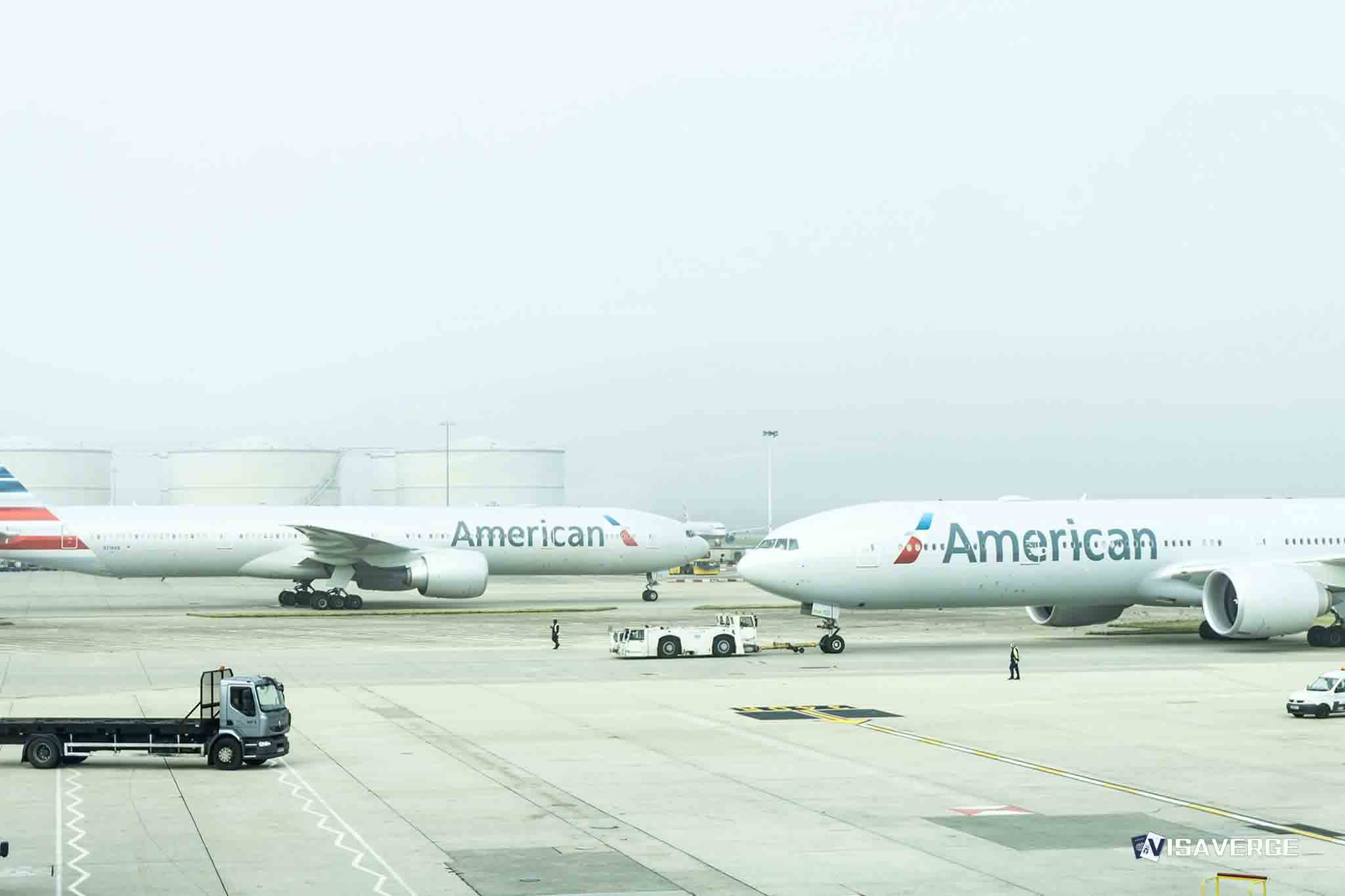
The jet carried 281 passengers and 12 crew members. Three pilots remained unaffected, while six cabin attendants became ill.
Paramedics met the aircraft at the gate. They evaluated the affected attendants and one passenger, then released them without hospitalization.
The airline attributed the diversion to a “reported odor onboard.” It said the flight attendants and the customer were assessed as a precaution.
“Flight 719, with service from Rome to Philadelphia, diverted to Dublin due to a reported odor onboard. The aircraft landed safely and was met by paramedics out of an abundance of caution. Flight attendants and one customer were evaluated and released.”
The Dublin diversion cancelled the Philadelphia flight
Passengers received overnight accommodation in Dublin and were rebooked onto later services the following day. The original Philadelphia segment did not operate.
No replacement cabin crew stood ready at Dublin Airport. The airline also needed to inspect the aircraft before returning it to service.
Airport medical personnel and fire crews were placed on standby for the arrival. The response ended at the gate after the medical assessments.
The aircraft was a 787-9 registered as N840AN. It was delivered in 2019 and remained on the ground in Dublin as of July 27 while American’s technical teams examined the aircraft.
A recovery flight, AA9601, was scheduled for July 27 to carry passengers or reposition the aircraft.
Investigators have not identified the source of the smell
The exact cause remained open after the landing. Possible explanations included a fault in the cabin air system or another contaminant inside the aircraft.
The illness affected cabin attendants, not the pilots. The six attendants reported dizziness and general illness, but no loss of consciousness.
The 787 uses electrically powered compressors to supply cabin air instead of drawing pressurized air from the engines. That design changes the range of possible sources when an odor appears in the cabin.
Investigators are examining environmental-control equipment, electrical components, galley equipment and air-conditioning packs as potential sources. No engineering finding had been released publicly by July 27.
The aircraft had been cruising at 39,000 feet when the crew turned toward Ireland, according to flight details cited in the incident coverage. It had departed Rome roughly six hours before the Dublin landing.
The diversion came after the aircraft left Rome Fiumicino for Philadelphia. Flight AA719’s transatlantic route normally would have continued west, but the crew illness made the Dublin landing the immediate priority.
Passengers may face a separate compensation question
Because the flight departed from Italy, passenger-rights rules under EC 261/2004 could apply to the disruption. A published estimate put the airline’s possible exposure at up to $200,000 (€185,000) if the odor did not qualify as an extraordinary circumstance outside the carrier’s control.
That figure was an estimate, not an announced payment. Any claim would depend on the cause of the diversion and how the disruption is classified under the regulation.
The overnight stay and rebooking addressed the immediate travel disruption. The medical evaluations addressed the people affected on board.
The remaining question is technical. The aircraft’s inspection in Dublin is intended to determine whether the odor came from an environmental-control fault, another aircraft system or a contaminant introduced elsewhere in the cabin.
The passengers’ recovery arrangements were scheduled around AA9601 on July 27. The aircraft’s return to service depended on the inspection and the resolution of the odor investigation.