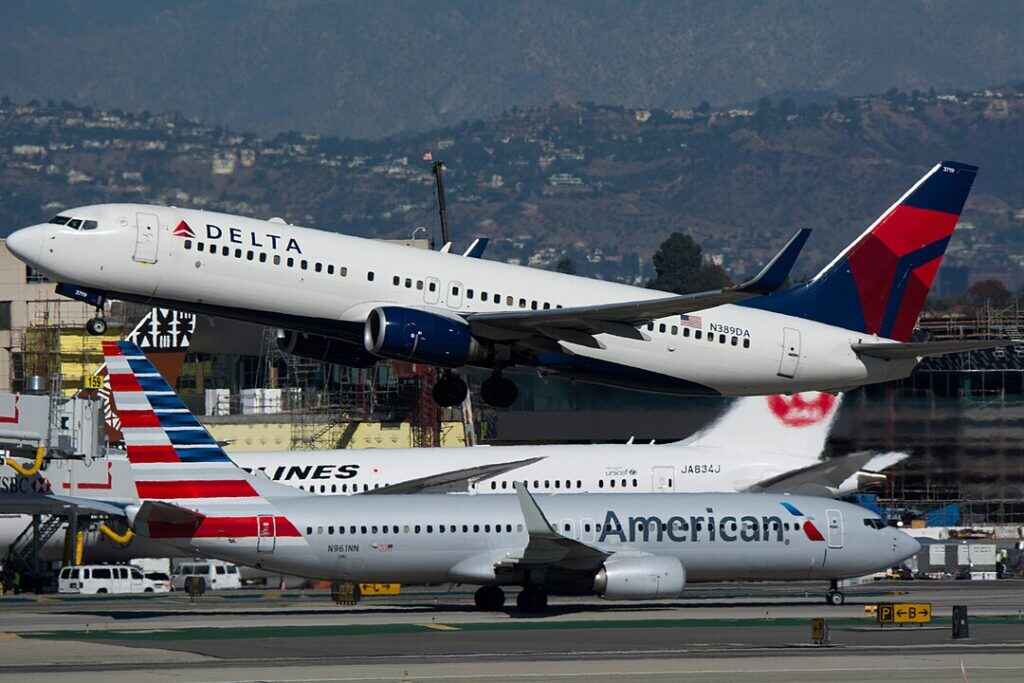
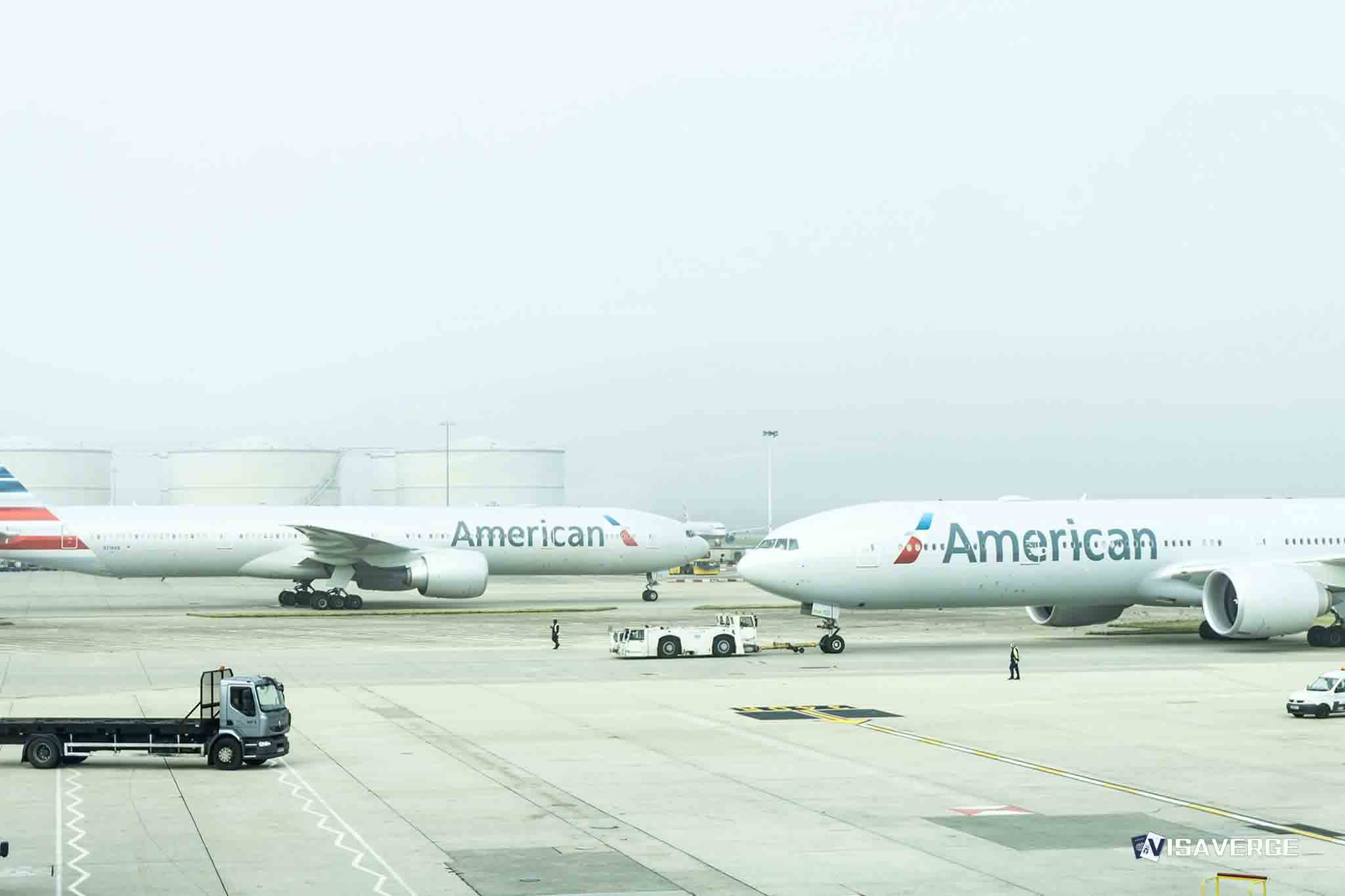
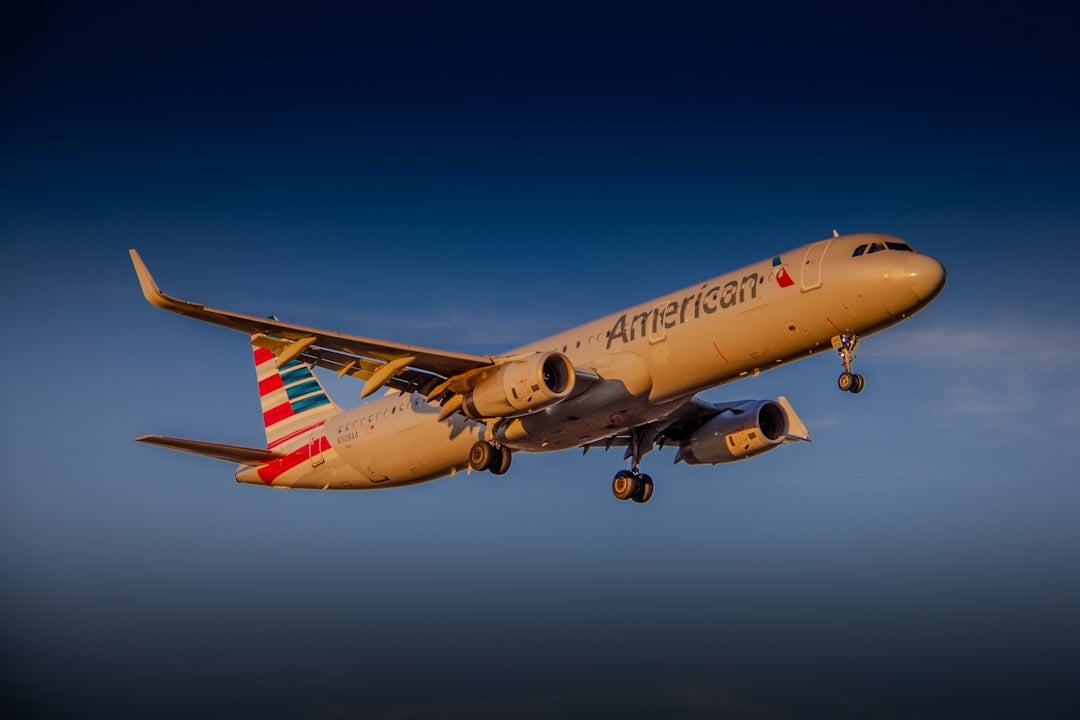
(LOS ANGELES, CALIFORNIA) An American Airlines Airbus A321 returned to Los Angeles International Airport after toxic fumes were detected in the cabin on October 15, 2025, leading the airline to ground the aircraft for inspection. The flight, scheduled from Los Angeles to New York, turned back shortly after takeoff as it climbed through about 5,000 feet, when crew members reported a “sickening odor.” Both pilots and cabin crew used oxygen masks, and the aircraft landed safely at LAX roughly 15 minutes after departure.
Medical staff evaluated seven passengers on arrival; none required hospitalization. As of October 16, 2025, American Airlines stated it would keep the Airbus A321 out of service as a precaution while a full investigation continues.
What happened, in brief
- The event began soon after takeoff, around 5,000 feet, when crew detected a strong odor.
- Pilots and cabin crew donned oxygen masks and decided to return to LAX quickly.
- The aircraft landed safely about 15 minutes after departure.
- Seven passengers were assessed by medical personnel; none were hospitalized.
- The specific Airbus A321 was grounded for inspection and investigation as a precautionary measure.
The airline confirmed the crew acted quickly to protect passengers and each other. The landing was uneventful, and specialists are working to identify the source of the fumes and ensure the airplane is safe before any return to regular flying. The company described the grounding as part of its standard safety approach.
Free toolB1/B2 Tourist Visa Stay Calculator onlineSafety response and crew actions
Crew actions reported in this case followed standard safety procedures:
- Identify a suspected air quality issue.
- Use oxygen masks.
- Alert air traffic control and return to the nearest suitable airport.
- Evacuate if required and have medical personnel evaluate passengers on arrival.
The short timeline—from detection to safe landing—suggests a focused, rapid response by crew members. Seven passengers were evaluated and none required hospitalization, supporting the airline’s message that the safety actions were effective.
Why the aircraft is grounded
American Airlines grounded only the affected Airbus A321 to allow maintenance and safety teams to perform thorough checks. The airline described this as a precautionary measure to reduce risk while experts examine the systems that might produce odors.
- Grounding concentrates resources on one aircraft.
- Specialists will inspect systems and components that can generate smells.
- The aircraft will return to service only after it meets safety standards.
The company has not listed specific parts or systems under review. The timeline for clearance and return to service has not been announced.
Impact on passengers and travel
A mid-flight return, especially on a transcontinental route like Los Angeles–New York, can disrupt plans and create downstream effects:
- Missed connections and meeting delays
- Potential overnight stays
- Stress for travelers carrying time-sensitive materials or attending interviews
American Airlines has not released rebooking details for this specific flight. In this incident, the safe landing and quick medical checks allowed passengers to deplane and work with the airline on next steps.
Practical tips for travelers after an event like this:
– Contact the airline to discuss rebooking options.
– Keep contact details updated in the airline app or booking record to receive timely notices.
– Communicate with employers, schools, and family members about potential delays.
For general passenger rights and guidance, see the U.S. Department of Transportation’s Aviation Consumer Protection page: U.S. Department of Transportation’s Aviation Consumer Protection.
What this means for families and frequent travelers
- The safe landing and absence of hospitalizations are the central reassurance for families and concerned travelers.
- Grounding the aircraft signals the airline is prioritizing safety over schedule.
- Building extra time into cross-country itineraries can reduce the impact of unexpected returns or delays.
According to analysis by VisaVerge.com, travel interruptions generate practical questions about managing onward bookings and reducing stress—concerns that apply broadly to U.S. domestic and cross-country flights ??.
Ongoing investigation and next steps
This story is developing. Key points to watch as the investigation continues:
- Results of inspections into the source of the toxic fumes
- Any findings from maintenance and specialist teams
- Announcement of a return-to-service date for the grounded Airbus A321
American Airlines said it will complete its work before returning the jet to regular schedules. The airline has not provided additional details beyond the steps outlined above.
Key facts recap
- Flight departed LAX for New York and turned back soon after takeoff.
- Odor detected at about 5,000 feet; crew used oxygen masks.
- Aircraft landed safely roughly 15 minutes after departure.
- Seven passengers were assessed; none hospitalized.
- The specific Airbus A321 remains grounded as of October 16, 2025 while the investigation continues.
Safety remains the focus: rapid crew response, medical evaluations, and precautionary grounding of the aircraft until experts complete their checks. Travelers on the Los Angeles–New York corridor should monitor their reservations via airline apps, websites, and customer service channels for any schedule updates.
This Article in a Nutshell
On October 15, 2025, an American Airlines Airbus A321 returning from a Los Angeles–New York flight turned back to LAX after crew detected a strong, sickening odor while climbing through about 5,000 feet. Pilots and cabin crew used oxygen masks and landed safely roughly 15 minutes after departure. Seven passengers were assessed by medical staff on arrival; none were hospitalized. American Airlines grounded the specific A321 as a precaution on October 16 while maintenance and specialist teams inspect systems to identify the source of the fumes. The airline emphasized rapid crew response and said the aircraft will return to service only after meeting safety standards.