- Delta Flight 2204 evacuated 205 people via emergency slides after returning to Atlanta due to smoke.
- The Boeing 757-200 landed safely on a taxiway following reports of fumes in the flight deck.
- The FAA launched an investigation into the cause, focusing on potential electrical or environmental system faults.
Delta Flight 2204 returned to Atlanta on Saturday after its crew reported fumes in the flight deck, then evacuated passengers on emergency slides after landing. The flight had been bound for Orlando, Florida.
Delta said the aircraft carried 199 customers and six crew members. No injuries were immediately reported.
Free toolB1/B2 Tourist Visa Stay Calculator online
The aircraft departed at 7:23 a.m. EDT and returned to land at 7:59 a.m. EDT. It reached approximately 9,000 feet before the crew declared an emergency and began descending toward Hartsfield-Jackson Atlanta International Airport.
After landing, the aircraft stopped on a taxiway. Passengers left using emergency slides rather than remaining aboard while the plane moved to a gate.
The crew initially reported fumes in the flight deck. Later, air traffic control audio captured by ATC.com recorded an urgent change in the plan.
“Delta 2204, change of plans. We now have smoke in the back, and we need to deplane immediately,”
Delta said the crew followed its procedures and returned as a precaution. A spokesperson described the evacuation and the airline’s response:
“The flight crew followed procedures to return to Hartsfield-Jackson Atlanta International Airport after reports of fumes in the flight deck. A slide evacuation occurred on a taxiway, and customers are being reaccommodated on a new aircraft.”
The spokesperson added: “Safety is paramount at Delta, and we apologize to our customers for their experience.”
The flight turned back after reaching about 9,000 feet
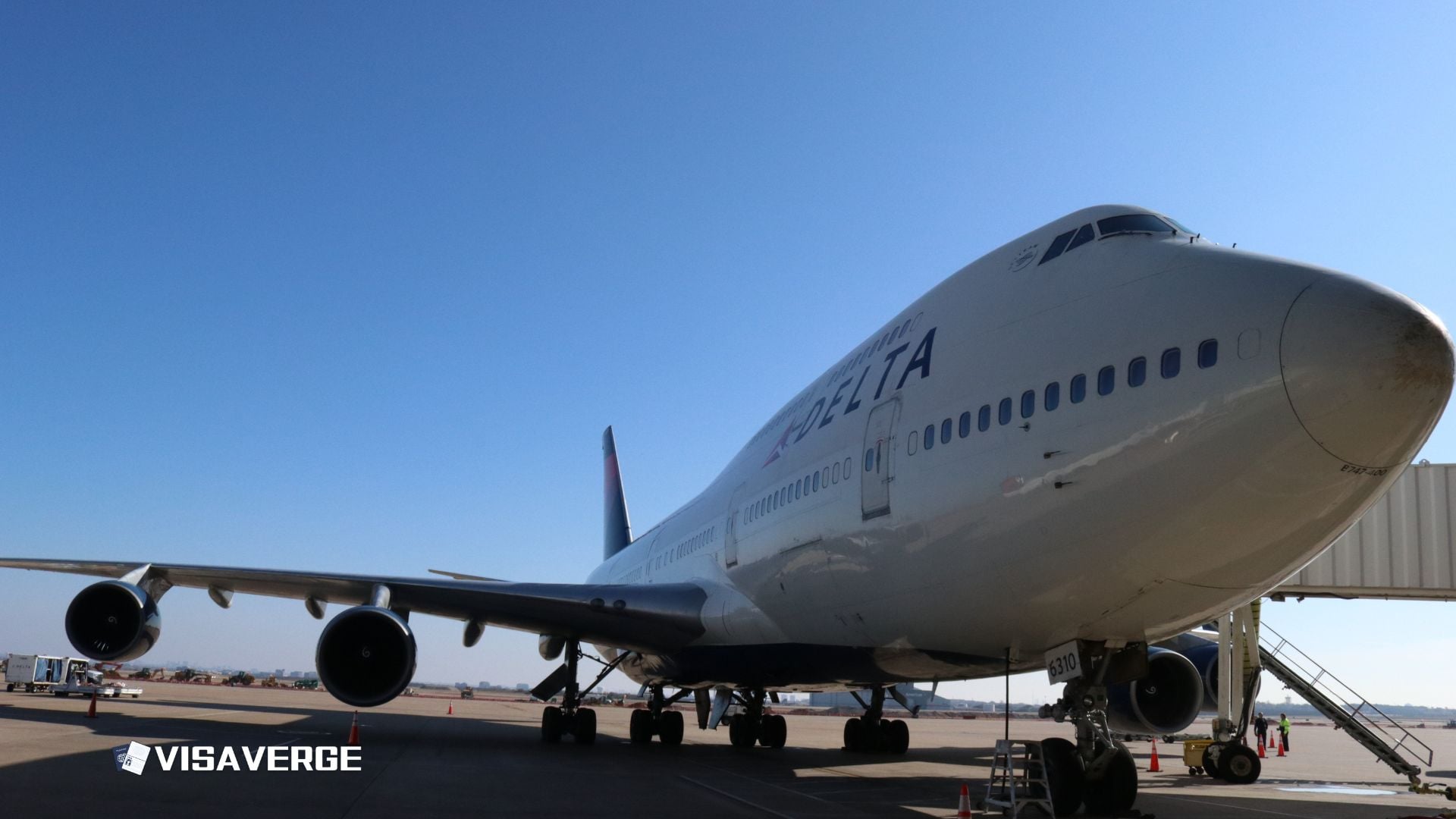
The aircraft was a Boeing 757-200 with registration N555NW. It was operating from Atlanta to Orlando when the crew turned back shortly after departure.
The flight’s basic sequence was brief. It left at 7:23 a.m. EDT, climbed to approximately 9,000 feet, declared an emergency, and landed back at the airport at 7:59 a.m. EDT.
| Flight detail | Information |
|---|---|
| Flight | Delta 2204 |
| Route | Atlanta to Orlando, Florida |
| Departure | 7:23 a.m. EDT |
| Return landing | 7:59 a.m. EDT |
| Aircraft | Boeing 757-200 |
| Registration | N555NW |
| People aboard | 199 customers and six crew members, 205 total |
| Maximum reported altitude | Approximately 9,000 feet |
Delta said the crew declared the emergency after reporting fumes in the flight deck. The later radio transmission referred to smoke in the back and called for immediate deplaning.
The aircraft remained on the taxiway after touchdown. The slide evacuation followed there.
Delta bused passengers to the terminal and arranged another flight
The airline said customers were transported by bus back to the terminal after leaving the aircraft. Delta also said passengers were rebooked on another aircraft to Orlando.
The airline’s spokesperson said customers were being reaccommodated on a new aircraft. The disrupted journey therefore continued through a replacement flight rather than the aircraft involved in the emergency return.
No injuries were immediately reported among the passengers or crew. Delta did not identify a cause for the fumes.
The flight carried 205 people in total. That figure included 199 customers and six crew members.
The initial report described fumes in the flight deck, while the subsequent air traffic control transmission mentioned smoke in the back. Those reports prompted two separate actions: returning to Atlanta and evacuating on the taxiway.
The FAA is examining a report of “smoke and fumes”
The Federal Aviation Administration confirmed that it is investigating the incident. Preliminary reports described the emergency declaration as involving “smoke and fumes” in the cockpit.
The agency’s review will accompany Delta’s inspection of the aircraft. Maintenance teams were evaluating the plane during the afternoon of August 8, 2026, to determine the source of the reported fumes.
The expected technical focus includes the aircraft’s environmental control system, known as the ECS, and its electrical wiring. Those areas can be examined for evidence connected to smoke or fumes inside the flight deck.
Several possible sources can produce fumes aboard an aircraft. They include electrical faults, hydraulic leaks, and engine bleed air contamination.
None of those possibilities has been established as the cause of this flight’s incident. The maintenance evaluation was still underway on August 8, 2026.
The crew’s decision to return came after the initial fumes report. The later call about smoke led to the order for passengers to leave immediately after the aircraft stopped on the taxiway.
Delta 2204 follows another reported cockpit-smoke evacuation
The incident came after a series of high-profile “smoke in cockpit” events during 2025 and early 2026, according to the research material about the flight. One earlier example involved Delta Flight 876 in February 2025.
That prior event provides context for the reported sequence, but it does not establish what caused the fumes on Saturday. The FAA inquiry and Delta’s maintenance work remain centered on the aircraft involved in this return.
The airline’s next step was technical. Maintenance teams were tasked with identifying the source while passengers were moved back through the terminal and onto another aircraft for Orlando.