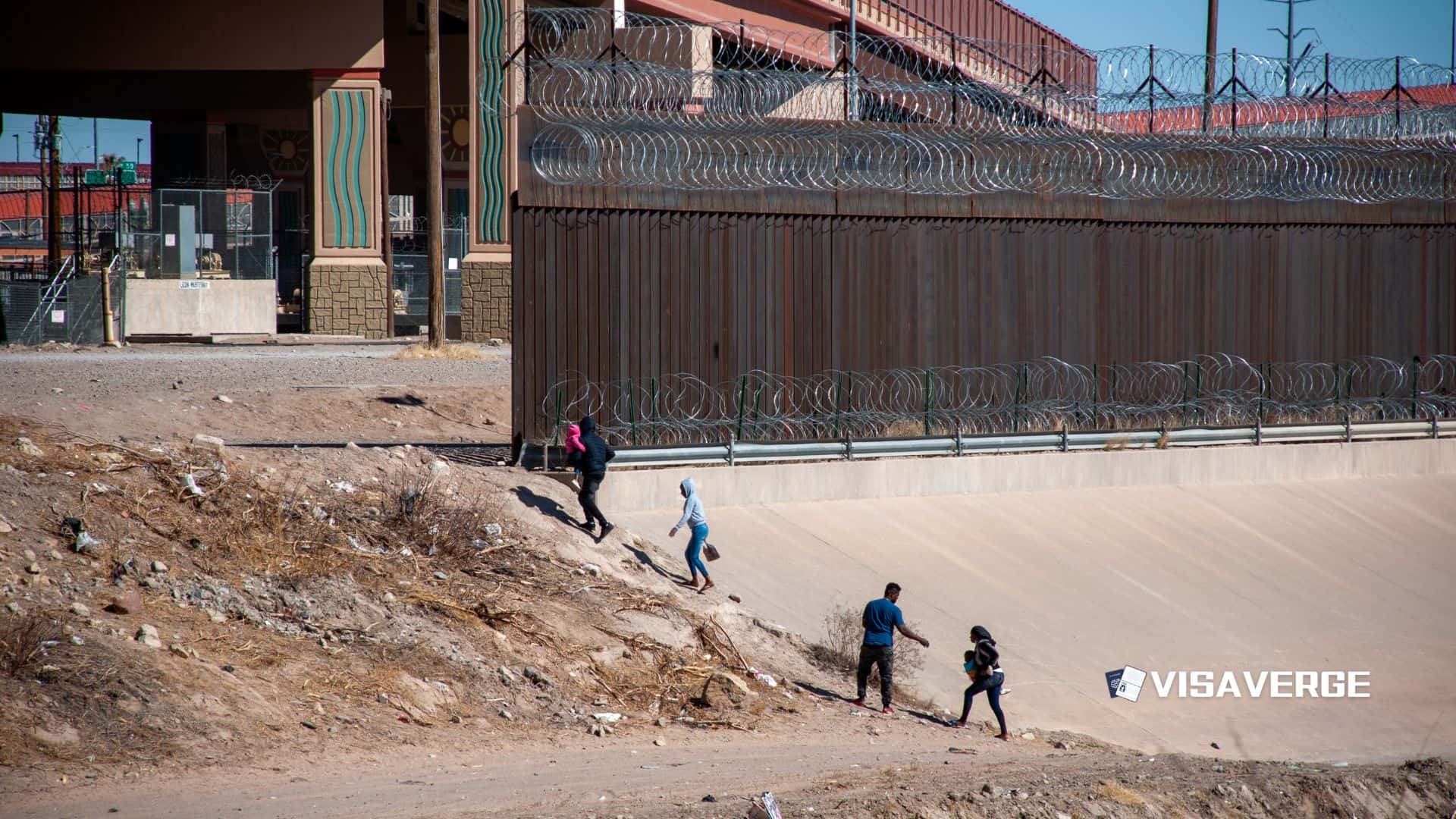
- Morocco has deployed twenty-four thousand agents to prevent a mass border crossing planned for August 15, 2026.
- A July surge resulted in eighty thousand entrants and one hundred eleven deaths near the Spanish enclave.
- Italy and Spain have reintroduced temporary border checks within the E-U following the humanitarian and security crisis.
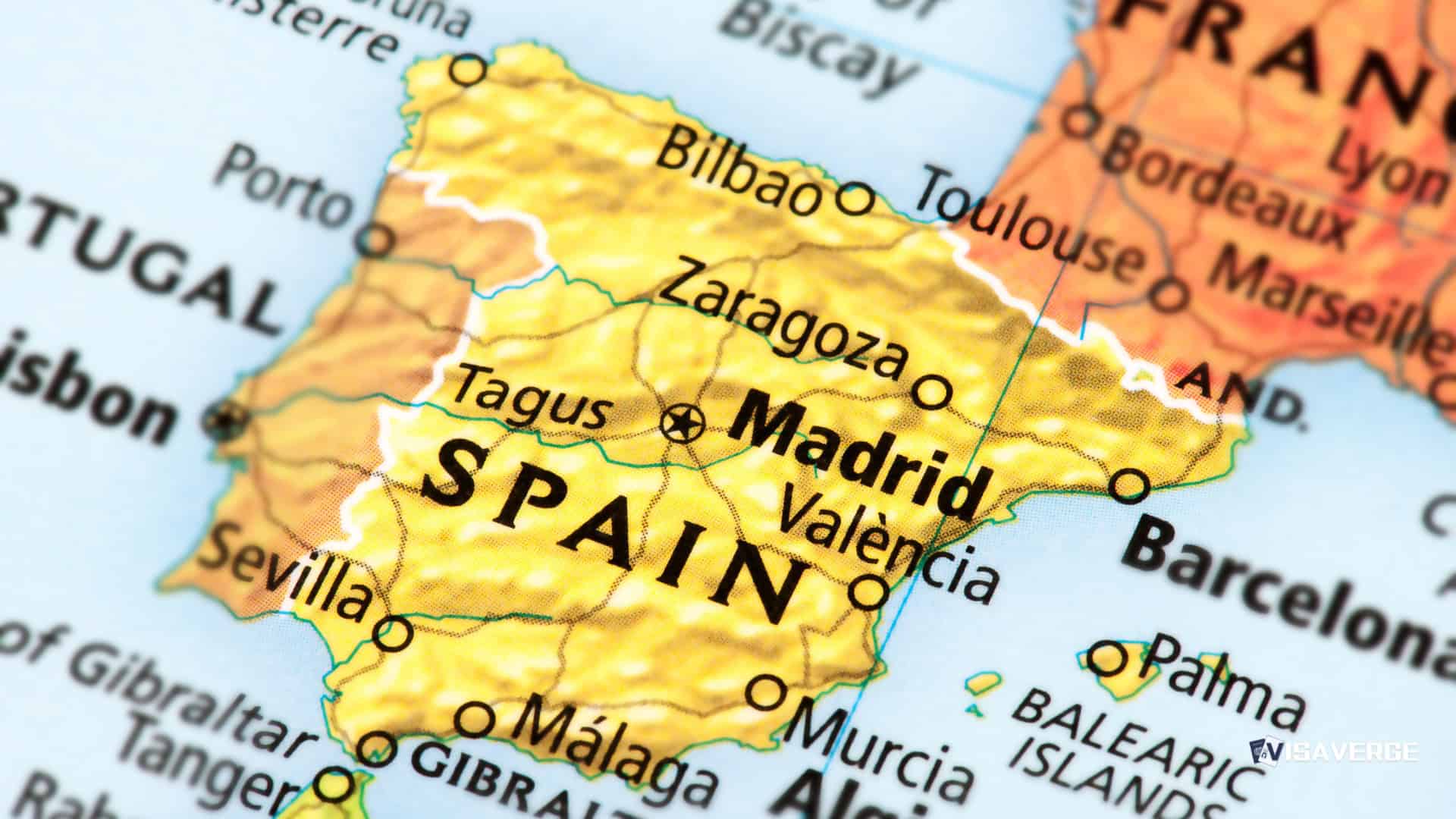
Morocco has deployed 24,000 security personnel along its northern coast ahead of planned August 15 attempts to cross into the Spanish enclaves of Ceuta and Melilla. Calls for a new mass entry are circulating on social networks, amid a pre-election climate and criticism of Rabat’s migration policy.
The operation includes Moroccan police at both borders. Security forces are monitoring viral tags such as “15/08” and “al-hajma,” Arabic for “the offensive.” The posts call for another attempt on a Spanish public holiday.
Free toolSchengen Short-Stay Visa Calculator
The planned mobilization follows a late-July surge. An estimated 80,000 people, mostly young men, breached the Ceuta border during a 48-hour period on July 30–31.
The crossing attempt left at least 111 people dead by August 4. Official reports recorded 100 deaths in the enclave and 11 in Fnideq, Morocco, mainly from drowning or stampedes at the breakwater.
Spain has also reinforced its side. The Military, National Police and Guardia Civil are positioned along a 1,600-foot pneumatic barrier installed on August 1.
Spain returned 70,000 identified entrants after the July surge
Spanish Interior Minister Fernando Grande-Marlaska said August 4 that authorities had identified 72,000 irregular entrants and returned 70,000 of them to Morocco. Thousands had slept in parks and on sidewalks before their return.
Ceuta’s regional government declared an “absolute humanitarian and social emergency.” The declaration followed the arrival of migrants who remained in public spaces while Spanish authorities processed their returns.
The scale of the July movement has shaped the security response on both sides of the border. Rabat’s deployment covers the northern coast, while Spain is using military and law-enforcement units around the sea barrier.
| Response | Detail | Date or figure |
|---|---|---|
| Moroccan deployment | Security personnel along the northern coast | 24,000 |
| July surge | Estimated people who breached the border | 80,000 |
| Spanish returns | Identified irregular entrants returned to Morocco | 70,000 of the 72,000 |
| Deaths | Ceuta and Fnideq | 111 by August 4 |
A Spanish court ruling has narrowed immediate returns
A July 8, 2026, decision by Spain’s Supreme Court restricted the “immediate return” of migrants who reach the enclaves by swimming. The ruling has become a point of dispute between Madrid and Rabat.
Morocco’s Interior Ministry said the decision “deactivated illegal migration deterrence” and created a “pull factor.” The ministry’s position links the court’s limits on returns to the possibility of further attempts at the crossings.
Rabat has also rejected “concierge” status for the European Union and demanded a review of migration agreements. The dispute adds a diplomatic layer to the security operation now underway.
A Moroccan court in Tetouan sentenced seven taxi drivers to prison on August 7 for facilitating the movement of migrants toward Fnideq. The border town lies near the approach to the Spanish enclave.
Italy and Spain have added temporary border checks
Italy introduced temporary checks on travelers from Spain until at least August 15. Italian authorities cited the “expected new wave of migration.”
Spain answered with “proportional measures” and began reciprocal checks on Italian visitors on August 8. The controls place another layer of scrutiny on movement inside Europe as the planned date approaches.
The United States raised its travel advisory for the enclave to Level 3: Reconsider Travel on August 1. Secretary of State Marco Rubio said the “massive and uncontrolled arrival of migrants from Morocco to Ceuta” could create “unpredictable and dangerous security conditions.”
The State Department also issued this statement:
“The United States stands with the people of Spain, and all Europeans, against this egregious violation of their sovereignty and human rights. The influx was the direct result of deliberate efforts to enable and facilitate mass illegal migration into Europe.”
Security officials are also tracking broader vetting concerns
Internal reports from August 2026 have focused on the terrorist watchlist. They raise concerns that limited border vetting in Spain could create security risks for European and allied interests.
President Donald Trump addressed the July episode at a Cabinet Meeting on July 31. He said:
“The catastrophe that took place, it was like an invasion of a country by hundreds of thousands of people. They don't know what to do. And it's happening again today. They're coming in by the tens of thousands and just invading the country.”
The public calls for August 15 have kept attention on the approaches to both crossings. Authorities are watching online coordination while Morocco maintains its coastal deployment and Spain keeps its reinforced border posture.
Italian checks are scheduled to remain until at least August 15. Spain’s reciprocal measures began August 8, leaving the next planned crossing attempt under heightened scrutiny.