- Record-breaking surge of over 50,000 migrants into the Spanish enclave of Ceuta triggers an emergency EU meeting.
- Italy suspends passport-free travel with Spain for thirty days, citing national security concerns following the crisis.
- Spanish authorities confirm 70,000 people have returned to Morocco as the military remains deployed in the city.
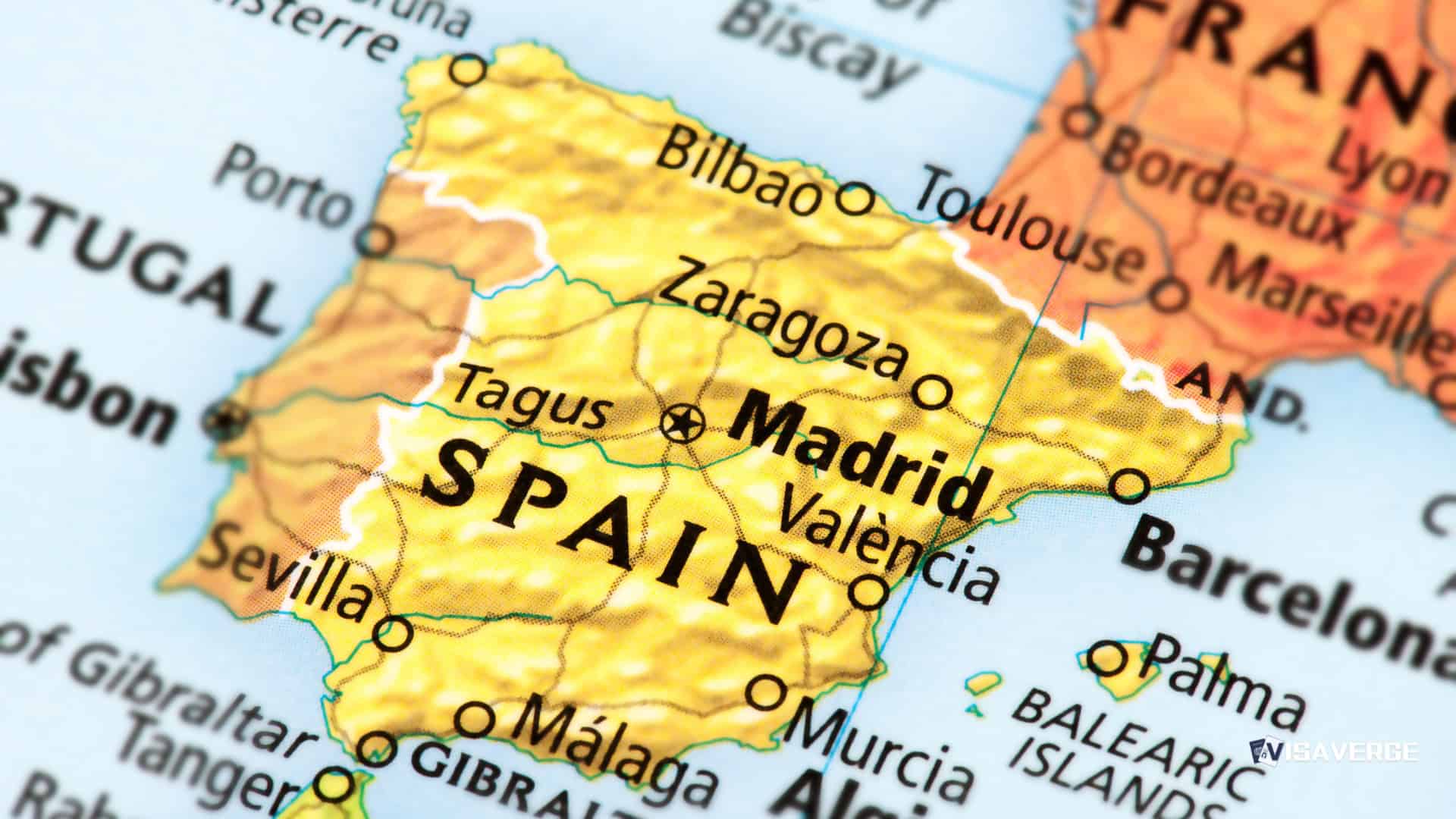
Ireland convened an emergency EU video conference Tuesday after more than 50,000 people crossed into Ceuta by land and sea, triggering the largest irregular crossing recorded in Europe over 24 hours.
The arrivals began Thursday. At least 72 people had died by Sunday, after more bodies were found along the enclave’s coast. Health services treated more than 1,000 people since Thursday.
Free toolSchengen Short-Stay Visa Calculator
Irish Justice Minister Jim O’Callaghan chaired the meeting. Twenty-two governments asked for “coordinated border protection” as ministers sought a joint response rather than separate national measures.
The meeting came after Italy suspended passport-free travel arrangements with Spain for one month. Prime Minister Giorgia Meloni called the step “an extraordinary measure, adopted to safeguard national security.”
Ministers weigh stronger Frontex powers as governments tighten controls
The ministers planned to discuss an expanded role for Frontex during emergency situations. Existing rules permit countries to suspend passport-free travel arrangements unilaterally for one month, with renewals extending the measure to six months when governments cite security threats.
Italy’s suspension took effect August 1. The decision placed a temporary internal travel restriction alongside Spain’s emergency response at the external border.
The scale of the movement overwhelmed local services. Reception centers collapsed, leaving thousands of minors in the city’s care and prompting Spain to deploy the military, including the Legion and Parachute Brigade, on the streets.
The governments’ joint demand also reflected opposition to Spain’s plans to regularize undocumented workers. Ministers criticized those plans as a “pull factor” that could encourage additional arrivals.
Most people have already returned, but the death toll remains disputed
Spanish authorities reported that approximately 70,000 of the original crossers had returned to Morocco by August 4. Some went back voluntarily, while others left through coordinated returns.
The reported number of arrivals ranged from 50,000 to 72,000. That would equal approximately 70% of the enclave’s total population.
| Measure | Reported figure |
|---|---|
| People who crossed | 50,000 to 72,000 |
| People treated by health services | More than 1,000 |
| People returned by August 4 | Approximately 70,000 |
| Containment installation | 500 meters, or 1,600 feet |
Reports on August 4 placed the total death toll between 72 and 99. Approximately 88 deaths occurred in the enclave and 11 in Moroccan territory, with drowning and crushing during stampedes at the Tarajal breakwater cited among the main causes.
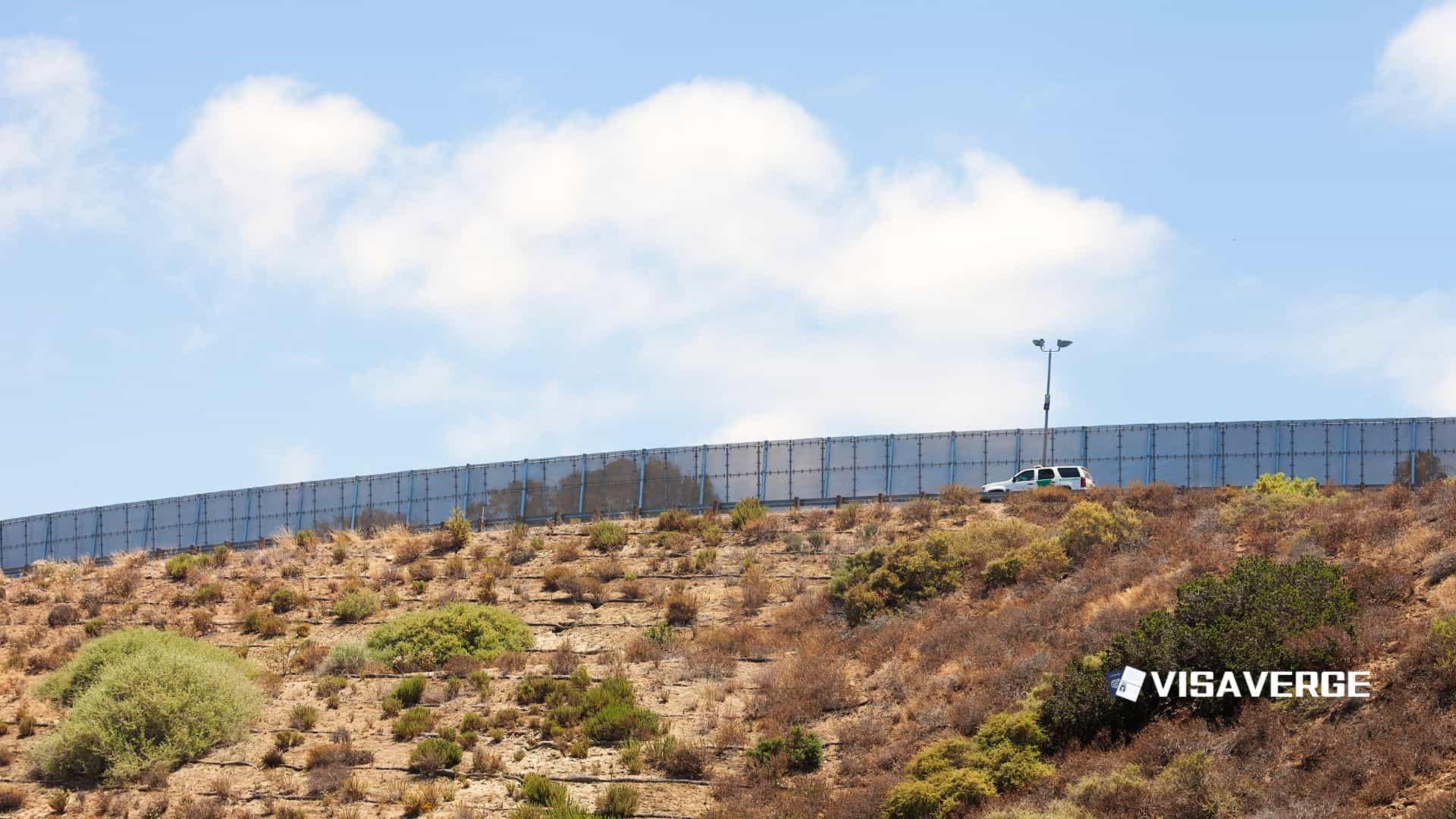
At the coast, authorities began installing a 500-metre pneumatic containment installation on August 1. The measure was designed to prevent further maritime crossings at the Tarajal sea border.
A June court ruling became the focus of the political dispute
The surge has been widely attributed to a June 2026 Spanish Supreme Court ruling that restricted summary returns of migrants intercepted at sea. Human trafficking networks reportedly spread that interpretation rapidly.
Many people consequently believed they would obtain permanent legal status after reaching Spanish territory. The meeting placed that legal dispute alongside calls for stronger enforcement at the border.
Ireland emphasized “solidarity” in the European response. Italy and Denmark pushed for overseas migrant processing centers modeled on the Italy-Albania arrangement.
Those proposals would shift at least part of the processing system outside EU territory. They also showed how sharply governments differed over the next stage of migration policy.
The EU response now combines emergency controls with longer-term proposals
The meeting’s immediate agenda centered on border protection and Frontex. Its wider political debate included processing centers abroad, the treatment of undocumented workers and the limits of temporary internal travel suspensions.
Current rules give national governments a unilateral option when they identify a security threat. The provision allows an initial one-month suspension and renewals of up to six months.
That mechanism has now been used by Italy against travel arrangements with Spain. The ministers’ discussion of Frontex would address how a future emergency might receive a more coordinated European response.
The Spanish military remains deployed in the enclave as authorities manage the aftermath. Local services are caring for thousands of minors while officials handle returns, medical treatment and the deaths along the coast.