- Spain repatriated approximately 50,000 people to Morocco following a massive migration surge into the Ceuta enclave.
- Foreign Minister Albares confirmed that Schengen integrity remains protected through strict police checkpoints for all mainland travel.
- Tragedy struck as at least 67 people died during the mass crossing attempts via sea and land barriers.
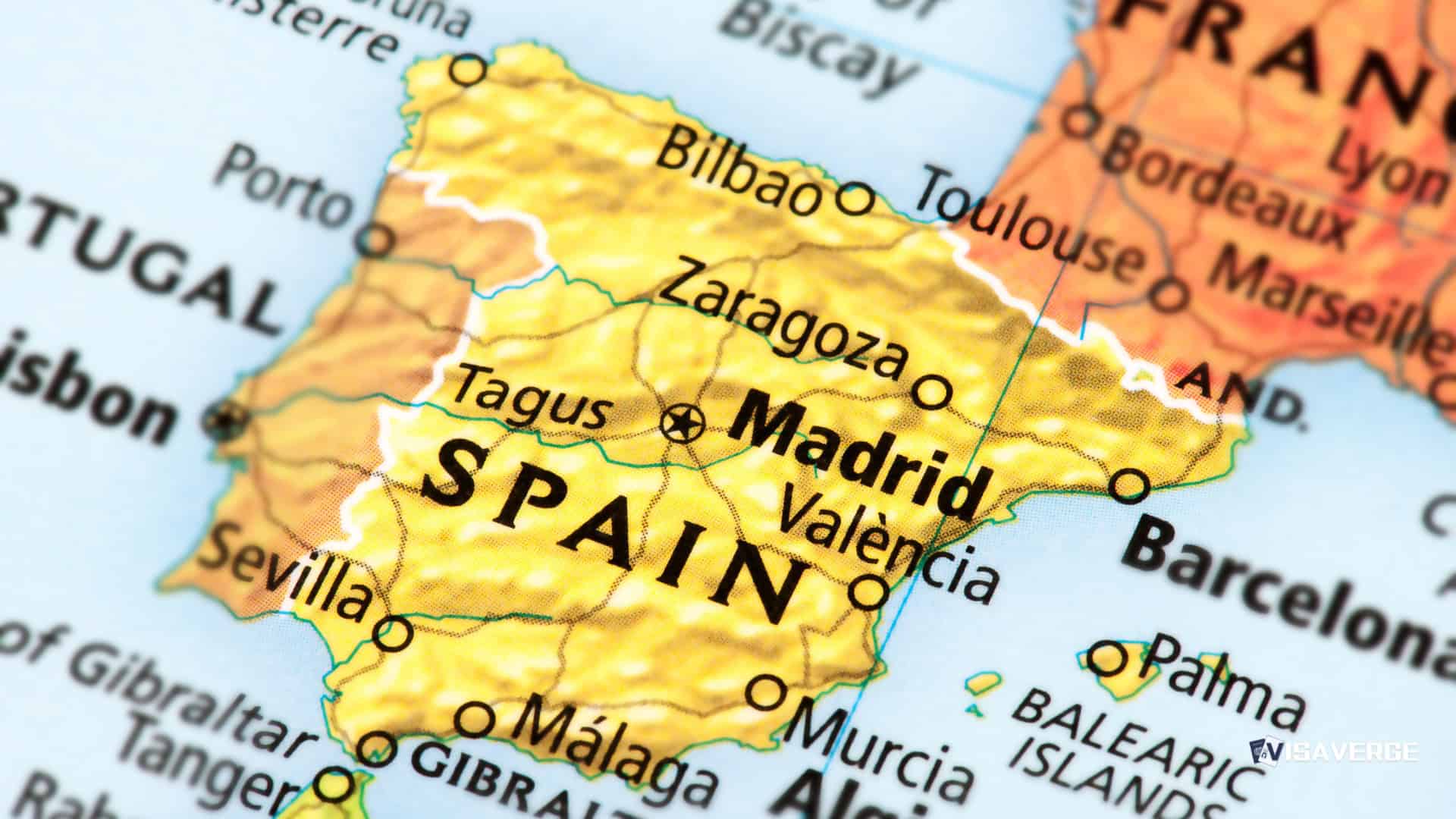
Spain moved to contain a migration surge in Ceuta after an estimated 40,000 to 60,000 people crossed from Morocco between July 30 and July 31, while Madrid insisted the Schengen Area’s internal travel rules remained protected.
Foreign Minister José Manuel Albares said on July 31 that almost everyone who entered had already gone back to Morocco. He also pointed to police checks required before anyone can travel from the enclave or Melilla to mainland Spain.
Free toolSchengen Short-Stay Visa Calculator
“The integrity of the Schengen Area is absolutely guaranteed. Practically all those who entered Ceuta have already returned to Morocco. It is not possible to move from Ceuta and Melilla to the mainland without identifying yourself at a police checkpoint. Enough of this deliberate confusion.”
Albares issued the statement as images of the mass crossing raised questions about whether the episode could affect movement between Spain and other European countries. Spain’s government presented the checks as a safeguard against uncontrolled onward travel.
The government said roughly 50,000 people had returned to Morocco through the Tarajal crossing by the evening of July 31. At least 67 people died in drownings and stampedes during the mass swim and attempts to climb the breakwater barriers.
Prime Minister Pedro Sánchez visited the enclave on July 31. He described the breach as a “violation of Spain’s territorial integrity” and an “attack” on Spanish sovereignty.
Sánchez blamed “human trafficking mafias” for spreading what he called a “self-serving and false interpretation” of a recent Spanish Supreme Court ruling concerning the deportation of migrants intercepted at sea. The ruling became a focus of the explanation offered for the sudden movement toward the border.
Spain sent soldiers to reinforce the shoreline
The Spanish Legion and regular army units joined the Guardia Civil after the crossings. Their duties included shoreline patrols and reinforcement of the 500-meter sea barrier.
The surge unfolded in less than 48 hours. Most of those crossing were described as young men from Morocco, and local reception facilities reached “total collapse” as people waited to be processed or returned.
Hundreds of migrants, including unaccompanied minors, slept on the streets before their return. The reception pressure accompanied the deaths and the rapid repatriation effort.
The border episode also prompted calls for tighter checks elsewhere in Europe. Italy, led by Prime Minister Giorgia Meloni, and Denmark announced or called for a temporary suspension of the Schengen Agreement with Spain, including the restoration of checks for travelers arriving from Spanish territory.
Those moves would add national controls to a travel system built around the removal of routine checks at many internal borders. Spain’s position is that its police identification procedures for departures from the enclave already prevent people from using the territory as an unmonitored route to the mainland.
Twenty-two European leaders sought an emergency meeting
A joint letter signed by 22 European leaders on August 1 called for an emergency meeting of EU interior ministers. The leaders said the meeting should address the “instrumentalisation of migration.”
Their appeal placed the incident inside a wider European dispute over the use of migration pressure at external borders. It also came as governments considered whether temporary national checks were needed after the crossings.
Spain’s response combined returns, military support and a public rejection of claims that the episode had compromised the border-free travel system. The government said the returns through Tarajal had already reached roughly 50,000 by July 31.
The scale of the operation remained tied to competing figures. The estimated number of arrivals stood between 40,000 and 60,000, while the government’s return figure covered those sent back by the evening of the following day.
The deaths added a humanitarian dimension to the dispute. People attempted both a mass swim and climbs over the breakwater barriers, while the local facilities struggled to accommodate those who reached Spanish territory.
The emergency meeting requested for August 1 will put Spain’s handling of the surge before EU interior ministers. Madrid’s guarantee, meanwhile, rests on the police checkpoint requirement for anyone seeking to leave the enclave or Melilla for mainland Spain.