Ceuta faced a new mass-arrival emergency on July 30 and July 31, 2026, after thousands crossed from Morocco by swimming and inflatable devices and local authorities warned of severe strain on reception capacity. Ceuta president Juan Jesús Vivas declared an “absolute humanitarian and social emergency” on July 30 and asked Madrid for urgent military help as Spanish forces moved to reinforce the border.
- Spanish authorities sent additional troops and police to Ceuta to support the Civil Guard and secure the enclave after the crossings surged.
- On July 30, Spain and Morocco agreed to step up coordination and review procedures to speed the return of people who entered Ceuta illegally.
- Reports on July 30 cited at least 18 deaths linked to the crossings, while later live coverage reported 19 deaths.
- Spanish legal and political debate intensified after reporting this week said the Supreme Court ruled that migrants intercepted at sea near Ceuta and Melilla cannot be subjected to immediate “hot returns,” prompting a Popular Party bill to extend the border-rejection regime to unauthorized entries by land or sea.
Spain’s prime minister blamed traffickers after a surge of as many as 60,000 migrants crossed into Ceuta from Morocco, with Spanish authorities also citing figures of about 49,000 to 50,000 in a 24-hour span. The emergency triggered military deployment, calls from Ceuta for national intervention, and urgent coordination with Morocco to accelerate returns.
- Spain’s Interior Ministry said on Friday that approximately 49,000 migrants entered Ceuta in the previous 24 hours, while other Spanish updates cited totals of 50,000 to 60,000.
- Spain activated its military forces on Thursday after migrants swam and scaled the border from Morocco.
- Ceuta president Juan Jesús Vivas said about 1,500 migrants had entered in recent days, and local authorities described reception centers as “collapsed and saturated.”
- By Friday afternoon, reports said at least 48,300 migrants had returned to Morocco, while Spain and Morocco agreed to step up coordination and review procedures to speed up returns.
1 earlier update
Ceuta faced a new mass-arrival emergency on July 30 and July 31, 2026, after thousands crossed from Morocco by swimming and inflatable devices and local authorities warned of severe strain on reception capacity. Ceuta president Juan Jesús Vivas declared an “absolute humanitarian and social emergency” on July 30 and asked Madrid for urgent military help as Spanish forces moved to reinforce the border.
Free toolSchengen Short-Stay Visa Calculator- Spanish authorities sent additional troops and police to Ceuta to support the Civil Guard and secure the enclave after the crossings surged.
- On July 30, Spain and Morocco agreed to step up coordination and review procedures to speed the return of people who entered Ceuta illegally.
- Reports on July 30 cited at least 18 deaths linked to the crossings, while later live coverage reported 19 deaths.
- Spanish legal and political debate intensified after reporting this week said the Supreme Court ruled that migrants intercepted at sea near Ceuta and Melilla cannot be subjected to immediate “hot returns,” prompting a Popular Party bill to extend the border-rejection regime to unauthorized entries by land or sea.
Spain’s Ceuta crisis escalated sharply in late July 2026, with reporting putting the influx at around 49,000 people in 24 hours or about 60,000 over several days, far beyond earlier estimates of a few thousand. By Friday evening, Spain said 48,300 migrants had already returned to Morocco, while crossings fell to about zero overnight by Saturday.
- Spain’s Interior Ministry reportedly said around 49,000 people crossed into Ceuta over 24 hours, while Ceuta authorities cited about 60,000 over several days.
- Spanish officials said 48,300 had returned to Morocco by Friday evening, and multiple reports said most of the migrants had left Ceuta by Saturday.
- Death toll estimates in the reporting ranged from at least 34 to at least 72, and Spanish authorities recovered 57 bodies on the Spanish side by Friday evening.
- Spain deployed the military, reinforced police and Guardia Civil units, and began installing a 500-metre floating barrier in Ceuta’s waters.
2 earlier updates
Spain’s prime minister blamed traffickers after a surge of as many as 60,000 migrants crossed into Ceuta from Morocco, with Spanish authorities also citing figures of about 49,000 to 50,000 in a 24-hour span. The emergency triggered military deployment, calls from Ceuta for national intervention, and urgent coordination with Morocco to accelerate returns.
- Spain’s Interior Ministry said on Friday that approximately 49,000 migrants entered Ceuta in the previous 24 hours, while other Spanish updates cited totals of 50,000 to 60,000.
- Spain activated its military forces on Thursday after migrants swam and scaled the border from Morocco.
- Ceuta president Juan Jesús Vivas said about 1,500 migrants had entered in recent days, and local authorities described reception centers as “collapsed and saturated.”
- By Friday afternoon, reports said at least 48,300 migrants had returned to Morocco, while Spain and Morocco agreed to step up coordination and review procedures to speed up returns.
Ceuta faced a new mass-arrival emergency on July 30 and July 31, 2026, after thousands crossed from Morocco by swimming and inflatable devices and local authorities warned of severe strain on reception capacity. Ceuta president Juan Jesús Vivas declared an “absolute humanitarian and social emergency” on July 30 and asked Madrid for urgent military help as Spanish forces moved to reinforce the border.
- Spanish authorities sent additional troops and police to Ceuta to support the Civil Guard and secure the enclave after the crossings surged.
- On July 30, Spain and Morocco agreed to step up coordination and review procedures to speed the return of people who entered Ceuta illegally.
- Reports on July 30 cited at least 18 deaths linked to the crossings, while later live coverage reported 19 deaths.
- Spanish legal and political debate intensified after reporting this week said the Supreme Court ruled that migrants intercepted at sea near Ceuta and Melilla cannot be subjected to immediate “hot returns,” prompting a Popular Party bill to extend the border-rejection regime to unauthorized entries by land or sea.
Morocco tied the recent surge into Ceuta to Spain’s July 8, 2026 Supreme Court ruling, saying the decision removed the basis for immediate sea returns and weakened deterrence. On August 3, 2026, a senior Moroccan official said Spain should have anticipated the impact, while Spain said most of the people who crossed have already gone back to Morocco.
- The ruling on July 8, 2026 held that migrants intercepted at sea while trying to reach Ceuta or Melilla cannot be summarily returned to Morocco without due process.
- Reuters reported on July 31, 2026 that Spain said more than 49,000 people crossed into Ceuta over the previous 24 hours, with other outlets putting the figure around 50,000 to 60,000.
- Spain’s Interior Ministry said many arrivals had already returned voluntarily to Morocco; Reuters reported that more than 48,000 had gone back by July 31, 2026.
- Ceuta authorities declared an “absolute humanitarian and social emergency” and asked Madrid for additional security support as local facilities became overwhelmed.
3 earlier updates
Spain’s Ceuta crisis escalated sharply in late July 2026, with reporting putting the influx at around 49,000 people in 24 hours or about 60,000 over several days, far beyond earlier estimates of a few thousand. By Friday evening, Spain said 48,300 migrants had already returned to Morocco, while crossings fell to about zero overnight by Saturday.
- Spain’s Interior Ministry reportedly said around 49,000 people crossed into Ceuta over 24 hours, while Ceuta authorities cited about 60,000 over several days.
- Spanish officials said 48,300 had returned to Morocco by Friday evening, and multiple reports said most of the migrants had left Ceuta by Saturday.
- Death toll estimates in the reporting ranged from at least 34 to at least 72, and Spanish authorities recovered 57 bodies on the Spanish side by Friday evening.
- Spain deployed the military, reinforced police and Guardia Civil units, and began installing a 500-metre floating barrier in Ceuta’s waters.
Spain’s prime minister blamed traffickers after a surge of as many as 60,000 migrants crossed into Ceuta from Morocco, with Spanish authorities also citing figures of about 49,000 to 50,000 in a 24-hour span. The emergency triggered military deployment, calls from Ceuta for national intervention, and urgent coordination with Morocco to accelerate returns.
- Spain’s Interior Ministry said on Friday that approximately 49,000 migrants entered Ceuta in the previous 24 hours, while other Spanish updates cited totals of 50,000 to 60,000.
- Spain activated its military forces on Thursday after migrants swam and scaled the border from Morocco.
- Ceuta president Juan Jesús Vivas said about 1,500 migrants had entered in recent days, and local authorities described reception centers as “collapsed and saturated.”
- By Friday afternoon, reports said at least 48,300 migrants had returned to Morocco, while Spain and Morocco agreed to step up coordination and review procedures to speed up returns.
Ceuta faced a new mass-arrival emergency on July 30 and July 31, 2026, after thousands crossed from Morocco by swimming and inflatable devices and local authorities warned of severe strain on reception capacity. Ceuta president Juan Jesús Vivas declared an “absolute humanitarian and social emergency” on July 30 and asked Madrid for urgent military help as Spanish forces moved to reinforce the border.
- Spanish authorities sent additional troops and police to Ceuta to support the Civil Guard and secure the enclave after the crossings surged.
- On July 30, Spain and Morocco agreed to step up coordination and review procedures to speed the return of people who entered Ceuta illegally.
- Reports on July 30 cited at least 18 deaths linked to the crossings, while later live coverage reported 19 deaths.
- Spanish legal and political debate intensified after reporting this week said the Supreme Court ruled that migrants intercepted at sea near Ceuta and Melilla cannot be subjected to immediate “hot returns,” prompting a Popular Party bill to extend the border-rejection regime to unauthorized entries by land or sea.
- Spanish authorities reported that thousands of Moroccans breached the Ceuta border on July thirty, twenty twenty-six.
- Overwhelmed reception centers saw unaccompanied minor facilities reach two thousand four hundred percent capacity levels.
- Spain and Morocco agreed to accelerate returns following a significant Supreme Court ruling on sea interceptions.
Spanish authorities said thousands of Moroccans breached the border into Ceuta on July 30, 2026, and hundreds broke through the gates of an overcrowded detention center before entering the city.
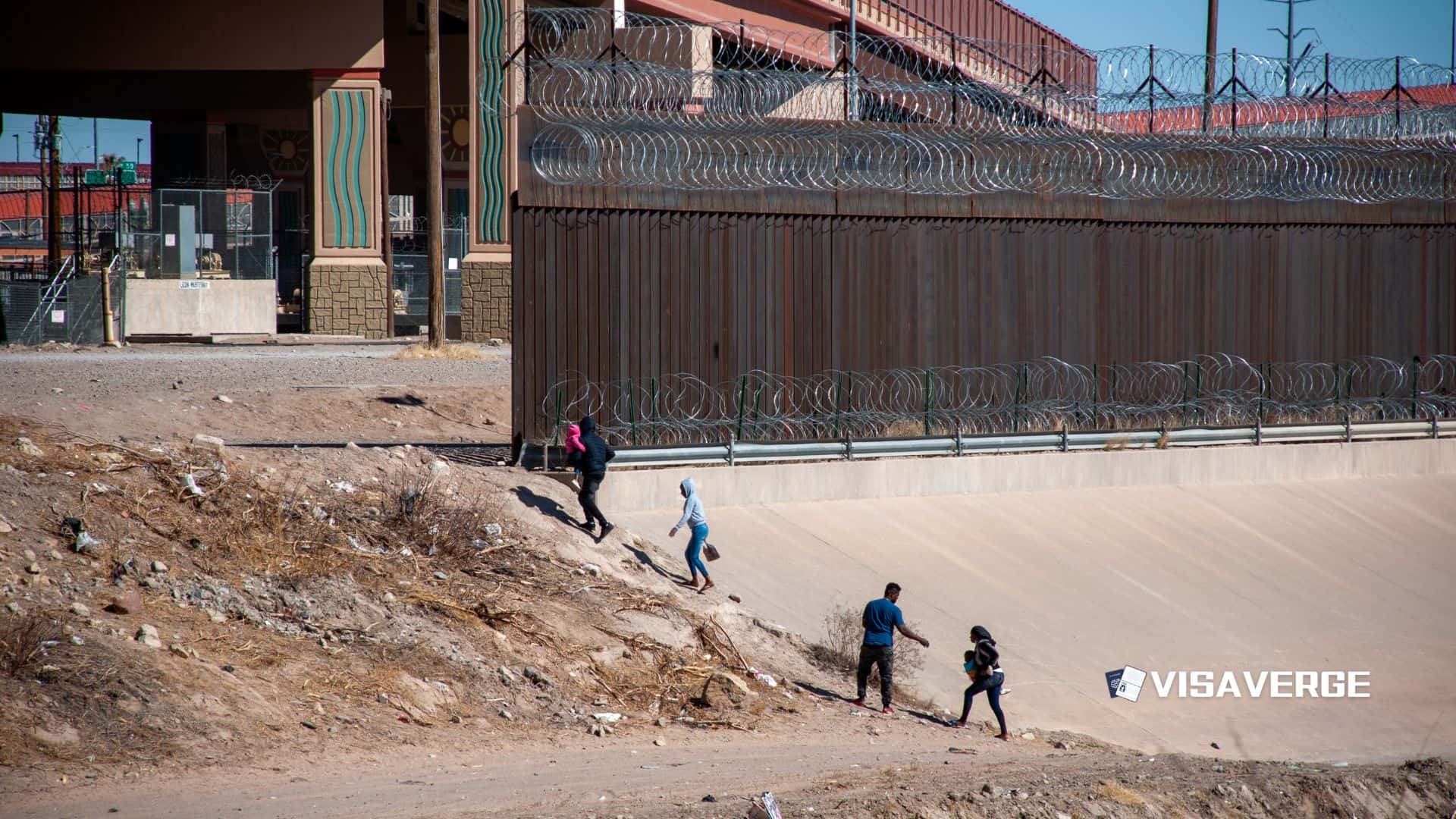
Between 2,000 and 3,000 migrants crossed that day, mostly by swimming around the breakwaters at Tarajal beach or climbing border fences. The surge followed the arrival of 1,500 people earlier in the week.
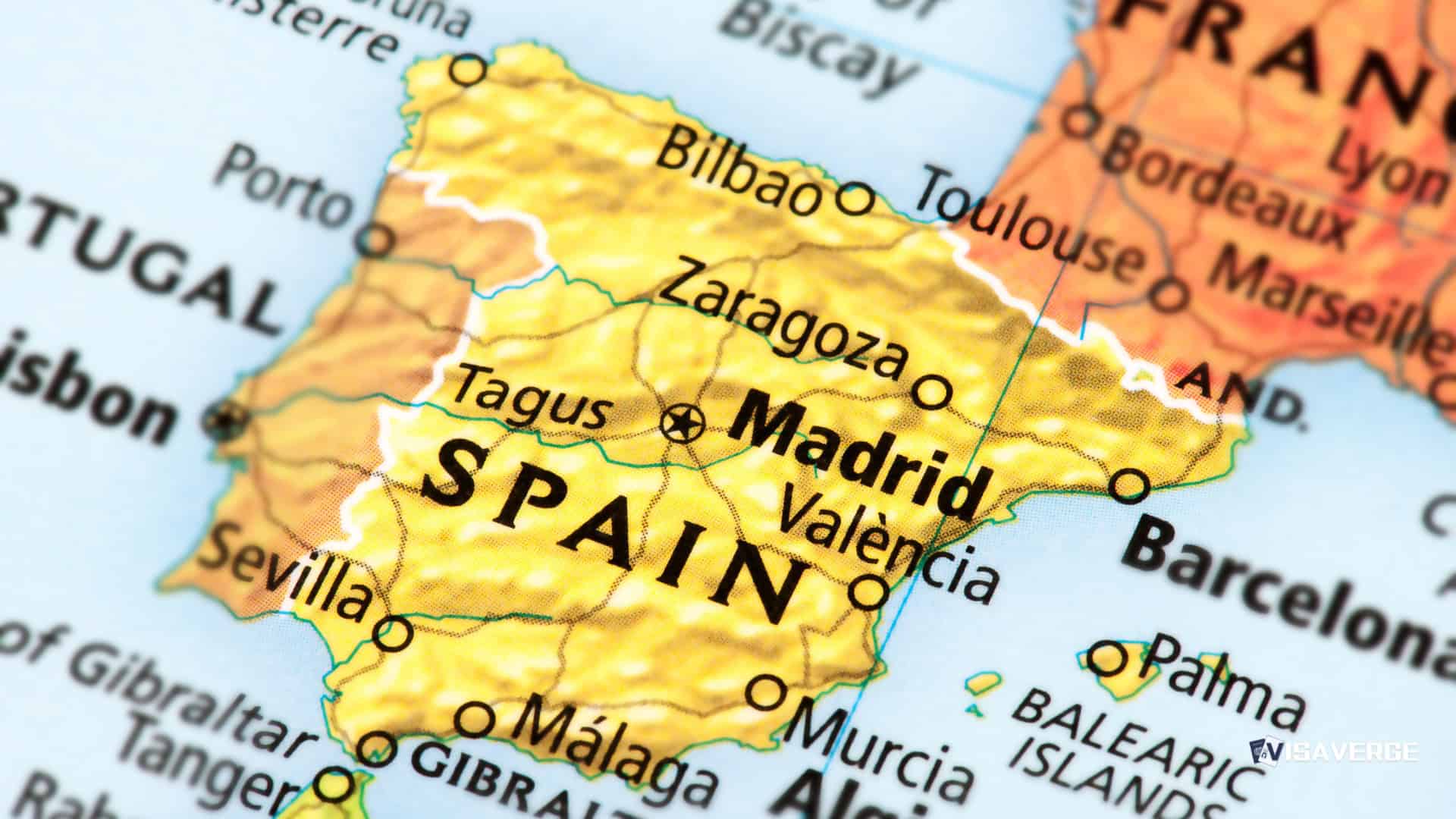
The local reception system could not absorb the influx. The CETI temporary migrant reception center, designed for 512 people, held more than 700, while hundreds more camped outside.
The facility descended into what reports described as “absolute chaos” and “operational collapse.” Migrants forced their way through the gates as the center became “saturated.”
The crossings also brought a deadly toll. Spanish authorities and humanitarian organizations reported at least nine deaths at sea on July 30, while roughly 60 bodies had been recovered during the preceding month.
Prime Minister Pedro Sánchez and Interior Minister Fernando Grande-Marlaska announced that the Spanish Armed Forces would assist the Civil Guard in restoring order.
Spain and Morocco agreed to accelerate returns amid a court ruling on sea interceptions
Spain and Morocco reached an agreement on July 30 to “speed up the return” of people who entered illegally. The arrangement came as officials dealt with a Spanish Supreme Court decision affecting some interceptions at sea.
On July 8, 2026, the court held that migrants intercepted while swimming could not receive “hot returns,” or immediate summary deportation, without due process. The ruling distinguished those cases from crossings involving a physical “containment element,” such as a fence.
That distinction placed the return arrangement alongside a continuing legal question. People intercepted in the water and people stopped after crossing a fence may fall under different procedures under the court’s reasoning.
The timing left Spanish officials managing two demands at once: restoring control around the reception system and processing returns under the court’s due-process requirements.
Ceuta’s shelters and streets absorbed the humanitarian pressure
Juan Jesús Vivas, the president of the enclave, declared a “total humanitarian and social emergency.” Facilities for unaccompanied minors were operating at 2,400% capacity.
Women and children were among those sleeping on the streets. Overcrowding also produced what the reception center described as a “hygiene crisis.”
The reported figures show how quickly the system moved beyond its intended limits:
| Part of the emergency | Reported figure |
|---|---|
| CETI capacity | 512 people |
| People inside the CETI | More than 700 |
| People camped outside | Hundreds |
| Unaccompanied-minor facilities | 2,400% capacity |
| Arrivals earlier in the week | 1,500 people |
| Arrivals on July 30 | 2,000 to 3,000 migrants |
The pressure extended beyond the facility’s gates. People who had crossed by sea or fence moved into the city as authorities worked to restore order.
Washington used the crisis to renew its attack on mass migration policies
The White House issued a formal statement about the events. Anna Kelly, the principal deputy press secretary, said President Trump had warned Europe about the consequences of policies the administration associates with mass migration.
“President Trump has long warned Europe what would happen if they continue to implement far-left, globalist policies – including enabling mass migration. Spain and other countries who have adopted this destructive philosophy should immediately reverse course or risk their own demise.”
The statement called on Spain and other countries to reverse course. It reflected the administration’s rejection of what it describes as “mass migration” policies and its support for stricter border enforcement.
Department of Homeland Security Secretary Markwayne Mullin monitored the situation as part of a broader shift in U.S. migration policy. Mullin took office earlier in 2026, as the administration faced what had been characterized as his “first major test.”
The immediate response, however, remained in Spanish hands. The Spanish Armed Forces were assigned to support the Civil Guard while officials addressed the deaths, the overcrowding and the return agreement.
Tensions involving Algeria and Western Sahara added a regional dimension
Analysts suggested that the surge may have been retaliation from Morocco after Sánchez visited Algeria to secure gas imports. Spain and Morocco have also faced tensions over Western Sahara.
That interpretation placed the border crisis within a wider regional dispute, but it did not resolve the immediate questions confronting Spanish authorities. They still had to manage people sleeping outdoors, an overcrowded reception system and returns subject to the Supreme Court’s due-process ruling.
The next stage will turn on how Spain implements the July 30 agreement while handling the different legal treatment of sea interceptions and fence crossings. The humanitarian emergency continued with unaccompanied-minor facilities operating at 2,400% capacity and hundreds of people outside the reception center.
This article provides general information and is not legal advice. Consult a qualified immigration attorney about your specific case.