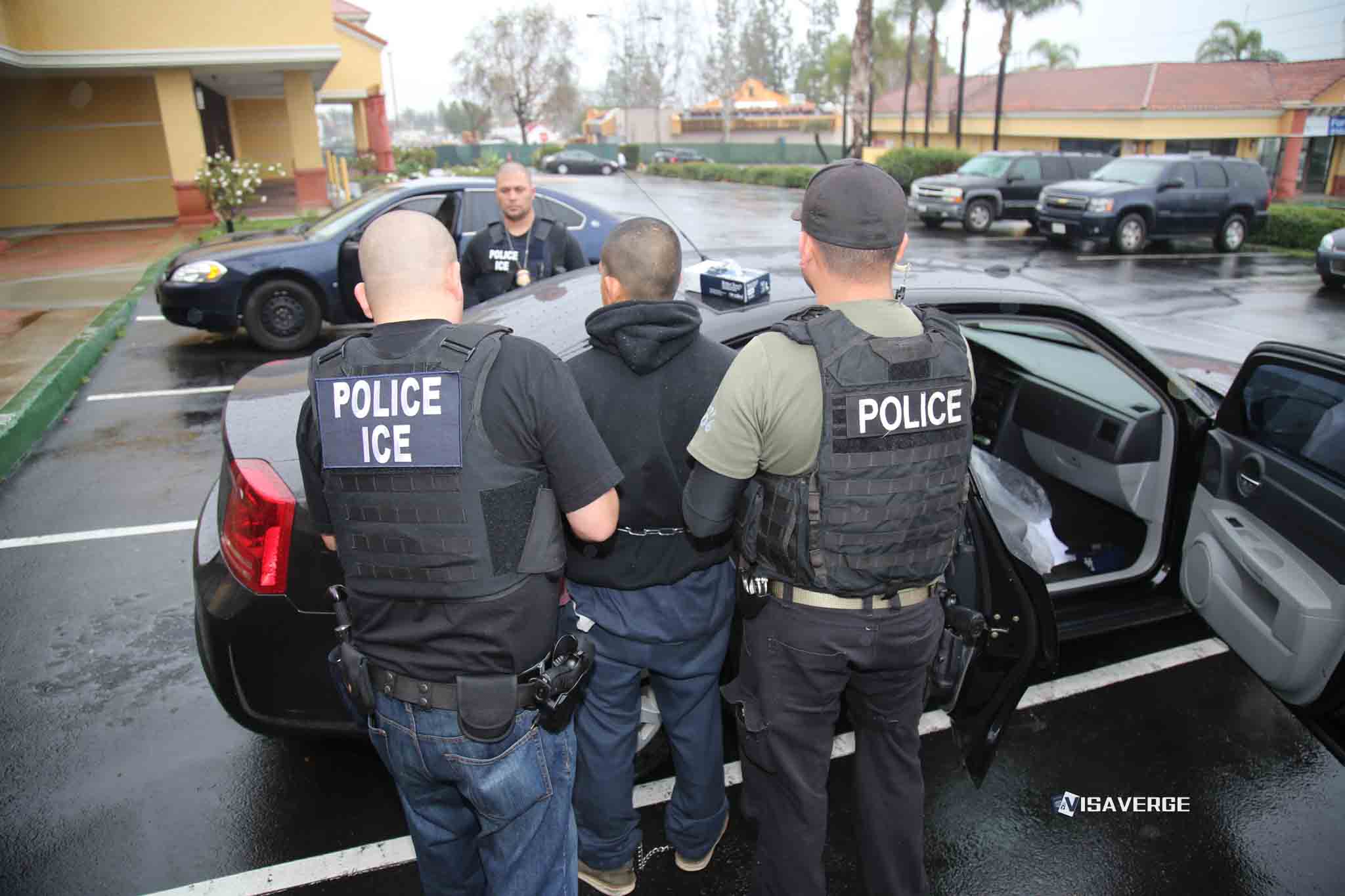
DHS and ICE attacked CBS after 60 Minutes aired a profile Sunday, October 25, 2026, of Moussa Diawara, a Malian national removed from the United States. The Trump Administration’s criticism focused on his asylum application and the broadcast’s account of his deportation.
The 57-year-old Uber driver had lived with his wife and their children in the Houston area. The children, ages 16 and 12, are U.S. citizens. New correspondent Gianna Toboni delivered the segment.
A program post on X described him as a Texas father who had spent 25 years in the United States with no criminal record. His son, Corey Diawara, told the program: “It feels really empty without him.”
The dispute reaches beyond that portrayal. DHS said an immigration judge barred Diawara’s return to Mali but allowed removal to another country; Diawara said authorities took him from Ghana to Mali.
A judge barred removal to Mali but permitted another destination
Diawara entered the United States in 2001, age 32, on a tourist visa and overstayed. He later sought protection, saying he feared persecution if returned to Mali.
DHS said an immigration judge ordered him removed on February 2, 2012. The judge found he could not be sent to Mali because of safety concerns, but could be removed to another country. The order also allowed him to obtain a U.S. work permit, and he later drove for Uber.
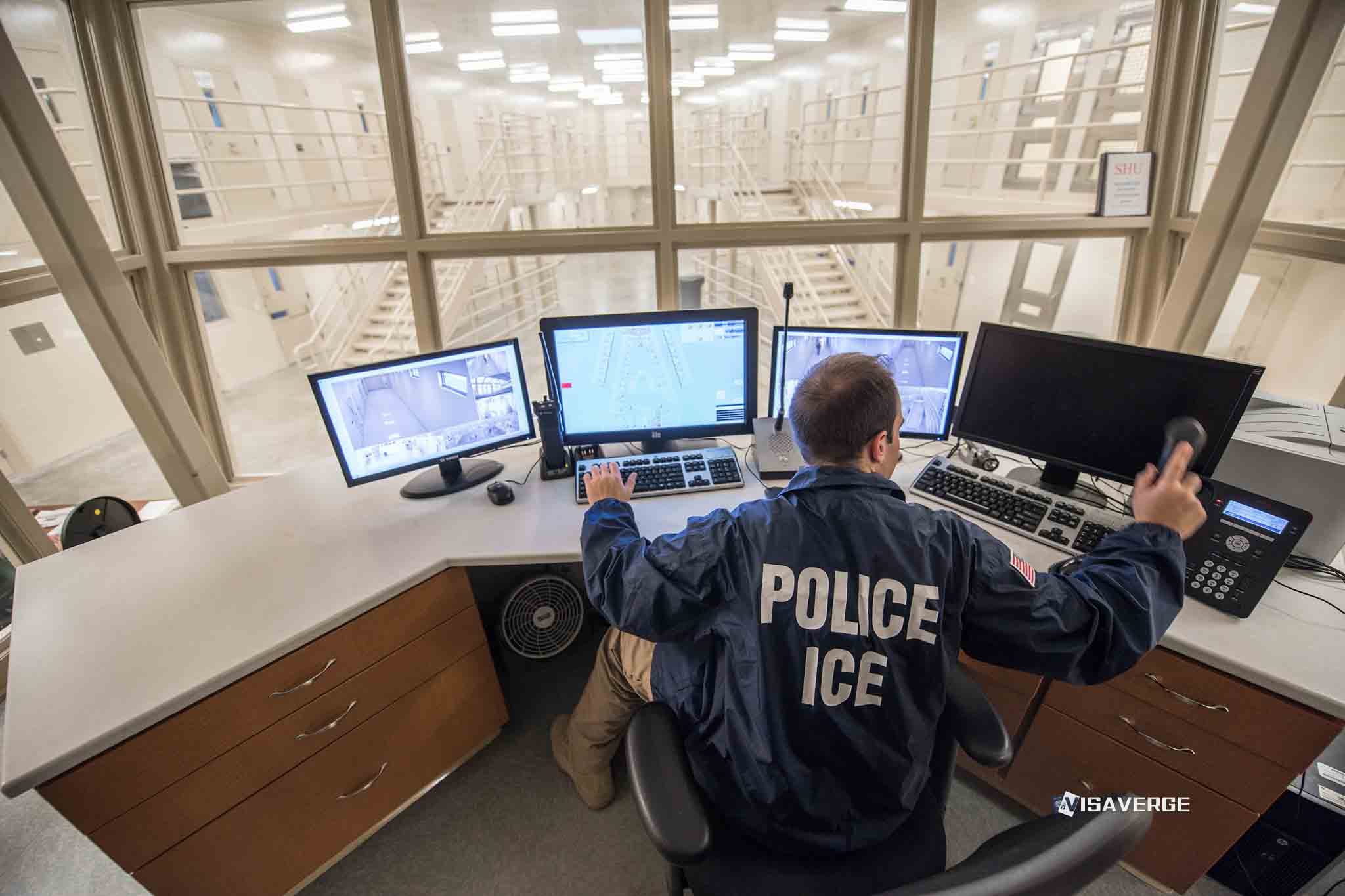
Diawara said ICE agents were waiting outside his suburban Houston home on July 11, 2026, as he finished a late shift. He spent three weeks in ICE detention in Texas. DHS said it removed him to Ghana on July 30.
The application described fear tied to sexual orientation
Fox News obtained Diawara’s 2009 asylum application. It said he sought protection because he feared persecution in Mali over his sexual orientation. Mali is a Muslim-majority country with an Islamist insurgency.
“My asylum application is based upon ground of well founded past persecution and an undisputable fear of life threatening to my person if I were to return to my country Mali. In fact I had experienced extreme punishment and persecution based on the ground of my sexual orientation”
The application also said he had been “banished” from Malian activities and faced threats. It stated: “My life is hence worth threatened if I have to go back to my country because I could be executed either by the Islamic group or the community.”
The filing records the basis Diawara gave for seeking asylum. DHS and ICE later characterized the claim as fraud, citing his marriage and children. Their posts did not establish that an adjudicator had found his application fraudulent.
DHS cited the application as Diawara disputed the broadcast's framing
DHS General Counsel James Percival wrote on X after the segment that he had reviewed Diawara’s file. He described the reported claim of being gay as evidence of what he called an immigration fraud problem.
DHS said Diawara had requested withholding of removal based on a fear of persecution for homosexuality. ICE amplified that accusation in posts attacking the segment, including one that began, “Fake & Gay!” The account also wrote, “You literally cannot make this up,” and called him “NOT a Texas father!”
The posts emphasized that Diawara is married to a woman and has two children. The application, however, described fear tied to sexual orientation; the government’s social-media accusations and the application’s account are distinct claims in the dispute.
DHS said Ghana accepted him, while Diawara described a transfer to Mali
DHS said Ghana gave diplomatic assurances for Diawara’s safety and accepted him on July 30. He said he had never visited Ghana. According to his account, authorities confined him in a hotel surrounded by armed guards within days of his arrival, then forced him onto a flight to Mali.
“I cannot call my wife, I can't contact my lawyer. I can't talk to no one,” he told the program. He added: “I tell them, 'This is kidnapping. You guys kidnapped us'”
Diawara said he reached Mali without identification or money. In August, he described himself as homeless and hiding because he feared for his safety. After several weeks, local truckers helped him escape to another country. He asked that its name remain private because of the risk to his safety.
He also pointed to a medical form and luggage tags from his federal overseas flight that listed Mali. DHS called the paperwork a “clerical error” by a contractor. Percival, the department’s top lawyer, told the program: “Well, he wasn't flown to Mali. He was flown to Ghana, but I can't speak to why that piece of paper says that.”
The department said contractors at the detention facility prepared the tags using the home-country information already in Diawara’s file. DHS said those workers could not see or confirm third-country removal arrangements and did not decide the destination.
Percival said CBS interviewed him for an hour and “selectively edited” his comments. He said the network had promised to publish his full interview and that he looked forward to its release “this week.” During the segment, he said the immigration system included “a lot of fraud” and that many “fear claims” were untrue.
A person identified as a program insider defended the report, saying it included Diawara’s account that religious reasons were part of why he felt unsafe. The insider also said the segment acknowledged DHS’s challenge to his claim. A network spokesperson declined to comment.