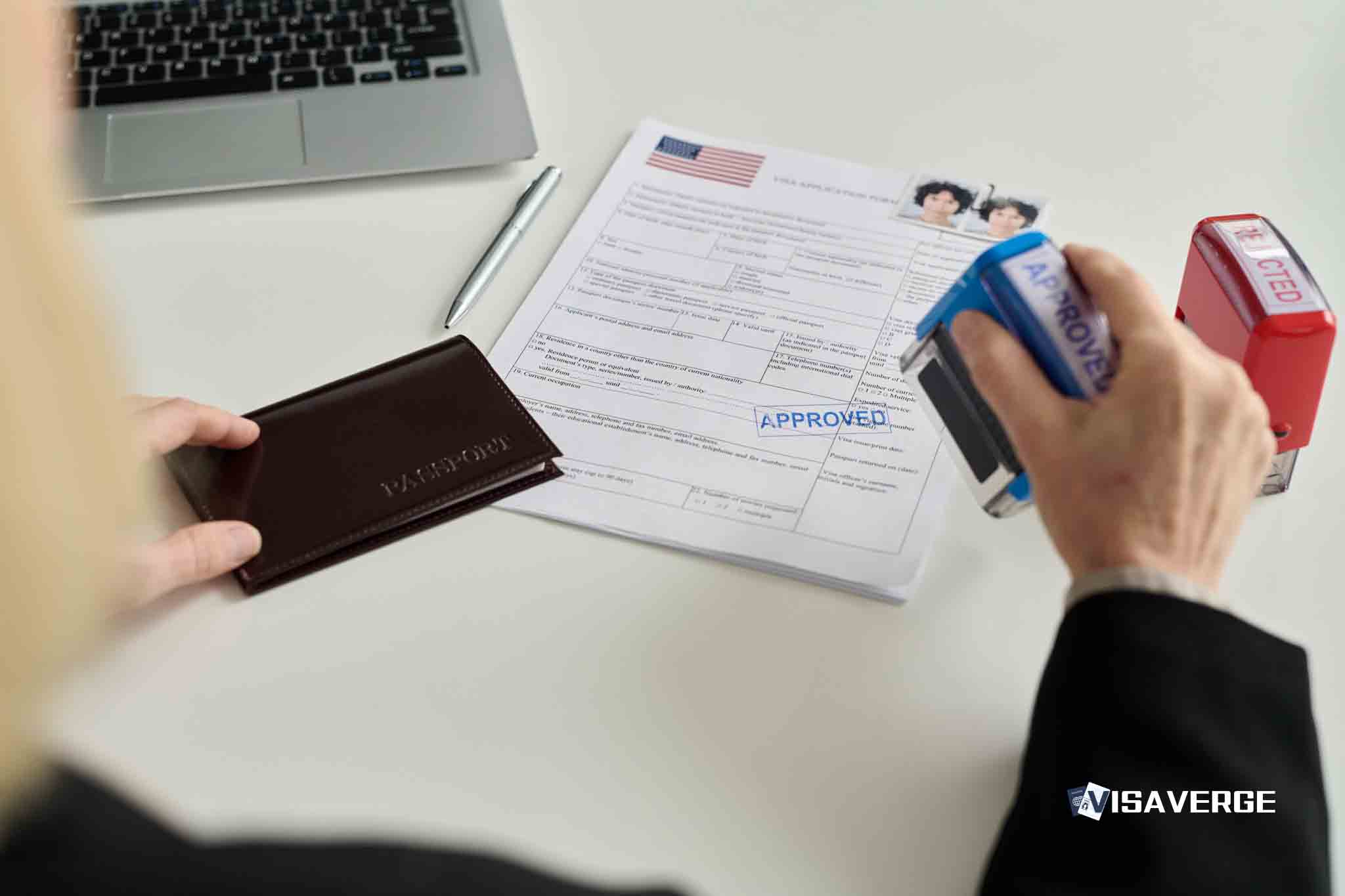
OutSolve released a report October 14, 2026, saying ICE I-9 Inspections, measured by Notices of Inspection, have increased by as much as tenfold since early 2025. The HR compliance provider is based in Metairie, Louisiana.
The report, titled “I-9 Enforcement and Workforce Compliance: The New Reality for Employers,” identifies agriculture, construction, hospitality, manufacturing, staffing and healthcare as industries facing disproportionate risk.
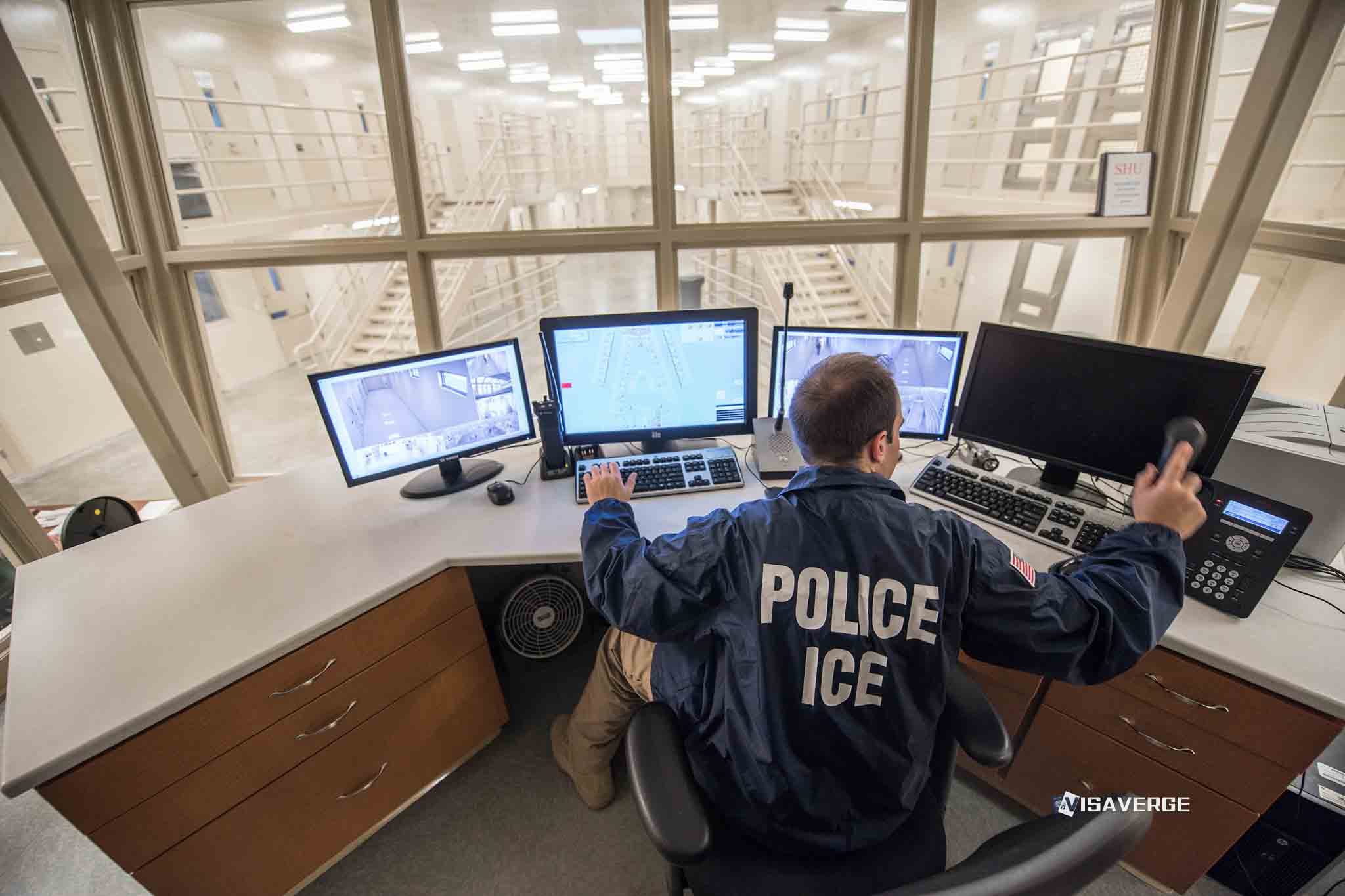
“The question isn't whether enforcement activity will increase – it already has,” said Desiree Throckmorton, the provider’s vice president of I-9 Operations.
“Organizations need to determine if they have the I-9 governance structure, technology infrastructure, and operational discipline to withstand ICE scrutiny.”
ICE widened the errors that can draw penalties during an inspection
On March 16, 2026, ICE revised its Form I-9 Inspection Fact Sheet, widening the kinds of paperwork errors treated as substantive violations. The agency said the update also limits the opportunity to correct certain errors during an inspection. It was the first revision in more than a decade.
The earlier standard came from the 1997 USCIS, then INS, Virtue Memorandum. It separated substantive violations, which could bring civil penalties, from technical or procedural errors employers could fix within a 10-day cure period.
The updated fact sheet names 28 categories of substantive violations and moves more than 10 types of errors previously considered technical into that category. The 10-day period applies only to technical errors, leaving the reclassified mistakes outside that correction window.
The listed errors include missing birth dates or immigration numbers in Section 1, an omitted expiration date in Section 1, Box 4, and missing hire or rehire dates or employer representative details in Section 2. Missing or undated signatures by employees or employer representatives also qualify.
Other examples include incomplete List A, B or C document details, missing preparer or translator information in Supplement A, and improper use of the Spanish-language form outside Puerto Rico. The fact sheet also lists failure to check the alternative-procedure box, or to be enrolled in E-Verify when using that procedure, as substantive errors.
ICE also identifies electronic-system deficiencies, including problems with audit trails, electronic signature protocols and security records required under DHS standards. The revised guidance says employers cannot rely on retained document copies to cure certain Section 2 deficiencies, or transcribe missing document information from retained records.
Form-level fines can add up across a large workforce
Substantive violations carry civil penalties of $288 to $2,861 per Form I-9, with the amount depending on an employer’s overall error rate. Multiple violations can push a company into a higher penalty tier.
Wilentz, Goldman & Spitzer wrote in a May 2026 client alert that the change leaves businesses facing greater civil monetary exposure. FordHarrison said a missing birth date in Section 1, previously correctable by having an employee complete and sign the entry, could now lead to “immediate, cumulative fines (per form) following a formal I-9 audit by ICE.”
The firm also said the changes “overturn enforcement principles that have governed I-9 compliance for nearly three decades” and were made “without formal notice and comment rulemaking.” Those were FordHarrison’s assessments of the revision.
Troutman Pepper Locke warned that large workforces and high turnover can increase exposure. A greater number of forms with substantive errors, the firm said, could produce “six- or seven-figure aggregate liability from a single audit.” ICE can consider good-faith compliance efforts when setting penalties, but correcting errors after the fact does not erase liability.
A second update set a firm receipt deadline for hearing requests
ICE revised the fact sheet again on August 31, 2026. The update kept the March distinction between substantive and technical violations while adding details on notices, penalty calculations and hearings.
The agency added a “Notice of Expired or Rescinded Immigration Status and/or Employment Authorization.” ICE may issue it if an employee loses work authorization after an audit begins. The notice alone does not allege that the employer acted improperly.
The updated guidance separates violation percentages for paperwork violations and uncorrected technical errors from those for knowingly hiring or continuing to employ unauthorized workers. That addresses concerns about whether an employer could face a “double penalty” in setting the applicable fine range.
A hearing request to the Office of the Chief Administrative Hearing Officer, or OCAHO, must reach ICE within 30 days of a Notice of Intent to Fine. Sending it within the period is not enough if ICE receives it late.
Seyfarth Shaw’s review of recent inspections describes closer examination of older electronic I-9 systems. Auditors have asked about historical corrections, indexing, system architecture and audit trails. In one inspection, ICE asked an employer to demonstrate its system live after questions arose about its operation and records.
Workplace enforcement reaches employers beyond industries at higher risk
A directive from the administration instructs enforcement officials to detain a minimum of 3,000 individuals per day, according to the material cited by the American Bar Association’s Labor & Employment Law News. The ABA said meeting that target entails looking at locations with high concentrations of foreign nationals, including workplaces.
The association described the shift as moving “the wall from the border to the factory gate—making worksites the front line of immigration enforcement.” The One Big Beautiful Bill Act has been reported to provide approximately $29.9 billion for ICE enforcement and deportation operations. FordHarrison put total new congressional funding for immigration enforcement at approximately $70 billion.
Form I-9 requirements apply to all U.S. employers, whether or not they employ foreign nationals. Employers have had to complete the form for each person hired in the United States since November 7, 1986.
Compliance advisers recommend audits before ICE sends a notice
Law firms advise employers to conduct privileged internal I-9 audits before receiving a Notice of Inspection, identify errors and prioritize remediation. They also recommend keeping policies, training materials, internal audit reports and records of corrective steps to document good-faith compliance.
Other recommendations include reviewing remote-verification procedures and confirming E-Verify compliance when using the alternative procedure. Employers are also urged to check that electronic systems produce legible forms, preserve required supporting records and maintain compliant audit trails.
The guidance places responsibility on the HR staff and managers who handle onboarding, too. Advisers recommend training those employees to complete new forms accurately and consistently.