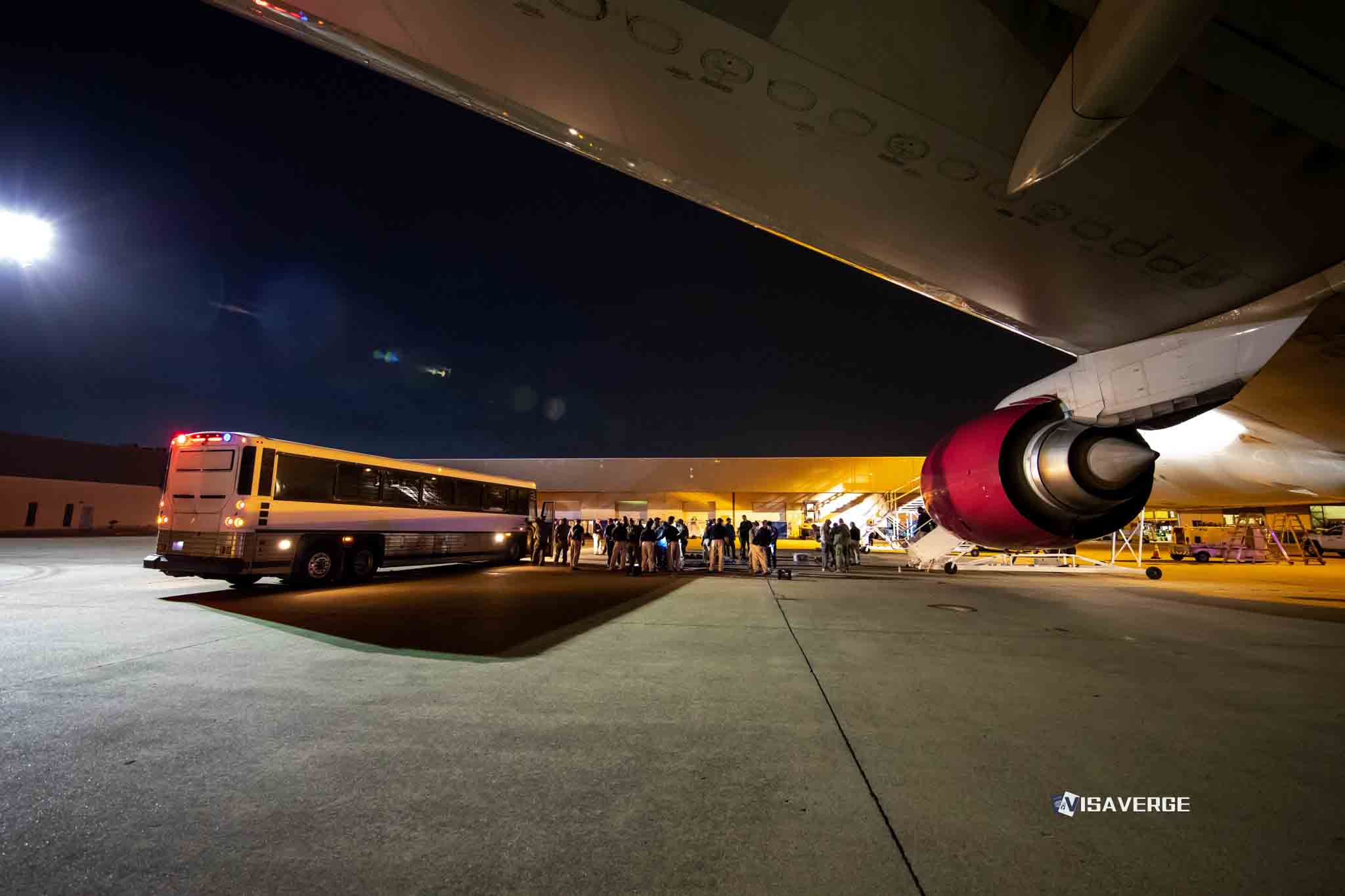
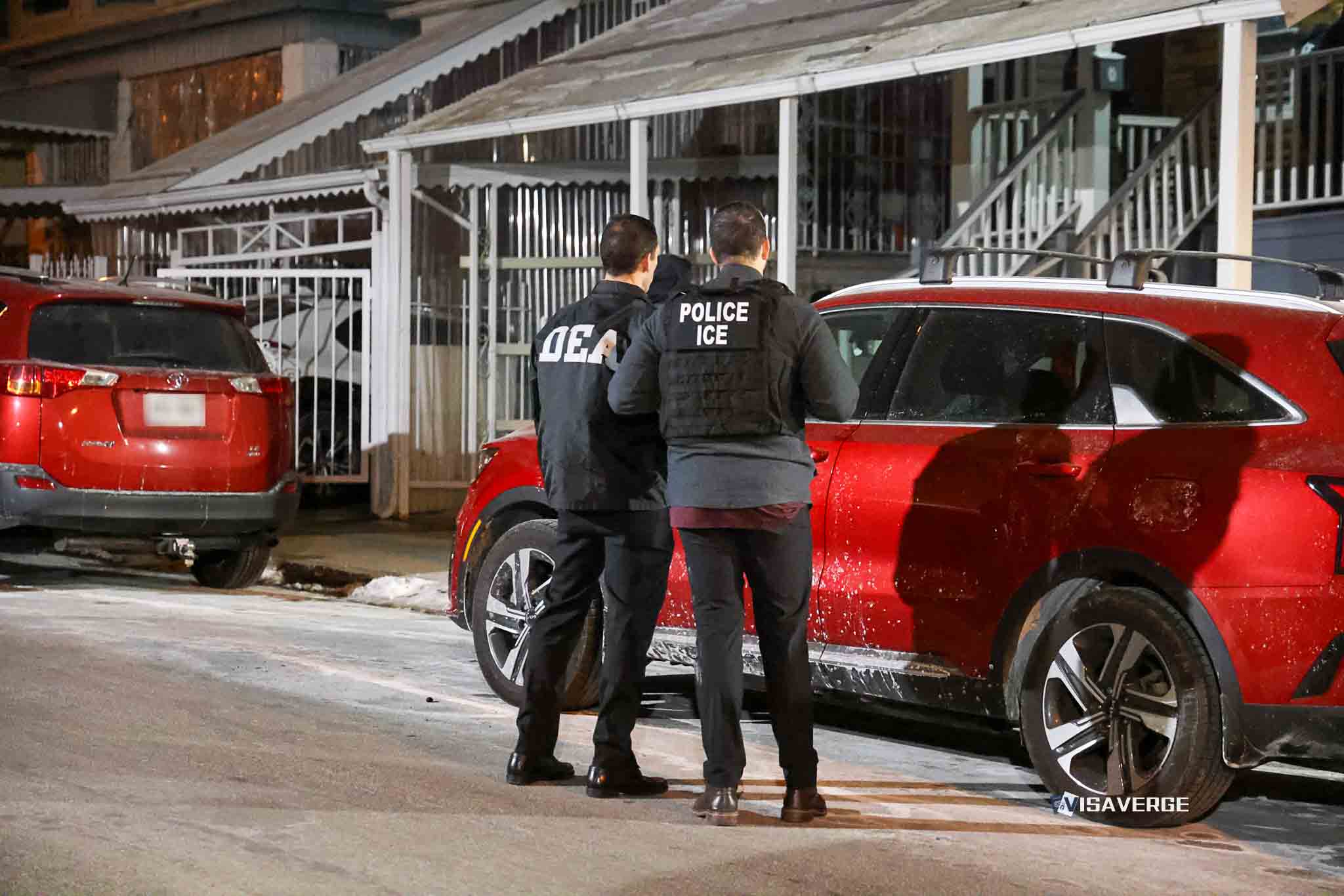
Moussa Diawara says U.S. Immigration and Customs Enforcement (ICE) deported him from Texas to Ghana on July 31. He says officials there forced him onto a flight to Mali five days later.
A U.S. immigration judge had ruled that he could not be returned to Mali because he was likely to face persecution. Diawara, now 57, says the onward transfer put him in danger.
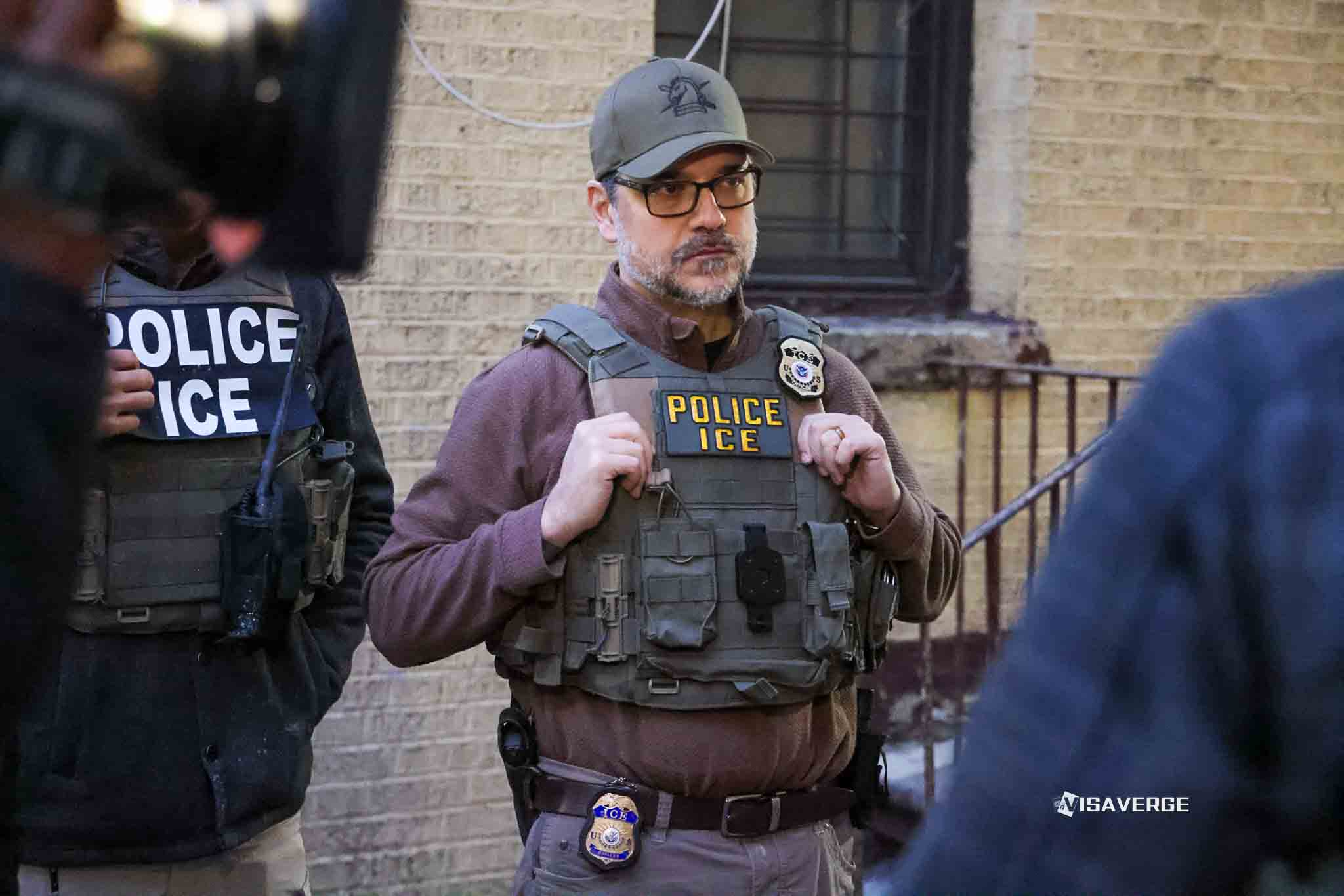
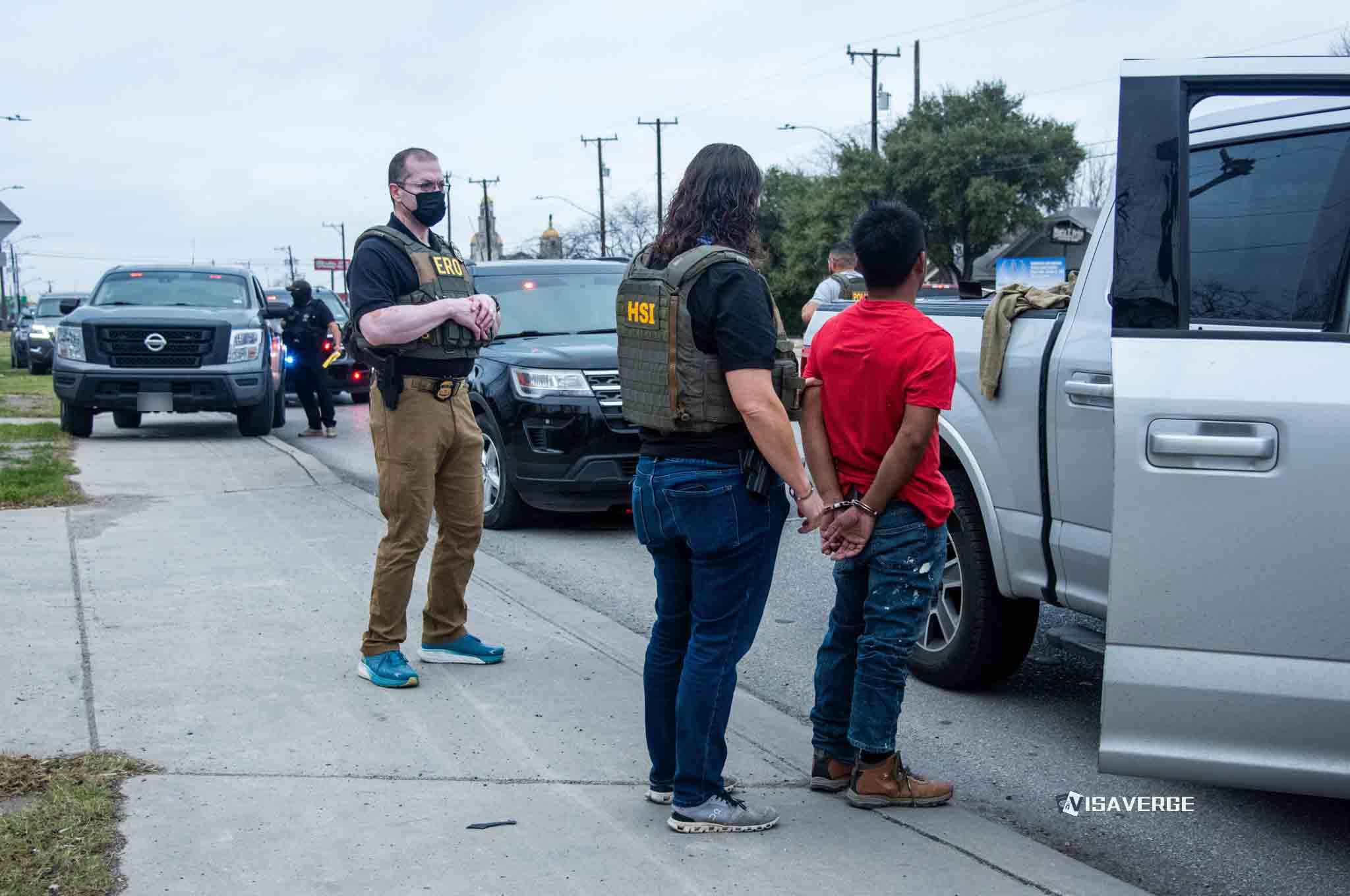
Agents arrested him July 11 at his Houston-area home as he finished a night shift driving for Uber. His wife and two children, who are U.S. citizens, lived there with him.
He spent three weeks in detention in Texas before the deportation. Accounts differ on whether the flight left July 30 or July 31. Diawara said he had never visited the destination country and had no ties there.
A 2012 judge barred removal to Mali but left a safe alternative open
Diawara came to the United States on a tourist visa at 32 and overstayed. He later sought refugee protection, saying he would be persecuted in Mali after converting to Christianity. Mali is a Muslim-majority country facing an Islamist insurgency. He has no criminal record.
In 2012, an immigration judge ruled that the government could not deport him to Mali, but could seek a safe alternative country if it chose to remove him. Diawara later received a U.S. work permit. He had worked as an Uber driver and paid taxes.
Homeland Security said he had been ordered removed as early as February 2012. The department alleged he had remained in the United States illegally for a further 14 years.
Diawara says paperwork given to him on the flight listed the destination as “SHRC Mali.” He said SHRC means “Special High Risk Charter.” Both of his Department of Homeland Security bag tags also named Mali.
DHS says paperwork naming Mali did not set the flight destination
James Percival, the department’s top lawyer, rejected the claim that the plane took Diawara to Mali, but said he could not explain the paperwork. A DHS spokesperson later said contractors produced the bag tags and did not determine destinations. The department called the medication form’s entry a “clerical error.”
The government also disputes the basis for Diawara’s fear of return. He has described his protection claim as tied to his conversion to Christianity. Officials have said his file identified him as gay and accused him of making that claim to avoid deportation.
The agency challenged his account on X after the television segment aired. It called him an “ILLEGAL ALIEN” with a final removal order and said he had claimed he was homosexual despite having a wife and two children at home. Percival also wrote on X that Diawara’s “claimed reason for fearing Mali was that he is 'gay.'” The agency’s post described the wife and children as being in Mali; the account presented in the broadcast identified them as U.S. citizens living in the Houston area.
Diawara said he and other deportees were held in a hotel under armed guard after arriving, and could not make calls. “I cannot call my wife, I can't contact my lawyer. I can't talk to no one,” he said. He also accused the guards of kidnapping them.
A 60 Minutes investigation found that 17 of the 19 deportees it interviewed said the receiving country had transferred them against their will to places where U.S. immigration judges had barred their return. Percival said he knew of no such cases. He suggested some deportees may have agreed to return home, while others may have been sent back after foreign governments completed their own procedures.
The broader arrangement began in 2025, when the government of President John Dramani Mahama agreed to accept third-country nationals from West Africa who had been deported by the United States. More than 30 people were sent there that year. His government cited ECOWAS free-movement rules, which allow citizens of member states to travel between them without visas, subject to applicable rules. It also described the policy as humanitarian solidarity and rejected claims of direct payment.
U.S. officials later offered diplomatic concessions in the broader relationship, including lifting a 15% tariff on agricultural goods such as cocoa and easing visa restrictions affecting the country’s citizens. Percival said he wanted to discuss what he described as previous administrations’ failures to remove people he considered public-safety threats.
He says he escaped Mali with truckers and has kept his location private
When the program contacted him in August, Diawara said he was homeless and hiding in Mali without money or identification. “I don't feel safe here at all,” he said. Another account said he spent three weeks there before local truckers helped him reach another country. He asked that its name remain undisclosed because he feared for his safety.
The broadcast, reported by new correspondent Gianna Toboni, included Diawara’s 16-year-old son Corey saying, “It feels really empty without him.” It also showed Diawara, speaking from thousands of miles away, reminding Corey to vacuum the carpet each week. The agency questioned why the program had not raised its claim about Diawara’s sexual orientation; a DHS attorney also snapped at Toboni, “Asked Me The Same Question Five Times!”
Diawara said he had no access to a lawyer or a judge during detention in Texas. He described the United States as home: “For me, America was everything. I called America my home, because I'm 57 now. I move in America when I was 32. I don't know no where. They can send me to third country. But not back to my country of origin. And that's what they do. They do something wrong.”
This article provides general information and is not legal advice. Consult a qualified immigration attorney about your specific case.