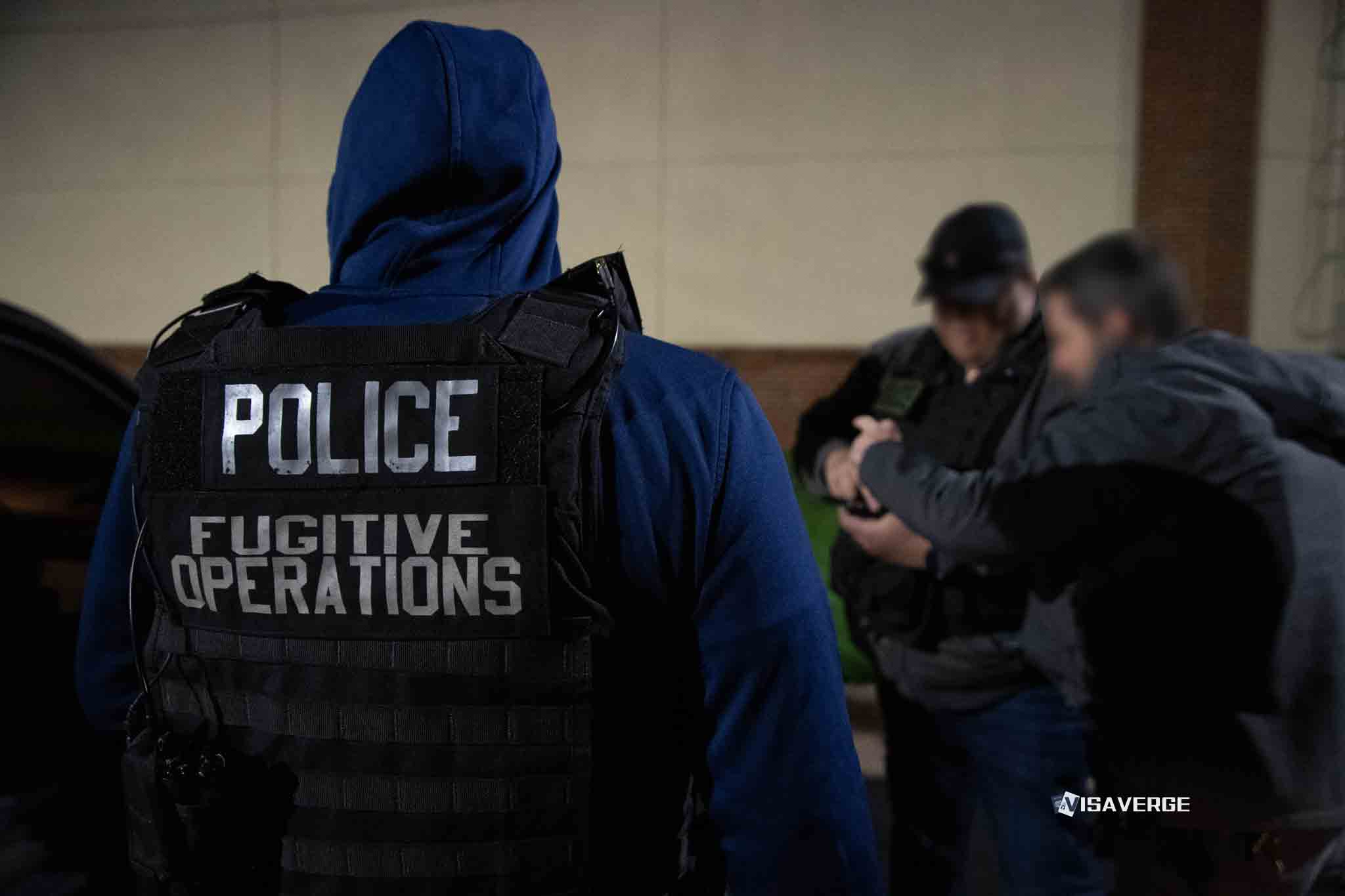
The State Department established a Birth Tourism Prevention Task Force under President Trump and Secretary Rubio, directing it to identify visa holders suspected of arranging U.S. births for citizenship. A fact sheet dated August 12, 2026, says the department is working with the Department of Homeland Security and drawing on federal records, including travel histories from around the world.
The task force says it reviews visa holders’ activities, revokes visas and seeks to dismantle networks that profit from birth tourism. The policy now sits alongside a more immediate concern for some families: routine crossings from Mexico have brought questions about children born in the United States.
Esperanza, a mother from Ciudad Juárez, said a Customs and Border Protection officer stopped her while she was going to Costco with her young son over the summer. The officer asked, “Why was your son born in the United States of America?” She was taken for further questioning.
Mexican border-card holders can be questioned about travel purpose
Thousands of people cross daily from Mexico into the United States on border crossing cards. They visit relatives, shop, attend school, and go to sporting events and concerts. The cards authorize short-term visits and are non-immigrant visas.
El Paso immigration attorney Kathleen Walker said visitors using tourist visas must be truthful about the purpose of a trip. A visit for pleasure does not include traveling primarily to obtain U.S. citizenship for a child by giving birth in the country, she said.
| India | China | ROW | |
|---|---|---|---|
| EB-1 | Feb 01, 2023 | Aug 01, 2023 ▲31d | Current |
| EB-2 | Nov 01, 2013 | Oct 01, 2021 | Apr 01, 2025 ▲90d |
| EB-3 | Jan 22, 2014 ▲21d | Jan 22, 2022 ▲14d | Jun 15, 2024 ▲31d |
| F-1 | Jan 22, 2021 ▲366d | Jan 22, 2021 ▲366d | Jan 22, 2021 ▲366d |
| F-2A | Oct 22, 2026 ▲30d | Oct 22, 2026 ▲30d | Oct 22, 2026 ▲30d |
“If I'm going to visit for pleasure in the United States, it does not include travel for the, remember this, primary purpose of obtaining U.S. citizenship for a child by giving birth in the U.S.”
Walker said scrutiny does not end with a visa approval. CBP officers also assess whether a traveler is telling the truth when entering the United States. Mexican nationals encounter that scrutiny both when applying for visas and when they visit.
Esperanza said officers took her fingerprints and photograph, then a female officer searched her. Her five-year-old son waited outside the room. “At that point I'm with my hands on the wall with my feet apart [and] thinking: What is happening?” she said.
The family’s experience was among the accounts reported by Angela Kocherga, a KTEP reporter in El Paso, in a segment aired on NPR’s Morning Edition, hosted by Steve Inskeep. Esperanza said she asked not to be identified by her full name because she feared further harassment for speaking to the media.
The department cites visa revocations and alleged birth-tourism networks
The State Department’s August fact sheet says the task force has revoked more than 600 visas from foreign nationals worldwide. In a separate statement to NPR, the department said it had revoked thousands of visas, including those of border parents.
The two figures come from different statements. The fact sheet gives a figure of more than 600; the later statement gives no specific total and does not say how many revocations involved border residents.
The department describes facilitators who present themselves as doulas, midwives or wellness advocates while advertising U.S. births, visa coaching and hospital arrangements. It says some falsify medical documents, coach clients to hide their reason for travel or avoid hospital bills. The fact sheet also describes online promises of “automatic citizenship” and “a future without borders.”
The agency cited two cases. In one, a couple used a conference and vacation as cover stories to give birth to two children in the United States, lying about their purpose in two separate visa applications. On the second application, they concealed that they already had a child. The department revoked their visas.
In another case, a foreign government official sought a visa for a one-week trip on behalf of her government, but stayed three months and gave birth in the United States before leaving. The department revoked her visa, too.
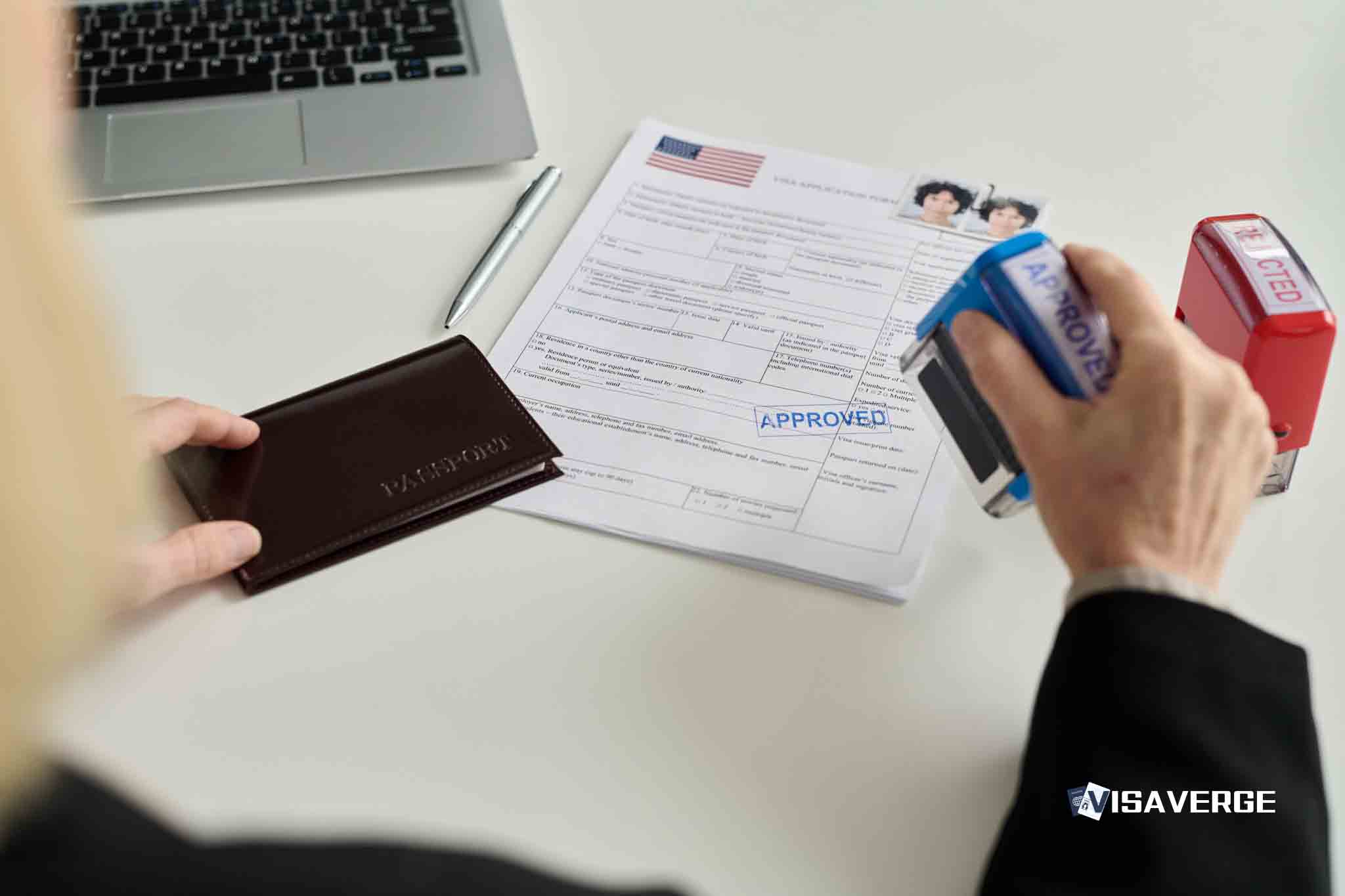
The fact sheet says the department generally revokes visas when it sees indications of possible ineligibility, and that the secretary has broad discretionary authority. It quotes the president’s position that “citizenship is not a commodity to be acquired through the calculated exploitation of U.S. immigration laws.” The department warns that people who deliberately misrepresent their travel or entry purpose may become permanently ineligible for a U.S. visa or entry.
Parents describe searches, school changes and separated friendships
After Esperanza’s questioning, she said she learned through a mothers’ chat group that other parents had experienced enhanced inspections. “These experiences scar our hearts that are united by a bridge,” she said, describing families and friends on both sides of the border.
Maria, another mother from Juárez, said she no longer visits El Paso and withdrew her son from the private elementary school he had attended there for years. She asked to be identified only by her first name because she feared losing her visa.
“All of my son's after school activities were also in El Paso, including soccer practice,” Maria said. Her son was sad and missed his friends, she said. On a recent weekend, some of his classmates and their mothers crossed into Mexico to celebrate his 11th birthday. One attendee was recorded saying, “Had to go to a birthday party for one of my kid's best friends.”
Border families often have children born on both sides of the boundary who hold dual citizenship. The Paso del Norte International bridge links El Paso and Ciudad Juárez, where relatives and friends routinely cross to see one another. Canadians, unlike Mexicans, do not need border crossing cards or other tourist visas for short U.S. visits.
The department has not described a border-specific questioning policy
The State Department has not said whether officers now follow a policy of asking Mexican visitors why their children were born in the United States. It also has not supplied a specific overall count of visa revocations or a total for border parents.
The department’s public description focuses on suspected birth tourism and people who facilitate it. Its fact sheet says the task force reviews travel histories and information held across federal agencies, while the border accounts describe questions during ordinary visits.
On the Paso del Norte crossing, the two sides of the border remain connected by school, family visits and children’s friendships. Some of those relationships now continue through visits in Mexico instead.