Four immigrant-rights organizations detailed alleged abuse and unsafe conditions at a Florida immigration detention center in a 21-page letter dated Oct. 8, 2026. The groups said the allegations came from interviews with dozens of people held there, former detainees and relatives.
The facility, Baker Correctional Institution, sits in Sanderson, about 45 miles west of Jacksonville and 15 minutes from Lake City Airport. Gov. Ron DeSantis gave it the nickname “Deportation Depot.” Florida reopened the former state prison for immigration detention in 2025, after the prison closed in 2021.
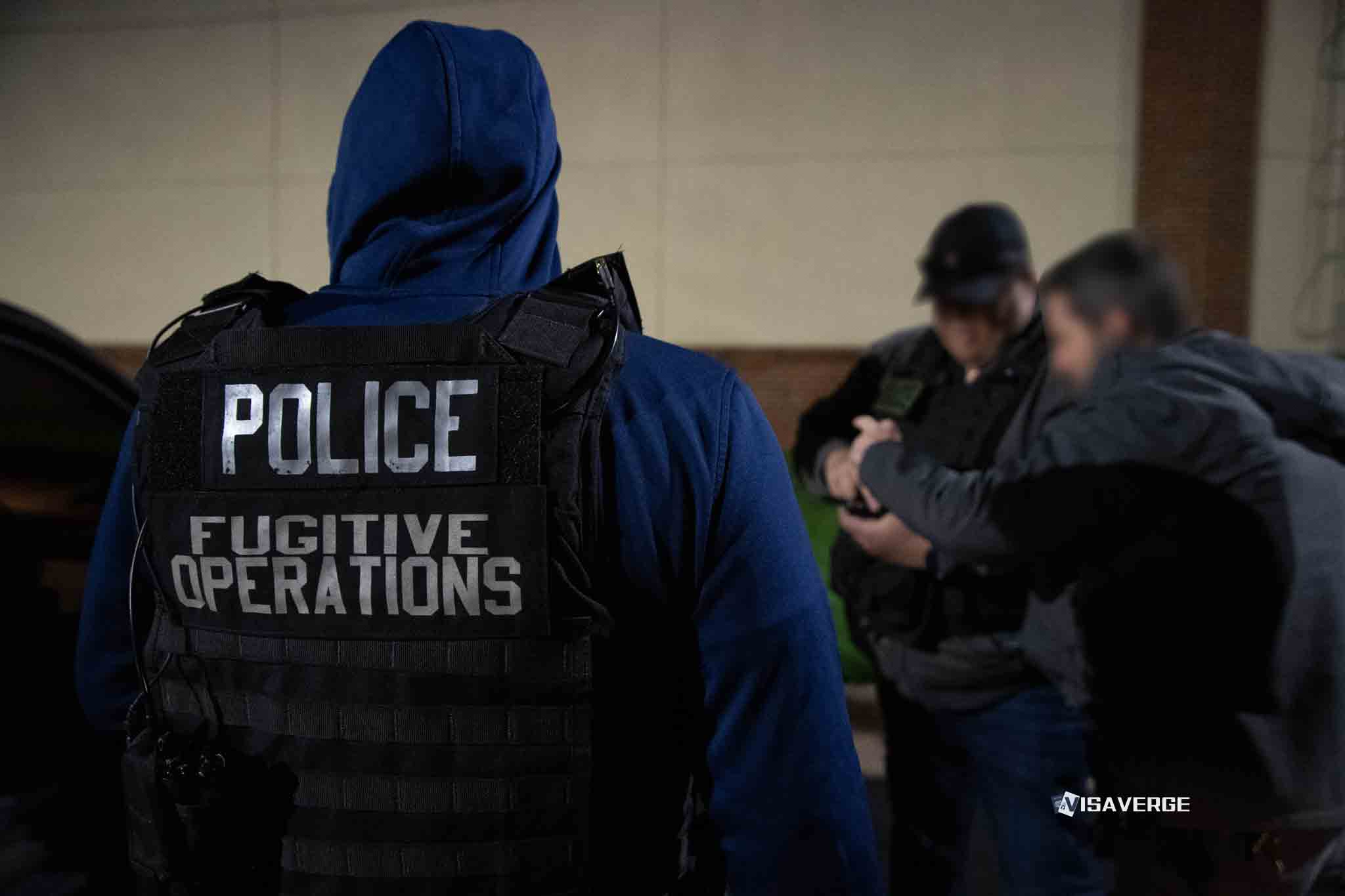
The ACLU, Southern Poverty Law Center, ACLU of Florida and Americans for Immigrant Justice alleged that detainees faced inadequate medical care, unsafe water and food, extreme heat, mold, physical and psychological abuse, and barriers to legal help. The allegations have not been established as findings by a court.
Federal records show Baker had no scheduled ICE inspection
A Department of Homeland Security Office of Inspector General report raised concerns about federal oversight. It followed an unannounced January 2026 visit to Alligator Alcatraz, the now-closed Florida detention site, and warned that similar problems could exist at Baker.
The inspector general’s report said ICE’s Office of Detention Oversight had not internally inspected the facility. ICE had no inspection scheduled for FY 2026 or FY 2027, and its documentation listed Baker’s contractually required standards as “N/A.”
The report also said staff at Alligator Alcatraz could not clearly identify which detention standards governed people held there. One official described responsibility and the rules as “so gray as to whose place this is … and which standards to follow.” The report warned that unclear standards increase the risk detainees will not receive appropriate care.
The inspector general’s office did not answer questions about a possible unannounced visit to Baker. A DHS spokesperson directed questions about oversight to the DeSantis administration; neither the governor’s office nor the Florida Division of Emergency Management answered emailed questions. The inspector general’s office said funding lapses had delayed reports this year.
The report counted about 1,028 detainees at Baker on Aug. 27. July ICE detention data put the population at roughly 1,000 migrant men, while the ACLU estimated about 1,200 during one detainee’s stay. Those detained include elderly people, DACA recipients and people with pending asylum claims from Cuba, Venezuela, Honduras, Guatemala and Russia.
Detainees describe heat, medical emergencies and a water protest
The organizations said the center lacked proper air conditioning, with daytime summer temperatures reaching 98 degrees or higher. Their letter compared that with an 88-degree threshold it said substantially raises the risk of illness and death.
In April 2026, detainees protested for clean water by refusing to return indoors after recreation, according to the letter. The groups said officers used pepper spray and beat detainees, then put several in segregation cells. Some detainees fainted and others were injured. People held there have also complained of pepper-spraying on at least two occasions.
Ryan, a 29-year-old man identified only by his middle name, said he spent four months at the facility after immigration authorities detained him in late February. He asked to keep his face hidden because he feared public identification could affect his pending immigration case.
He said about 100 people shared his dorm, which had four working toilets and four working showers. Ryan described filthy bathrooms, scarce toiletries, open broken windows, mold and insects. A small air-conditioning unit in the room did not work, he said.
“I'm a 29-year-old man, and I fainted and passed out for the first time ever in my life in this facility,” Ryan said.
He said he developed infections on his feet and fungal infections in both ears. After he fainted, other detainees banged on a window to get a guard’s attention. A nearby hospital diagnosed him with an enlarged organ, he said. Ryan described the people he met as businessmen, entrepreneurs, paramedics and former military members.
Clara Sowers, a Cuban American organizer from Jacksonville with the Micah Solidarity Project, said she had recently been in touch with eight detainees and heard of at least two men suffering seizures. Activists also said in September that people inside described severe conditions and inadequate medical care.
Advocates and candidates call for scrutiny as state spending grows
Amy Godshall, an immigrants’ rights staff attorney at the ACLU of Florida, said Florida should not operate immigration detention centers. Marisol Dominguez-Ruiz, a staff attorney at the ACLU National Prison Project, said alleged abuses at Alligator Alcatraz had continued at Baker and accused ICE of violating federal law and its own standards.
A.J. Hernandez Anderson, the Southern Poverty Law Center’s deputy legal director, said detainees’ medical needs had been ignored and called the conditions degrading and life-threatening. The organizations said complaints increased after Alligator Alcatraz closed over the summer.
David Jolly, the Democratic nominee for governor, called for an investigation on Sept. 19, 2026, and urged U.S. Rep. Byron Donalds, his Republican opponent from Naples, to join him. Jolly said the same conditions likely existed at Baker and challenged officials to allow the inspector general to investigate.
After the inspector general’s report on Alligator Alcatraz, DeSantis communications director Alex Lanfranconi defended the use of small metal cages: “We'd make it even smaller if we could.”
Florida has committed at least $230 million in state disaster-fund contracts to retrofit and operate the former Baker County prison as an immigration detention facility. The spending is part of more than $1.4 billion the state committed over the past year to carrying out President Donald Trump’s mass deportation agenda.
DHS Inspector General Joseph Cuffari remained in office after Trump fired 18 inspectors general when he took office last year. Cuffari was first appointed during Trump’s first term.
The letter alleges denial of medical care and access to lawyers
The groups said detainees suffered extreme weight loss, dehydration, sleep deprivation, infections and medical emergencies. They alleged that officials and contractors withheld necessary medical care, edible food and clean water, and exposed people to dangerous heat and mold.
The letter also accused officials of systematically restricting reasonable access to courts and legal counsel, prolonging detainees’ exposure to unsafe conditions. The organizations said the alleged practices violated constitutional rights and the U.S. Constitution. They also cited detention standards.
Monthly gatherings carry Spanish prayers to the facility
Members of the Micah Solidarity Project and other Christians gather monthly beside the center on US Highway 90. Their vigils sometimes draw up to 100 people from Gainesville, Jacksonville, Tallahassee and Tampa. Participants process toward the cell blocks and pass a speakerphone around, hoping detainees can hear prayers and worship music in Spanish.
At a large gathering in April, demonstrators saw drones and sheriff’s office cars circling nearby. Sowers said a faint whistle from inside prompted her husband to whistle back. “All of a sudden, the entire prison erupted in whistles and cheers,” she said. “They were so excited to see other humans.”
This article provides general information and is not legal advice. Consult a qualified immigration attorney about your specific case.