- U.S. officials revoked over 100 visas linked to birth tourism schemes as of June 2026.
- Consular officers apply a primary purpose standard to evaluate if travel is for birthright citizenship.
- Willful misrepresentation of travel intent causes permanent inadmissibility under federal immigration law.
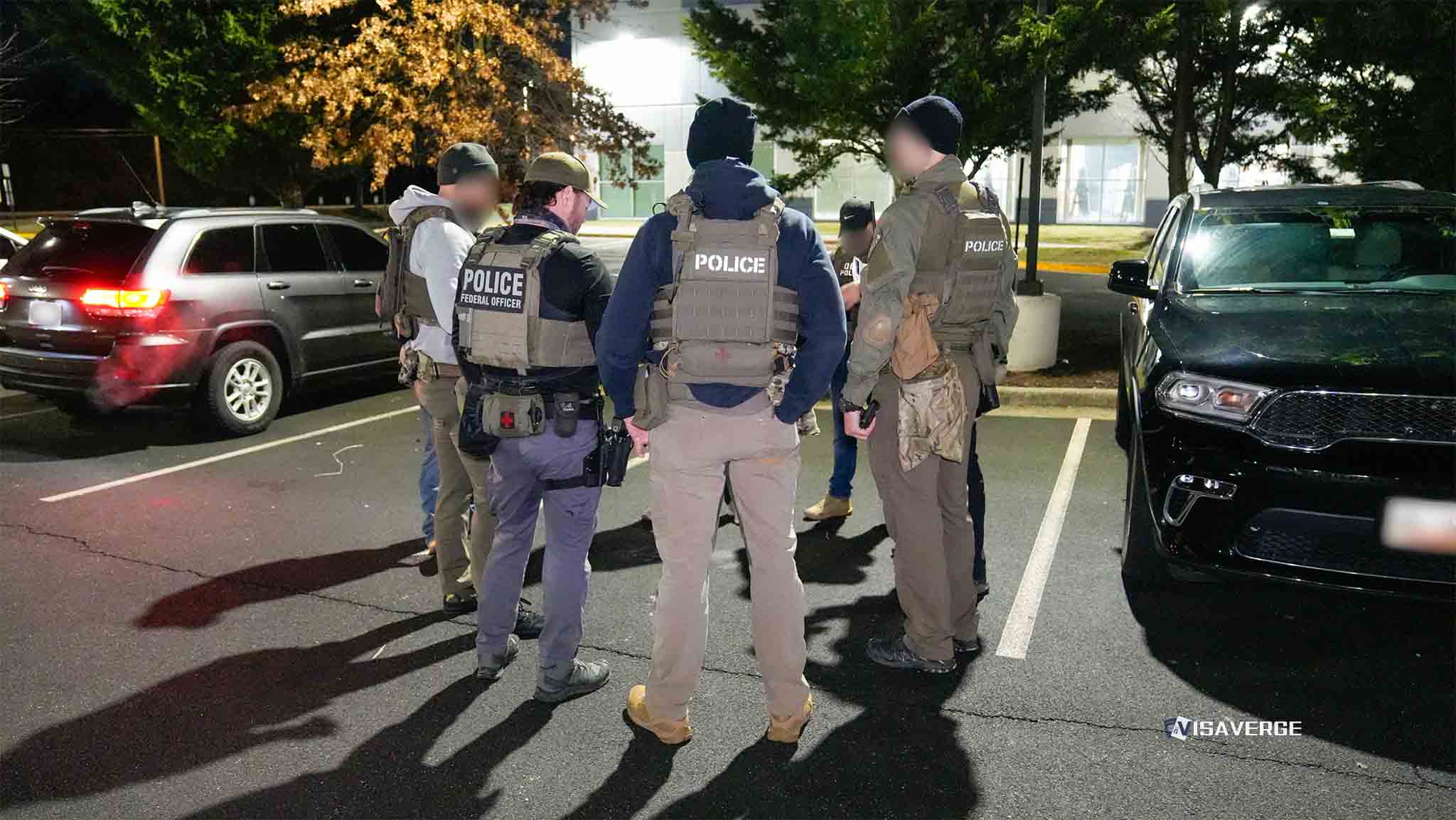
(UNITED STATES) — The U.S. Department of State announced on June 10, 2026, that consular officers have revoked more than 100 B-1/B-2 visas tied to birth tourism. The revocations target foreign nationals who traveled primarily to give birth in the United States. The administration characterized the action as dismantling “illegal birth tourism schemes” and protecting the “integrity of U.S. citizenship.”
Consular officers, working with law enforcement partners, identified visa holders whose travel records and application histories indicated childbirth as the primary purpose of entry. The announcement does not introduce new regulations. It signals intensified application of authority the State Department has held since January 2020. That month, the agency finalized amendments to 22 C.F.R. § 41.11 restricting visas for travel whose primary purpose is securing citizenship for a child born on U.S. soil.
The 2020 rule established what the agency calls the “primary purpose” standard. Under 22 C.F.R. § 41.11(b), a B visa is unavailable to a temporary visitor whose primary purpose of travel is to obtain U.S. citizenship for a child by giving birth in the United States. The regulation did not categorically bar pregnant travelers from admission. It created a framework under which consular officers assess whether childbirth for citizenship purposes is the applicant’s primary objective.
Free toolCSPA Age-Out Calculator OnlineThat distinction between a blanket prohibition and a purpose-based inquiry governs the current enforcement posture. A pregnant woman applying for a B-2 visa to visit family, seek medical treatment, or attend a business conference may still qualify. The applicant must demonstrate that childbirth is not her primary purpose. Under INA § 214(b), every visa applicant is presumed to be an immigrant. The applicant bears the burden of overcoming this presumption by establishing nonimmigrant intent and a residence abroad she does not intend to abandon.
Intent is evaluated at two stages: the visa application and the port of entry. At the consulate, an applicant who conceals pregnancy or misrepresents the purpose of travel faces not only denial but potential inadmissibility. Under INA § 212(a)(6)(C)(i), a willful misrepresentation of a material fact renders a foreign national permanently inadmissible. A waiver under INA § 212(i) may be available in narrow circumstances. The waiver requires a qualifying U.S. citizen or lawful permanent resident spouse or parent who would suffer extreme hardship.
Consular officers evaluate multiple factors when assessing whether birth tourism is the primary purpose of travel. The Foreign Affairs Manual directs officers to consider the applicant’s stated travel plans, financial resources for medical expenses, duration of intended stay, and prior immigration history. An applicant who has previously entered the United States and given birth may face heightened scrutiny regardless of whether the prior entry resulted in visa cancellation. The totality of circumstances, not pregnancy alone, drives the determination.
⚠️ Warning: A finding of willful misrepresentation under INA § 212(a)(6)(C)(i) carries permanent immigration consequences. The waiver under INA § 212(i) is discretionary and requires demonstrating extreme hardship to a qualifying relative. Consult an immigration attorney before attending any consular interview if there are concerns about prior disclosures.
CBP officers apply a parallel analysis at ports of entry. A pregnant traveler arriving on a valid visitor visa may face questioning about the purpose of her visit. If the officer determines that childbirth to secure citizenship is the primary purpose, the traveler may be denied admission under INA § 235. The traveler may then be referred for expedited removal or permitted to withdraw the application for admission. Withdrawal avoids a formal removal order but does not preserve the visa, which is typically cancelled at the port.
The enforcement campaign operates alongside separate litigation over the constitutional status of birthright citizenship. The Fourteenth Amendment guarantees citizenship to persons born in the United States and subject to its jurisdiction. The administration has pursued executive action to limit automatic citizenship for children of certain nonimmigrant visitors. Those efforts remain subject to federal court challenges. No Supreme Court decision has altered the existing constitutional framework as of June 19, 2026.
No published Board of Immigration Appeals decision has specifically applied 22 C.F.R. § 41.11(b) in removal proceedings. The absence of BIA precedent means that immigration judges confronting birth tourism cases rely on the general nonimmigrant intent framework under INA § 214(b) and INA § 101(a)(15)(B). The regulatory standard remains relatively new. Its boundaries in the immigration court context have not been tested through published precedent decisions.
The State Department’s announcement signals that consular screening will intensify. Visa applicants who are visibly pregnant or whose records suggest prior travel for childbirth can expect heightened scrutiny. Officers are instructed to evaluate whether the applicant’s stated purpose aligns with B classification. The June 10 announcement confirms that the agency is actively identifying and acting on suspected cases through coordinated enforcement with other federal agencies.
⚠️ Practice Note: Consular officers have broad discretion under INA § 214(b) to deny a visa application. There is no administrative appeal of a consular denial. The only review mechanism is a request for reconsideration through the advisory opinion process, which rarely reverses the initial decision. Applicants with prior denials related to pregnancy should seek legal counsel before reapplying.
The enforcement focus on primary purpose intersects with other nonimmigrant categories. E-2 treaty investors and other nonimmigrant visa holders must similarly demonstrate nonimmigrant intent, though the analysis differs by classification. The State Department’s heightened attention to purpose-of-travel inquiries suggests that consular officers may scrutinize stated activities across visa categories more closely. This is particularly relevant where application records include evidence of prior travel patterns inconsistent with the visa’s intended use.
Applicants with complex travel histories, prior visa revocations, or concerns about nonimmigrant intent should seek qualified legal representation before applying for or renewing a B-1/B-2 visa. An attorney can evaluate the specific facts of a case, identify potential admissibility concerns, and advise on documentation strategy. The consequences of a misrepresentation finding are severe and permanent. A qualified immigration attorney is best positioned to assess risk and guide applicants through consular processing.
⚠️ Important: If a visa has been revoked in connection with birth tourism allegations, do not attempt to reapply or seek entry without first consulting an immigration attorney. A subsequent application that fails to address the basis for revocation may result in additional inadmissibility findings.
⚖️ Legal Disclaimer: This article provides general information about immigration law and is not legal advice. Consult a qualified immigration attorney for advice about your specific situation.
Resources
- Lawyer Referral
- Immigration Advocates Network