- A maintenance manager won forty thousand dollars after a court ruled his dismissal over a seventeen-minute delay was unjustified.
- The Fair Work Commission denied job reinstatement because the employee took casual shifts with a competitor, Virgin Australia.
- Internal investigations were conflicted, with the employer succumbing to airline pressure despite an initial report clearing the engineer’s actions.
An Australian aircraft maintenance manager won AU$40,000 after challenging his dismissal over a reboot that delayed a Singapore Airlines departure from Brisbane by 17 minutes, but the Fair Work Commission refused to give him his job back.
Vengadesh Gnanapiragasam worked as a full-time licensed aircraft maintenance manager from May 2023 until December 2025. His employer, Heston MRO, provided line-maintenance services to airlines including the carrier involved in the dispute.
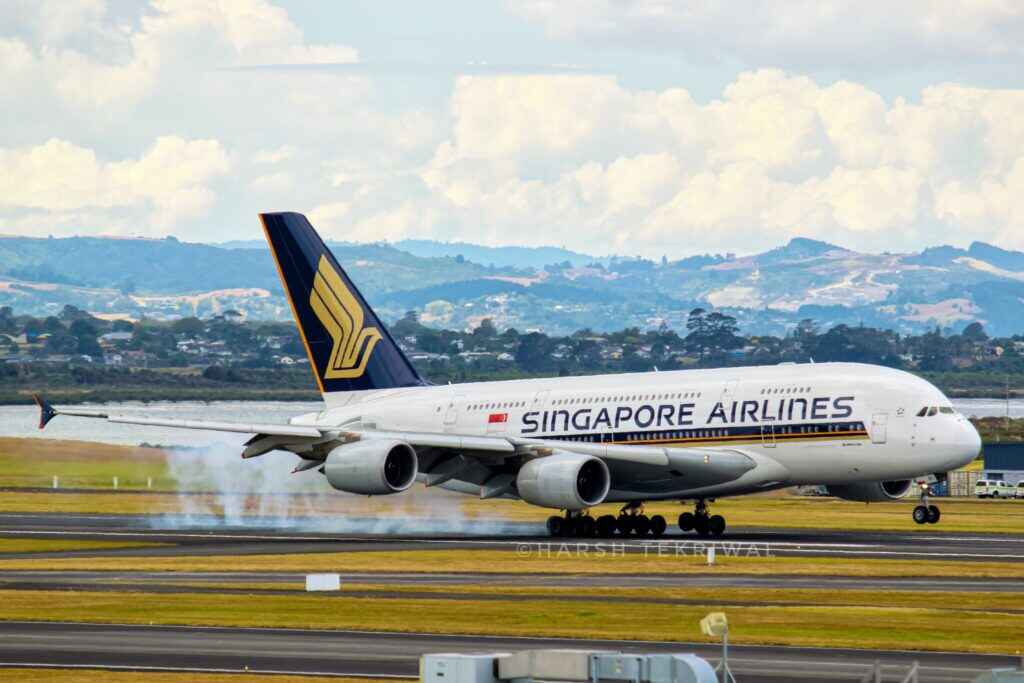
The commission found that his dismissal was “unjustified” and “procedurally unfair.” It still rejected reinstatement after finding that casual shifts he took with Virgin Australia while stood down had damaged the employment relationship.
The dispute began after several fault diagnostic messages appeared before a scheduled flight in November 2025. Gnanapiragasam performed a “power down and power up cycle” that cleared the messages.
The aircraft left late. The delay lasted 17 minutes.
The airline argued that rebooting the aircraft was unnecessary for the specific fault messages and caused “customer dissatisfaction.” It later withdrew his maintenance authority over “mishandling incidents.”
The first investigation cleared the reboot, but the airline rejected it
An initial internal investigation, approved by the company’s chief executive and other leaders, concluded that the reboot was “standard practice” and did not breach protocol.
The airline rejected that assessment as “biased” and not objective. A second investigation followed under a newly appointed head of quality and safety.
That review described the engineer’s conduct as a “reckless violation.” Gnanapiragasam did not receive the report before the company dismissed him.
The commission treated that process as a central problem. The finding concluded that the employer could not fairly rely on a second investigation without giving the engineer an opportunity to respond to its conclusions.
The employer also faced pressure from its customer. Asta Zirlyte, its chief executive, testified that losing the airline’s business would have “severe commercial repercussions” for the company.
She also described Gnanapiragasam as having an “attitude issue.” One example involved his failure to attend a meeting held on a scheduled rostered day off.
The engineer said the reboot reduced cockpit workload
Gnanapiragasam defended the action as a routine troubleshooting step. He compared it to “resetting a smartphone to resolve software glitches.”
He said the procedure produced a safer flight and reduced the pilots’ workload. The pilots had agreed to the reboot, according to the account considered by the commission.
The airline took a different view. Its position was that clearing the messages through a power cycle was not required for that particular fault and had contributed to the delayed departure.
The case therefore placed the engineer’s technical judgment against the carrier’s operational concern about an avoidable delay. The maintenance decision affected a scheduled Brisbane departure, while the employer’s commercial relationship with its major customer shaped the later disciplinary response.
Virgin Australia work blocked a return to the job
The compensation award covered lost wages. The commission set it at AU$40,000, approximately US$28,044.
Reinstatement was a separate question. The commission found that Gnanapiragasam’s casual work for Virgin Australia after he was stood down damaged trust between him and his former employer.
That finding prevented him from returning to the maintenance manager position, despite the commission’s criticism of the dismissal process.
The decision left him without his long-term role but provided financial compensation for the loss of employment. His work for a competitor became a factor in deciding whether the relationship could continue.
The case also placed the maintenance provider between two demands: defending its employee’s technical expertise and protecting a multi-year contract with its largest customer.
The ruling separates unfair dismissal from reinstatement
The outcome shows that a finding against an employer’s dismissal process does not automatically restore the former job. The commission awarded compensation after finding procedural defects, then assessed whether trust still supported reinstatement.
Here, the undisclosed Virgin Australia shifts weighed against restoring the employment relationship. The same case therefore produced two different results: financial relief for the dismissal and no return to the workplace.
The aircraft had been scheduled to depart Brisbane when the fault messages appeared. The reboot cleared them, but the resulting delay became the event that triggered the chain of investigations, the withdrawal of maintenance authority and the eventual dismissal.
The commission’s ruling closed the dispute over compensation and reinstatement on August 3, 2026.