- Don Farrell said Australia is aligned with Canada on seeking deeper EU ties, but no formal model has been proposed.
- EU leaders, including Roberta Metsola and Ursula von der Leyen, floated an associate member path between membership and candidate status.
- Australia and the EU already have a trade deal, while Canada has added security and defence partnerships to its relationship.
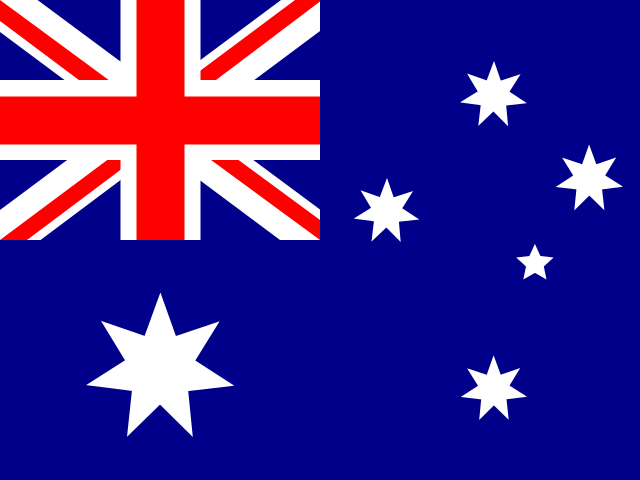
Australian Trade Minister Don Farrell said September 15, 2026, that Australia was aligned with Canada’s effort to build deeper ties with the EU and was open to “all possibilities” in any future arrangement.
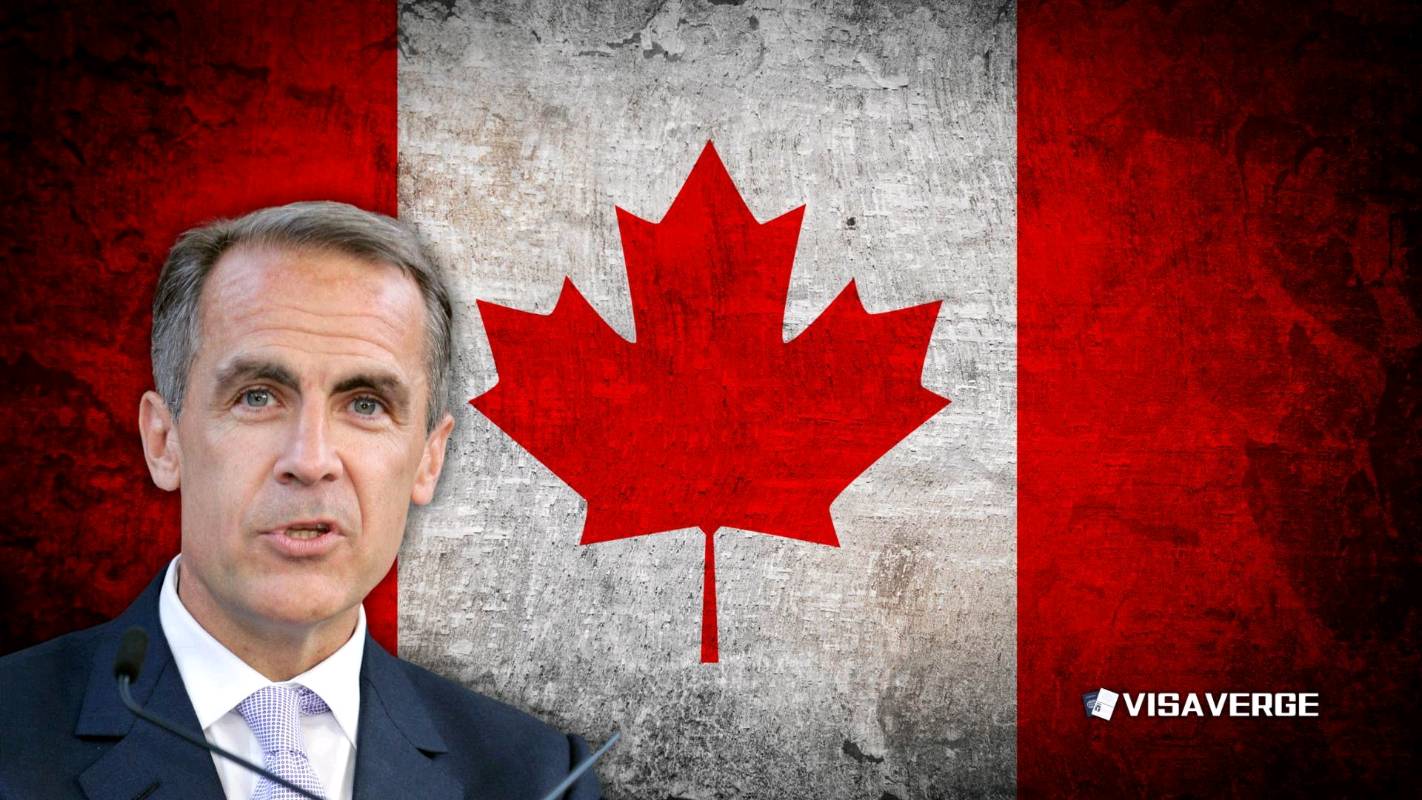
The comments followed Prime Minister Mark Carney’s announcement that Ottawa wanted a closer relationship with the bloc without seeking membership. Farrell did not propose a specific model for Canberra.
Free toolCanada Express Entry Points Calculator
“We are on the same page,” Farrell said. He added: “We will take great interest in what Carney does.”
His comments point to interest, not a formal application. Canberra is waiting to see what structure emerges from Ottawa’s talks with Brussels.
“We are on the same page” and “We will take great interest in what Carney does.”
Farrell also drew a line around the practical limits of any future arrangement. He said he was open to “all possibilities,” except “extra fibre-optic cables given the distances involved.”
Carney has emphasized that the proposed partnership would preserve Canadian sovereignty. “We’re not looking to become a member of the European Union,” he said, while describing the planned negotiations as a search for a “unique alliance.”
The bloc has 27 member countries. Canada’s proposed relationship would therefore seek closer economic and security cooperation without joining the institutions of membership.
The proposed associate status would sit between membership and candidate status
European Parliament President Roberta Metsola said Australia and New Zealand could eventually follow Canada into an “associate member” relationship. She described that arrangement as a possible “third way” between full membership and candidate status.
The idea gained support from European Commission President Ursula von der Leyen on September 16, 2026. She said the bloc should “open the door” to Canada becoming its first “associate member.”
Von der Leyen also described an “Alliance for the Future” intended to create “a common prosperity and economic security space.” She presented the proposal against what she called an “openly hostile world.”
Metsola said the model could deepen cooperation with “like-minded countries.” Her comments placed Canberra among the possible future participants, but did not establish a timetable or terms for Australian involvement.
The arrangement remains undefined. Farrell’s statement leaves open whether Australia would pursue the same status, seek sector-by-sector agreements, or develop another form of cooperation.
Existing trade and security links give the talks a foundation
Australia and the bloc already have a trade agreement, while Canada has built a wider institutional relationship with European governments.
| Relationship | Concrete development |
|---|---|
| Australia-EU trade | The agreement was signed in March 2026 after eight years of negotiations and removes tariffs on “almost all goods.” |
| Australian critical minerals | The trade deal could improve European access to those supplies. |
| Canada and SAFE | Canada became the first non-EU country to join the bloc’s SAFE defence procurement initiative in February 2026. |
| Canada-EU institutional ties | The relationship includes CETA and the Strategic Partnership Agreement. |
| Security cooperation | A Security and Defence Partnership was signed in June 2025. |
Those links give Ottawa and Canberra different starting points. Australia has a recently concluded trade deal. Canada has added defence procurement and security mechanisms to its existing relationship.
The partnership would widen beyond tariffs
The Canadian discussions cover trade and investment as well as security. They also include energy, AI, defence, critical minerals and joint infrastructure.
Possible visa-free movement for Canadians in Europe is part of the talks described by European officials. The agenda reaches beyond market access and into the movement of people, industrial capacity and strategic supply chains.
Both governments are also looking to diversify their economic and security ties as Washington intensifies trade pressure. That wider setting helps explain why the proposed relationship includes defence, technology and minerals alongside commerce.
The Australian trade agreement could give Canberra a platform for similar discussions. Its tariff commitments address goods, while the associate-member idea would potentially cover a broader set of political and security links.
The two tracks are not identical. Ottawa is pursuing a stated “unique alliance,” while Canberra has only said it will watch the Canadian effort and consider the possibilities.
Canberra is not announcing a formal bid for associate membership. Farrell’s remarks instead signal that the government is open to exploring a deeper relationship with Brussels after seeing how the Canadian model develops.
Metsola’s reference to Australia and New Zealand gives that interest a European audience. It also suggests that the proposed status could become a framework for cooperation with countries outside the bloc, rather than a one-off arrangement for Canada.
The next test will come as Ottawa defines the terms of its “associate member” proposal. Australia’s position may become clearer once those negotiations show how closely a non-member can align with European trade, investment, defence and security policies.